
Feb . 27, 2026 02:15 Back to list
Comprehensive Guide to Mangalloy Properties Applications and Sourcing
Understanding Mangalloy: Properties, Applications & Sourcing
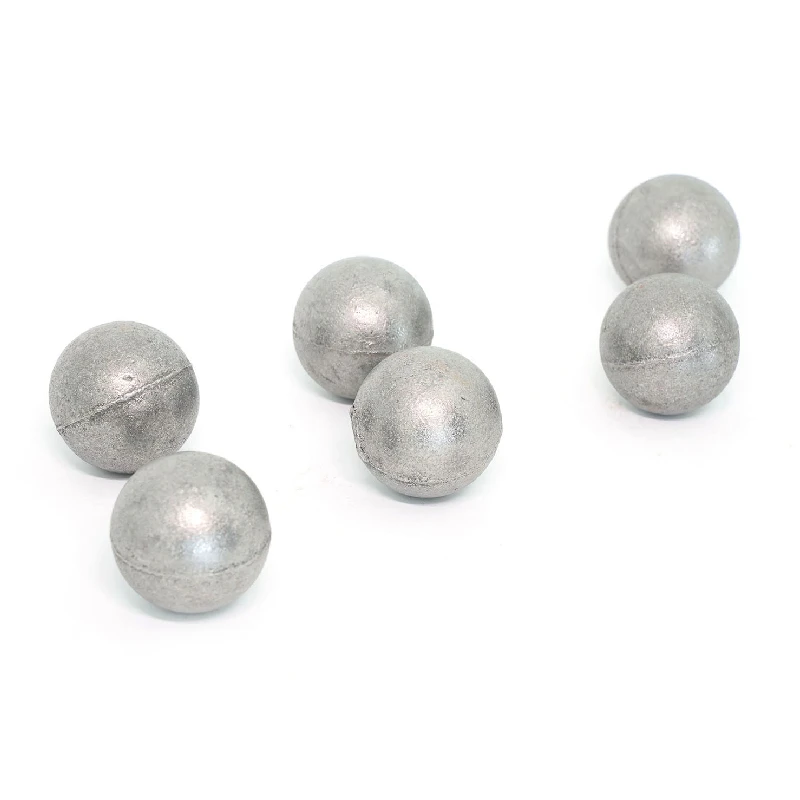
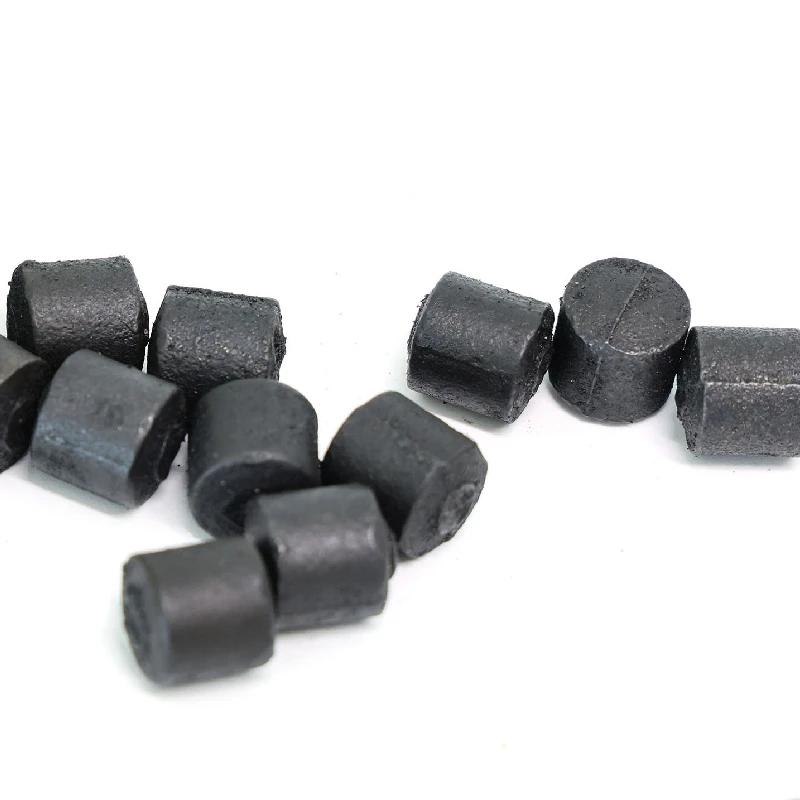
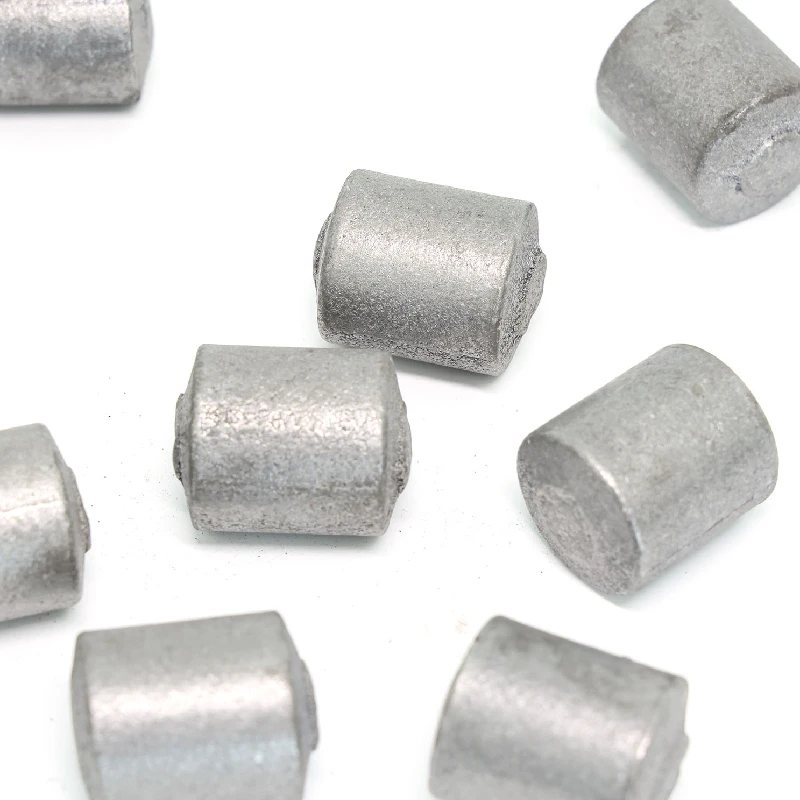
Mangalloy, also known as Hadfield steel, is a unique alloy renowned for its exceptional toughness, wear resistance, and austenitic structure. Its distinct characteristics make it invaluable in a wide range of demanding applications, particularly those involving high impact and abrasive conditions. This article provides a comprehensive overview of mangalloy, exploring its composition, properties, applications, and how to source high-quality mangalloy products. We'll delve into the reasons why mangalloy continues to be a critical material in numerous industries.
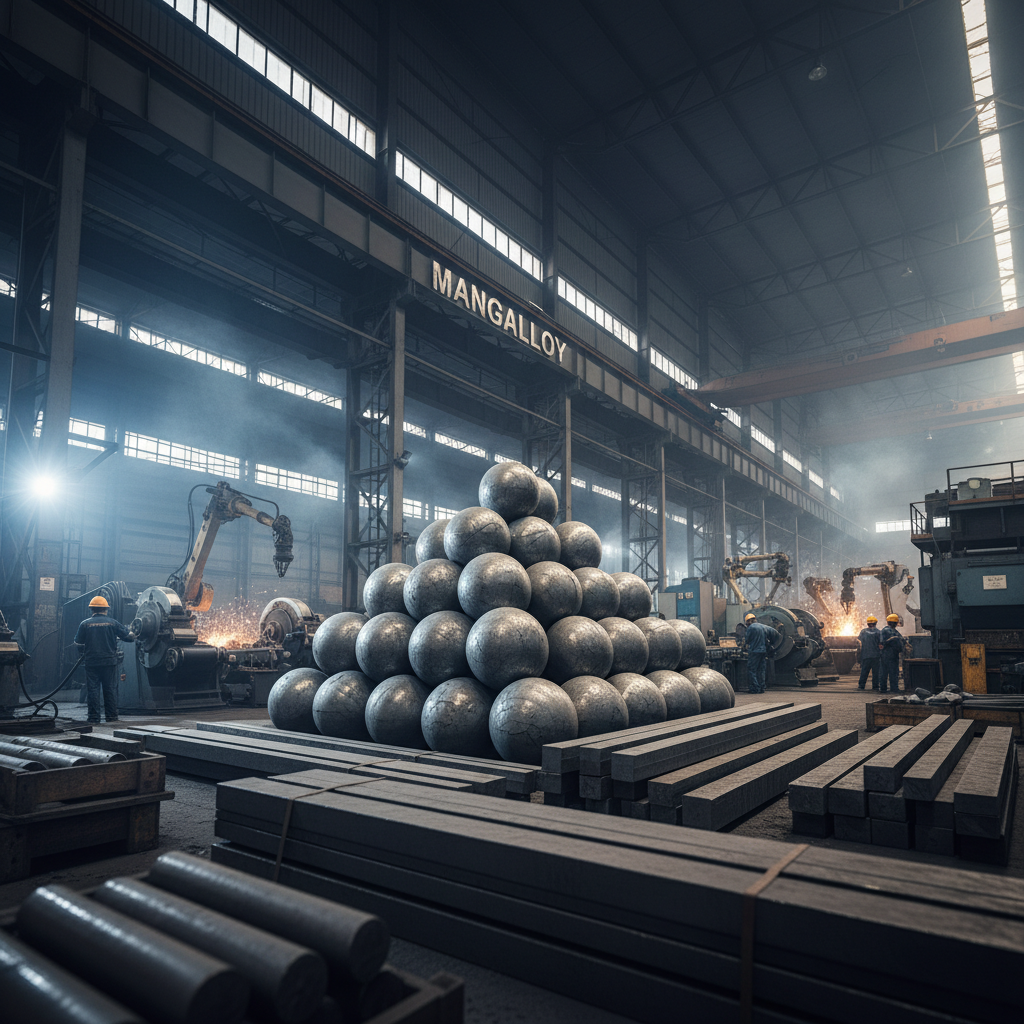
Composition and Key Properties of Mangalloy
Mangalloy is primarily composed of iron, with a significant manganese content typically ranging from 12% to 14%. Other elements, such as carbon, silicon, and chromium, are often added in smaller proportions to fine-tune its properties. The high manganese content is crucial; it stabilizes the austenitic phase of the steel even at room temperature. This austenitic structure is responsible for mangalloy's remarkable toughness and work-hardening ability. When subjected to impact, mangalloy doesn’t fracture easily; instead, it undergoes plastic deformation, absorbing significant energy. This makes it ideal for applications requiring resistance to wear, impact, and abrasion. Further, mangalloy exhibits excellent weldability and machinability, adding to its versatility.
Key Highlights: Mangalloy's austenitic structure provides remarkable toughness, work-hardening ability, and resistance to wear, impact, and abrasion. It's also readily weldable and machinable.
Mangalloy Applications Across Various Industries
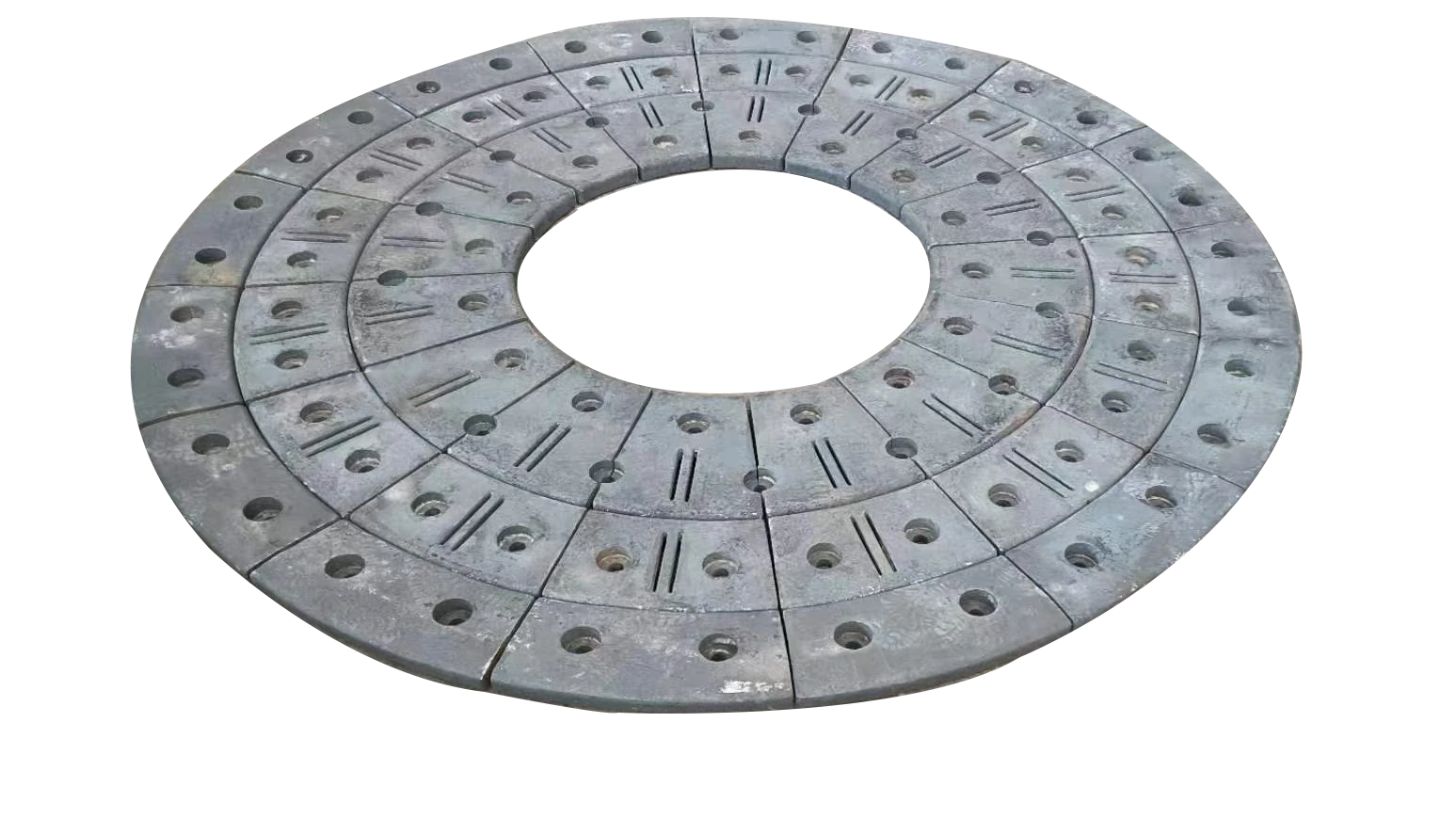
The unique combination of properties makes mangalloy a preferred material in a diverse range of industries. In the mining and construction sectors, it's extensively used for rock crushing equipment, excavator teeth, and railway switches due to its exceptional wear resistance. The automotive industry utilizes mangalloy for components requiring high impact strength, such as gears and differential cases. Furthermore, mangalloy is employed in the manufacturing of military armor, where its ability to absorb energy from projectiles is crucial. Other applications include impact hammers, stone crushers, and even parts of ball mills. The demand for mangalloy components continues to grow as industries seek durable and reliable materials.
Application Benefits:
• Enhanced Wear Resistance: Prolongs the lifespan of components.
• High Impact Strength: Withstands severe impacts without fracturing.
• Work Hardening: Increases surface hardness under stress.
• Versatile Machinability: Allows for complex component designs.
Mangalloy Grades and Their Specific Applications
Various grades of mangalloy are available, each tailored to specific application requirements. These grades differ in their manganese content, carbon levels, and the presence of other alloying elements. Common grades include Hadfield 12-14, which offers a balance of toughness and wear resistance, and higher-manganese grades for extremely abrasive environments. Selecting the appropriate grade is crucial for maximizing performance and longevity. Factors to consider include the severity of the impact, the level of abrasion, and the operating temperature.
Sourcing Mangalloy: Key Considerations and Supplier Selection
When sourcing mangalloy, it's crucial to choose a reputable supplier who can guarantee the quality and consistency of the material. Factors to consider include the supplier's experience, certifications, and ability to meet your specific requirements. Verify that the mangalloy conforms to relevant industry standards and specifications. Request material test reports (MTRs) to confirm its chemical composition and mechanical properties. Look for suppliers with robust quality control processes and a commitment to customer satisfaction. Chengda offers a wide range of mangalloy products and provides comprehensive support to ensure you get the right material for your application.
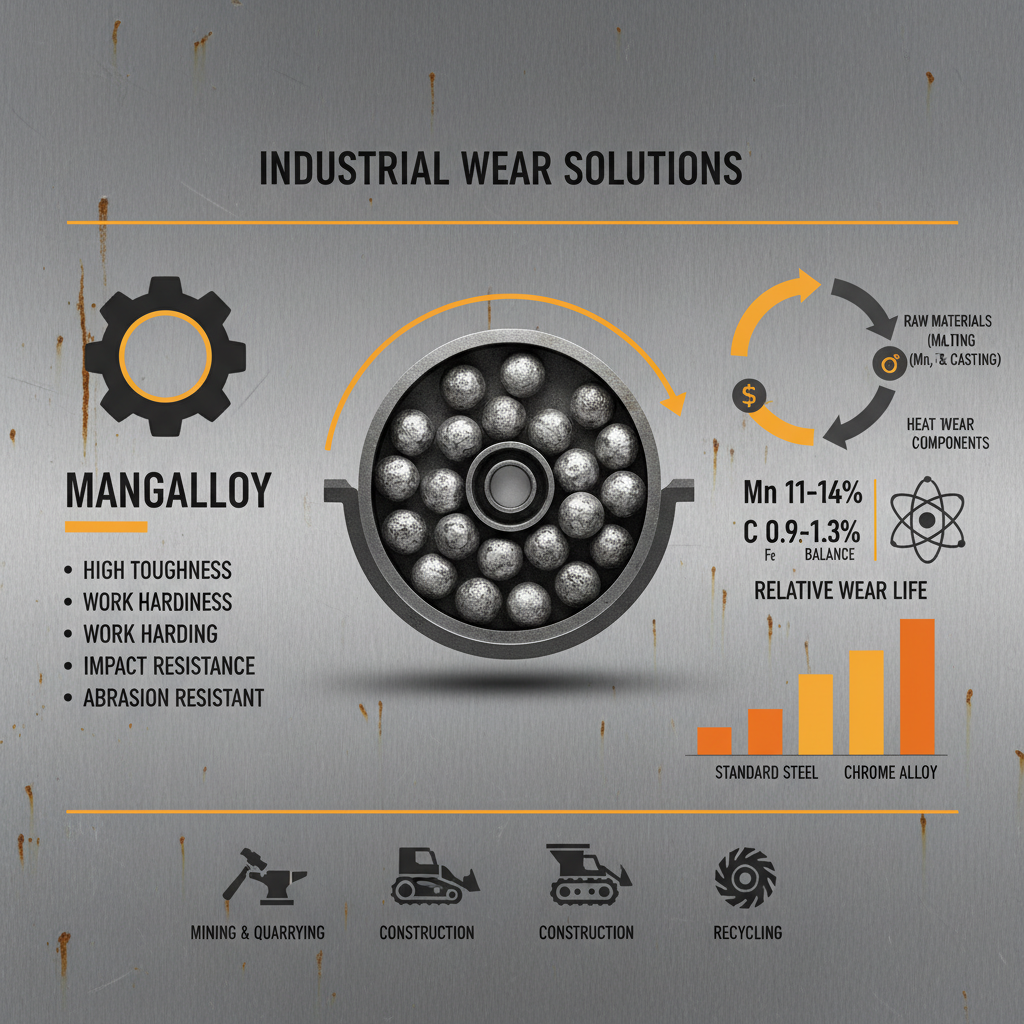
The Future of Mangalloy: Innovations and Trends
Ongoing research and development are continually expanding the applications of mangalloy. New alloying techniques are being explored to further enhance its properties, such as increasing its corrosion resistance and improving its machinability. The use of mangalloy in additive manufacturing (3D printing) is also gaining traction, enabling the creation of complex geometries and customized components. As industries demand more durable and reliable materials, mangalloy is poised to remain a vital material in the years to come.
Conclusion: The Enduring Value of Mangalloy
Mangalloy remains a crucial material in demanding applications due to its exceptional toughness, wear resistance, and work-hardening properties. Selecting the appropriate grade and sourcing from a reliable supplier, such as Chengda, are essential for maximizing performance and ensuring long-term reliability. As industries continue to evolve, mangalloy’s enduring value will continue to drive innovation and application in a wide range of sectors.
Frequently Asked Questions (FAQs)
What makes mangalloy different from other steels?
Mangalloy's unique difference lies in its high manganese content (12-14%), which stabilizes the austenitic structure. Unlike many steels that become harder and more brittle when work-hardened, mangalloy becomes significantly tougher. This is because the austenitic structure allows for a phenomenon called "strain hardening", meaning it strengthens as it's subjected to impact. This property makes it ideal for applications requiring high wear and impact resistance. Furthermore, mangalloy offers exceptional weldability and machinability.
Is mangalloy susceptible to corrosion?
While mangalloy exhibits excellent mechanical properties, its corrosion resistance is generally lower than that of stainless steels. It can be susceptible to rusting in humid or corrosive environments. However, corrosion resistance can be improved by alloying with elements like chromium or by applying protective coatings. The specific environment and application will dictate whether corrosion protection is necessary.
What industries benefit most from using mangalloy?
Several industries greatly benefit from mangalloy’s properties. Mining and construction rely on it for wear-resistant components like crusher parts and excavator teeth. The railway industry utilizes mangalloy for switches and crossings. The automotive industry uses it for gears and impact-resistant parts. Military applications also benefit from its ability to withstand high impacts. Essentially, any industry facing high wear, abrasion, or impact forces can leverage the advantages of mangalloy.
-
Industrial Guide to Ferro Manganese Medium Carbon for Steel Production
NewsApr.16,2026
-
Professional Guide and Best Practices for drilling manganese steel
NewsApr.09,2026
-
Comprehensive Guide to DIN 1.3401 Stainless Steel Properties and Applications
NewsApr.07,2026
-
Optimizing Crusher Performance with Durable Manganese Alloys and Steel
NewsApr.04,2026
-
Comprehensive Guide to Chrome Manganese Steel Properties and Industrial Applications
NewsMar.31,2026
-
Understanding the Properties and Applications of Cast Manganese Steel
NewsMar.28,2026