Jan . 28, 2026 11:45 Back to list
Exploring Different Types of Liners in Cement Mill for Optimal Performance
Types of Liners in Cement Mill: A Comprehensive Guide
Cement mills are critical components in cement production, and their efficient operation relies heavily on the liners protecting their internal surfaces. Selecting the appropriate liner is crucial for maximizing mill lifespan, optimizing grinding efficiency, and minimizing maintenance downtime. This article delves into the various types of liners in cement mills, their materials, applications, and the factors influencing their selection. Understanding these nuances can significantly impact the overall cost-effectiveness and productivity of cement manufacturing.
Steel Liners for Cement Mills
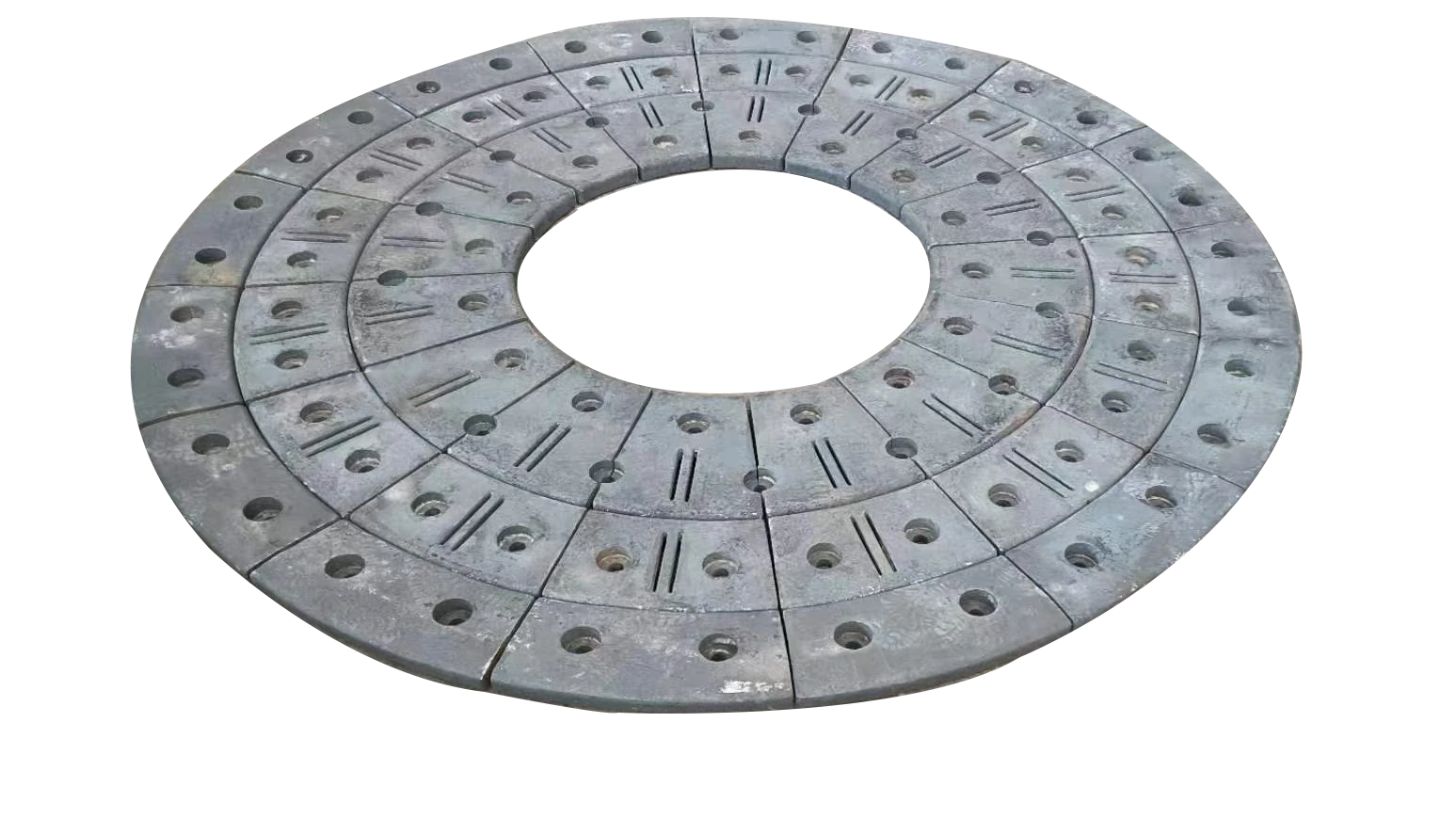
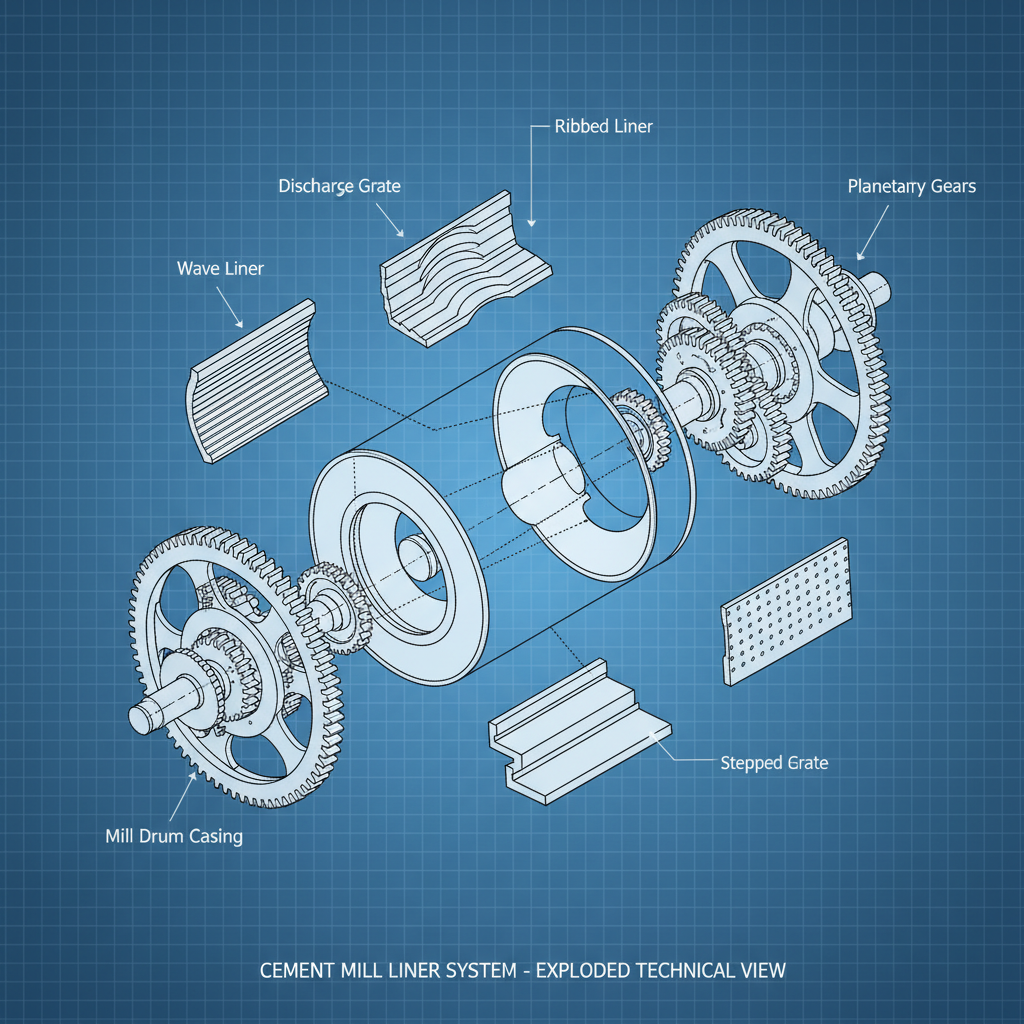
Steel liners have been historically dominant in cement mill applications due to their robustness and relatively low initial cost. They are typically made from medium carbon steel, offering good impact resistance. However, steel liners are prone to wear, particularly from abrasion, which requires frequent replacements and associated downtime. The noise generated by steel liners impacting the clinker and steel balls is also significantly higher than with other liner types. Despite these drawbacks, steel liners remain a viable option for mills processing less abrasive materials or when initial capital expenditure is a primary concern. Steel liners can be further categorized based on their design, including flat, ribbed, or profiled plates, each impacting wear patterns and grinding efficiency.
Key Highlights: Steel liners provide a robust, low-cost solution but suffer from high wear rates and noise levels. Design variations like ribbed or profiled plates can optimize performance.
Rubber Liners: A Noise Reduction Solution
Rubber liners represent a significant advancement in cement mill technology, primarily addressing the noise issues associated with steel liners. They offer substantial noise reduction – often exceeding 10-15 dB – creating a more comfortable working environment. Rubber liners are also more abrasion-resistant than steel, extending liner life and reducing maintenance frequency. However, rubber liners have limitations; they are less impact-resistant than steel and can be susceptible to degradation from high temperatures or specific chemical compositions within the cement mix. The cost of rubber liners is generally higher than steel, although the reduced downtime and increased lifespan can offset this initial investment.
Rubber Liner Benefits:
• Significant noise reduction
• Improved abrasion resistance
• Reduced maintenance downtime
• Enhanced working environment
Composite Liners: Combining the Best of Both Worlds
Composite liners are engineered to leverage the strengths of both steel and rubber, offering a balanced solution for cement mills. These liners typically consist of a steel backing plate with a layer of rubber bonded to its surface. This configuration provides the impact resistance of steel with the noise reduction and abrasion resistance of rubber. Composite liners represent a middle-ground option in terms of cost and performance. They are particularly well-suited for mills processing a wide range of materials or operating under variable conditions. The rubber layer’s thickness and composition can be tailored to specific application requirements.
Liners Types Comparison
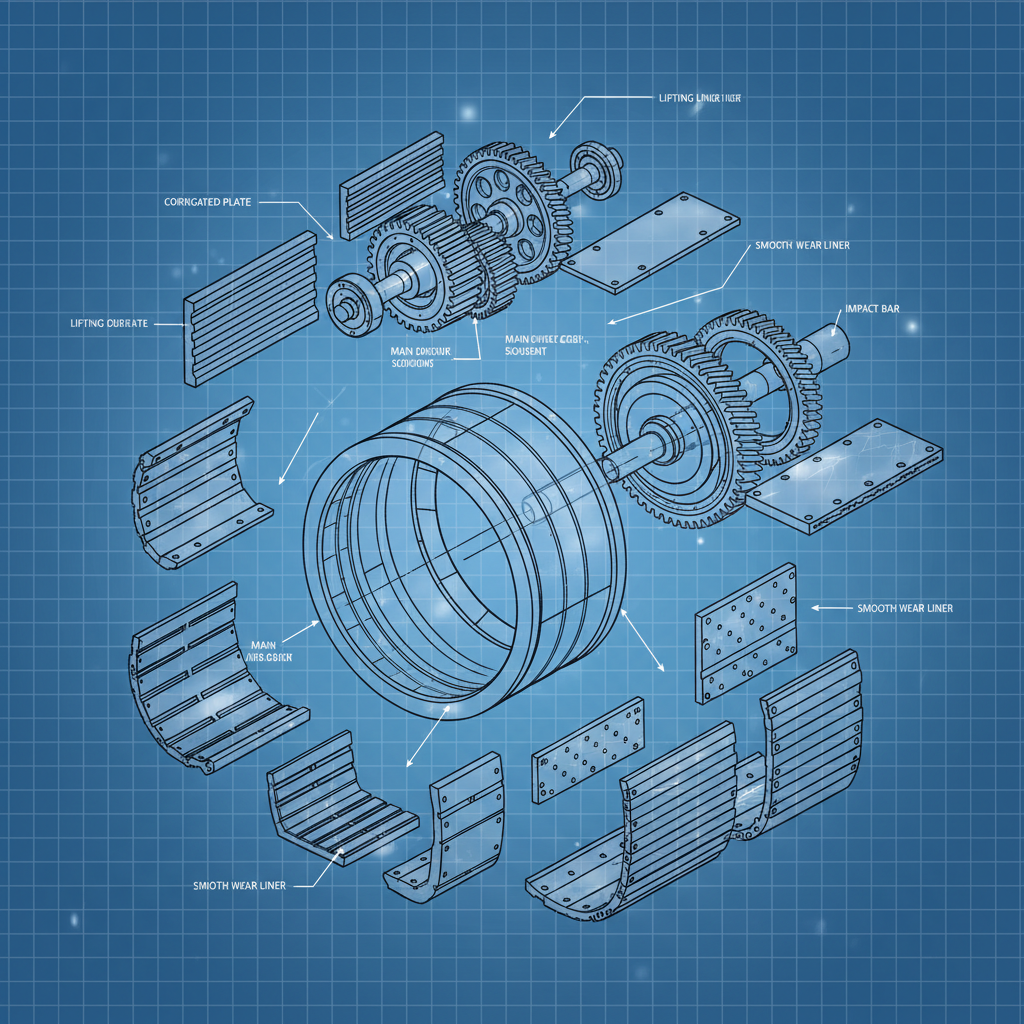
Choosing the optimal liner type involves a careful evaluation of various factors, including material composition, mill size, production capacity, and budget constraints. The table below provides a comparative overview of the common liner types:
Selecting the Right Liner: Key Considerations
The optimal liner choice depends on a complex interplay of factors. Material abrasiveness is paramount; highly abrasive materials necessitate liners with superior wear resistance. Mill size and operating speed influence the impact forces and wear patterns. Budget constraints often dictate the initial investment, but a holistic cost analysis should include long-term maintenance and downtime expenses. Finally, environmental considerations – particularly noise levels – are increasingly important. Chengda specializes in providing customized liner solutions tailored to the unique requirements of each cement mill.
Conclusion: Optimizing Cement Mill Performance with the Right Liners
Selecting the appropriate liners is crucial for maximizing the efficiency, lifespan, and safety of cement mills. Understanding the characteristics of each liner type – steel, rubber, and composite – and considering the specific operational requirements of your mill are essential. By carefully evaluating these factors and potentially partnering with a specialist like Chengda, you can optimize your cement production process and achieve significant cost savings.
Frequently Asked Questions (FAQs)
How often should cement mill liners be replaced?
The replacement frequency of cement mill liners depends heavily on the abrasiveness of the material being processed, the mill’s operating conditions (speed, load), and the liner material. Steel liners typically require more frequent replacement – often every 6-12 months – compared to rubber or composite liners, which can last 18-36 months or even longer. Regular inspections are crucial to identify wear patterns and schedule replacements proactively, minimizing downtime. Indicators of needing replacement include excessive wear, cracks, deformation, and a noticeable decline in grinding efficiency.
What is the impact of liner selection on grinding efficiency?
Liner selection significantly impacts grinding efficiency. The liner profile and material influence the cascading action of the grinding media (steel balls). Properly designed liners promote optimal ball movement, maximizing the contact area between the balls, the clinker, and the liner itself. This leads to more effective size reduction. Rubber and composite liners, with their higher coefficient of friction, can sometimes improve grinding efficiency compared to steel liners. Conversely, excessively worn liners reduce efficiency as the ball charge becomes less effective.
Are composite liners a cost-effective solution in the long run?
While composite liners have a higher upfront cost than steel liners, they often prove to be more cost-effective over the long term. Their superior abrasion resistance translates into extended liner life, reducing replacement frequency and associated downtime. The lower noise levels can also improve worker safety and reduce the need for hearing protection. A comprehensive cost analysis considering material costs, labor costs, downtime, and maintenance expenses is essential to determine the optimal solution for your specific application. Contacting Chengda for a detailed assessment can help you make an informed decision.
-
Industrial Guide to Ferro Manganese Medium Carbon for Steel Production
NewsApr.16,2026
-
Professional Guide and Best Practices for drilling manganese steel
NewsApr.09,2026
-
Comprehensive Guide to DIN 1.3401 Stainless Steel Properties and Applications
NewsApr.07,2026
-
Optimizing Crusher Performance with Durable Manganese Alloys and Steel
NewsApr.04,2026
-
Comprehensive Guide to Chrome Manganese Steel Properties and Industrial Applications
NewsMar.31,2026
-
Understanding the Properties and Applications of Cast Manganese Steel
NewsMar.28,2026