Jan . 28, 2026 11:05 Back to list
Optimizing Cement Mill Performance with Durable Liner Plate Solutions
Liner Plate for Cement Mill: A Comprehensive Guide
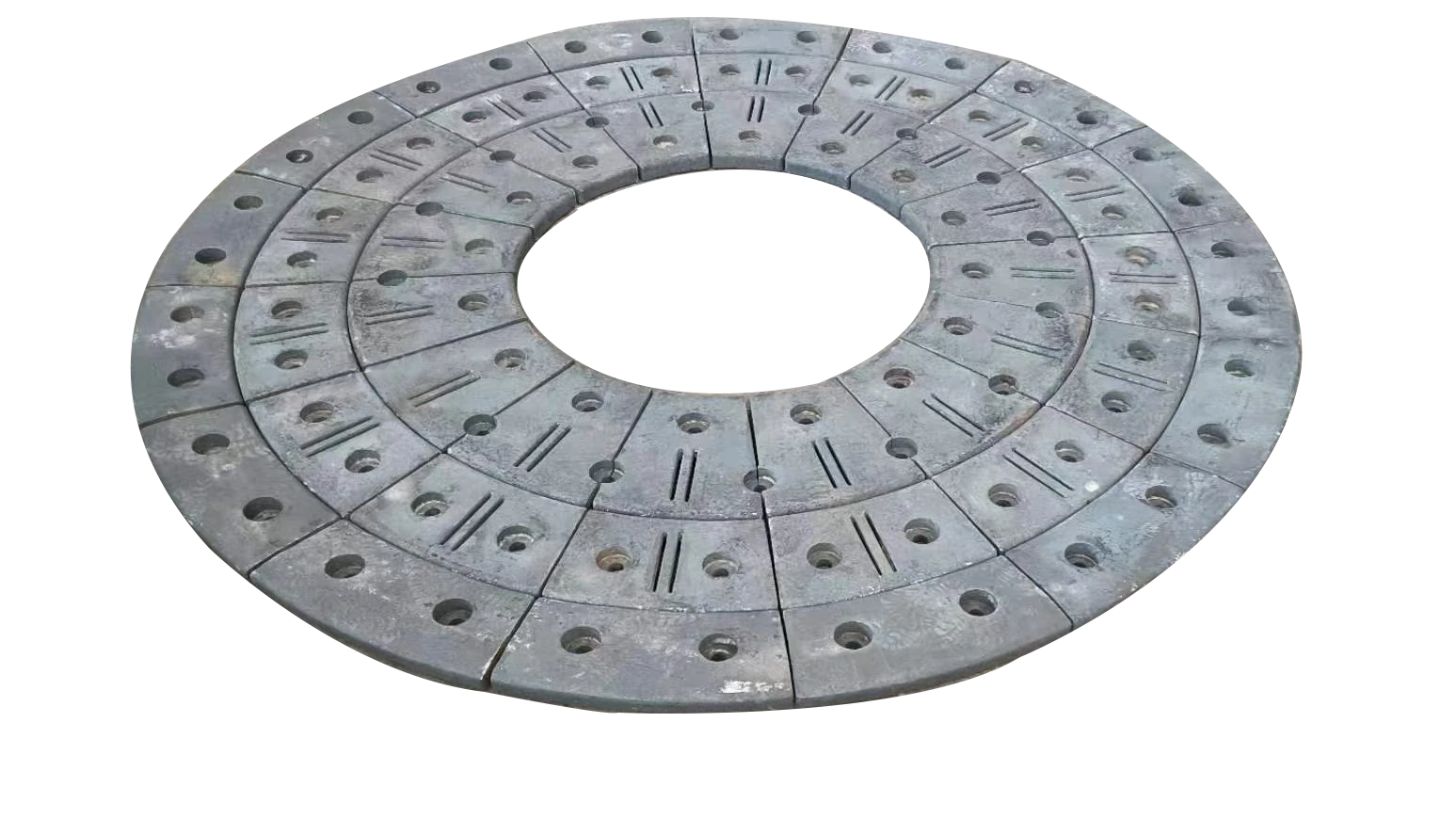
Cement mills are essential components in cement production, and their efficient operation heavily relies on the integrity of their internal lining. Liner plates for cement mills play a critical role in protecting the mill shell from abrasion and impact damage caused by the grinding process. This article provides a detailed overview of liner plates, including their types, materials, selection criteria, installation, and maintenance. Understanding these aspects is crucial for optimizing cement mill performance and reducing downtime.
Understanding the Role of Liner Plates
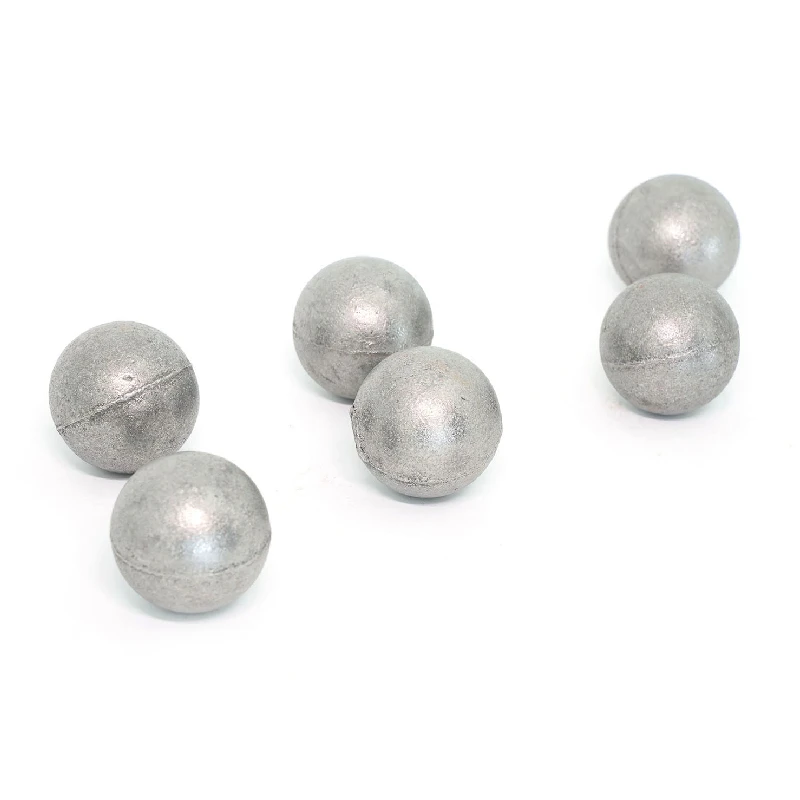
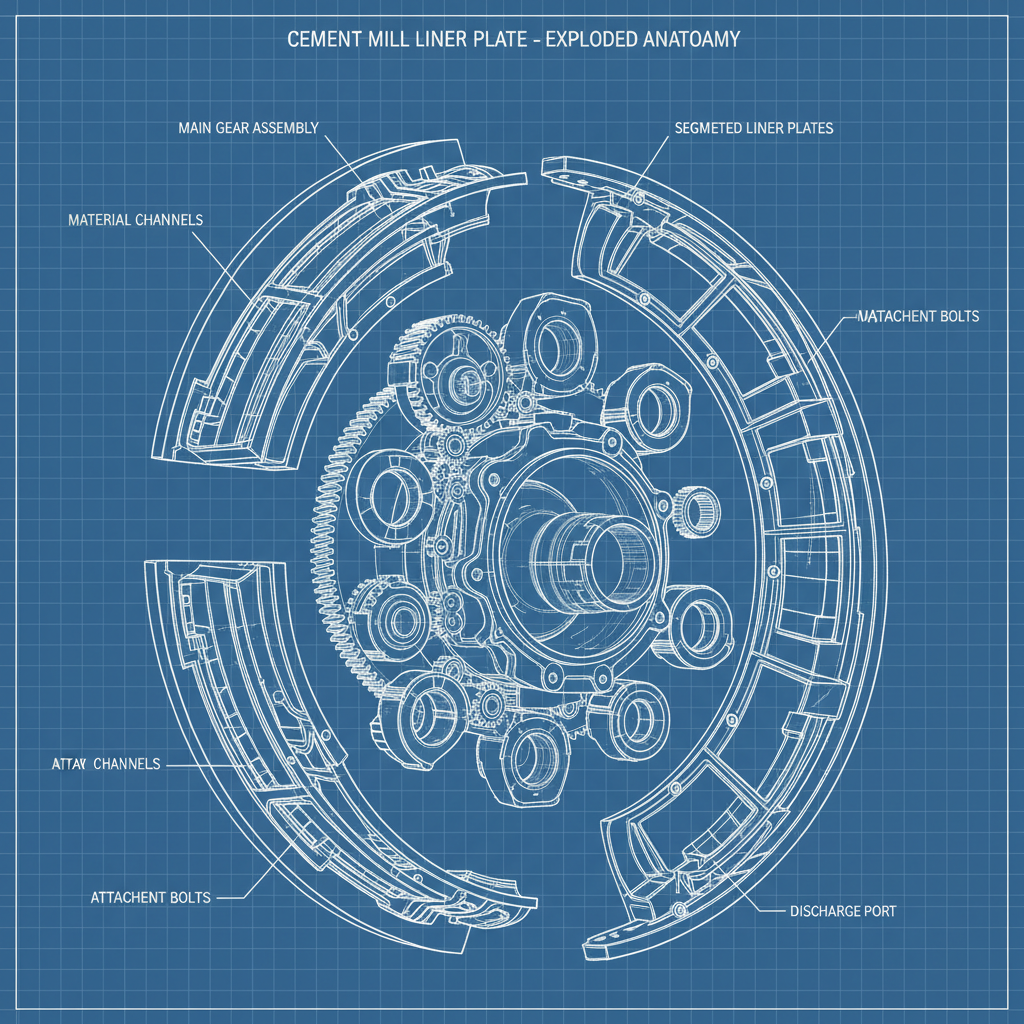
The primary function of liner plates is to shield the mill shell from the constant abrasive action of the clinker and grinding media (steel balls or rollers). Without liner plates, the mill shell would quickly wear through, leading to costly repairs or complete replacement. Liner plates also help to influence the grinding efficiency by controlling the cascading action of the grinding media. Different liner plate designs can promote more effective material breakage and finer particle size distribution. Furthermore, they contribute to noise reduction within the mill, creating a safer and more comfortable working environment.
Key Benefits: Protects mill shell from wear, improves grinding efficiency, reduces noise levels, and extends mill lifespan.
Types of Liner Plates for Cement Mills
Liner plates are categorized based on their design and application within the mill. Common types include:
- Straight Liner Plates: These are the most basic type, used for general wear protection.
- Wave Liner Plates: Designed to enhance grinding media lifting and cascading, improving grinding efficiency.
- Ribbed Liner Plates: Feature raised ribs to increase impact resistance and promote media movement.
- Bell-Shaped Liner Plates: Commonly used in the feed and discharge ends of the mill to guide material flow.
The selection of the appropriate liner plate type depends on the specific characteristics of the cement mill and the grinding process. Chengda offers a comprehensive range of liner plate designs to meet diverse operational needs.
Materials Used in Liner Plate Manufacturing
The material of the liner plate is a critical factor determining its durability and resistance to wear. Common materials include:
- Alloy Steel: Offers excellent wear resistance and impact strength, suitable for high-abrasion applications.
- Manganese Steel (Hadfield Steel): Known for its work-hardening properties, making it ideal for resisting impact and abrasion.
- Chrome White Iron: Provides exceptional abrasion resistance, often used in areas with severe wear.
The choice of material depends on the type of clinker being ground, the grinding media used, and the operating conditions of the cement mill. CD Chengda utilizes high-quality alloy steels and manganese steels to ensure optimal liner plate performance.
Comparing Liner Plate Materials: Abrasion Resistance
Understanding the abrasion resistance of different liner plate materials is crucial for selecting the best option for your cement mill. The following table provides a comparison based on a standardized abrasion test:
Installation and Maintenance Best Practices
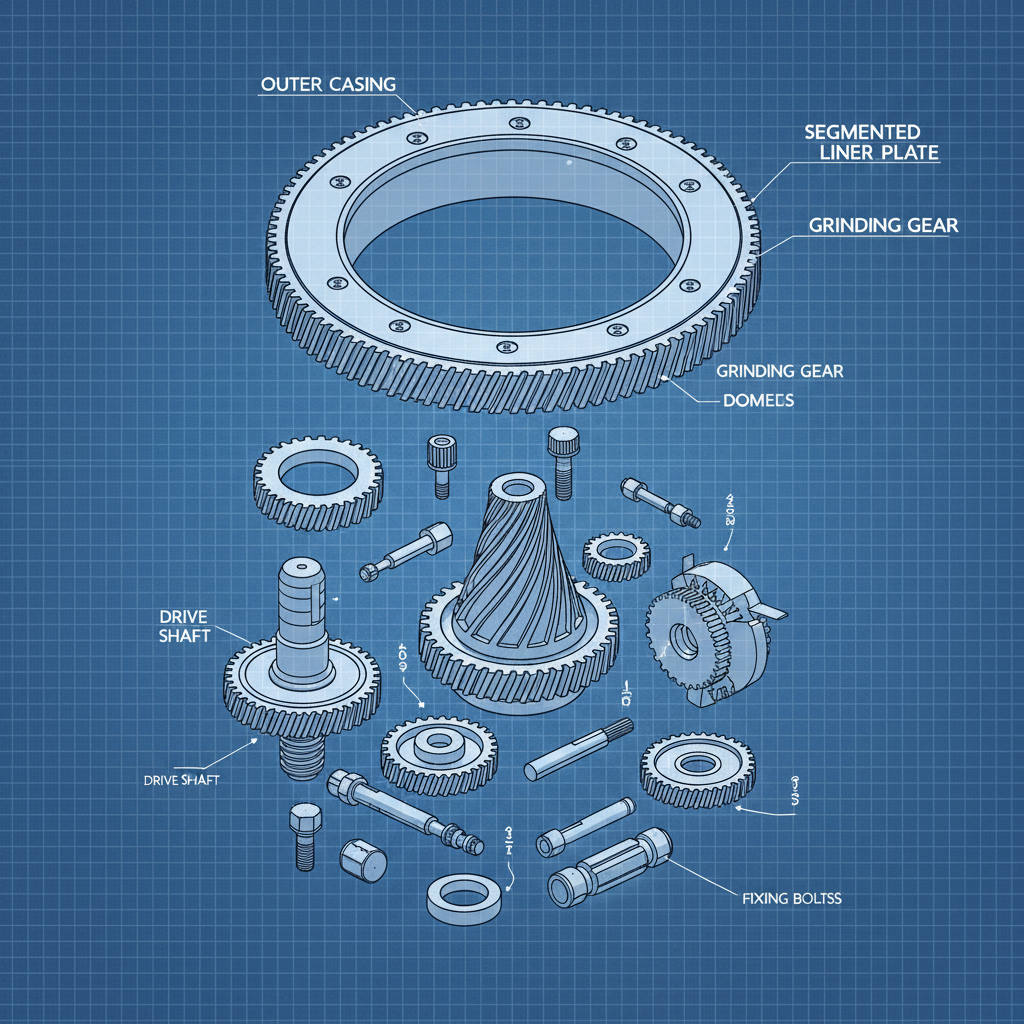
Proper installation and regular maintenance are vital for maximizing the lifespan and effectiveness of liner plates. Installation should be performed by experienced technicians following the manufacturer’s guidelines. Key considerations include ensuring proper alignment, secure fastening, and uniform distribution of stress. Regular inspections should be conducted to identify worn or damaged plates. Timely replacement of worn plates prevents further damage to the mill shell and maintains grinding efficiency.
Conclusion: Optimizing Cement Mill Performance with Quality Liner Plates
Investing in high-quality liner plates for cement mills is a proactive approach to enhancing operational efficiency and reducing long-term costs. Selecting the right material, design, and implementing proper installation and maintenance practices are key to maximizing their lifespan and ensuring optimal mill performance. CD Chengda is committed to providing reliable and durable liner plate solutions to meet the evolving needs of the cement industry.
Frequently Asked Questions (FAQs)
How often should cement mill liner plates be replaced?
The replacement frequency depends on several factors, including the abrasiveness of the material being ground, the grinding media used, mill operating conditions, and the liner plate material. A general guideline is to inspect liner plates every 6-12 months. Replacement is necessary when significant wear is detected, such as a reduction in plate thickness exceeding 10-15%, cracks, or signs of deformation. Regular monitoring and tracking wear rates help optimize replacement schedules and prevent unexpected downtime. Utilizing wear measurement tools and implementing a predictive maintenance program are recommended.
What are the signs of a failing liner plate?
Several signs indicate a liner plate is nearing the end of its service life. These include visible cracks, excessive wear leading to reduced plate thickness, deformation or bulging of the plate, increased noise levels within the mill, and a decline in grinding efficiency. If any of these signs are observed, a thorough inspection should be conducted to assess the extent of the damage and determine whether replacement is necessary. Ignoring these warning signs can lead to more significant and costly damage to the mill shell.
Can liner plates be repaired instead of replaced?
In some cases, minor wear or damage to liner plates can be addressed through repairs, such as welding or build-up welding. However, this is generally not recommended for significant wear or cracks, as repairs can compromise the structural integrity of the plate. Furthermore, the repaired area may not match the original material’s properties, leading to premature failure. In most situations, complete replacement is the most reliable and cost-effective solution in the long run.
What factors should be considered when selecting a liner plate supplier?
When choosing a liner plate supplier, consider their experience, reputation, product quality, and ability to provide technical support. Look for a supplier that offers a wide range of liner plate types and materials to meet your specific needs. Ensure they adhere to industry standards and have a robust quality control system. Additionally, a supplier that can provide customized solutions and on-time delivery is highly valuable. CD Chengda is a trusted partner for cement mills, offering high-quality liner plates and expert technical assistance.
-
Industrial Guide to Ferro Manganese Medium Carbon for Steel Production
NewsApr.16,2026
-
Professional Guide and Best Practices for drilling manganese steel
NewsApr.09,2026
-
Comprehensive Guide to DIN 1.3401 Stainless Steel Properties and Applications
NewsApr.07,2026
-
Optimizing Crusher Performance with Durable Manganese Alloys and Steel
NewsApr.04,2026
-
Comprehensive Guide to Chrome Manganese Steel Properties and Industrial Applications
NewsMar.31,2026
-
Understanding the Properties and Applications of Cast Manganese Steel
NewsMar.28,2026