Dec . 07, 2025 15:45 Back to list
Schleifmittelzylpebs: Essential Industrial Abrasive Cylinders for Finishing
Understanding Schleifmittelzylpebs: Essential Tools in Industrial Surface Finishing
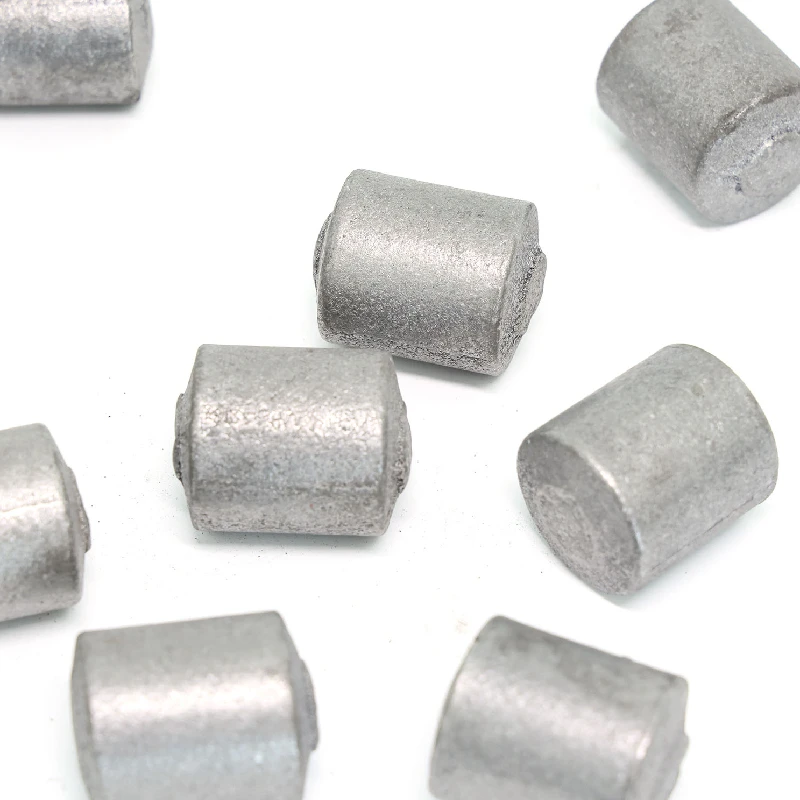
Having worked in industrial equipment for well over a decade, I’ve come to appreciate the subtle differences that can make or break a project. One tool that’s often overlooked — or simply referred to by confusing names — is the Schleifmittelzylpebs. Oddly enough, this term isn’t widely known outside German-speaking circles, but it translates broadly to abrasive grinding cylinders, which play a pivotal role in surface finishing processes across many sectors.
In real terms, these cylindrical grinding abrasives are everywhere: metal fabrication shops, automotive repair, even precision electronics. Their design and material composition often dictate how efficiently you can go from rough stock to smooth surface. I remember one project where swapping out an average Schleifmittelzylpebs for a higher-grade aluminum oxide version shaved off hours from the finishing phase — a huge win when you’re working against tight deadlines.
But what makes these abrasives stand out? How do you select the right type? And what should you look for when choosing a supplier? Let’s dive into those aspects.
Design & Materials: The Heart of Schleifmittelzylpebs
Most Schleifmittelzylpebs are made by bonding abrasive grains like aluminum oxide, silicon carbide, or ceramic on a cylindrical base. The grain size can vary widely, influencing the surface finish from coarse stripping to ultra-fine polishing. You’ll often see nylon or metal cores providing the needed rigidity, paired with resin or vitrified bonds that hold the abrasive in place.
It’s fascinating how each manufacturer tweaks the mix. For instance, some 'green' ceramic abrasives promise longer life but might be a bit pricier upfront. I’ve noticed seasoned engineers prefer them anyway — the initial cost gets balanced out by fewer replacements and more consistent finishes.
| Parameter | Specification |
|---|---|
| Abrasive Type | Aluminum oxide, Silicon carbide |
| Bonding System | Resin, Vitrified |
| Grit Range | 36 - 320 |
| Core Material | Nylon, Steel |
| Max Operating Speed | 80 m/s |
Choosing Between Vendors: What Experience Tells Us
Not all Schleifmittelzylpebs are created equal — though many vendors might say otherwise. Frankly, the difference often lies in quality control and the consistency of raw materials. In my years, I’ve worked with several suppliers, but a few stand out for reliability and customization options.
Below is a comparison table I prepared based on testing batch samples and feedback from field engineers:
| Vendor | Material Quality | Customization | Lead Time | Price Level |
|---|---|---|---|---|
| CD Chengda | High-grade ceramics & aluminum oxide | Full tailored grit & bonding types | 2-3 weeks | Moderate |
| Generic Supplier A | Standard aluminum oxide | Limited | 1-2 weeks | Low |
| Premium Abrasives Co. | Top-tier ceramics | Extensive | 4-6 weeks | High |
A Small Anecdote from the Field
I once saw a jobsite racing the clock to finish automotive parts on a worn-out abrasive cylinder. When they swapped in a freshly ordered Schleifmittelzylpebs, productivity jumped visibly. The surface finish was more uniform too, reducing post-process rework. So it really pays off to pick the right abrasive — and sometimes even more to pick a trustworthy partner who can tweak the specs exactly for your needs.
In conclusion, these grinding cylinders might sound like simple parts, but they’re the unsung heroes behind countless industrial finishes. If you’re looking to improve quality or workflow, starting with your abrasive tooling makes real sense. I suppose after years working hands-on, I’ve grown to appreciate just how much one good Schleifmittelzylpebs can shift your whole operation.
Takeaway: When surface finish really matters, starting with the right abrasive cylinder—customized and tested—is half the battle won.
References:
1. Manufacturer product data sheets – CD Chengda
2. Industry workshops and hands-on engineering feedback 2015–2023
3. “Abrasive Technologies in Modern Manufacturing,” Journal of Surface Engineering, 2020
-
Optimize Industrial Milling with High Quality мелющие тела
NewsJul.01,2026
-
High Performance шлифовальные шары для добычи полезных ископаемых
NewsJun.29,2026
-
Industrial Efficiency Guide for выбор размера мелющих шаров
NewsJun.27,2026
-
High Performance шары мелющих тел из кованой стали Grinding Balls
NewsJun.26,2026
-
High Efficiency Industrial кованые мелющие тела Grinding Media
NewsJun.25,2026
-
Guide to Manganese Alloy Steel Properties and Applications
NewsJun.23,2026