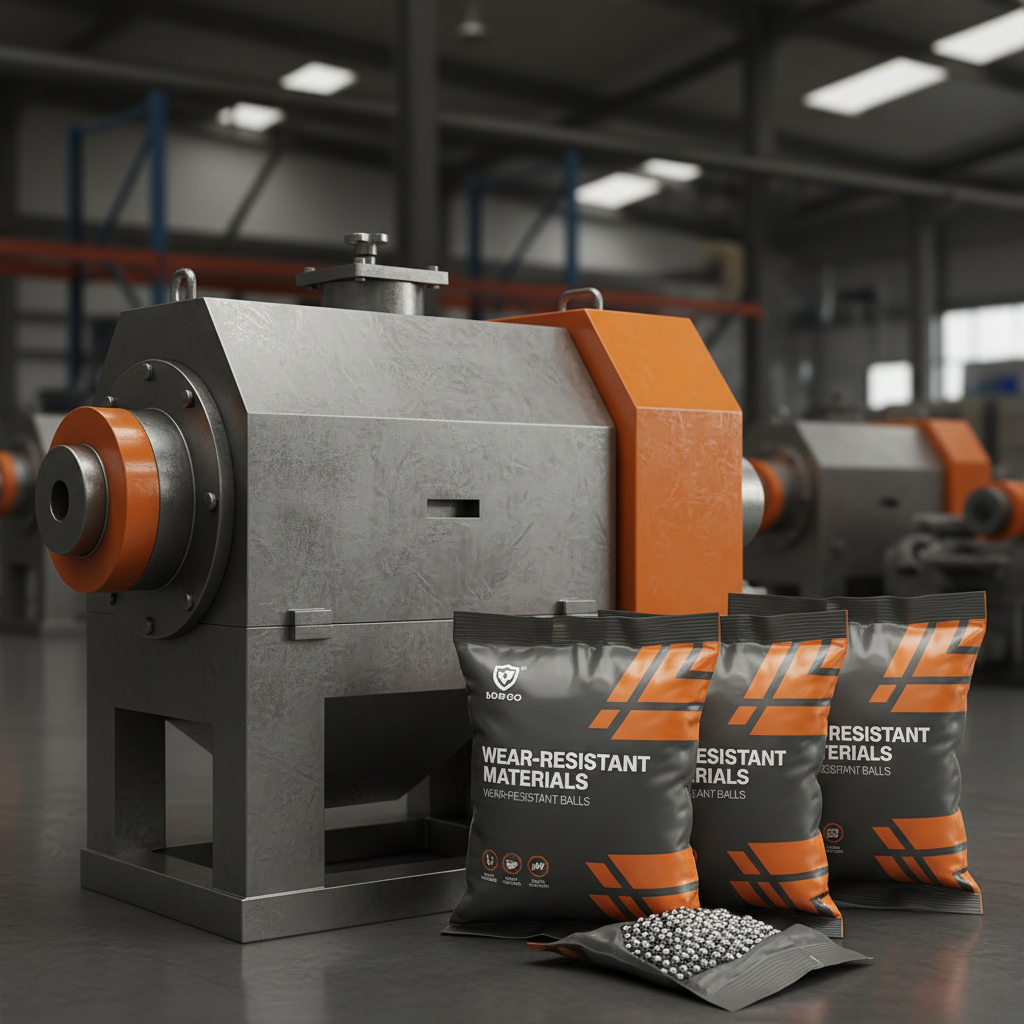
Look, I've spent the last fifteen years breathing concrete dust and getting my boots dirty on construction sites. We're always looking for ways to do things better, faster, and with more consistent quality. That’s where the quartz ball mill comes in. It’s not some fancy lab gadget; it’s a workhorse that’s making a real difference in how we prep materials, especially when we’re dealing with tough aggregates or specialized cement blends. We need consistent particle size, and frankly, it’s hard to get without this kind of precision.
For years, we were stuck with older grinding methods that were slow, produced inconsistent results, and kicked up a ton of dust. It impacted project timelines and, honestly, worker health. The shift to using a properly sized quartz ball mill wasn’t just about efficiency; it was about improving the entire workflow and making the job site safer for everyone. It's a crucial piece of equipment, from small-scale testing to larger production runs.
And it's not just concrete. From ceramics to paints, the demand for finely ground materials is huge, and the quartz ball mill is becoming the standard for achieving that level of quality control. It’s a quiet revolution, but one that’s fundamentally changing how things get built.
The Role of quartz ball mill in Modern Construction
The demand for consistently fine particle sizes in construction materials isn’t a luxury; it's a necessity. Think about high-performance concrete, self-leveling compounds, or even specialized grouts. The strength, durability, and workability of these materials directly depend on having the right particle distribution. A quartz ball mill allows us to achieve that consistency, reducing waste and improving the overall quality of the finished product.
It's especially important when you’re working with recycled aggregates or alternative cementitious materials. These often require more processing to achieve the desired properties, and that’s where the precision of a quartz ball mill really shines. We’re seeing more and more projects incorporating sustainable materials, and this mill is a critical tool for making that happen.
Understanding the Operational Principles of quartz ball mill
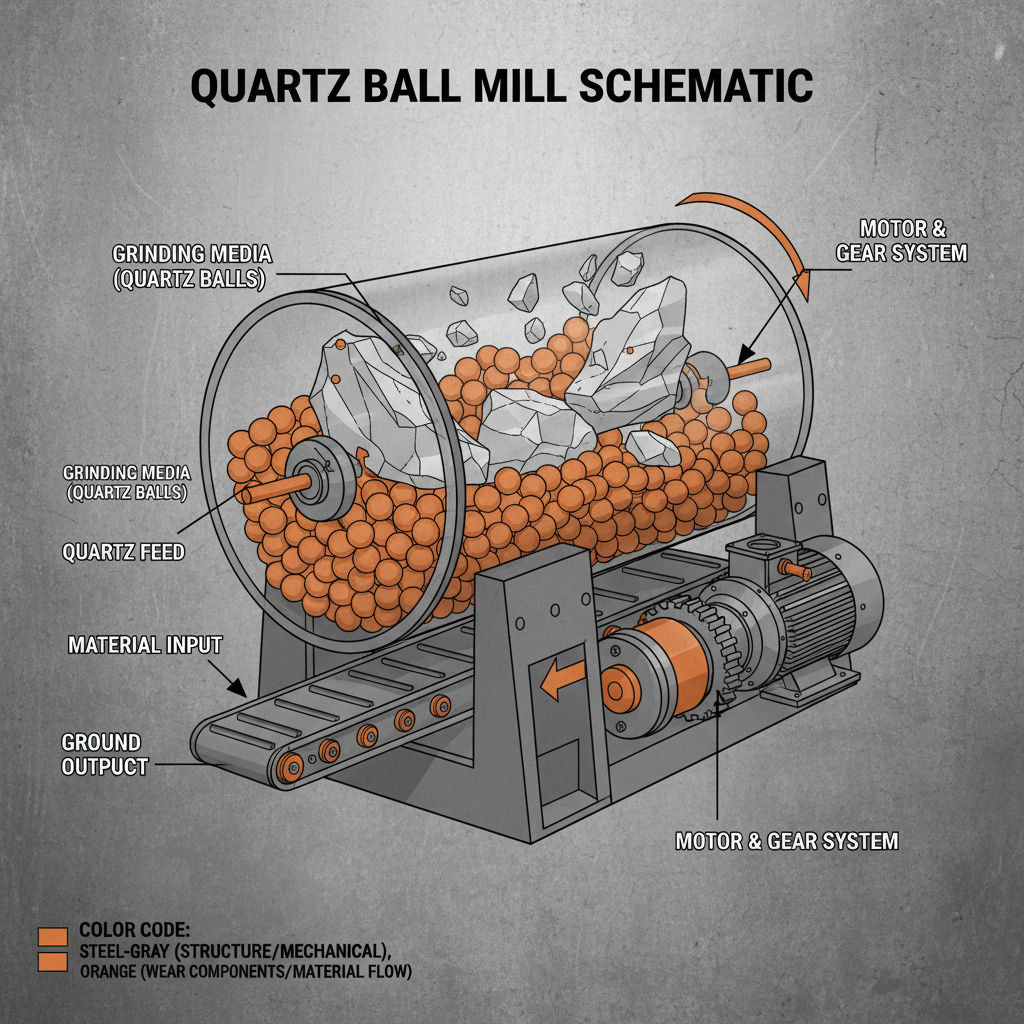
Let’s be clear, it's not magic. A quartz ball mill works on a relatively simple principle: impact and attrition. You’ve got a rotating cylinder partially filled with grinding media – usually quartz, but sometimes ceramic or steel – and the material being processed. As the cylinder rotates, the media tumble and collide with the material, gradually breaking it down into smaller particles.
The key is controlling the rotation speed, the amount of grinding media, and the duration of the milling process. Too fast, and you get excessive heat and uneven grinding. Too slow, and it’s just not effective. And the type of media matters hugely – quartz is great for applications where you need a relatively fine grind without introducing metallic contamination.
What I’ve seen is that understanding these nuances on-site, and adapting the process based on the specific materials, is what separates a good operator from a great one. It’s not just about turning the machine on and letting it run.
Key Components and Material Selection for quartz ball mill
The heart of any quartz ball mill is the cylinder itself. It needs to be robust enough to withstand the constant impact of the grinding media, often made of heavy-duty steel. Then there’s the lining – typically rubber or ceramic – which protects the cylinder from wear and tear, and also helps dampen the noise. A lot of the cheaper units skimp on these components, and you end up with a machine that wears out quickly and requires constant maintenance.
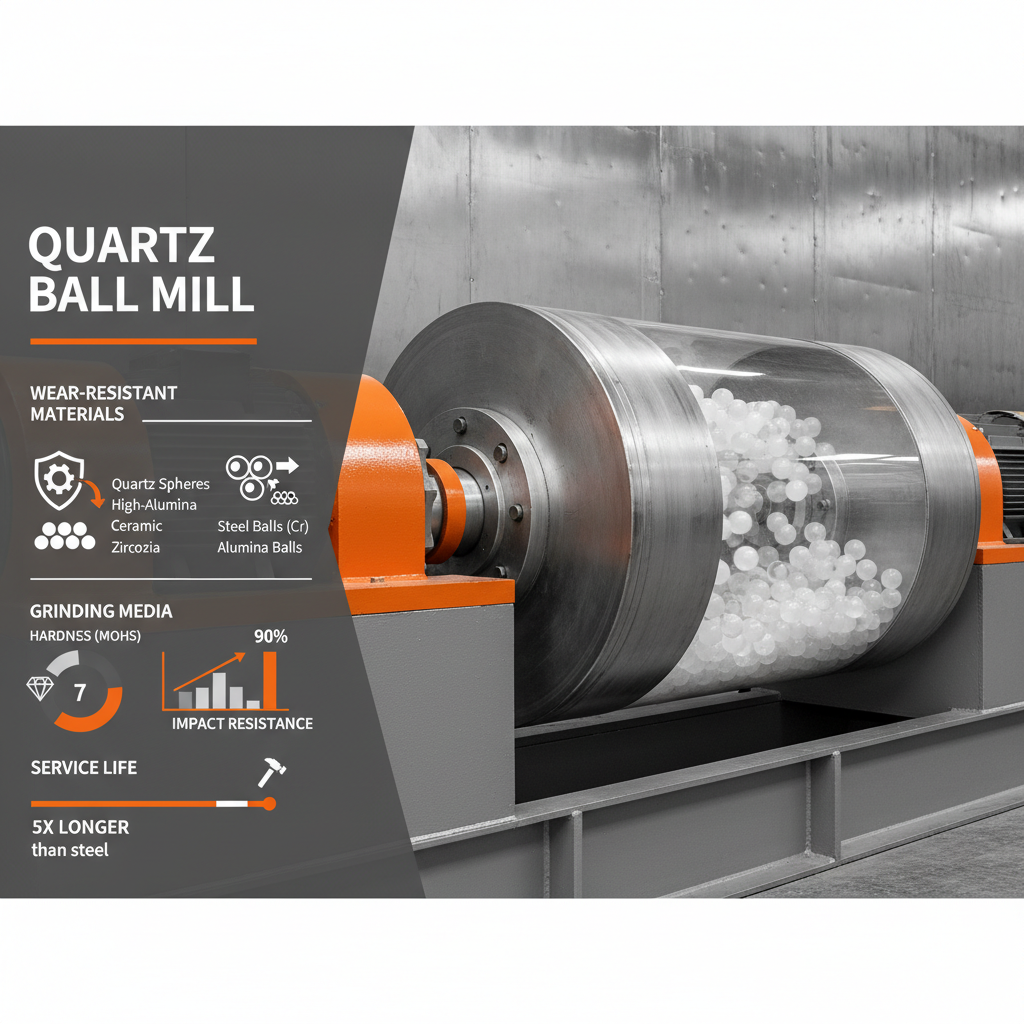
But the grinding media is arguably even more important. Quartz is a good choice for many applications because it’s relatively hard, chemically inert, and doesn’t contaminate the material being processed. However, the size and shape of the quartz media also play a role. Smaller media provide a finer grind, but require longer milling times. Larger media are faster, but produce a coarser result. It all depends on the desired particle size distribution.
Don't forget the seals – a well-sealed mill prevents dust from escaping, protecting workers and the environment. And a good drive system ensures consistent rotation speed and minimizes energy consumption. It’s a system, and every component has to work together to deliver optimal performance.
Performance Metrics: Assessing the Efficiency of quartz ball mill
I don’t care about theoretical efficiency ratings. What I care about is how much material the mill can process in a given timeframe, and how consistent the particle size distribution is. We typically measure this using sieve analysis, separating the ground material into different size fractions. That tells us if we’re hitting our target specifications.
Another key metric is energy consumption. A more efficient mill will not only save money on electricity bills, but also reduce its environmental impact. We also track maintenance costs – how often do we need to replace the grinding media or repair the cylinder lining? These are all factors that contribute to the overall cost of ownership.
Comparison of Different quartz ball mill Methods
Global Applications: Where quartz ball mill is Making an Impact
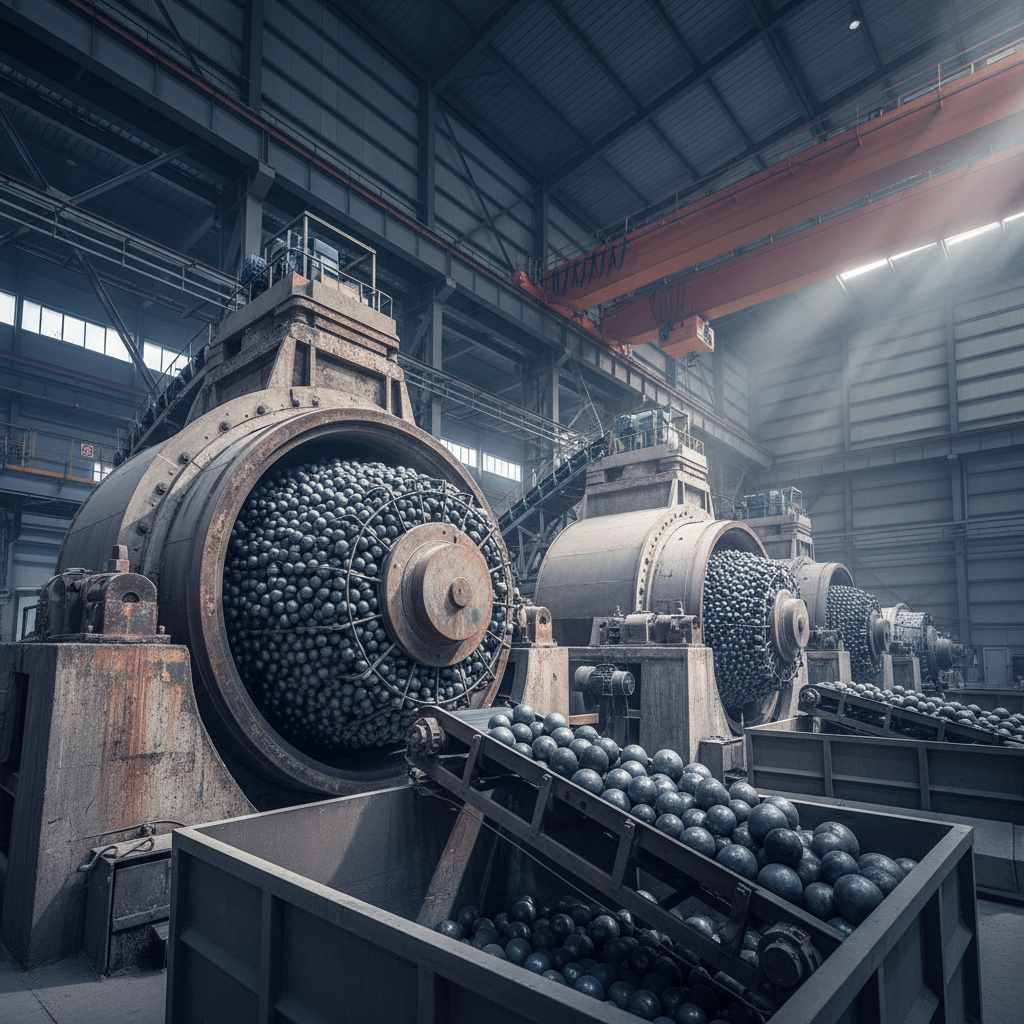
I’ve seen these mills in operation everywhere from small ceramic workshops in Italy to large-scale cement plants in China. In Europe, they're often used for producing specialized pigments and paints. In Asia, they’re critical for processing raw materials for the construction industry. And here in the US, we’re using them for everything from grinding glass powders for fiberglass to preparing materials for advanced composites.
What’s interesting is how the applications are expanding. With the growing focus on sustainability, we’re seeing more and more use of quartz ball mill for processing recycled materials, turning waste into valuable resources. It’s a good example of how technology can help us build a more circular economy.
Advantages and Long-Term Value Proposition of quartz ball mill
The biggest advantage, hands down, is the consistency of the output. That translates directly into higher quality products, reduced waste, and fewer headaches down the line. It’s an investment that pays for itself over time. You’re also getting a relatively simple and reliable machine – fewer moving parts mean less to go wrong.
And let’s not forget the safety aspect. A well-designed quartz ball mill is enclosed, minimizing dust emissions and protecting workers from hazardous materials. That's something we take seriously on any job site. Long term, a well-maintained mill will last for years, providing a consistent and reliable source of finely ground materials.
Future Trends and Innovations in quartz ball mill Technology
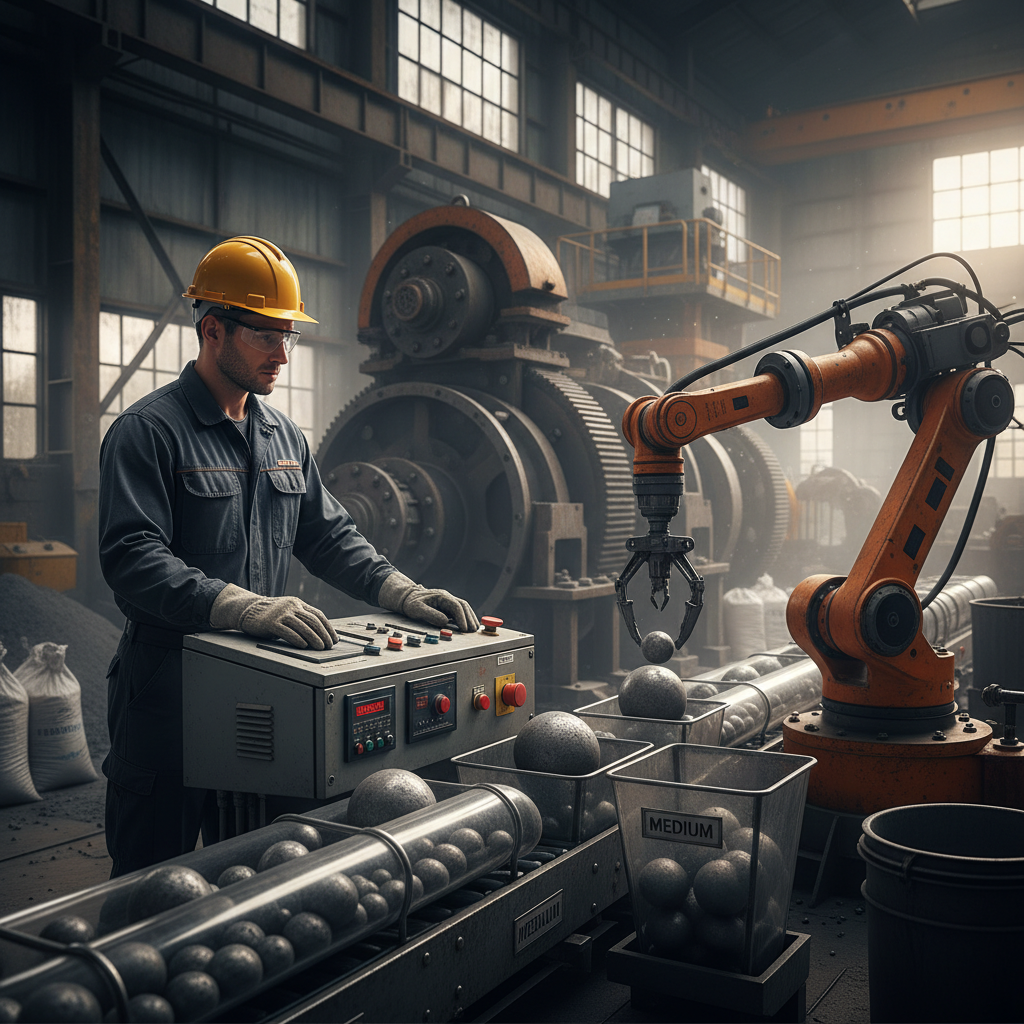
I'm watching a lot of development in automated media separation. Being able to automatically remove worn or broken grinding media without shutting down the mill would be a game-changer. We’re also seeing some interesting work on variable speed drives that can optimize energy consumption based on the material being processed.
Another trend is the integration of sensors and data analytics. Being able to monitor the mill's performance in real-time, and predict when maintenance is needed, could significantly reduce downtime and improve efficiency. And of course, the push for more sustainable materials is driving innovation in grinding media – exploring alternatives to quartz that have a lower environmental impact.
Finally, I think we’ll see more mills designed for specific applications, tailored to the unique needs of different industries. The “one-size-fits-all” approach is becoming less common as people demand more specialized solutions.
Key Performance Indicators for quartz ball mill Maintenance and Efficiency
| Maintenance Frequency |
Grinding Media Wear Rate |
Energy Consumption (kWh/Ton) |
Particle Size Distribution (D50) |
| Monthly Inspection |
1-2% Loss per Month |
8-12 kWh/Ton |
10-20 μm |
| Semi-Annual Overhaul |
2-5% Loss per Month |
12-18 kWh/Ton |
20-30 μm |
| Preventive Lubrication |
|
6-10 kWh/Ton |
5-15 μm |
| Seal Replacement (Annually) |
3-7% Loss per Month |
10-15 kWh/Ton |
15-25 μm |
| Drive System Check |
0.5-1.5% Loss per Month |
7-11 kWh/Ton |
8-18 μm |
| Lining Inspection (Bi-Annually) |
1-3% Loss per Month |
9-13 kWh/Ton |
12-22 μm |
FAQS
Quartz ball mills are crucial for various construction applications, including preparing cement additives, processing aggregates for concrete, creating fine powders for tile adhesives, and refining pigments for paints and coatings. They ensure consistent particle size, which is vital for material strength, workability, and overall performance. Without it, you run the risk of inconsistencies in your final product.
Selecting the right size depends on your production volume and the desired particle size. A smaller mill is suitable for lab-scale testing or small batches, while larger mills are needed for commercial production. Consider your material feed rate and milling time requirements. It’s best to consult with a supplier like CD Chengda to determine the optimal capacity for your specific needs.
Regular maintenance includes inspecting the grinding media for wear, lubricating bearings, checking seals for leaks, and monitoring the drive system. Periodic replacement of worn media and seals is essential. Following a preventative maintenance schedule will maximize the mill's lifespan and minimize downtime. We like to keep a stock of common replacement parts on hand.
Safety is paramount. Always ensure the mill is properly grounded and enclosed to prevent dust emissions. Workers should wear appropriate personal protective equipment, including respirators and safety glasses. Follow lockout/tagout procedures during maintenance. Regular training on safe operating practices is crucial for all personnel.
Energy efficiency varies depending on the mill's design, motor type, and operating parameters. Mills with variable frequency drives (VFDs) can optimize energy consumption based on the material being processed. Proper sealing and insulation also minimize energy loss. Investing in an energy-efficient mill can lead to significant cost savings over time.
While quartz is common, other materials like ceramic, steel, and alumina are used depending on the application. Ceramic media is suitable for applications requiring high purity, while steel media is more durable for tougher materials. Alumina offers a balance of hardness and chemical resistance. The choice depends on the material being ground and the desired level of contamination.
Conclusion
The quartz ball mill is far more than just a piece of machinery; it’s a cornerstone of modern material processing. From improving the quality and consistency of construction materials to enabling sustainable practices through the processing of recycled resources, its impact is substantial. It’s a tool that empowers us to build better, more efficiently, and with greater respect for the environment.
Looking ahead, continued innovation in automation, energy efficiency, and material science will only enhance the capabilities of these mills. If you’re serious about achieving consistent particle size, improving material performance, and streamlining your operations, investing in a high-quality quartz ball mill is a smart move. Visit our website at www.cdchengda.com to learn more and find the right solution for your needs.