Sand milling, at its core, is about refining particle size. It's not just a lab process; it's the backbone of countless industries – paints and coatings needing that perfect pigment dispersion, cosmetics demanding silky smoothness, even the pharmaceutical world relying on consistent drug delivery. Having spent years on construction sites, seeing materials fail because of inconsistent particle distribution, I can tell you firsthand how crucial getting this right is. It impacts durability, performance, and ultimately, the bottom line.
It's a surprisingly ancient technique, refined over decades. Early forms involved, well, actual sand! Now, we’re talking sophisticated media – zirconia, silica, even stainless steel – all chosen to optimize the breakdown of materials. I’ve seen everything from small batch operations in a workshop to massive, continuous milling systems churning out tons of product daily. What’s stayed constant is the need for precise control. It’s the unsung hero in a lot of what we build and use.
The real beauty of sand milling isn't just in what it does, but in what it enables. It allows us to unlock properties in materials we simply couldn't achieve otherwise. Think about a high-performance coating that needs to withstand extreme weather - sand milling is what gives it that edge. It’s more than just grinding things up; it's engineering at the particle level, and I've learned to respect that immensely from years of being knee-deep in the practical applications.
The Foundation of Particle Refinement
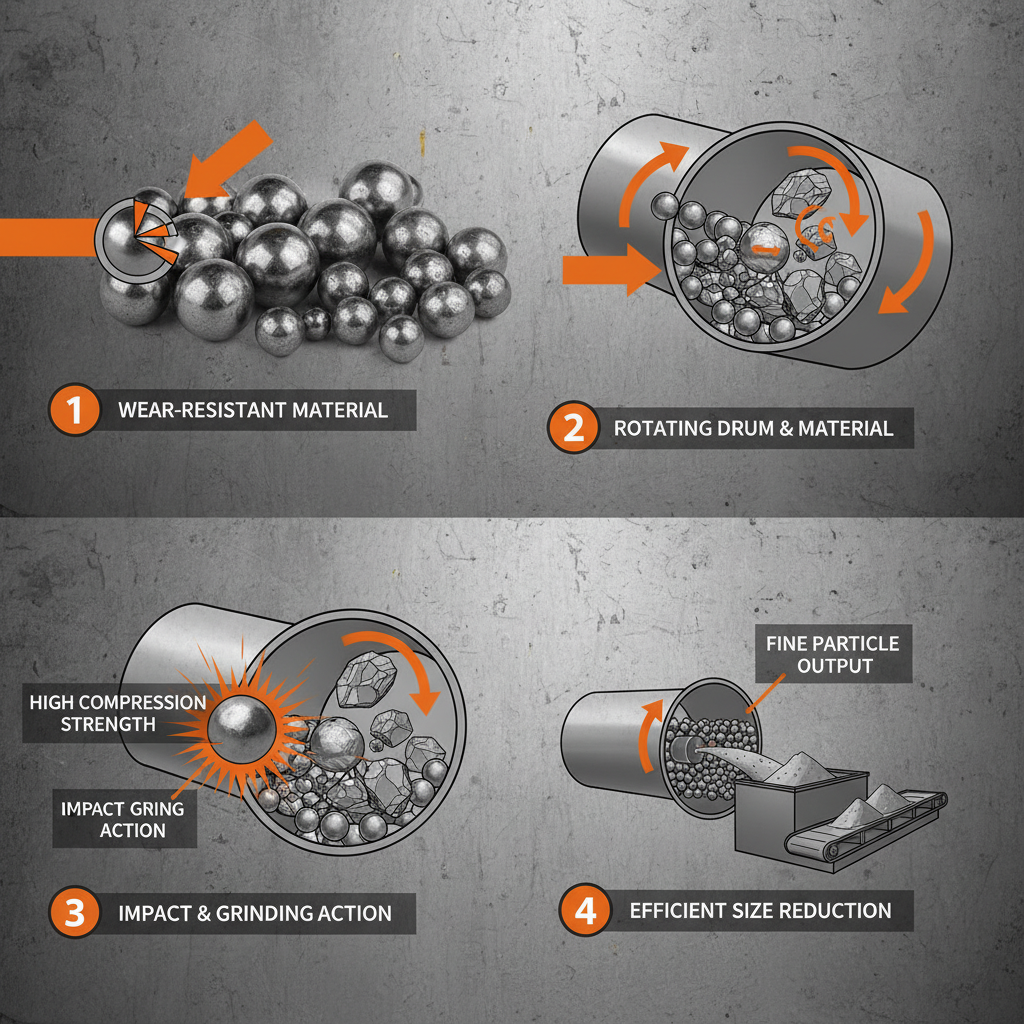
Sand milling isn’t a flashy process, but it’s a fundamental one. Think of it like preparing the foundation for a building; if that's flawed, everything built on top will suffer. At its simplest, it’s a mechanical process used to reduce the size of particles in a liquid suspension. We're talking about breaking down agglomerates – clumps of particles – into individual, evenly sized units. The resulting consistency is critical, and consistency is something you learn to appreciate after a few years watching concrete crumble because the mix wasn't right.
It’s utilized across a staggering range of industries. From the vibrant pigments in your car's paint, to the smooth texture of your sunscreen, sand milling is quietly at work. It directly influences the final product’s performance, appearance, and longevity. And trust me, as someone who's had to replace failing coatings on steel structures, longevity matters.
Historical Evolution & Modern Practice
Originally, sand milling really did involve using sand as the grinding medium – hence the name. It wasn't particularly efficient, and controlling the particle size was a real challenge. Over time, engineers started experimenting with other materials, recognizing the need for something harder and more consistent. Zirconia beads quickly became a favorite, offering superior grinding efficiency and minimal contamination.
Today’s systems are highly sophisticated, with computer-controlled feed rates, temperature regulation, and even online particle size analysis. We’ve moved beyond just “grinding” to precisely engineering particle size distributions. I’ve seen setups that adjust grinding parameters on the fly based on real-time feedback, ensuring a consistently high-quality product. This level of control is what separates the good from the great in the industry.
The evolution also reflects a growing awareness of sustainability. Recycling the milling media and minimizing waste are now key considerations in modern sand milling operations. It's not just about performance; it's about doing things responsibly, something I'm seeing more and more of on site.
Core Components of Effective Sand Milling
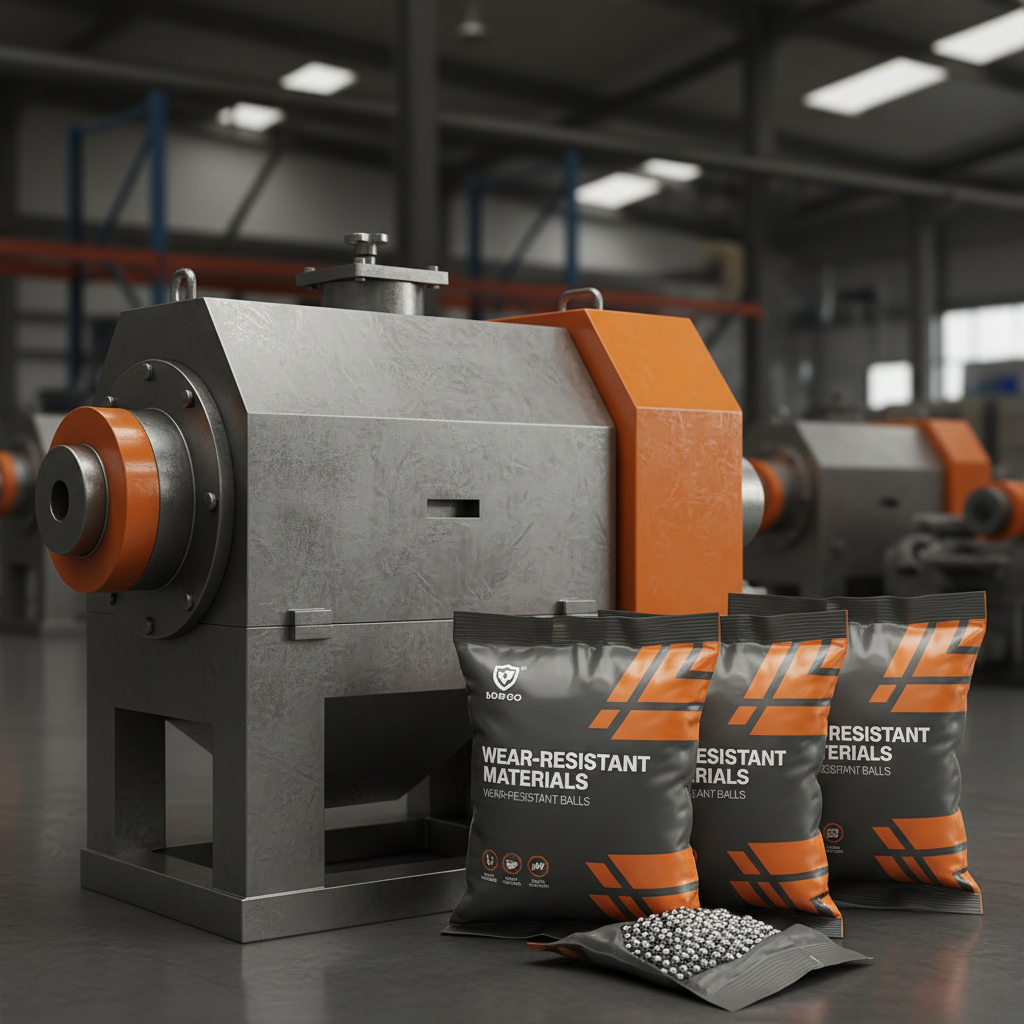
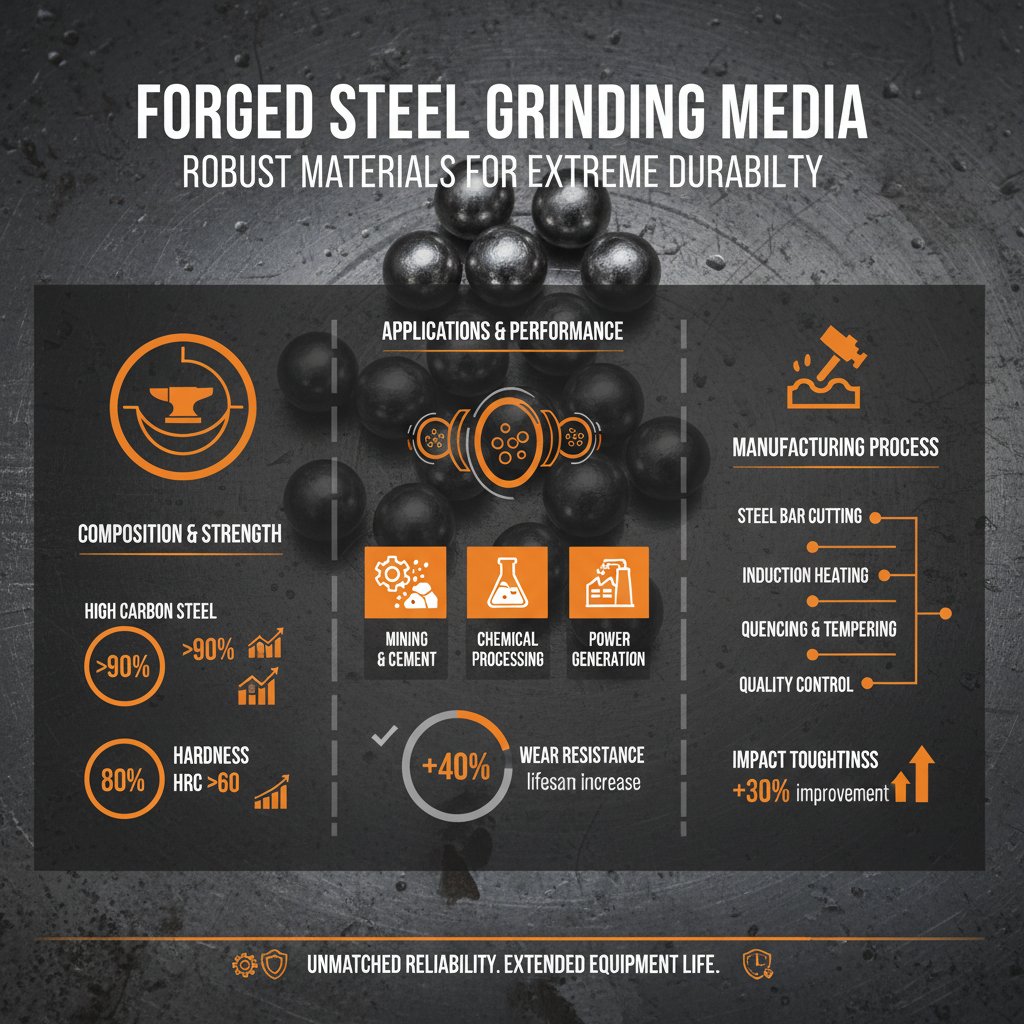
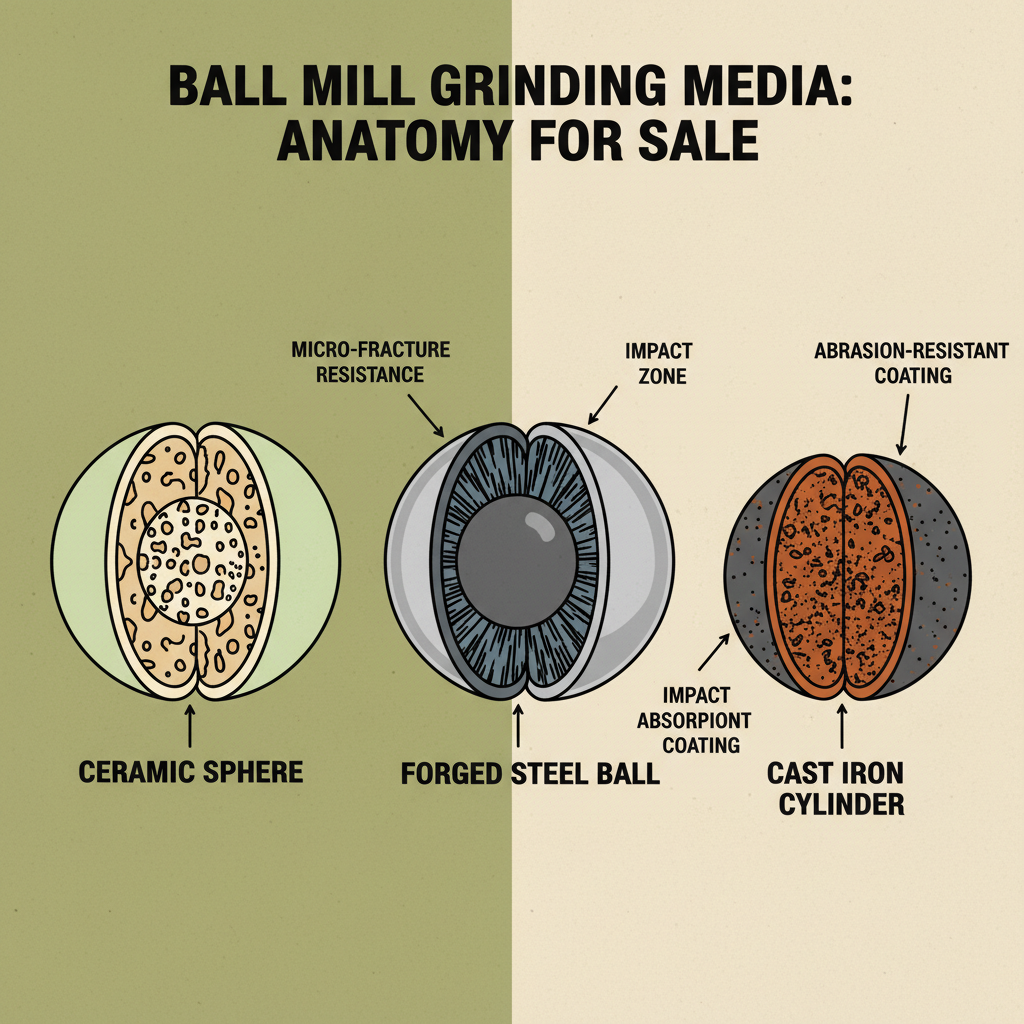
Several key elements determine the success of a sand milling operation. First is the milling media. As mentioned, zirconia is common, but silica, ceramic, and even stainless steel are used depending on the application and desired level of contamination. The size and shape of the media directly impact the grinding efficiency and final particle size.
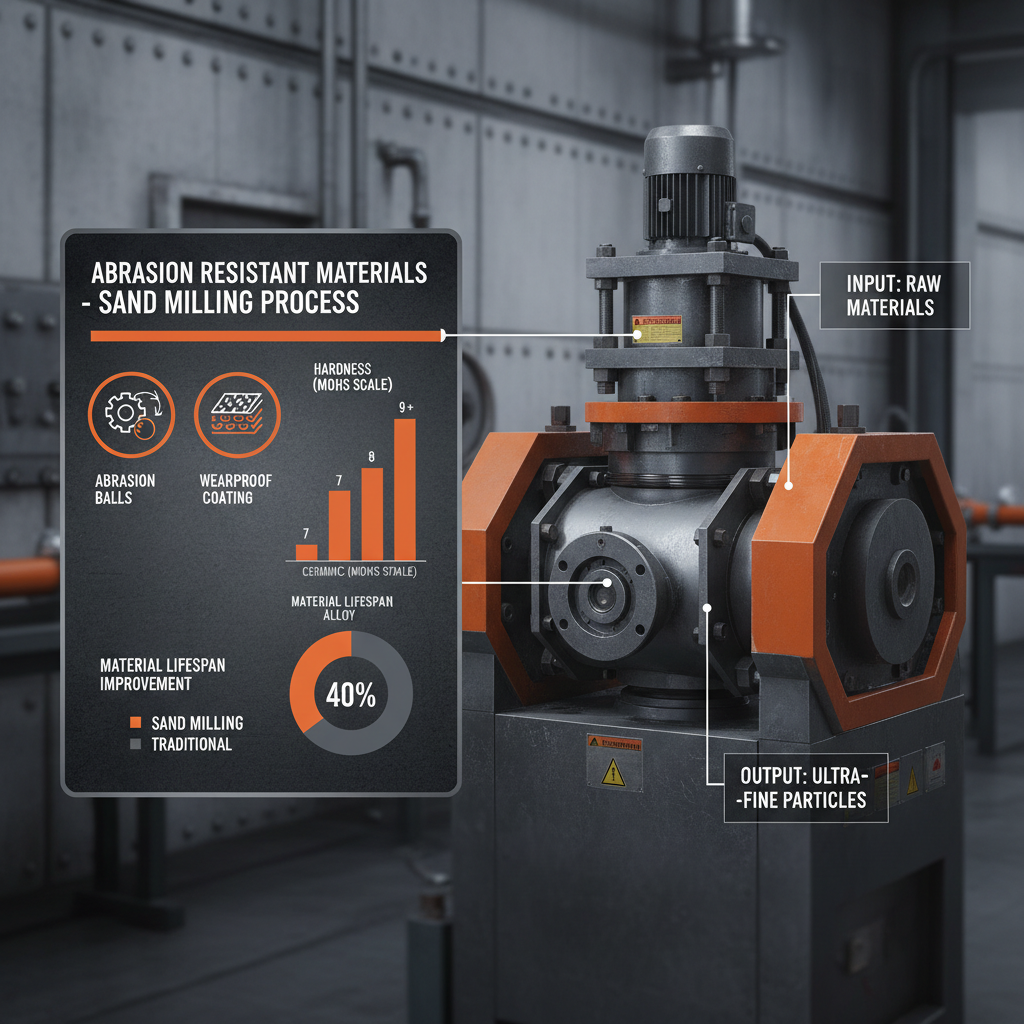
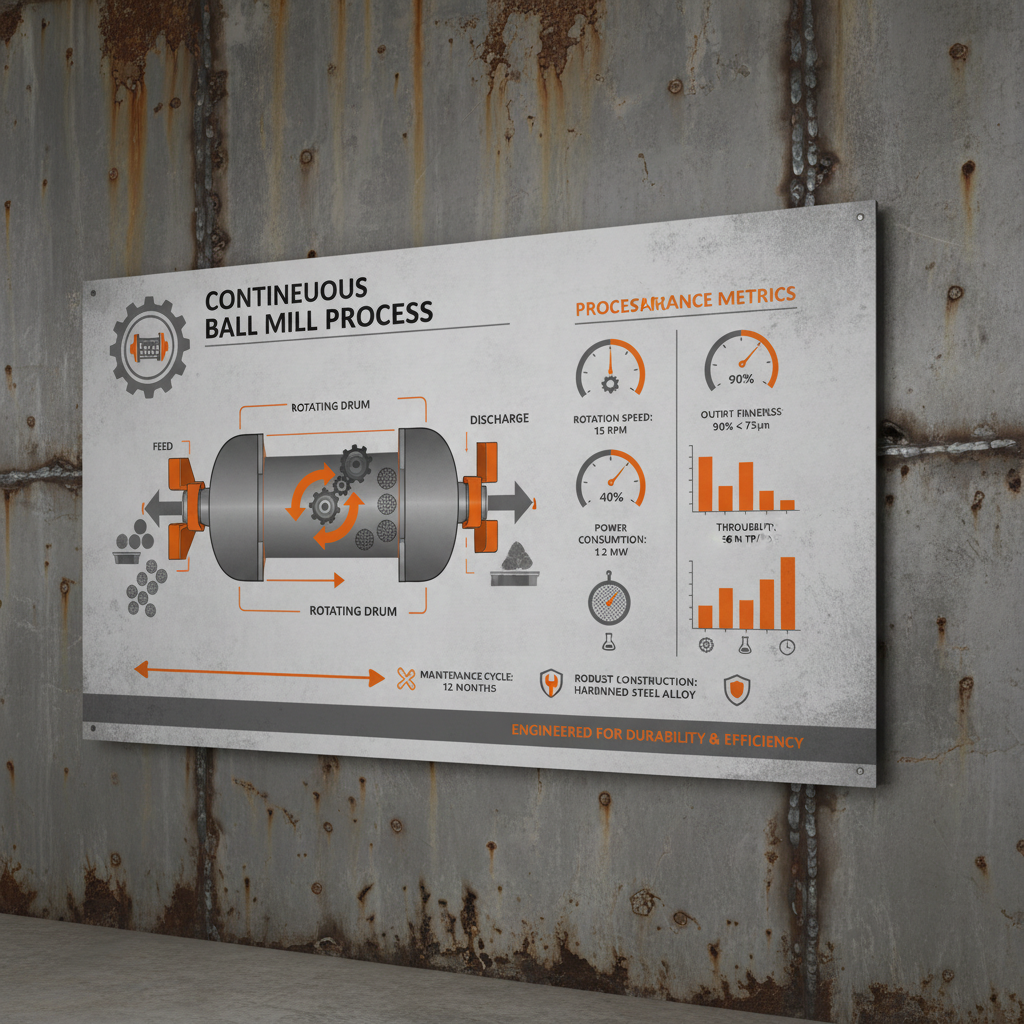
Then there's the mill design. Different mill configurations – stirred mills, tower mills, and ball mills, for example – are suited to different materials and production volumes. The choice depends heavily on viscosity, solids loading, and desired throughput. I’ve spent enough time troubleshooting jammed mills to know that proper design is crucial.
Dispersion is also critical – ensuring the particles are well-wetted and separated before milling. Additives, like surfactants, are often used to improve dispersion and prevent re-agglomeration. You can have the best mill in the world, but if your material isn’t properly dispersed, you’re wasting your time. And, of course, process control – monitoring temperature, pressure, and feed rates – is essential for maintaining consistent quality.
Finally, separation is a necessary step; removing the milling media from the milled product is vital. Filters, screens, and even magnetic separation techniques are employed to ensure a clean, particle-free end product. This seems like a small detail, but it can make or break a quality control check.
Industry Applications & Global Impact
The applications are truly vast. In the coatings industry, sand milling is essential for achieving the desired color, gloss, and durability. In cosmetics, it ensures the smooth, even texture of lotions, creams, and makeup. The pharmaceuticals sector relies on it for micronizing drugs to improve bioavailability and delivery. I've even seen it used in the production of advanced ceramics and electronic materials.
Geographically, demand is strongest in industrialized nations, but it’s rapidly growing in emerging markets like China and India, driven by expanding manufacturing sectors. We are seeing increased adoption in regions with growing infrastructure projects – needing durable coatings, high-performance materials, and advanced construction chemicals.
The impact extends beyond just product quality. Sand milling contributes to reduced material waste, improved energy efficiency, and the development of more sustainable products. In post-disaster relief operations, having readily available, durable materials processed with effective sand milling can mean the difference between temporary shelter and long-term housing.
Sand Milling Efficiency Comparison
The Advantages of Precision Particle Size Control
Achieving precise particle size control isn’t just about aesthetics. It directly translates to tangible benefits. Improved product performance is the biggest one. A properly milled pigment will offer brighter, more vibrant colors. A uniformly sized pharmaceutical ingredient will dissolve more effectively, leading to better drug absorption. These aren't just theoretical advantages; they're real-world improvements that impact lives.
From a cost perspective, efficient sand milling reduces material waste and lowers energy consumption. And sustainability is a growing concern – smaller particle sizes can often lead to reduced VOC emissions in coatings, contributing to a healthier environment. It’s about optimizing processes and maximizing value.
Emerging Trends & Future Innovations
We’re seeing a strong push towards more energy-efficient milling technologies, like high-pressure homogenization and ultrasonic milling. These methods offer finer particle size control with reduced energy input. Another trend is the integration of artificial intelligence and machine learning to optimize milling parameters in real-time.
The development of new milling media – materials with enhanced hardness, wear resistance, and chemical compatibility – is also ongoing. And finally, there’s a growing focus on closed-loop milling systems that minimize waste and maximize resource utilization. It’s a constantly evolving field, and staying ahead requires continuous learning.
Common Challenges and Practical Solutions
One of the biggest challenges is dealing with highly viscous materials. Getting adequate dispersion and preventing media clogging can be tough. The solution? Pre-mixing with appropriate solvents or additives, and carefully selecting a mill design optimized for high-viscosity applications.
Contamination is another concern, particularly when milling sensitive materials. Using high-purity milling media, implementing rigorous cleaning protocols, and employing closed-loop systems are essential. And, of course, wear and tear on the milling media is inevitable. Regular inspection and replacement are crucial to maintaining consistent performance. I always tell my teams, preventative maintenance is cheaper than a catastrophic failure.
Finally, scaling up from lab-scale to production-scale can be tricky. Maintaining consistent particle size distribution across larger volumes requires careful optimization of process parameters and mill design. It’s a lesson I’ve learned the hard way – what works in the lab doesn’t always translate directly to the plant floor.
Summary of Sand Milling Challenges and Solutions
| Challenge |
Impact on Sand Milling |
Proposed Solution |
Implementation Complexity (1-5) |
| High Material Viscosity |
Reduced milling efficiency, media clogging |
Pre-mixing, optimized mill design |
3 |
| Material Contamination |
Compromised product quality, regulatory issues |
High-purity media, rigorous cleaning, closed-loop systems |
4 |
| Media Wear and Tear |
Inconsistent particle size, product defects |
Regular inspection, timely media replacement |
2 |
| Scale-Up Challenges |
Variations in particle size, process instability |
Parameter optimization, mill design adjustments |
5 |
| Energy Consumption |
High operational costs, environmental impact |
Energy-efficient milling technologies |
3 |
| Dispersion Issues |
Agglomeration, reduced milling efficiency |
Surfactants, optimized mixing |
2 |
FAQS
The lifespan of milling media varies significantly based on the material being milled and the intensity of use. Softer materials will cause faster wear. Generally, zirconia media can last anywhere from 200 to 1000+ hours of continuous operation. Regular monitoring and visual inspection are crucial to determine when replacement is needed. Replacing worn media ensures consistent milling performance and prevents contamination.
Choosing the right milling media depends on several factors: the hardness of the material being milled, the desired particle size, the level of contamination tolerance, and your budget. Zirconia is a versatile option for many applications, while silica is often used for less abrasive materials. Stainless steel is suitable when minimal contamination is required. Consider the media's density and shape as well – these factors impact grinding efficiency.
Sand mills operate at high speeds and generate significant heat. Always wear appropriate personal protective equipment (PPE), including safety glasses, gloves, and hearing protection. Ensure the mill is properly grounded and ventilated. Never operate a mill with missing guards or safety features. Regularly inspect the mill for leaks or damage. Follow the manufacturer’s safety guidelines meticulously.
Particle size distribution is paramount. A narrow distribution – meaning particles are all roughly the same size – often leads to superior product performance. For coatings, it impacts gloss, opacity, and durability. In pharmaceuticals, it affects drug dissolution rate and bioavailability. Controlling particle size distribution ensures consistent product quality and predictable behavior.
Signs of an inefficient process include inconsistent particle size, excessive heat generation, frequent media clogging, and prolonged milling times. You might also see an increase in material waste or a decrease in product quality. These are indicators that process parameters need to be adjusted, the milling media needs replacing, or the mill itself requires maintenance.
Yes, but careful consideration is required. Heat generated during milling can degrade heat-sensitive materials. Employing cooling systems, reducing milling speed, and using appropriate milling media can help mitigate this issue. Short milling times and efficient heat dissipation are also crucial. Some applications benefit from using cryogenic milling to maintain material integrity.
Conclusion
Sand milling, while often unseen, is a critical enabling technology across a vast array of industries. From ensuring the durability of coatings to enhancing the performance of pharmaceuticals, the ability to precisely control particle size is fundamental to modern manufacturing. Understanding the core principles, emerging trends, and practical challenges of sand milling is essential for anyone involved in materials science, product development, or process optimization.
Looking ahead, the focus will continue to be on efficiency, sustainability, and automation. The integration of AI and machine learning will undoubtedly revolutionize the field, allowing for even greater control and optimization. I encourage anyone working with particle size reduction to stay informed about these advancements and invest in technologies that prioritize quality, performance, and environmental responsibility. For more information and expert solutions, visit our website: sand milling.