Jan . 02, 2026 03:50 Back to list
Tipos de placas de revestimiento: Guide to Wear Plates for Industrial Use
Tipos de placas de revestimiento: choosing the right wear plate for your project
Having spent more than a decade in the industrial equipment sector, especially around heavy machinery and material handling, I still find the topic of tipos de placas de revestimiento quite fascinating. You’d think it's pretty straightforward – just a steel plate bolted on to reduce wear, right? But honestly, it’s a bit more nuanced than that.
The right wear plate can literally be the difference between costly downtime and smooth operation. Over the years, I’ve seen warehouses halt operations because a seemingly simple part wore through. My takeaway? Not all wear plates are created equal.
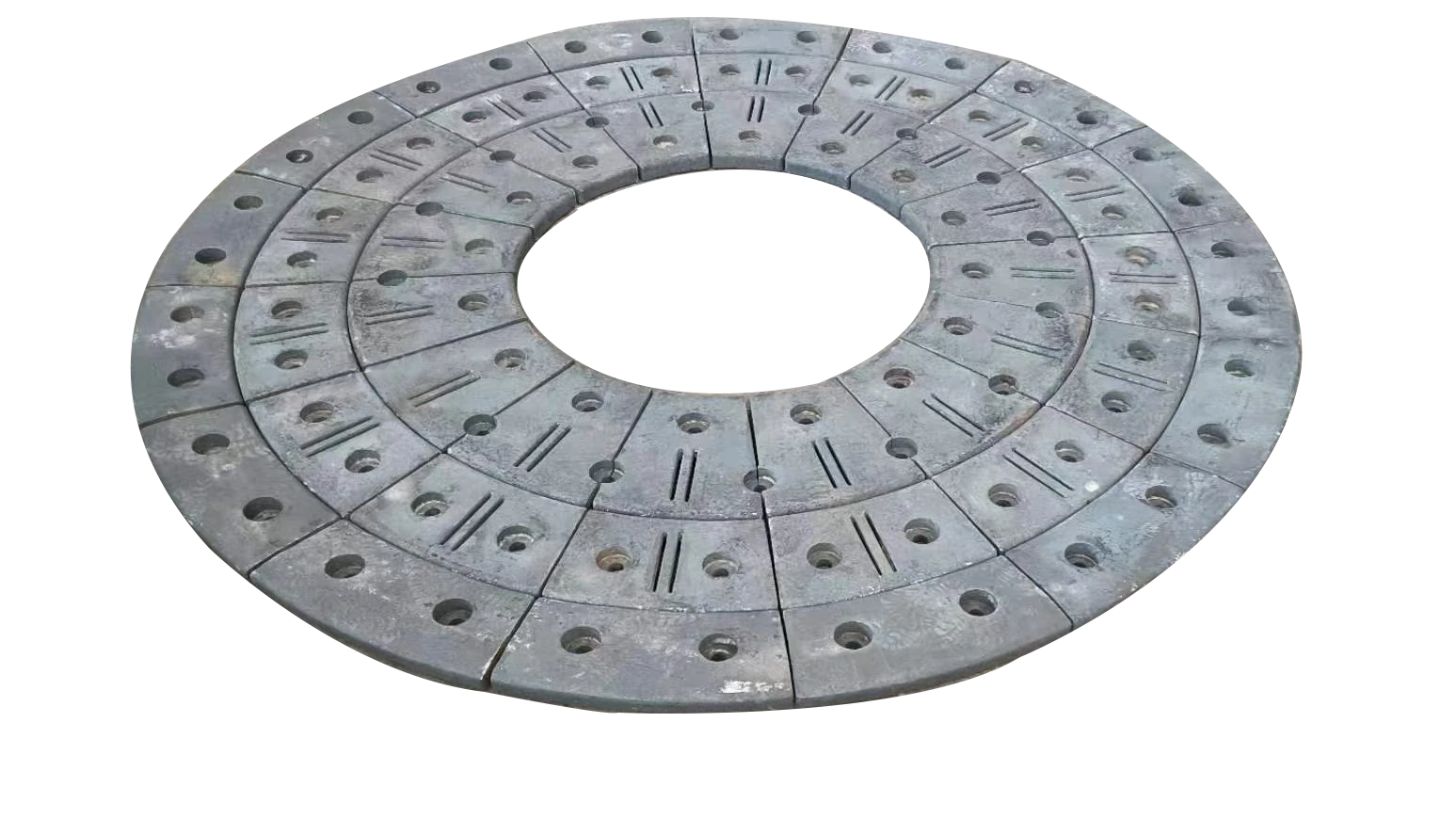
So, what exactly are these “tipos de placas de revestimiento”? They're essentially types of wear-resistant plates used to protect surfaces from abrasion, corrosion, and impact in rough industrial environments. Different industries – mining, cement, or steel fabrication – each have slightly different demands, so the plates vary accordingly.
Material choices and why they matter
Most of these plates are made from various grades of abrasion-resistant steel. For example, AR400 and AR500 are pretty standard in the US market, but if you’re sourcing globally, you’ll find other grades such as NM450 or HARDOX. Among these, HARDOX plates often get raved about because of their balanced toughness and hardness. I noticed they hold up better in impact-heavy environments, like rock crushers or earthmoving equipment.
Then there are composite plates, which combine layers of different materials to give you a blend of properties – such as a hard outer shell with a tougher backing plate. Frankly, when dealing with highly abrasive materials, these can outperform simple steel plates by a good margin.
Common types of wear plates and their applications
Here’s a quick rundown based on my field experience:
- AR (Abrasion-Resistant) Steel Plates: Good for moderate impact and high abrasion, widely used.
- Hardox Plates: Premium wear plates, used where abrasion resistance is critical and the material faces impact.
- Rubber Lined Plates: For applications needing some cushioning or noise reduction.
- Composite/Clad Plates: Suitable for ultra-high abrasion and corrosion environments.
| Type | Hardness (HBW) | Thickness (mm) | Impact Toughness (J) |
|---|---|---|---|
| AR400 Steel | 370 - 440 | 6 - 50 | 15 - 25 |
| HARDOX 450 | 425 - 475 | 3 - 60 | 20 - 30 |
| NM450 Steel | 430 - 480 | 5 - 40 | 18 - 25 |
Choosing the right supplier: a quick comparison
Something I learned the hard way is that the specs on paper often differ from what shows up on-site. So, it’s worth comparing vendors carefully. Here’s a simple table I put together comparing three well-known suppliers in the wear plate market:
| Vendor | Material Range | Customization | Delivery Speed | Price Range |
|---|---|---|---|---|
| Chengda Steel | AR Steel, HARDOX, Composite | High - custom sizes & grades | 2-4 weeks | Competitive |
| SteelCo | AR Steel, NM Series | Moderate - standard sizes | 3-6 weeks | Mid-range |
| Global WearTech | HARDOX, Composite Only | High - custom production | 4-8 weeks | Premium |
Oddly enough, I remember one project on a mining site where switching from a cheaper AR steel plate supplier to a company like Chengda Steel cut down equipment maintenance intervals by almost 30%. The plates lasted longer, the fit was precise, and honestly, it felt like the whole operation breathed easier with less unexpected downtime.
Customization, testing, and certification
In real terms, one of the biggest advantages I’ve seen with reputable vendors is their willingness to customize. Thicknesses, dimensions, coatings, even pre-drilled holes—custom plates save installation time and reduce error margins, especially for large industrial machines.
Testing procedures are equally important. High-quality wear plates usually come with certifications for hardness, chemical composition, and impact tests. If a supplier can’t provide documented testing results, that’s a red flag in my opinion.
Use cases often dictate the choice: chiseling hammers in quarries need plates that resist heavy impacts. Bulk material feeders may face more abrasion than impact. Knowing the environment and workload guides you to that sweet spot of plate selection.
So, while this topic might feel a bit technical—tipos de placas de revestimiento really come alive when you see them at work. It’s as much about material science as it is about practical engineering and experience.
Anyway, next time you walk past a massive piece of industrial equipment, take a moment to think about the humble wear plate doing its behind-the-scenes job. It’s kind of the unsung hero in harsh operations.
A final thought: investing in the right wear plates upfront isn’t just cost-saving – it’s peace of mind.
References:
- Industry Wear Plate Standards - ASTM A576, EN 10029
- HARDOX Wear Plate Technical Bulletin, SSAB Steel
- Mining Equipment Maintenance Reports, Various Field Studies 2015-2023
-
Industrial Guide to Ferro Manganese Medium Carbon for Steel Production
NewsApr.16,2026
-
Professional Guide and Best Practices for drilling manganese steel
NewsApr.09,2026
-
Comprehensive Guide to DIN 1.3401 Stainless Steel Properties and Applications
NewsApr.07,2026
-
Optimizing Crusher Performance with Durable Manganese Alloys and Steel
NewsApr.04,2026
-
Comprehensive Guide to Chrome Manganese Steel Properties and Industrial Applications
NewsMar.31,2026
-
Understanding the Properties and Applications of Cast Manganese Steel
NewsMar.28,2026