Jan . 01, 2026 04:00 Back to list
Tipos de revestimientos en molino de cemento – Guía práctica y comparativa
Tipos de revestimientos en molino de cemento: lo que he aprendido
Having spent over a decade working around industrial milling equipment, I’d say one of the most overlooked yet crucial parts of a molino de cemento is its internal lining, the revestimiento. Oddly enough, it's where durability meets performance, and choosing the right type can make or break a plant’s uptime.
Now, don’t get me wrong—lining a cement mill doesn’t sound glamorous. But when you consider the sheer wear-and-tear from grinding clinker, additives, and other materials, alongside the constant mechanical stress, you realize why this element demands as much attention as the mill itself.
Broadly speaking, the industry uses several key types of linings, each tailored to specific conditions and material mixes. Here’s a rundown based on what’s common, what’s innovative, and frankly, what I often see onsite.
1. Revestimientos de caucho (Rubber Linings)
Rubber linings—flexible yet tough—have been a favorite for mills processing softer materials or where noise reduction and shock absorption matter. I noticed a plant in northern Spain switching from steel to rubber linings mainly to cut down vibration and noise; the workers thanked them for that one. Plus, rubber can reduce energy consumption since it's lighter, helping the mill rotate more smoothly. But the downside—these don’t like highly abrasive materials. They wear faster if the feed has lots of silica or sharp particles.
2. Revestimientos metálicos (Steel Linings)
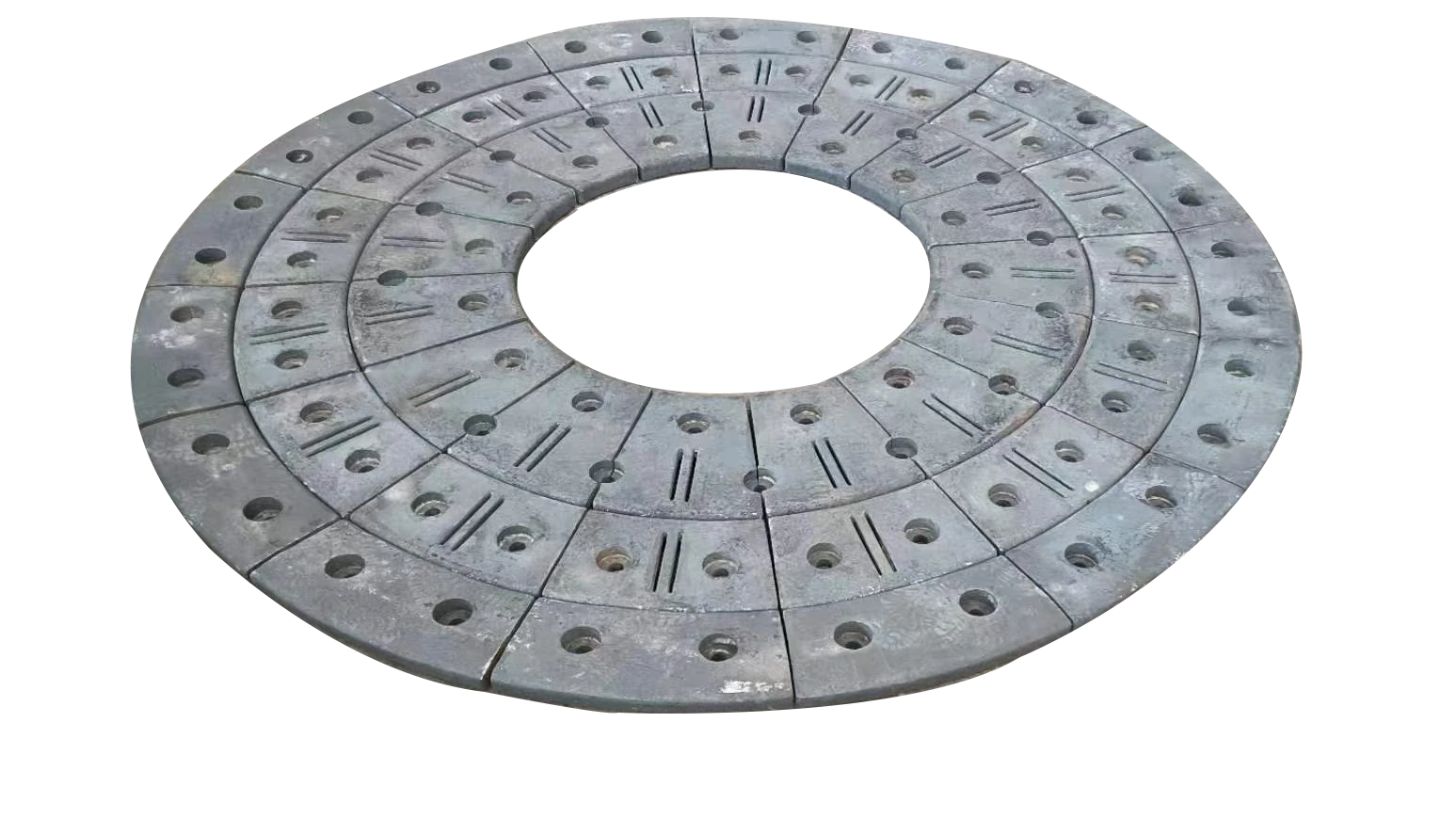
Steel is kind of the workhorse here. Depending on the alloy and heat treatment, steel linings can take heavy wear and tear, and resist impact. Many cement factories I’ve visited use manganese steel because it hardens on impact—sort of a smart self-protection mechanism. However, they can be noisy and a bit heavier, which sometimes increases energy needs. Installation also takes experience because these linings are bolted or welded inside, so precise fit matters.
3. Revestimientos de cerámica (Ceramic Linings)
Ceramic linings are a specialty case—excellent for resisting abrasion and corrosion, especially in very aggressive milling environments. Their hardness is almost unmatched. That said, they can be brittle, so any mechanical shocks may cause cracking. I recall a customer whose setup involved a mix of ceramic and steel liners, balancing strength and wear resistance.
4. Compuestos y materiales híbridos
Newer trends include composite linings that mix rubber, ceramics, and metals, aiming to gain the best features of each. For example, a composite panel might have a ceramic wear surface backed by rubber for shock absorption. These custom solutions can be expensive, but oddly enough, they sometimes save money in the long run thanks to longer service life.
Especificaciones comunes de revestimientos para molino de cemento
| Tipo de revestimiento | Material / Composición | Resistencia al desgaste | Tiempo medio de vida útil | Peso (aprox.) |
|---|---|---|---|---|
| Caucho | Polímero vulcanizado | Moderada (baja abrasión) | 12 - 24 meses | Ligero |
| Acero | Manganeso / aleaciones | Alta | 18 - 36 meses | Pesado |
| Cerámica | Óxidoscerámicos | Muy Alta | 24 - 48 meses | Moderado |
Comparación rápida de proveedores destacados
| Proveedor | Tipo de revestimientos | Tiempo medio de entrega | Personalización | Relación calidad/precio |
|---|---|---|---|---|
| CD Chengda | Acero, Caucho, Cerámica | 3-5 semanas | Alta | Muy buena |
| XYZ Industrias | Acero, Compuestos | 4-6 semanas | Media | Buena |
| Alta Resistencia S.A. | Cerámica, Caucho | 2-4 semanas | Baja | Aceptable |
To wrap it up, choosing the right tipos de revestimientos en molino de cemento isn’t just about durability—it’s about matching your mill’s operating environment, cost constraints, and maintenance plans. Frankly, spending a little more on quality linings and trusted suppliers like CD Chengda can pay for itself by reducing downtime and boosting efficiency.
I suppose it’s like a good pair of boots for a miner: comfortable, reliable, and suited for the specific ground you’re on. In real terms, overlooking mill linings is a false economy.
References:
1. Industrial Milling Equipment Handbook, 2020 Edition.
2. Customer Case Studies, CD Chengda, 2023.
3. “Advances in Cement Mill Linings,” Journal of Materials Engineering, 2022.
-
Industrial Guide to Ferro Manganese Medium Carbon for Steel Production
NewsApr.16,2026
-
Professional Guide and Best Practices for drilling manganese steel
NewsApr.09,2026
-
Comprehensive Guide to DIN 1.3401 Stainless Steel Properties and Applications
NewsApr.07,2026
-
Optimizing Crusher Performance with Durable Manganese Alloys and Steel
NewsApr.04,2026
-
Comprehensive Guide to Chrome Manganese Steel Properties and Industrial Applications
NewsMar.31,2026
-
Understanding the Properties and Applications of Cast Manganese Steel
NewsMar.28,2026