Nov . 25, 2025 16:30 Back to list
Understanding Precio de Bolas de Molienda: Costs, Quality, and Global Impact
What is precio de bolas de molienda and Why it Matters?
If you're involved in industries like mining, cement manufacturing, or mineral processing, you’ve probably bumped into the term precio de bolas de molienda — essentially the price or cost of grinding balls. These seemingly simple spheres play a huge role in turning rough rocks into fine powders, facilitating countless industrial processes. Oddly enough, understanding their price isn’t just about numbers; it speaks to material quality, operational efficiency, and the ecological footprints industries leave behind.
Globally, mining and materials processing remain pivotal to economic development, especially in emerging markets. According to the World Bank, mineral extraction constitutes nearly 10% of GDP in some developing countries. Yet, grinding balls can be surprisingly overlooked when calculating operational costs, despite accounting for significant wear and replacement expenses.
Why focus on precio de bolas de molienda? Because these costs directly influence productivity, safety, and environmental sustainability worldwide — from massive copper mines in Chile to small cement plants in Southeast Asia.
Mini takeaway: Knowing the precio de bolas de molienda goes beyond budgeting — it’s about optimizing industrial endurance and reducing waste globally.
A Closer Look: What Exactly is Precio de Bolas de Molienda?
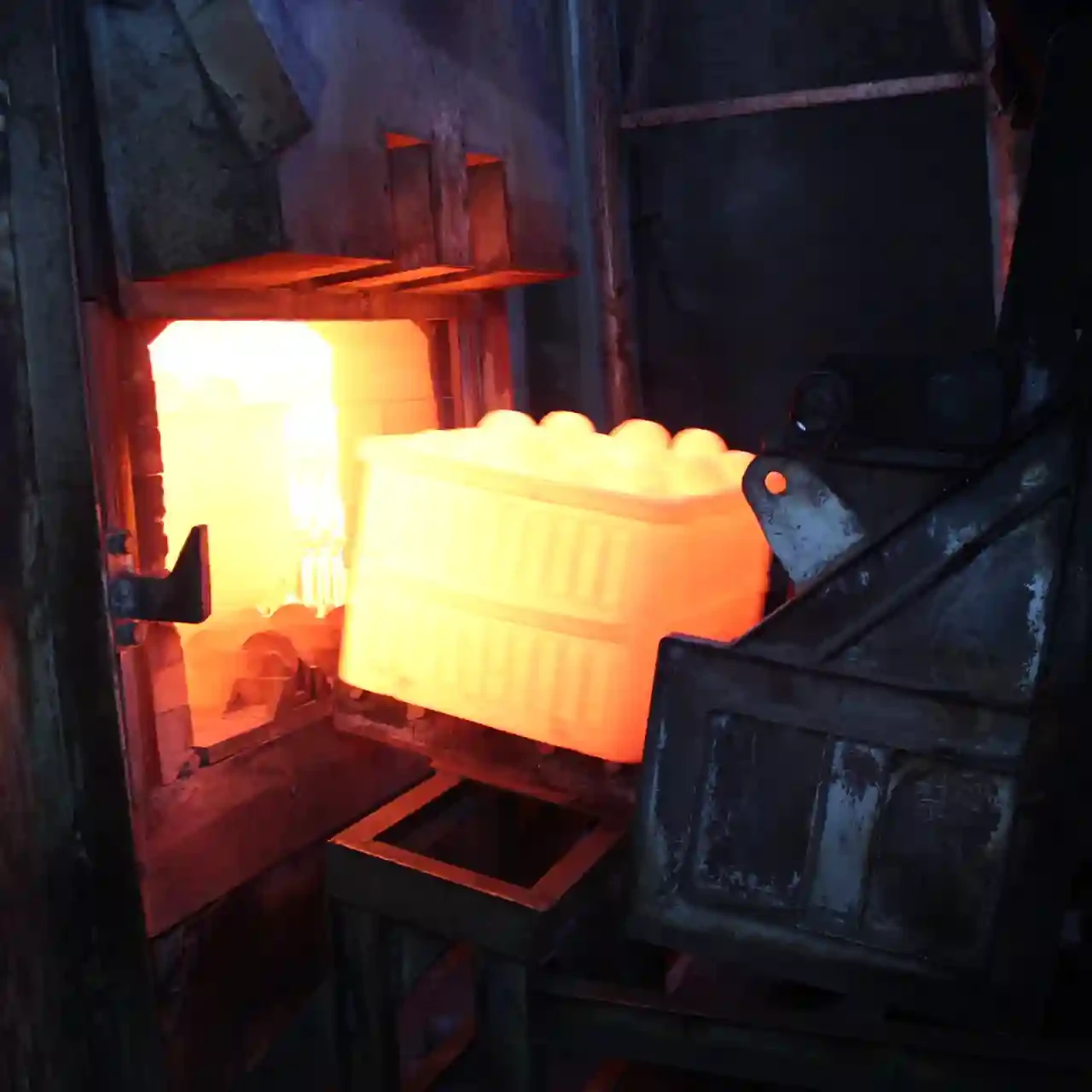
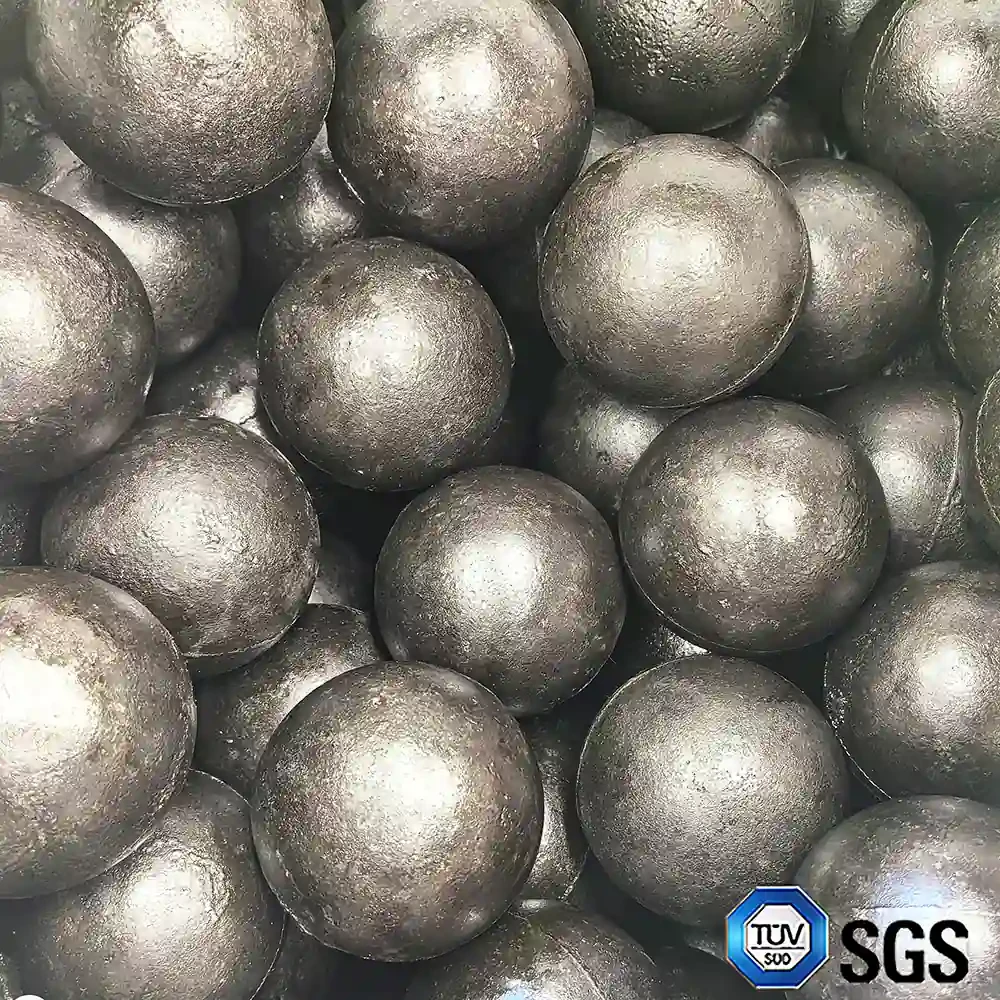
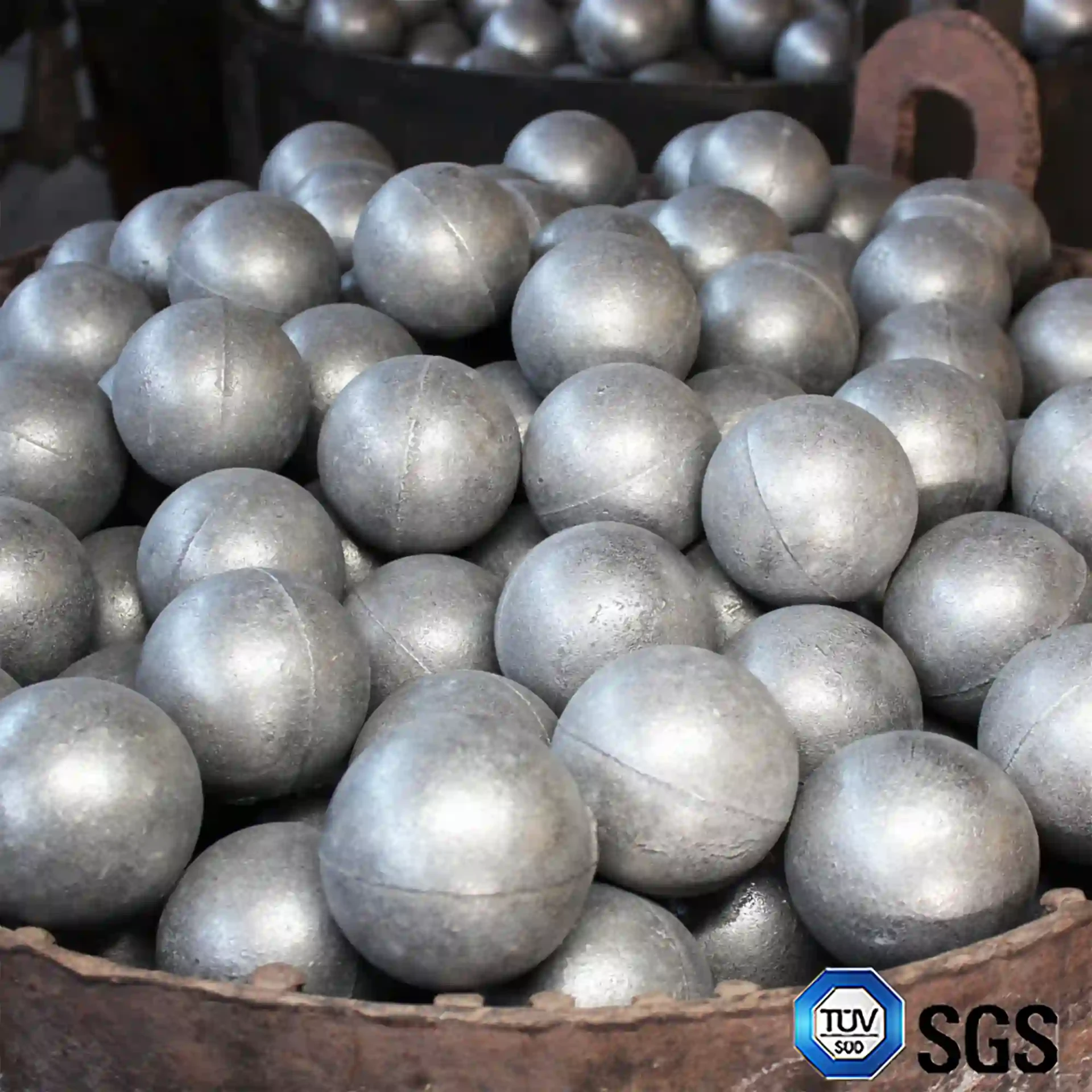
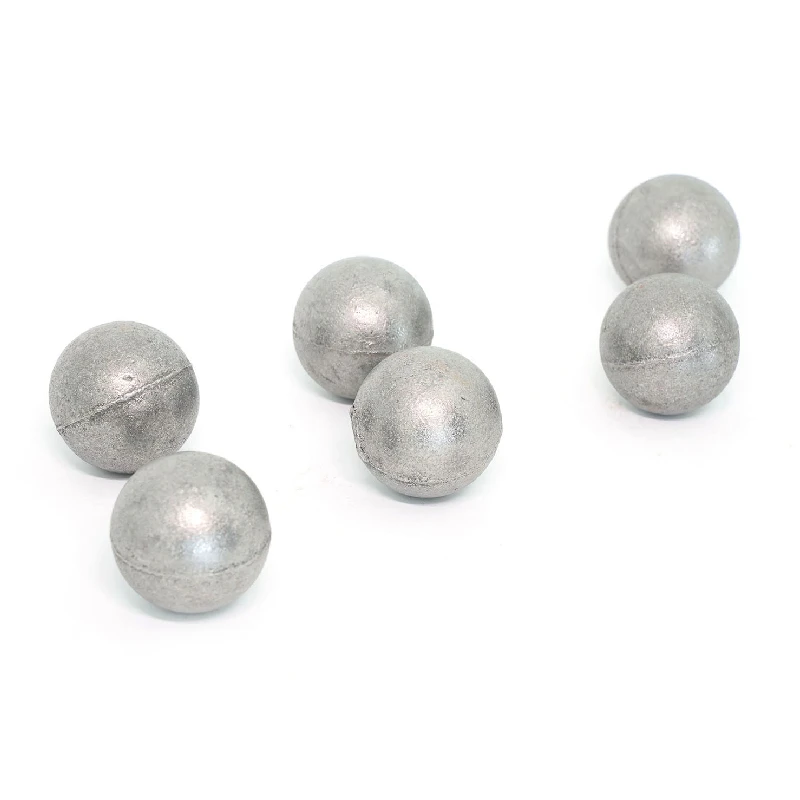
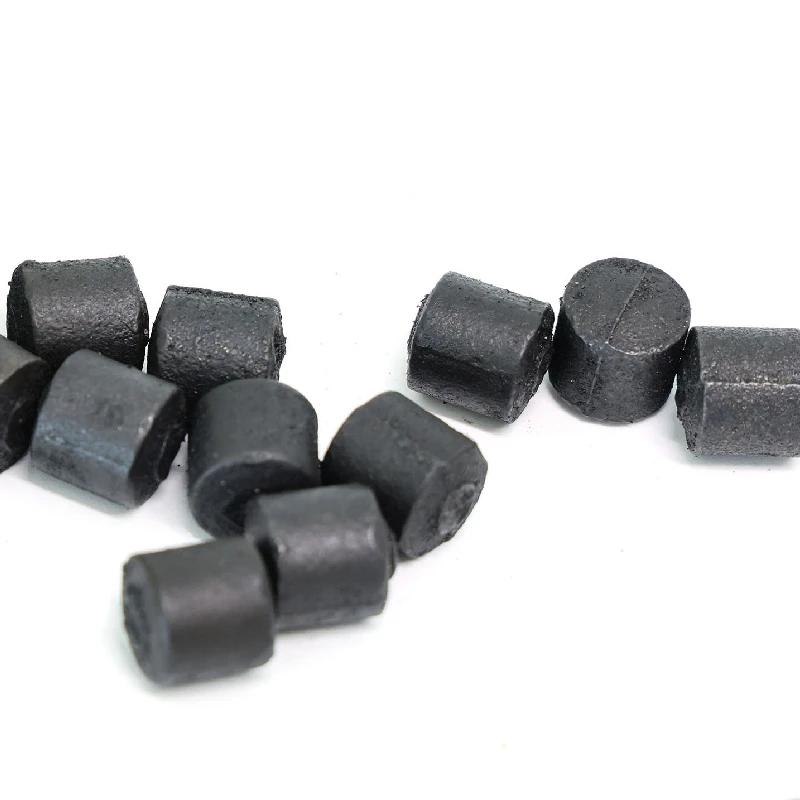
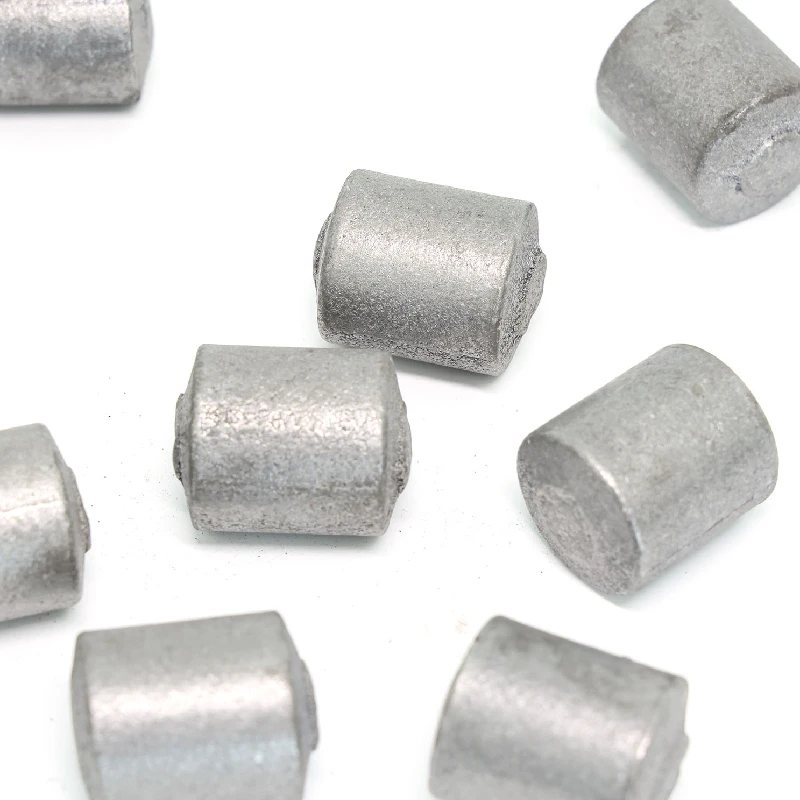
In simple terms, precio de bolas de molienda translates to "the price of grinding balls." These are steel or ceramic spheres used inside ball mills to crush or grind materials by impact and attrition. They vary in size, material composition, and durability, factors that heavily sway their cost.
Connecting the dots further, grinding balls are literally the backbone of many modern industries — think cement production, mineral extraction, even pharmaceuticals. They’re also vital in humanitarian contexts where infrastructure materials must be finely processed quickly to rebuild after disasters.
Key Factors Shaping Grinding Ball Prices
1. Material Quality and Composition
Grinding balls can be made from cast steel, forged steel, or ceramics. Higher-quality alloys with chromium or manganese offer superior wear resistance but come at a premium price. Engineers say that a slight improvement in material composition can extend ball life by 30–50%, affecting long-term costs far more than upfront price tags suggest.
2. Durability and Wear Resistance
Since grinding balls constantly collide with materials and each other, durability is king. A ball that wears out quickly leads to frequent replacements, operational halts, and quality issues downstream. It’s a bit like choosing a sturdy hiking boot for a tough trail — cheaper might be tempting but could cost you in the long run.
3. Size and Weight Considerations
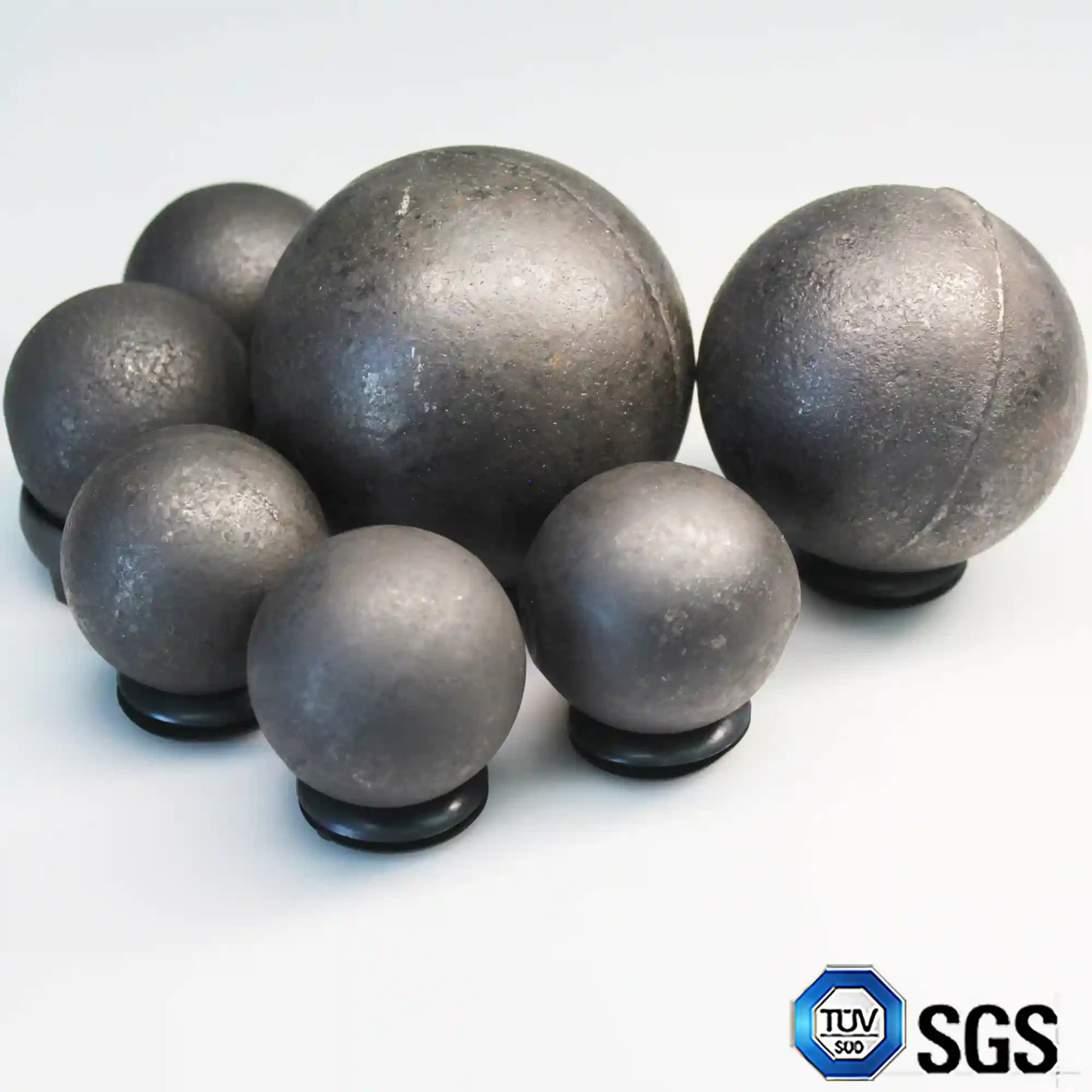
Mills require balls in specific size ranges—usually from 20 mm to over 120 mm in diameter—to optimize grinding efficiency. Bigger balls crush larger particles but consume more energy. Price varies accordingly; a batch of heavier, larger-size balls often weighs more, impacting shipping and handling costs.
4. Supplier and Geographical Factors
Prices fluctuate depending on vendor location, demand patterns, and raw material availability. Sourcing grinding balls from local foundries cuts transport fees but might compromise quality compared to specialized international suppliers.
5. Customization and Testing
Some companies offer tailored balls designed for specific materials or mill conditions. This customization usually commands a higher price but can save money in efficiency gains and wear reduction. Comprehensive testing — hardness, impact toughness, microstructure — also factors into final pricing structures.
Mini takeaway: precio de bolas de molienda reflects a delicate balance between upfront expense and long-term operational reliability.
Global Applications of Grinding Balls
Grinding balls find their way into industrial operations worldwide. Consider these examples:
- Latin America: Large-scale copper and gold mining employ grinding balls to pulverize ores efficiently.
- Southeast Asia: Cement manufacturers rely on them to produce fine cement powders essential for infrastructure growth.
- Africa: Remote mining zones benefit from robust balls, as supply chain constraints make durability crucial.
In humanitarian relief efforts post-earthquake or flood, rapid milling of construction materials can make rebuilding faster and safer, illustrating practical benefits beyond pure industry.
Grinding Ball Specifications at a Glance
| Specification | Typical Range | Notes |
|---|---|---|
| Material | Cast Steel, Forged Steel, Ceramic | Ceramics for high abrasion |
| Diameter | 20mm - 125mm | Depends on mill and material |
| Hardness (HRC) | 55 - 65 | Higher hardness = better wear |
| Density | 7.6 - 7.85 g/cm³ | Steel balls standard |
How Vendors Stack Up: Pricing and Quality Comparison
| Vendor | Price per Kg (USD) | Material Type | Typical Lead Time | Customization Options |
|---|---|---|---|---|
| SteelMills Ltd. | $3.50 - $4.20 | Forged Steel | 2-3 weeks | Size and hardness |
| CeramiCore Inc. | $5.80 - $7.00 | Ceramic | 4-6 weeks | Material composition |
| Global Castings | $3.00 - $3.90 | Cast Steel | 1-2 weeks | Limited |
Advantages and Long-Term Value of Calidad y Precio
At first glance, grinding balls appear like a straightforward commodity, but their value adds up over years of use. Key advantages include:
- Cost savings: Longer-lasting grinding balls reduce replacement frequency and downtime.
- Environmental impact: Durable materials cut waste and reduce energy-intensive manufacturing.
- Operational efficiency: Properly selected balls improve grinding throughput and product quality.
- Social responsibility: Reliable milling means safer products and infrastructure.
When industries save on precio de bolas de molienda without sacrificing quality, that trust translates into smoother workflows and less stress at the plant — something field engineers often emphasize during long shifts.
Looking Ahead: Future Trends in Grinding Ball Technology
The grinding ball market isn’t standing still. Recent innovations include:
- Smart materials: Balls embedded with sensors to monitor wear in real time.
- Eco-friendly production: Using recycled steel and cleaner casting methods.
- Digital procurement: Automated systems optimizing order sizes and reducing storage waste.
These trends hint that precio de bolas de molienda will increasingly reflect factors beyond raw materials—like environmental footprint and integrated data analytics.
Challenges and Practical Solutions
Of course, not all is rosy in grinding ball procurement. Some common headaches include:
- Price volatility: Raw steel price swings can complicate budgeting.
- Supply chain delays: Global disruptions may push lead times unexpectedly.
- Counterfeit products: Lower-cost balls with inferior specs sometimes flood markets.
The industry is tackling these through expanded quality certification, local manufacturing hubs, and flexible contracts that absorb raw material cost swings. It’s impressive to see how the ball supply ecosystem adapts, really.
Frequently Asked Questions About Precio de Bolas de Molienda
- Q: How does the price of grinding balls affect milling efficiency?
- A: While a lower price might appear attractive, using lower-quality balls can increase wear rates and downtime, ultimately driving up operational costs. Investing in balls with optimal hardness and durability typically boosts efficiency and saves money in the long run.
- Q: Can grinding balls be customized for different materials?
- A: Yes, suppliers often tailor balls by adjusting size, hardness, and alloy composition to suit specific milling needs—whether you’re crushing ores or cement clinkers. Customization helps optimize grinding performance and ball life.
- Q: What are the environmental benefits of buying higher-quality grinding balls?
- A: Longer-lasting balls reduce waste production and lower manufacturing energy requirements from frequent replacements. Sustainable sourcing and recycling are also factors being adopted by progressive vendors.
- Q: How can a mining company minimize supply risks for grinding balls?
- A: Establishing contracts with multiple trusted vendors, maintaining safety stock, and exploring local foundries for backup can help mitigate supply chain disruptions.
Final Thoughts and Next Steps
In real terms, managing the precio de bolas de molienda is more than balancing a price tag. It’s about choosing the right materials, suppliers, and strategies to keep operations running smoothly and sustainably, sometimes in harsh or remote environments — and yes, optimizing every cent spent is part of the game.
For those interested in diving deeper into the latest grinding ball prices and supplier offers, take a look at reliable resources like precio de bolas de molienda to compare detailed options and make informed decisions.
References:
1. World Bank - Extractive Industries Overview, https://www.worldbank.org/en/topic/extractiveindustries
2. ISO 4967:2013 - Steel Balls for Grinding, https://www.iso.org/standard/56948.html
3. Wikipedia - Ball Mill, https://en.wikipedia.org/wiki/Ball_mill
-
Industrial Guide to Ferro Manganese Medium Carbon for Steel Production
NewsApr.16,2026
-
Professional Guide and Best Practices for drilling manganese steel
NewsApr.09,2026
-
Comprehensive Guide to DIN 1.3401 Stainless Steel Properties and Applications
NewsApr.07,2026
-
Optimizing Crusher Performance with Durable Manganese Alloys and Steel
NewsApr.04,2026
-
Comprehensive Guide to Chrome Manganese Steel Properties and Industrial Applications
NewsMar.31,2026
-
Understanding the Properties and Applications of Cast Manganese Steel
NewsMar.28,2026