Oct . 22, 2025 16:15 Back to list
Grinding Cylpebs Factory: High-Hardness, Low-Wear Media
Inside the Grinding Cylpebs Factory: trends, specs, and what buyers quietly look for
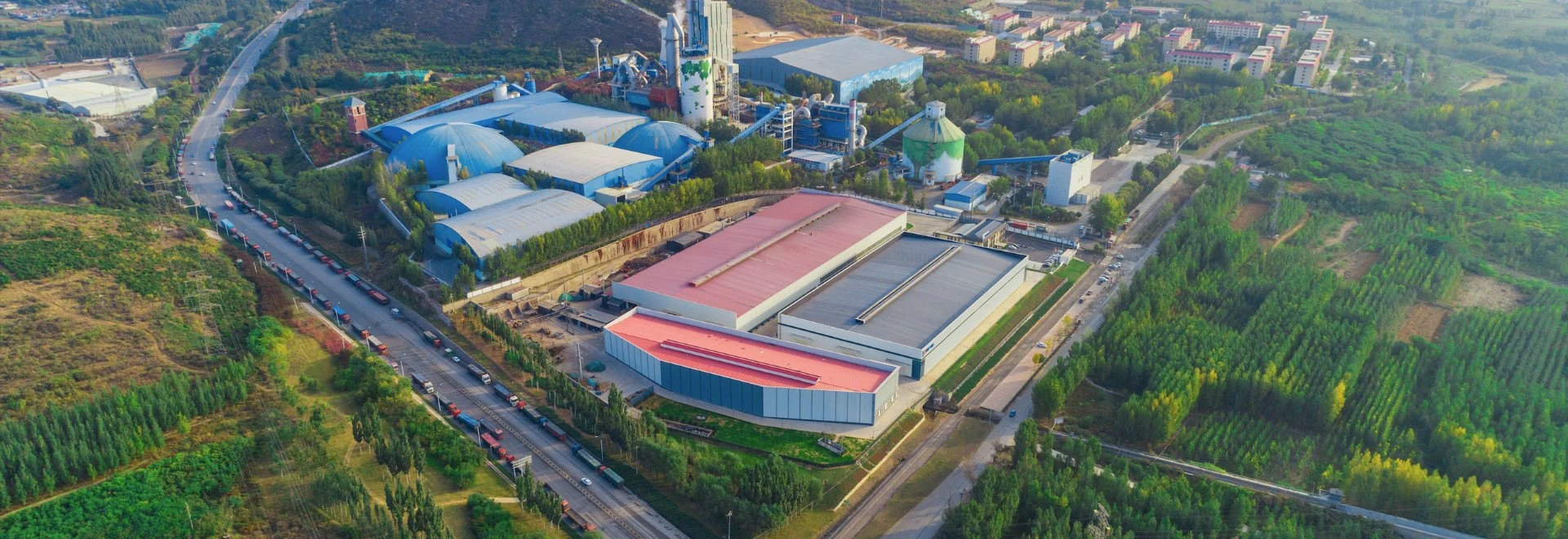
I’ve walked more than a few foundry floors, and, to be honest, the hum of an induction furnace never gets old. In Hebei’s KIZUN Industry Zone—Luquan, Shijiazhuang—you’ll find a no‑nonsense operation turning chrome-rich alloy into hard‑charging cylpebs for cement and mining mills. People often ask: what really separates one Grinding Cylpebs Factory from another? Short answer: metallurgy, heat treatment discipline, and testing rigor. Long answer—well, let’s unpack it.
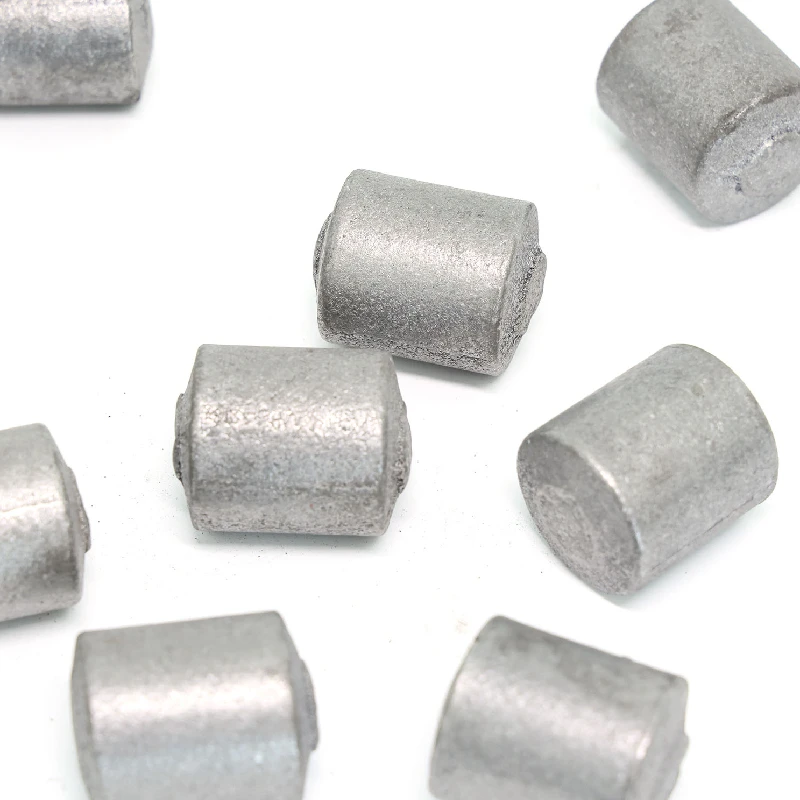
Product snapshot: Low Chrome Grinding Forging (cast cylpebs, high-chrome range)
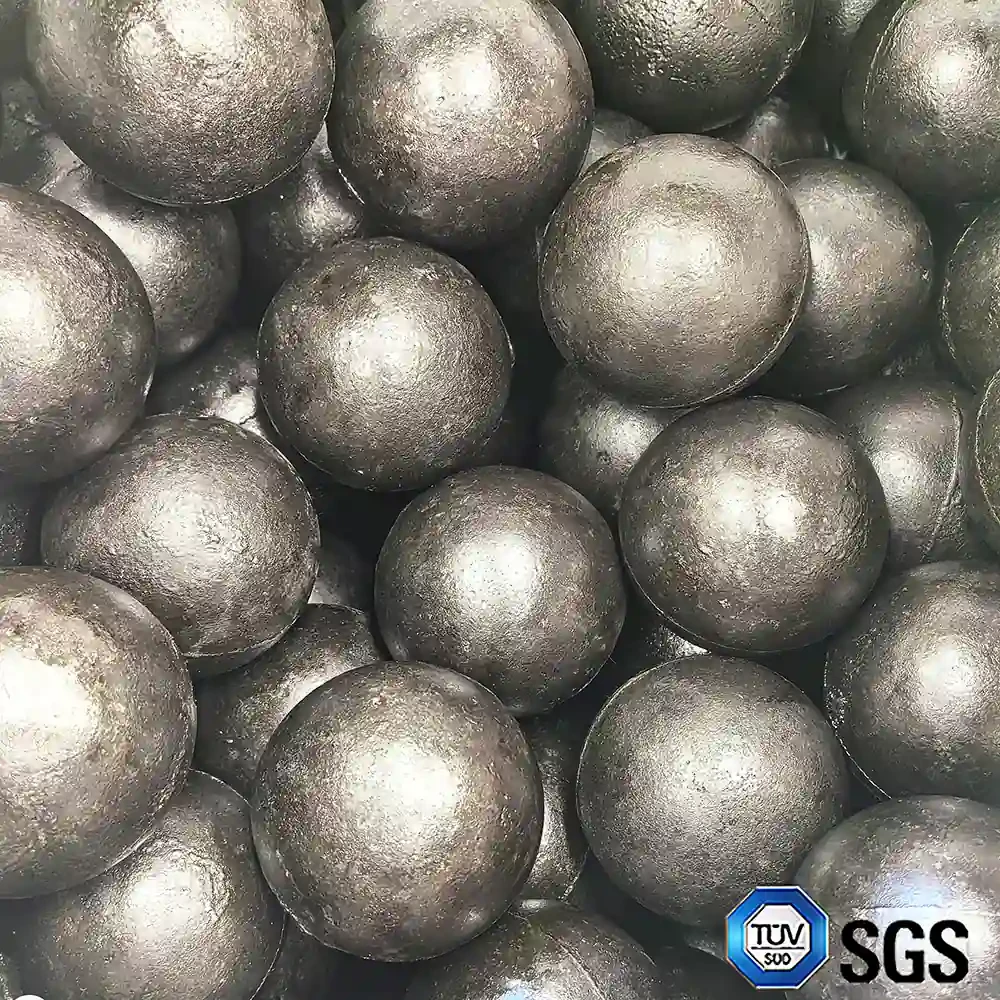
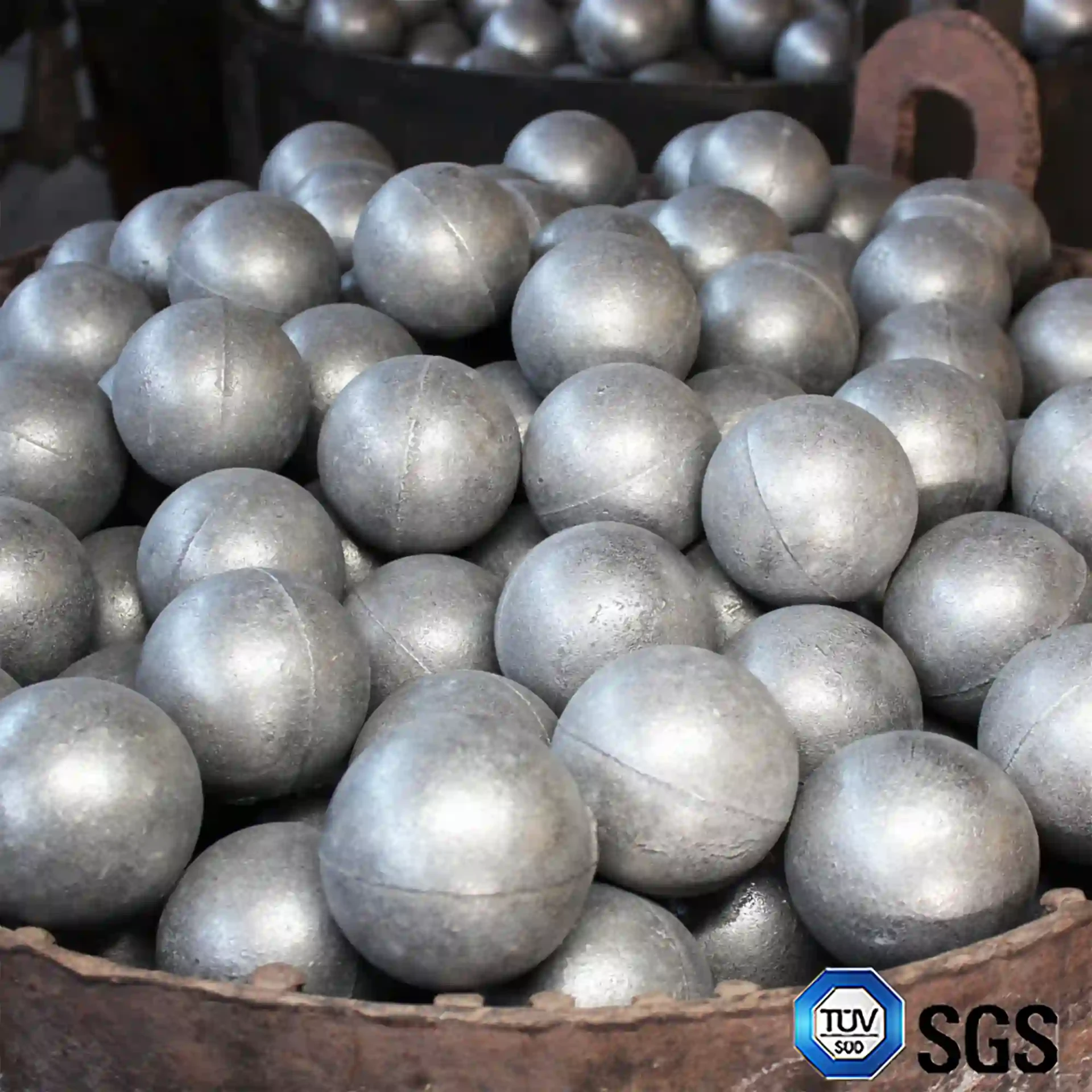
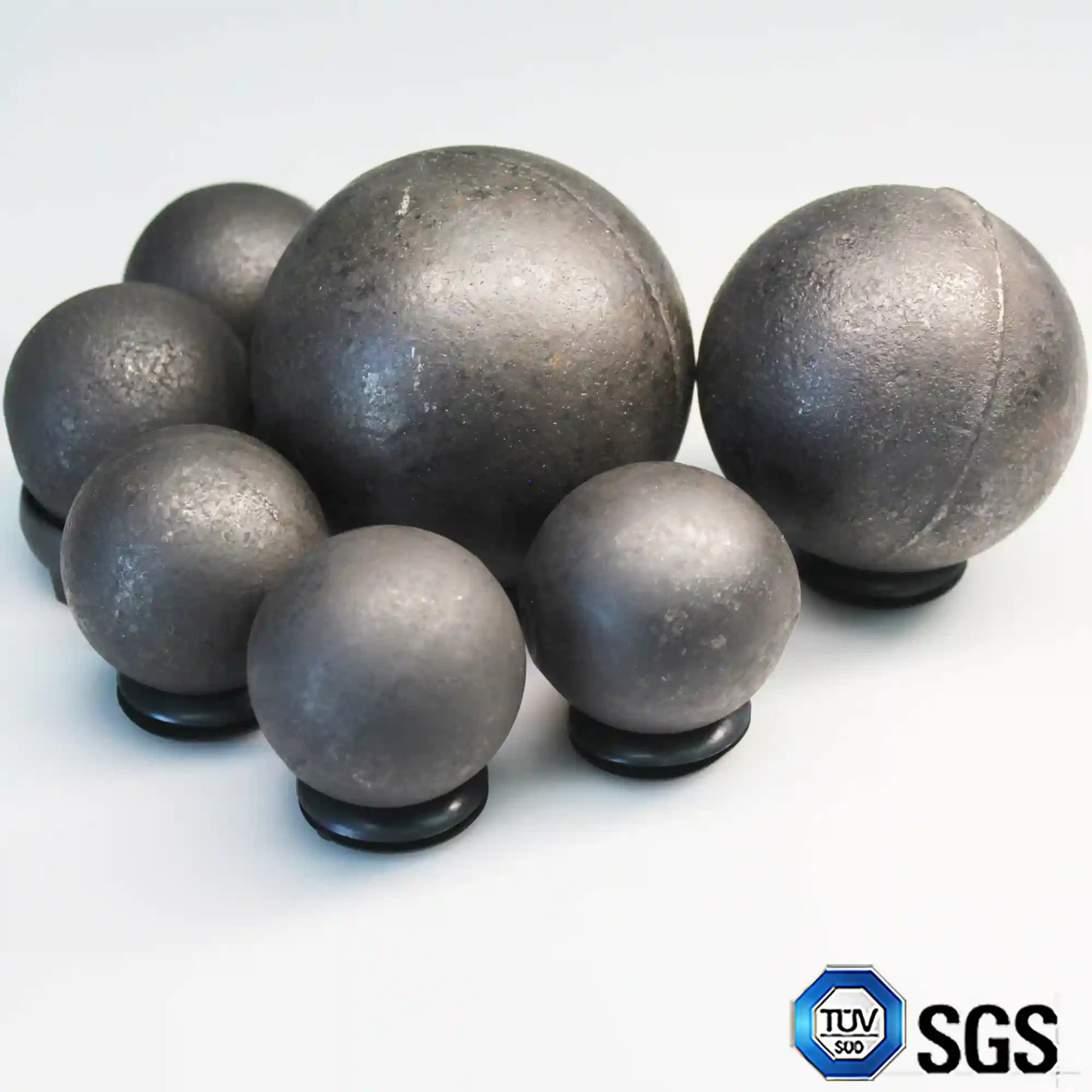
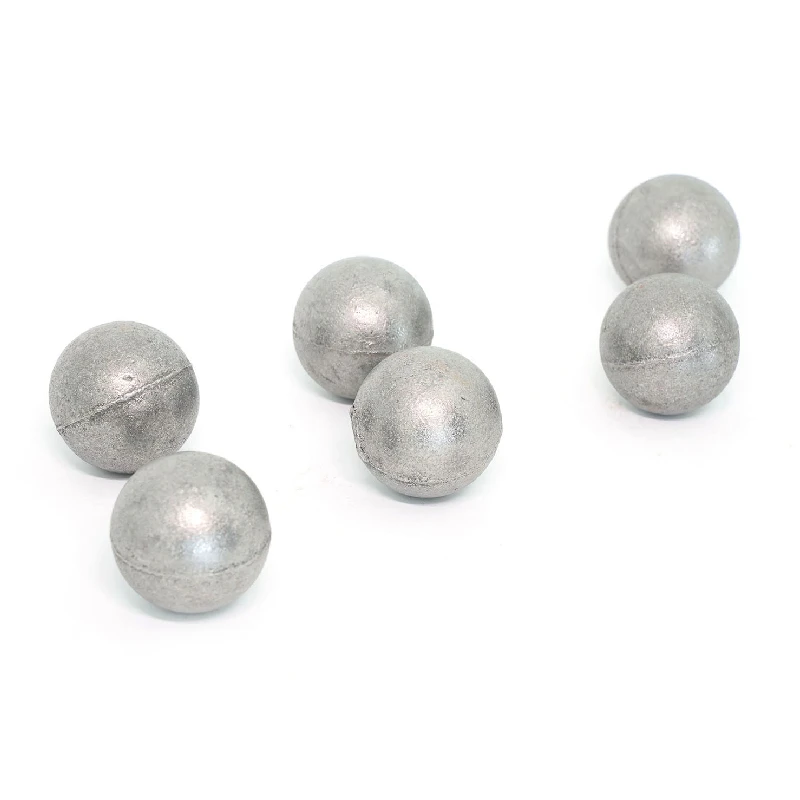
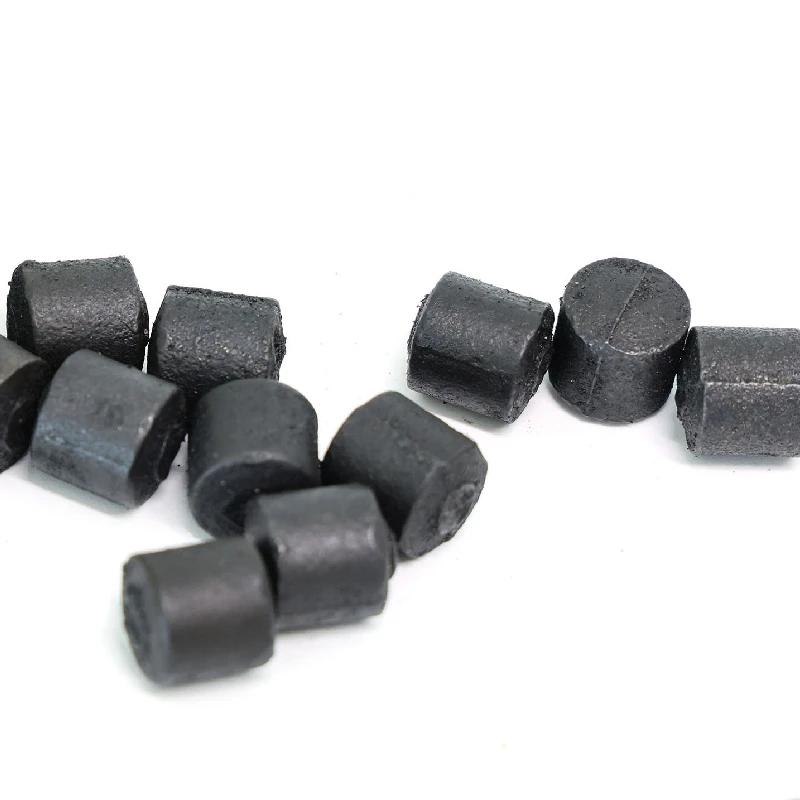
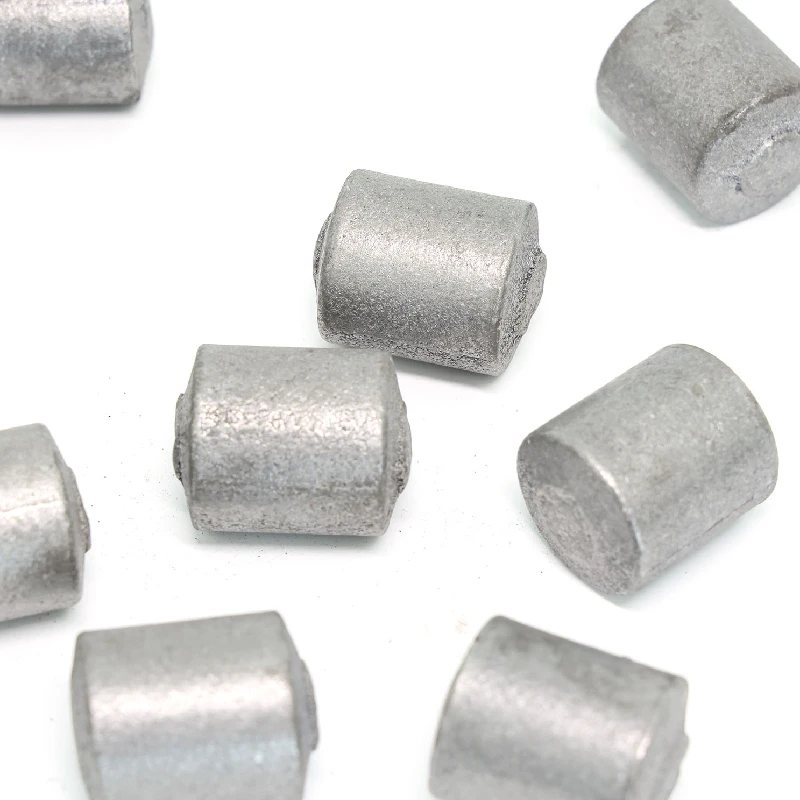
Yes, the label says “low chrome,” but the shop chemistry sits in the 10–28% Cr bracket—many plants call 10–18% “low-medium,” 20–28% “high.” Semantics aside, real‑world wear is what matters. These are cast cylpebs for secondary grinding, sized 8×10 to 40×45 mm, color black as‑cast, used across cement, mining, refractories, and sometimes chemicals/petroleum where attrition milling is needed.
| Parameter | Spec (≈, real-world use may vary) |
|---|---|
| Chrome Content | 10–28% Cr, Fe balance, C 2.0–3.0% |
| Size Range | 8×10–40×45 mm (custom sizes on request) |
| Hardness | HRC 52–60 (HBW 500–600 by ISO 6506-1) |
| Microstructure | Tempered martensite + M7C3 carbides |
| Typical Wear Rate | ≈ 30–70 g/t (cement finish mills); mining varies by ore abrasivity |
| Industries | Cement, mining, refractory, chemical, power |
Process flow (what I saw and what the logs say)
- Charge prep: clean scrap + ferrochrome; sampling per ISO 14284.
- Melting: medium‑frequency induction furnace; OES chemistry control.
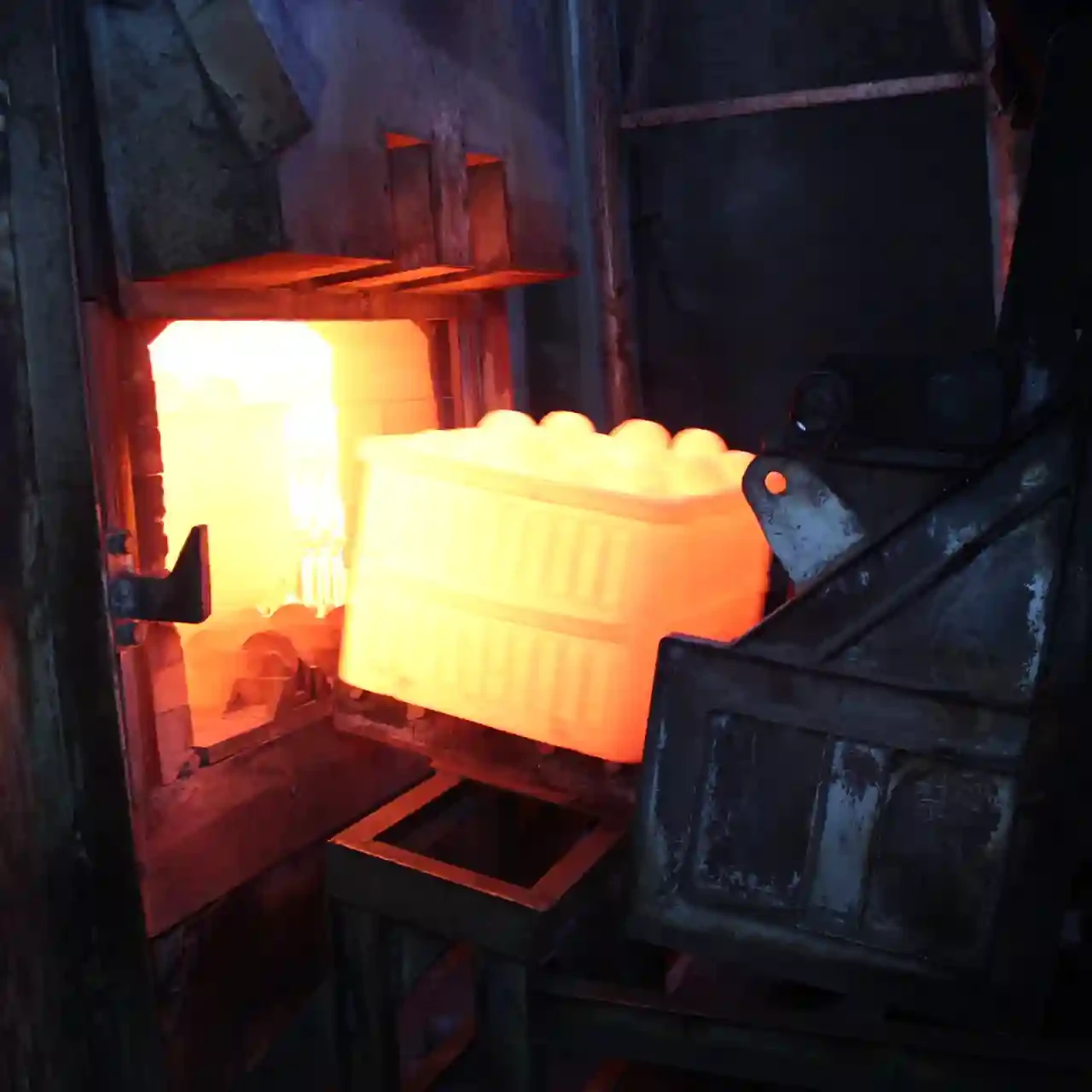
- Casting: precision moulds for “cylpeb” geometry; riser/runner optimization to cut porosity.
- Heat treatment: austenitize ≈ 950–1050°C, oil/water quench, temper 180–250°C for toughness.
- Finishing: shot‑blast, crack inspection (UT or MT), sizing.
- Testing: hardness (ISO 6506-1 / ISO 6508-1), microstructure checks, repeated mass‑loss abrasion tests.
Where cylpebs make sense
In secondary grinding, cylpebs pack tighter and create more contacts than balls. Many customers say throughput bumps 3–5% with a careful media split. In fact, I’ve seen liners last longer because impact is slightly lower—abrasion dominates.
Vendor comparison (what procurement teams quietly benchmark)
| Criteria | CD Chengda (Grinding Cylpebs Factory) | Regional Trader | Overseas Foundry B |
|---|---|---|---|
| Cr Range | 10–28% | Unspecified (varies) | 12–20% |
| Hardness Consistency | Tight ±2 HRC | ±5 HRC | ±3–4 HRC |
| Lead Time | ≈ 15–25 days | Stock‑dependent | 30–45 days |
| Certifications | ISO 9001 (quality) | N/A | ISO 9001 |
| Cost/ton | Competitive (FOB Tianjin) | Low upfront | Mid‑high |
Customization and QA staples
- Size, Cr %, and hardness profile tailored to ore abrasivity and mill power.
- Batch traceability; chemistry certificates; hardness maps across sections.
- Optional Brinell or Rockwell reporting; micrographs on request.
Two quick field notes (informal but useful)
• Southeast Asia cement plant: swapping in 25% Cr cylpebs cut wear ≈ 18% and nudged kWh/t down by 2.3%. Operator credit: steadier hardness, fewer breakages.
• Iron ore regrind (LatAm): blend of 16% and 22% Cr stabilized PSD; liner scuffing eased, which surprised maintenance.
Testing touchpoints and standards
Hardness per ISO 6506-1 (Brinell) is common; some labs mirror with ISO 6508-1 (Rockwell C). For the alloy itself, abrasion‑resistant cast iron guidelines align with ASTM A532 families, and quality systems—if you care about audit trails—usually sit under ISO 9001.
Origin: KIZUN Industry Zone, Luquan, Shijiazhuang, Hebei, China.
Authoritative citations
-
Industrial Guide to Ferro Manganese Medium Carbon for Steel Production
NewsApr.16,2026
-
Professional Guide and Best Practices for drilling manganese steel
NewsApr.09,2026
-
Comprehensive Guide to DIN 1.3401 Stainless Steel Properties and Applications
NewsApr.07,2026
-
Optimizing Crusher Performance with Durable Manganese Alloys and Steel
NewsApr.04,2026
-
Comprehensive Guide to Chrome Manganese Steel Properties and Industrial Applications
NewsMar.31,2026
-
Understanding the Properties and Applications of Cast Manganese Steel
NewsMar.28,2026