
Mar . 03, 2026 18:45 Back to list
Comprehensive Guide to ASTM A128 Steel Castings for Pressure Applications
Understanding ASTM A128 Steel: A Comprehensive Guide
ASTM A128 is a widely used specification for steel castings, particularly those intended for pressure-containing parts. This standard dictates the requirements for various alloy steel castings, ensuring they meet specific mechanical properties and chemical compositions for safe and reliable performance. Understanding this specification is crucial for engineers, procurement specialists, and anyone involved in the sourcing or application of these steel castings. Chengda Steel provides high-quality steel castings adhering to ASTM A128 standards, catering to diverse industrial needs. Careful consideration of the appropriate grade within A128 is vital for optimal performance in specific applications.
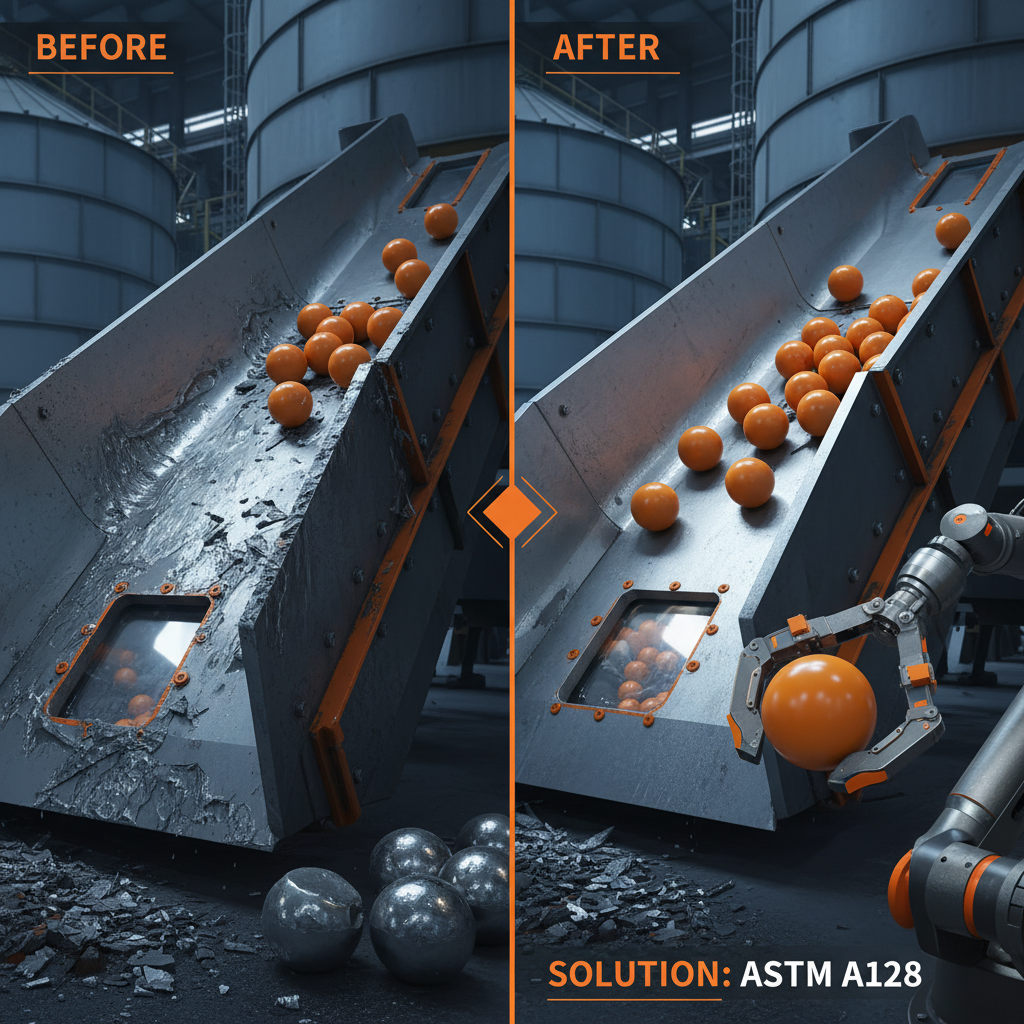
What is ASTM A128? An Overview
ASTM A128 covers a range of steel castings, primarily focused on those used in pressure vessels, piping systems, valves, and other critical components. The specification outlines requirements for chemical composition, mechanical properties (tensile strength, yield strength, elongation, impact resistance), non-destructive examination, and quality assurance. It's important to note that A128 doesn't cover welding procedures; those are typically addressed by separate standards. The various grades within A128 are defined by their chemical composition, which dictates their specific properties and suitability for different applications. Chengda Steel ensures all castings meet and exceed the requirements of ASTM A128.
Key Highlights: ASTM A128 covers a range of alloy steel castings used in pressure-containing components. It ensures quality through chemical composition, mechanical testing, and quality assurance processes.
Common ASTM A128 Grades and Their Applications
Several grades fall under the ASTM A128 specification, each tailored for specific application requirements. Some of the most common include: A128 Grade C (low-alloy steel offering good strength and toughness), A128 Grade D (a higher-strength alloy steel often used in more demanding applications), and A128 Grade E (a chromium-molybdenum alloy steel known for its high-temperature strength and corrosion resistance). These grades are widely employed in industries such as oil and gas, power generation, chemical processing, and shipbuilding. Chengda Steel's expertise includes providing custom castings across all major A128 grades.
Grade Comparison:
• Grade C: Good strength & toughness, general applications.
• Grade D: Higher strength, more demanding applications.
• Grade E: High-temperature strength & corrosion resistance.
ASTM A128 Mechanical Properties: A Detailed Look
The mechanical properties defined in ASTM A128 are critical for ensuring the structural integrity of the castings. These properties, including tensile strength, yield strength, and impact toughness, are rigorously tested to verify compliance. The required values vary depending on the specific grade of steel. For instance, Grade C typically exhibits a tensile strength of 58-76 ksi, while Grade D boasts a tensile strength of 70-90 ksi. Impact toughness, measured using Charpy V-notch testing, is also a crucial parameter, ensuring the material can withstand sudden impacts without fracturing. Chengda Steel meticulously controls the casting process to consistently achieve the required mechanical properties for each A128 grade.
Quality Control and Testing for ASTM A128 Compliance
Ensuring compliance with ASTM A128 requires stringent quality control procedures. These include chemical analysis to verify the alloy composition, mechanical testing to validate the properties, and non-destructive examination (NDE) techniques such as radiography, ultrasonic testing, and liquid penetrant inspection to detect internal flaws. Proper documentation and traceability are also critical components of the quality assurance process. Chengda Steel employs a comprehensive quality management system to guarantee adherence to ASTM A128 standards and provide customers with reliable and certified castings.
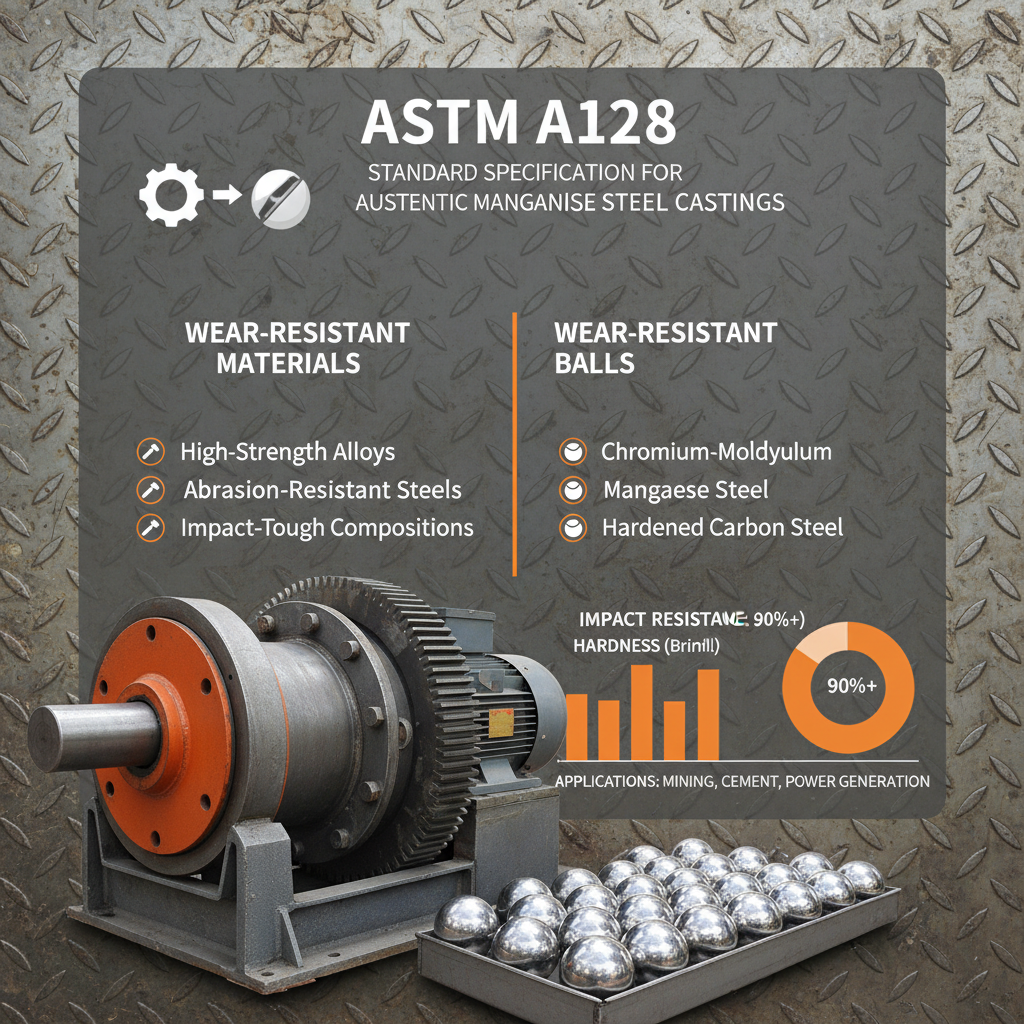
Choosing the Right Supplier for ASTM A128 Castings
Selecting a reputable supplier is paramount when sourcing ASTM A128 steel castings. Look for a supplier with a proven track record of quality, experience in producing castings to this standard, and a robust quality control system. Certifications, such as ISO 9001, can provide added assurance. Consider the supplier's ability to meet your specific requirements, including casting size, complexity, and lead times. Chengda Steel is a trusted supplier of ASTM A128 castings, offering customized solutions and exceptional customer service.
Conclusion: Ensuring Reliability with ASTM A128 Steel
Understanding and adhering to the ASTM A128 specification is crucial for ensuring the safety and reliability of pressure-containing components. By partnering with a reputable supplier like Chengda Steel, you can be confident that your castings meet the highest quality standards and will perform as expected.
Frequently Asked Questions (FAQs)
What is the primary purpose of the ASTM A128 specification?
The primary purpose of ASTM A128 is to establish requirements for alloy steel castings intended for use in pressure-containing parts, such as valves, flanges, and pump housings. It ensures that these castings possess the necessary strength, ductility, and resistance to failure under pressure, thereby safeguarding the integrity of the system they are integrated into. The specification outlines chemical composition limits, mechanical property requirements, and testing procedures to verify compliance. Ultimately, it aims to prevent catastrophic failures and ensure operational safety.
How does chemical composition affect the properties of A128 castings?
Chemical composition plays a fundamental role in determining the mechanical properties of A128 castings. Alloying elements, such as chromium, molybdenum, and nickel, are added to the base steel to enhance specific characteristics. For example, chromium increases corrosion resistance, while molybdenum improves high-temperature strength. The precise control of chemical composition, as defined in ASTM A128, ensures that the castings achieve the desired strength, toughness, and durability for their intended application. Any deviations from the specified composition can significantly impact performance.
What is non-destructive examination (NDE) and why is it important for A128 castings?
Non-destructive examination (NDE) encompasses a range of techniques used to evaluate the integrity of materials without causing damage. Common NDE methods for A128 castings include radiography (X-ray imaging), ultrasonic testing (using sound waves to detect internal flaws), and liquid penetrant inspection (identifying surface cracks). NDE is crucial for detecting internal porosity, cracks, or other defects that could compromise the structural integrity of the casting. It ensures that only castings meeting the specified quality standards are used in critical applications.
Can ASTM A128 castings be welded?
While ASTM A128 defines the requirements for the castings themselves, it does not cover welding procedures. Welding of A128 castings typically requires a separate welding procedure specification (WPS) and procedure qualification record (PQR) that are qualified according to applicable codes like ASME Section IX. The weld metal and welding process must be carefully selected to ensure compatibility with the base metal and to maintain the required mechanical properties in the weldment. Pre-heating and post-weld heat treatment may also be necessary, depending on the grade of A128 steel and the welding parameters.
-
Industrial Guide to Ferro Manganese Medium Carbon for Steel Production
NewsApr.16,2026
-
Professional Guide and Best Practices for drilling manganese steel
NewsApr.09,2026
-
Comprehensive Guide to DIN 1.3401 Stainless Steel Properties and Applications
NewsApr.07,2026
-
Optimizing Crusher Performance with Durable Manganese Alloys and Steel
NewsApr.04,2026
-
Comprehensive Guide to Chrome Manganese Steel Properties and Industrial Applications
NewsMar.31,2026
-
Understanding the Properties and Applications of Cast Manganese Steel
NewsMar.28,2026