Mar . 12, 2026 02:15 Back to list
Understanding the Superior Performance of 3T Hardened Manganese Steel Applications
Understanding 3T Hardened Manganese Steel: Properties and Applications
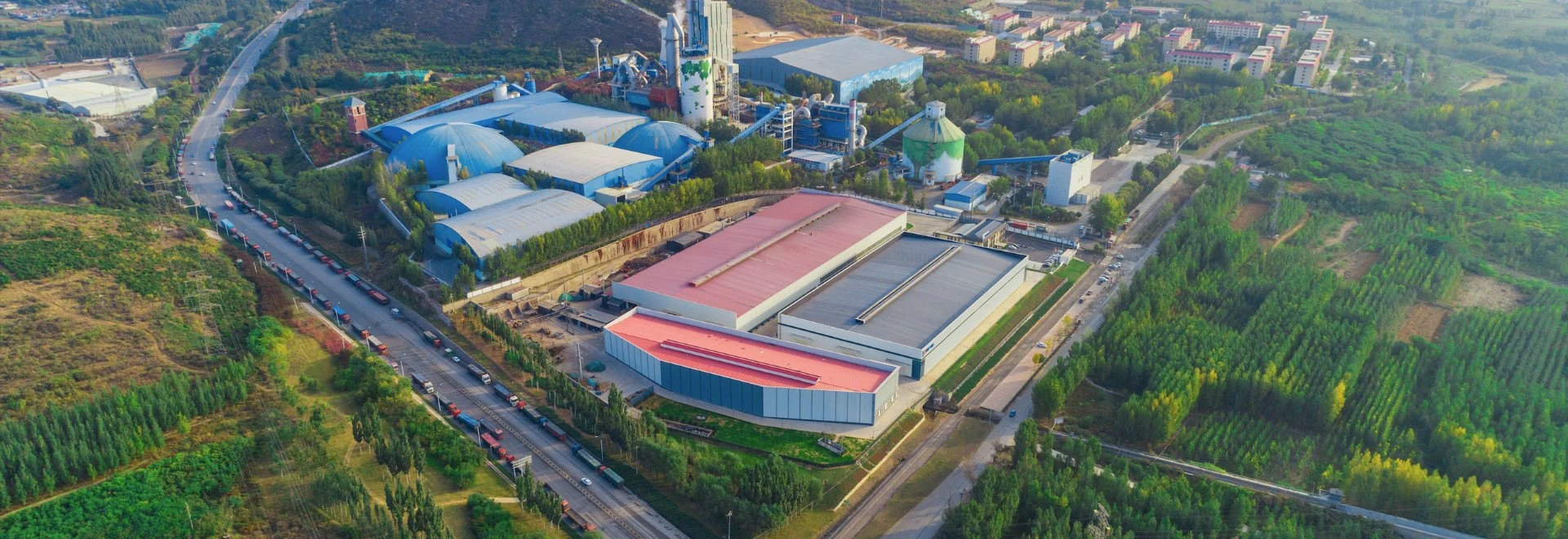
3T hardened manganese steel is a specialized alloy known for its exceptional toughness, wear resistance, and impact strength. This material plays a crucial role in various industries, from mining and construction to railway and agriculture. This article will explore the composition, properties, manufacturing processes, and diverse applications of 3T hardened manganese steel. We’ll also examine its advantages over other materials and discuss key considerations when selecting it for specific projects. Explore our range of steel solutions at Chengda Steel.
What is 3T Hardened Manganese Steel?
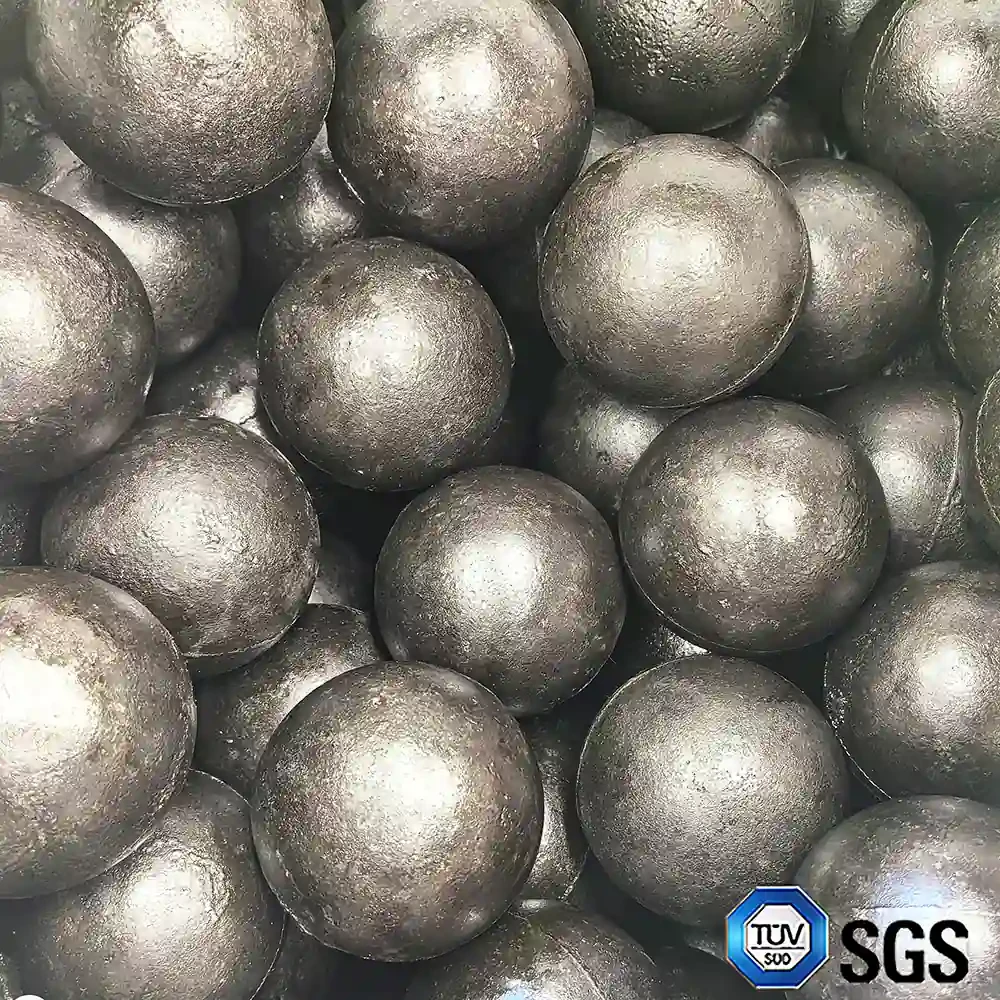
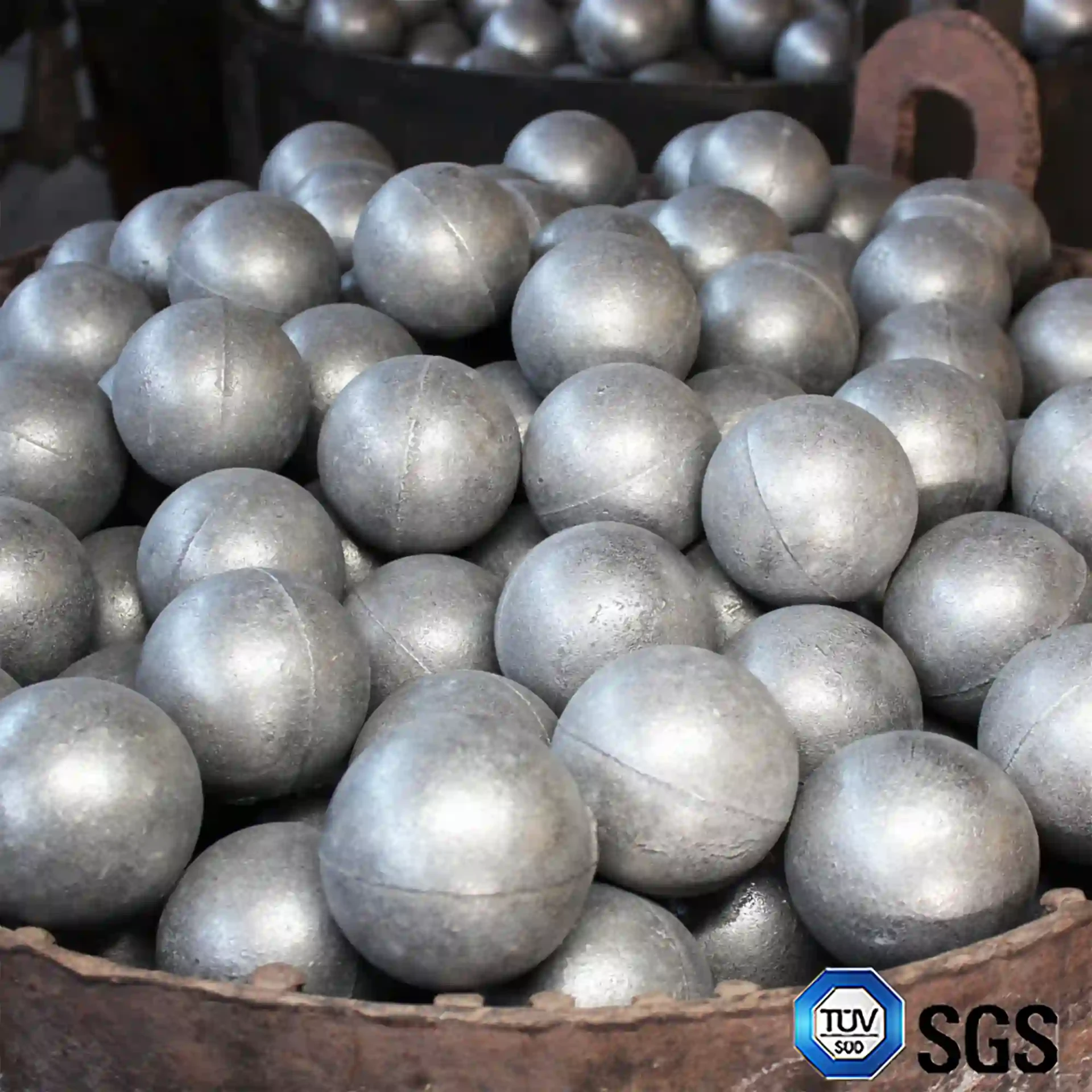
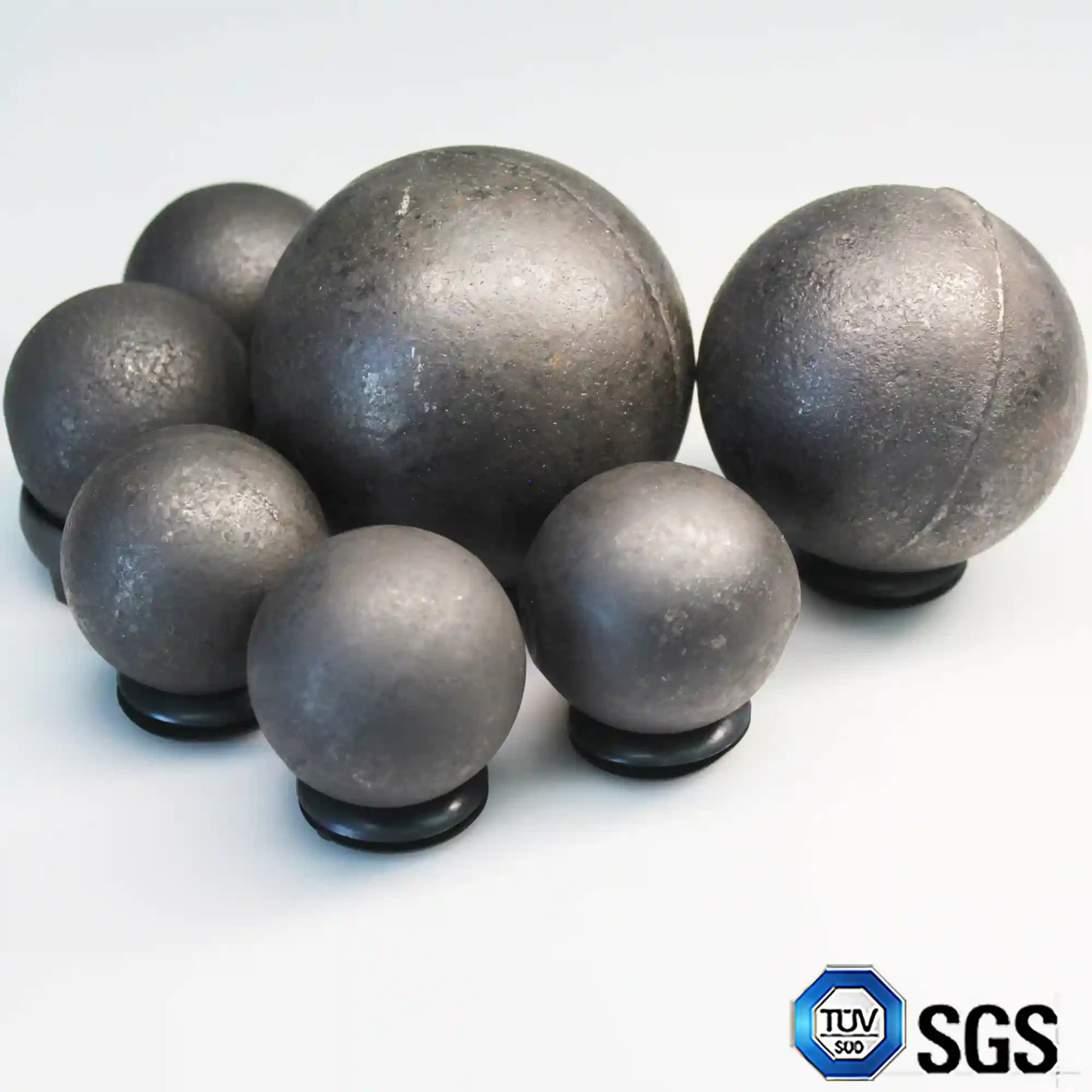
3T hardened manganese steel refers to a specific grade of Hadfield manganese steel that undergoes a hardening process. Hadfield steel, originally developed by Sir Robert Hadfield in 1905, is characterized by its high manganese content (typically around 12-14%). This high manganese content imparts unique properties, most notably work hardening. When subjected to impact, the surface of 3T manganese steel becomes significantly harder, offering exceptional resistance to abrasion and wear. The "3T" designation often indicates a specific thickness or treatment process, but generally points to enhanced hardness levels compared to standard Hadfield steel. Chengda Steel specializes in the production and supply of high-quality 3T hardened manganese steel for a wide range of industrial applications.
Key Highlights: Exceptional toughness, wear resistance, and impact strength, making it ideal for heavy-duty applications.
Key Properties of 3T Hardened Manganese Steel
Several key properties contribute to the superior performance of 3T hardened manganese steel: Work Hardening: This is arguably the most defining characteristic. Impact increases surface hardness significantly. High Toughness: Excellent resistance to fracture and crack propagation. Wear Resistance: Superior abrasion resistance, extending component lifespan. Impact Strength: Ability to absorb significant impact energy without failure. Weldability: While challenging, it can be welded using specialized techniques. Machinability: Typically requires specialized machining techniques due to its hardness. These properties make it suitable for applications where other steels would quickly fail under harsh conditions.
Key Property Benefits:
• Reduced maintenance and replacement costs.
• Increased operational efficiency.
• Enhanced safety in demanding environments.
• Prolonged service life of components.
3T Hardened Manganese Steel vs. Other Alloys
While many alloys offer varying degrees of hardness and strength, 3T hardened manganese steel distinguishes itself through its unique combination of properties. Compared to high-carbon steels, it exhibits superior toughness and wear resistance. Against tool steels, it offers a more cost-effective solution for applications requiring high impact resistance. Here’s a comparative overview:
Applications of 3T Hardened Manganese Steel
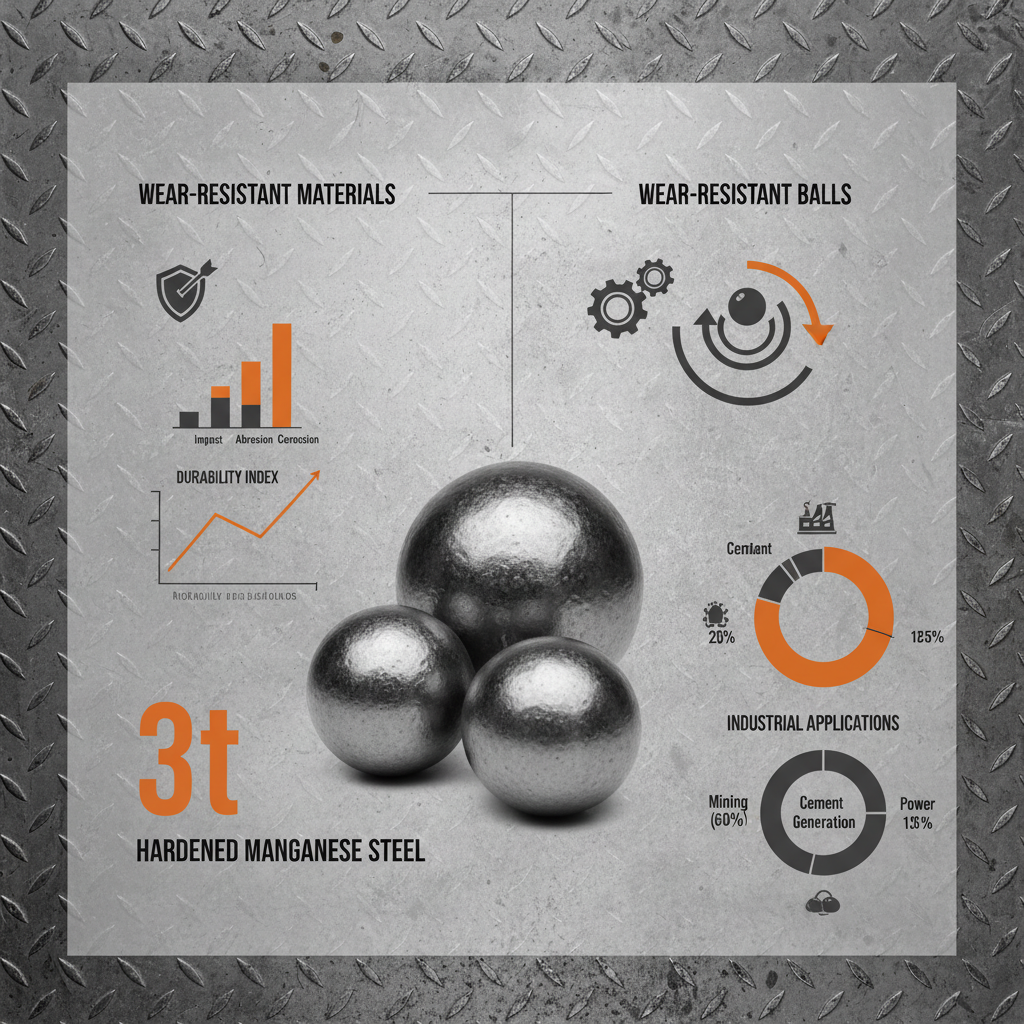
The unique properties of 3T hardened manganese steel make it invaluable in a wide array of applications: Mining & Quarrying: Rock crushers, excavator teeth, and other wear parts. Construction: Bucket teeth for excavators and loaders, ripper teeth. Railroad: Railroad crossings, switch points, and brake shoes. Agriculture: Cultivator shanks, plowshares, and other soil-engaging components. Heavy Machinery: Liners for chutes, hoppers, and conveyors. Chengda Steel provides tailored solutions for diverse application needs.
Manufacturing and Processing of 3T Hardened Manganese Steel
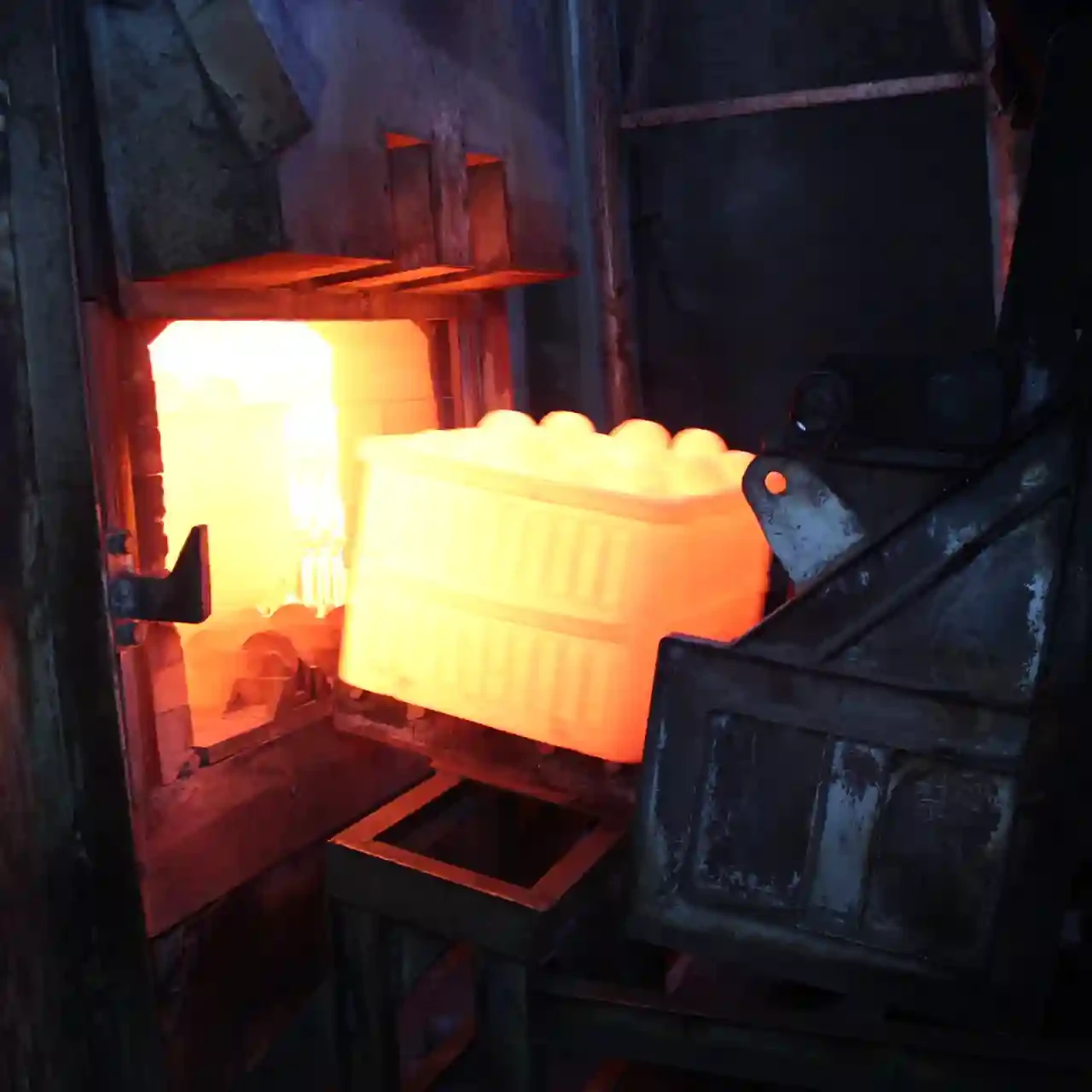
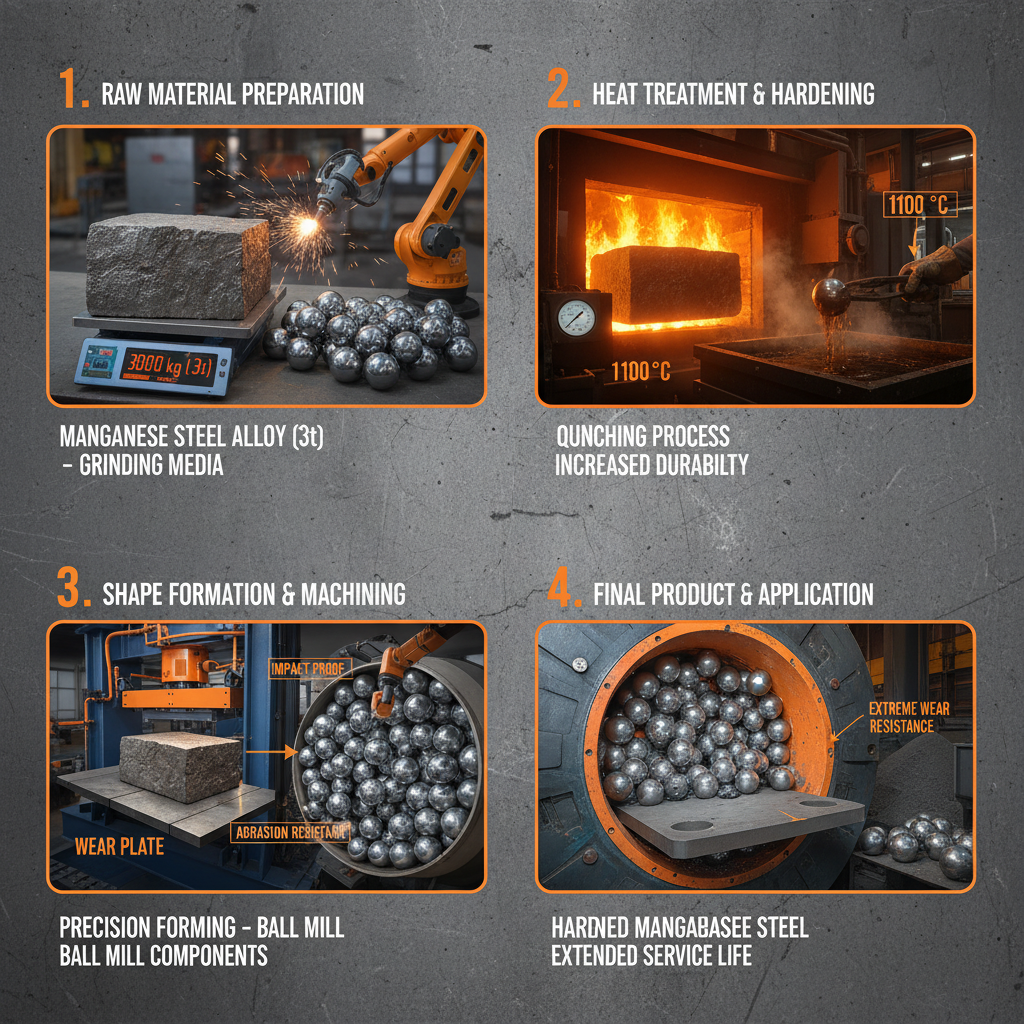
The production of 3T hardened manganese steel involves several key steps: Melting and Alloying: Precise control of manganese content (12-14%) and other alloying elements. Casting or Forging: Shaping the steel into the desired form. Heat Treatment: Crucial for achieving the desired hardness and toughness. This often involves quenching and tempering. Hardening Process: Specific hardening techniques are applied to optimize surface hardness and wear resistance. Chengda Steel employs advanced manufacturing processes to ensure consistent quality and performance.
Conclusion: Choosing the Right Material for Durability
3T hardened manganese steel stands out as a reliable and cost-effective solution for demanding applications. Its exceptional toughness, wear resistance, and work-hardening properties provide long-lasting performance in harsh environments. Investing in quality 3T manganese steel from a reputable supplier like Chengda Steel ensures optimal performance and reduces long-term costs.
Frequently Asked Questions (FAQs)
What are the limitations of 3T hardened manganese steel?
While incredibly durable, 3T hardened manganese steel has some limitations. It can be challenging to machine due to its high hardness, often requiring specialized cutting tools and techniques. It is also susceptible to corrosion in certain environments, necessitating protective coatings or appropriate alloy selection. Weldability can be complex, requiring preheating and post-weld heat treatment to avoid cracking. Finally, while tough, it can fracture under extremely high tensile stresses, so design considerations are crucial.
How does the work hardening process affect performance?
The work hardening effect is a key advantage. When subjected to impact, the surface layer of 3T manganese steel becomes significantly harder and more wear-resistant. This means that components actually become stronger with use, rather than weakening. This is particularly beneficial in abrasive environments where other materials would quickly degrade. However, the work hardening is localized to the impacted area, so it doesn’t affect the overall ductility of the material.
Is 3T manganese steel suitable for high-temperature applications?
Generally, 3T hardened manganese steel is not ideal for prolonged exposure to high temperatures. While it retains its strength at moderate temperatures, its hardness and toughness can decrease significantly at elevated temperatures (above 300°C / 572°F). For high-temperature applications, alternative alloys with greater heat resistance are recommended. However, short-term exposure to moderate temperatures is usually acceptable.
Where can I source high-quality 3T hardened manganese steel?
Chengda Steel is a leading supplier of high-quality 3T hardened manganese steel. We offer a wide range of sizes, shapes, and grades to meet your specific needs. Our commitment to quality and customer satisfaction ensures you receive a reliable product and exceptional service. Contact us today for a quote!
-
Industrial Guide to Ferro Manganese Medium Carbon for Steel Production
NewsApr.16,2026
-
Professional Guide and Best Practices for drilling manganese steel
NewsApr.09,2026
-
Comprehensive Guide to DIN 1.3401 Stainless Steel Properties and Applications
NewsApr.07,2026
-
Optimizing Crusher Performance with Durable Manganese Alloys and Steel
NewsApr.04,2026
-
Comprehensive Guide to Chrome Manganese Steel Properties and Industrial Applications
NewsMar.31,2026
-
Understanding the Properties and Applications of Cast Manganese Steel
NewsMar.28,2026