Mar . 31, 2026 02:15 Back to list
Comprehensive Guide to Chrome Manganese Steel Properties and Industrial Applications
Understanding Chrome Manganese Steel: Properties and Applications
Chrome manganese steel is a high-strength alloy steel renowned for its exceptional toughness, wear resistance, and ability to absorb impact. This versatile material finds widespread use in industries demanding durability and reliability, such as mining, construction, and railroad applications. This article will explore the composition, properties, manufacturing processes, and diverse applications of chrome manganese steel, offering valuable insights for engineers, procurement professionals, and anyone seeking a robust material solution. Explore more about our steel products at Chengda Steel.
Composition and Key Properties of Chrome Manganese Steel
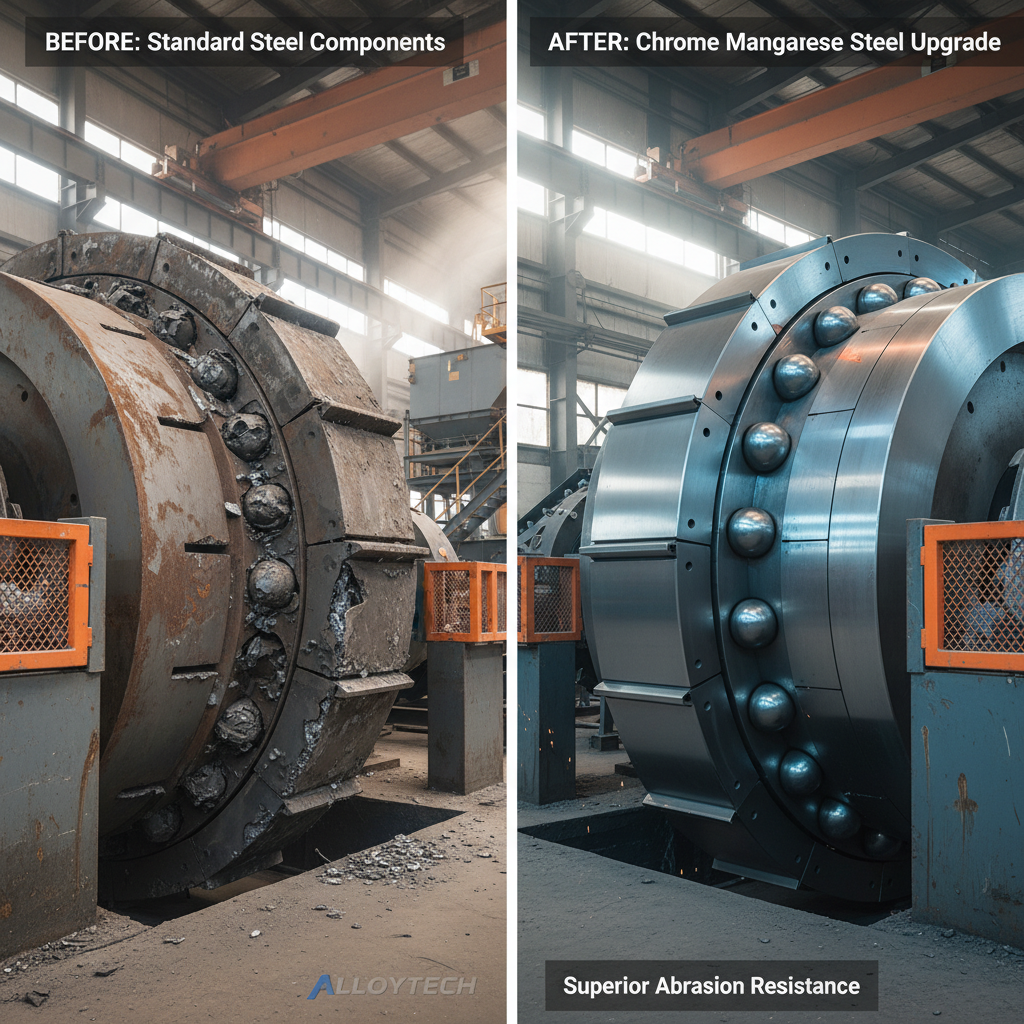
Chrome manganese steel typically contains between 11-14% manganese, 1.5-3.0% chromium, and a carbon content of around 0.15-0.30%. These elements contribute significantly to its distinctive properties. The high manganese content enhances its work-hardening capacity, making it incredibly resistant to wear and abrasion. Chromium improves its corrosion resistance and strengthens the steel matrix. The addition of carbon plays a critical role in increasing its strength and hardness. Furthermore, the steel exhibits excellent ductility and toughness, even at low temperatures, making it suitable for challenging environments. This steel’s unique combination of properties positions it as an ideal material for demanding applications.
Key Highlights: Exceptional toughness, wear resistance, and impact absorption make chrome manganese steel ideal for high-stress applications. Its work-hardening properties extend its lifespan and reduce maintenance costs.
Manufacturing Processes for Chrome Manganese Steel
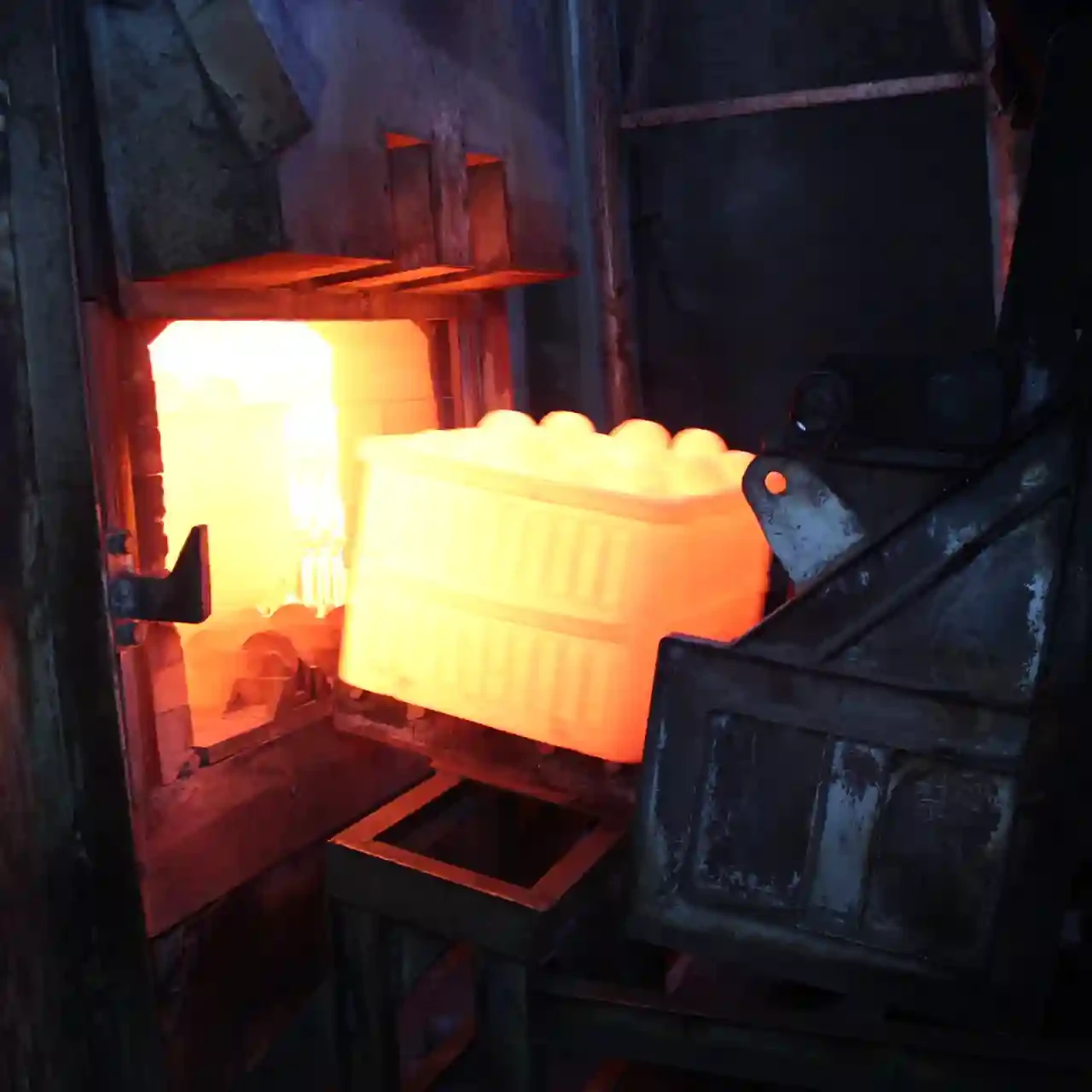
Chrome manganese steel is generally produced through electric arc furnace (EAF) melting and secondary refining processes. The molten steel is carefully controlled to achieve the desired chemical composition. Subsequent heat treatment processes, such as quenching and tempering, are crucial for optimizing its mechanical properties. Common heat treatment procedures include controlled cooling from high temperatures, followed by tempering to improve its ductility and toughness. Precise control over these processes is essential to ensure the steel meets specific application requirements. Chengda Steel employs advanced manufacturing techniques to deliver high-quality chrome manganese steel products.
Manufacturing Process Benefits:
• Precise control over chemical composition
• Optimized mechanical properties through heat treatment
• Consistent quality and reliability
• Advanced techniques ensure high-performance steel
Chrome Manganese Steel: Applications Across Industries
The exceptional properties of chrome manganese steel make it a preferred material in a broad spectrum of industries. In mining, it's extensively used in rock drills, crusher components, and excavator teeth due to its incredible wear resistance. In the railroad industry, it’s vital for manufacturing wheels, axles, and frog points, where high impact and fatigue strength are critical. Construction benefits from its use in heavy-duty machinery parts like bucket teeth and excavator arms. Furthermore, it finds applications in military armor, providing superior ballistic protection. The versatility and durability of this steel contribute to improved performance and extended service life in these demanding sectors.
Chrome Manganese Steel Grades and Product Forms
Chrome manganese steel is available in various grades and product forms to suit diverse application needs. Common grades include SAE 1420, SAE 1430, and ASTM A293. It can be supplied as forged bars, billets, castings, and plates. The choice of product form depends on the intended application and manufacturing process. Forged components generally offer higher strength and toughness, while castings are suitable for complex shapes. At Chengda Steel, we offer a comprehensive range of chrome manganese steel products tailored to your specifications.
Comparing Chrome Manganese Steel to Other Alloys
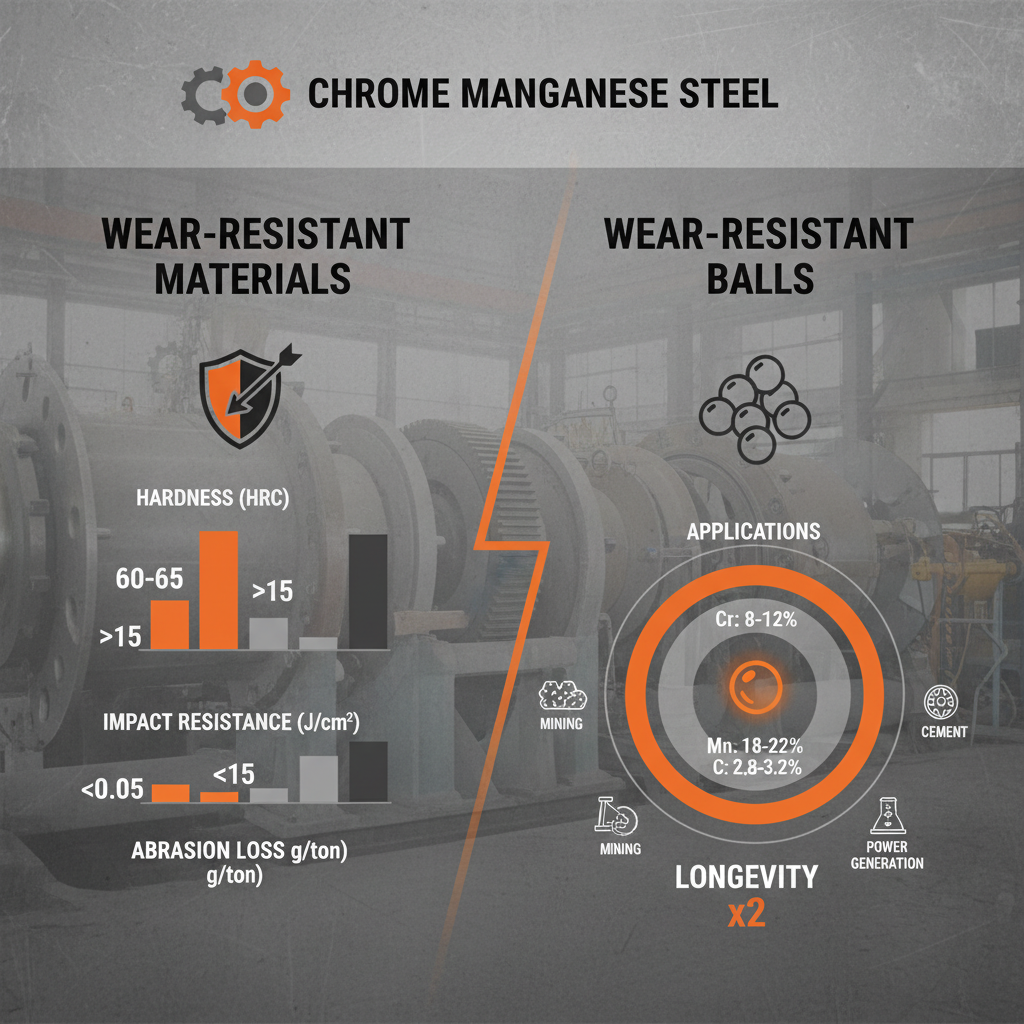
While several alloys offer high strength and wear resistance, chrome manganese steel distinguishes itself through its unique combination of properties. Compared to high-carbon steel, it exhibits significantly higher toughness and impact resistance. While alloy steels like tool steels offer exceptional hardness, they often lack the ductility and weldability of chrome manganese steel. Compared to stainless steel, chrome manganese steel provides superior wear resistance in abrasive environments, albeit with lower corrosion resistance. Therefore, selecting the appropriate alloy depends heavily on the specific application requirements and operating conditions.
Conclusion: The Enduring Value of Chrome Manganese Steel
Chrome manganese steel remains a crucial material for demanding applications across numerous industries. Its exceptional toughness, wear resistance, and work-hardening properties make it a cost-effective and reliable solution. Whether you require forged bars, castings, or plates, Chengda Steel is your trusted partner for high-quality chrome manganese steel products and expert support.
Frequently Asked Questions (FAQs)
What are the typical applications of chrome manganese steel in the mining industry?
Chrome manganese steel is a workhorse in mining operations due to its exceptional wear resistance. It’s commonly used in the manufacture of rock drill bits, crusher hammers and jaws, excavator teeth, and liners for chutes and hoppers. These components are subjected to intense abrasion and impact, and chrome manganese steel’s ability to harden under stress significantly extends their service life, reducing downtime and maintenance costs. It’s also found in components for conveyor systems and other heavy machinery used in mining.
What is the work-hardening property of chrome manganese steel?
Work-hardening, also known as strain hardening, is a phenomenon where a metal becomes harder and stronger as it is plastically deformed. Chrome manganese steel exhibits a remarkable work-hardening capacity because of its high manganese content. As the steel is subjected to impact and abrasion, its crystalline structure becomes more refined, increasing its resistance to further deformation. This means that components made from chrome manganese steel actually become more durable over time with use, rather than wearing down rapidly.
Can chrome manganese steel be welded?
While chrome manganese steel can be welded, it requires specialized techniques and precautions. Due to its high hardenability, it's prone to cracking during welding if proper procedures aren't followed. Preheating the steel before welding and using a low-hydrogen welding process are crucial. Post-weld heat treatment is often necessary to relieve stresses and prevent cracking. It’s generally recommended to consult with a welding specialist experienced with high-manganese steels for optimal results.
-
Industrial Guide to Ferro Manganese Medium Carbon for Steel Production
NewsApr.16,2026
-
Professional Guide and Best Practices for drilling manganese steel
NewsApr.09,2026
-
Comprehensive Guide to DIN 1.3401 Stainless Steel Properties and Applications
NewsApr.07,2026
-
Optimizing Crusher Performance with Durable Manganese Alloys and Steel
NewsApr.04,2026
-
Understanding the Properties and Applications of Cast Manganese Steel
NewsMar.28,2026