
Apr . 16, 2026 02:15 Back to list
Industrial Guide to Ferro Manganese Medium Carbon for Steel Production
The Ultimate Guide to Ferro Manganese Medium Carbon
In the complex world of metallurgy and steel production, the choice of alloys determines the final strength and durability of the product. ferro manganese medium carbon serves as a critical additive used to enhance the structural integrity of steel. By balancing manganese and carbon content, manufacturers can achieve the precise hardness and toughness required for industrial applications. Whether you are in automotive manufacturing or heavy machinery production, understanding the nuances of this alloy is essential for optimizing material performance and reducing production costs. In this comprehensive guide, we will explore its chemical properties, industrial advantages, and technical specifications.
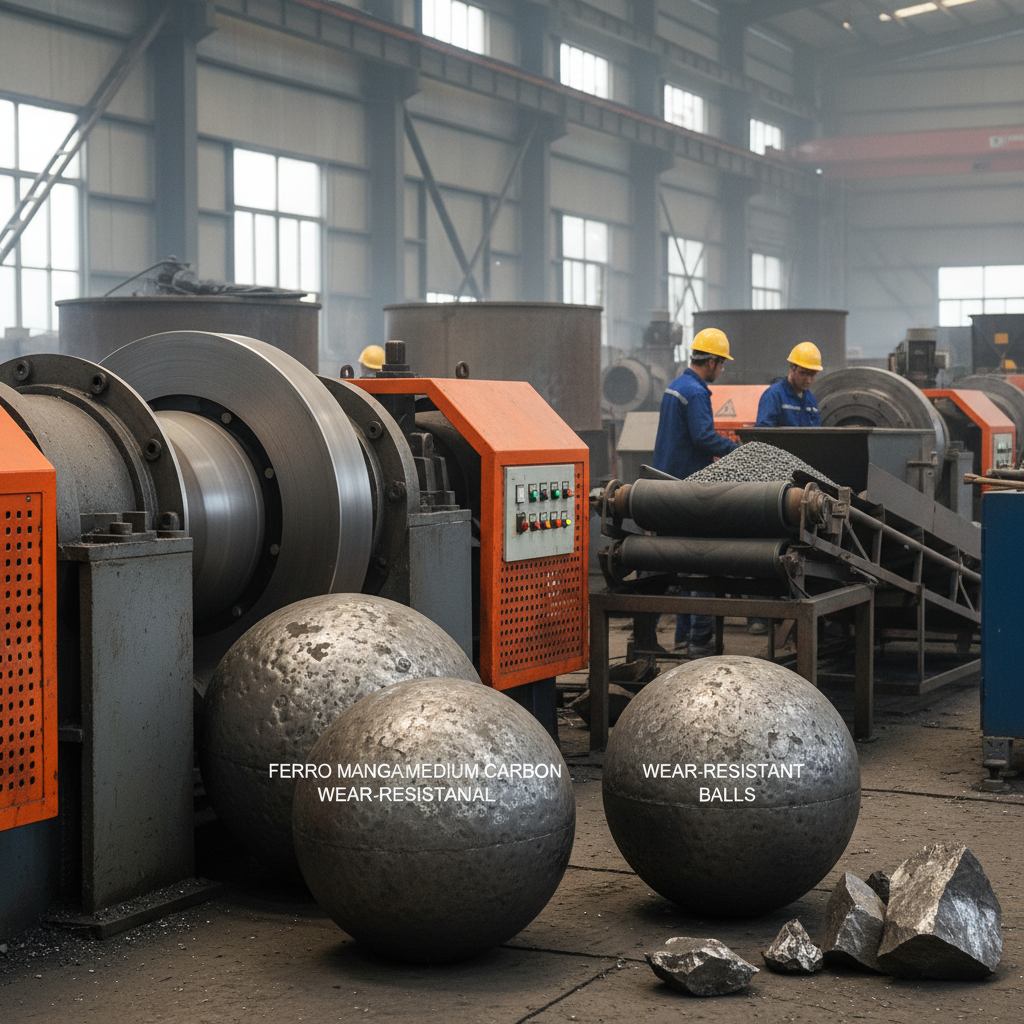
Chemical Composition and the Role of Manganese
The efficiency of ferro manganese medium carbon lies in its ability to act as a powerful deoxidizer and desulfurizer during the steelmaking process. Manganese prevents the formation of brittle sulfur compounds, which would otherwise lead to "hot shortness" or cracking during hot working. The "medium carbon" aspect ensures a balance between weldability and tensile strength, making it more versatile than high-carbon alternatives. By precisely controlling these elements, the alloy helps in refining the grain structure of the steel, resulting in a product that can withstand extreme mechanical stress without failing.
Industry Insight: The precise ratio of Mn to C in medium carbon variants is specifically engineered to optimize the hardenability of the steel through heat treatment processes.
Technical Specifications of Ferro Manganese Medium Carbon
Selecting the right grade of alloy requires a deep dive into the chemical analysis. High-purity ferro manganese medium carbon must adhere to strict industry standards to ensure consistent melting and alloying results. Factors such as the percentage of Phosphorus (P) and Sulfur (S) are kept to a minimum to avoid compromising the ductility of the final steel product. Below is a detailed specification table typically found in professional industrial procurement.
Comparing Ferro Manganese Medium Carbon vs. High Carbon
The decision to use ferro manganese medium carbon instead of a high-carbon variety often comes down to the intended application. High carbon alloys provide extreme hardness but are typically more brittle and harder to weld. Medium carbon variants provide a "sweet spot" of mechanical properties. They offer sufficient hardness for wear resistance while maintaining enough ductility to prevent sudden catastrophic failure under shock loads. This makes the medium carbon version the preferred choice for structural components and general-purpose alloy steels.
Key Performance Differences:
• Weldability: Medium carbon is significantly easier to weld than high carbon.
• Toughness: Better impact resistance in medium carbon grades.
• Processing: More stable during heat treatment cycles.
• Cost-Effectiveness: Optimized yield for standard structural steels.
Industrial Applications of Ferro Manganese
The versatility of ferro manganese medium carbon allows it to be used across various heavy-duty sectors. In the automotive industry, it is essential for producing crankshafts and gears that require high fatigue strength. In construction, it is used to manufacture high-strength reinforcing bars and structural beams. Furthermore, the railway sector relies on this alloy to create wear-resistant rails and wheels that can withstand the friction of thousands of tons of cargo daily. Its role as a refining agent ensures that the final steel is free from impurities that could lead to structural weak points.
Storage and Handling Precautions for Alloys
To maintain the purity and quality of ferro manganese medium carbon, proper storage is paramount. These materials should be kept in a dry, well-ventilated environment to prevent surface oxidation and moisture contamination. Because it is a heavy mineral product, handling requires specialized equipment to ensure worker safety and prevent material fragmentation. When integrating the alloy into a furnace, gradual addition is recommended to avoid temperature spikes and ensure a homogenous distribution of manganese and carbon throughout the molten steel bath.
Optimizing Production Costs with High-Quality Alloys
Many procurement managers focus solely on the price per ton, but the real value of ferro manganese medium carbon lies in its recovery rate. High-quality alloys have lower impurity levels, meaning more of the manganese actually bonds with the steel rather than being lost in the slag. This increases the overall efficiency of the melt and reduces the number of reheating cycles required. By sourcing from reputable suppliers who provide detailed chemical certifications, plants can significantly reduce waste and improve the consistency of their final steel grades.
Conclusion: The Strategic Value of Ferro Manganese
Selecting a high-grade ferro manganese medium carbon is not just a procurement decision, but a strategic technical choice. Its ability to refine steel, enhance hardness, and maintain toughness makes it indispensable for modern industrial manufacturing. By balancing the carbon content, producers can create materials that are both strong and workable. For those seeking reliable supply and technical excellence, investing in certified alloys is the only way to ensure long-term product reliability and industrial safety.
Frequently Asked Questions (FAQs)
What is the difference between medium carbon and high carbon ferro manganese?
The primary difference lies in the percentage of carbon. High carbon ferro manganese typically contains 6% to 8% carbon, making it an excellent source of both manganese and carbon for specific steel grades, but it can lead to brittleness if not managed. Medium carbon variants provide a more balanced approach, offering moderate carbon levels that enhance the hardenability of the steel while preserving better weldability and impact toughness. This makes the medium carbon version far more suitable for structural alloys and automotive components where a balance of strength and flexibility is required.
How does ferro manganese help in removing sulfur from steel?
Manganese has a high chemical affinity for sulfur. During the smelting process, manganese reacts with sulfur to form manganese sulfide (MnS), which has a higher melting point than iron sulfide (FeS). Unlike iron sulfide, which can create low-melting-point films between grain boundaries and cause the steel to crack during hot rolling (a phenomenon known as hot shortness), manganese sulfide exists as small, harmless globules. This process effectively "neutralizes" the negative effects of sulfur, ensuring the steel remains ductile and easy to process.
Where can I source high-purity ferro manganese medium carbon?
To ensure you receive a product with consistent chemical composition and low impurity levels, it is best to source from specialized metallurgical suppliers. Companies like Chengda provide professional-grade alloys with full certification and quality control. When choosing a supplier, always request a Mill Test Certificate (MTC) to verify the manganese and carbon percentages, as well as the levels of phosphorus and sulfur, to ensure the material meets your specific engineering requirements.
Does the carbon content affect the melting point of the alloy?
Yes, the carbon content has a noticeable impact on the physical properties and melting behavior of the alloy. Higher carbon content generally lowers the melting point of the ferro alloy, which can be advantageous for faster dissolution in the furnace. However, in the case of medium carbon ferro manganese, the balance is designed to ensure a stable melt that doesn't cause excessive carbon pickup in the final steel. Proper temperature control in the electric arc furnace (EAF) or ladle furnace is essential to maximize the recovery rate of the manganese without over-carburizing the steel.
-
Professional Guide and Best Practices for drilling manganese steel
NewsApr.09,2026
-
Comprehensive Guide to DIN 1.3401 Stainless Steel Properties and Applications
NewsApr.07,2026
-
Optimizing Crusher Performance with Durable Manganese Alloys and Steel
NewsApr.04,2026
-
Comprehensive Guide to Chrome Manganese Steel Properties and Industrial Applications
NewsMar.31,2026
-
Understanding the Properties and Applications of Cast Manganese Steel
NewsMar.28,2026