Dec . 12, 2025 00:45 Back to list
Types of Liner Plates: Materials, Uses & Vendor Insights
Types of Liner Plates: A Practical Guide from the Field
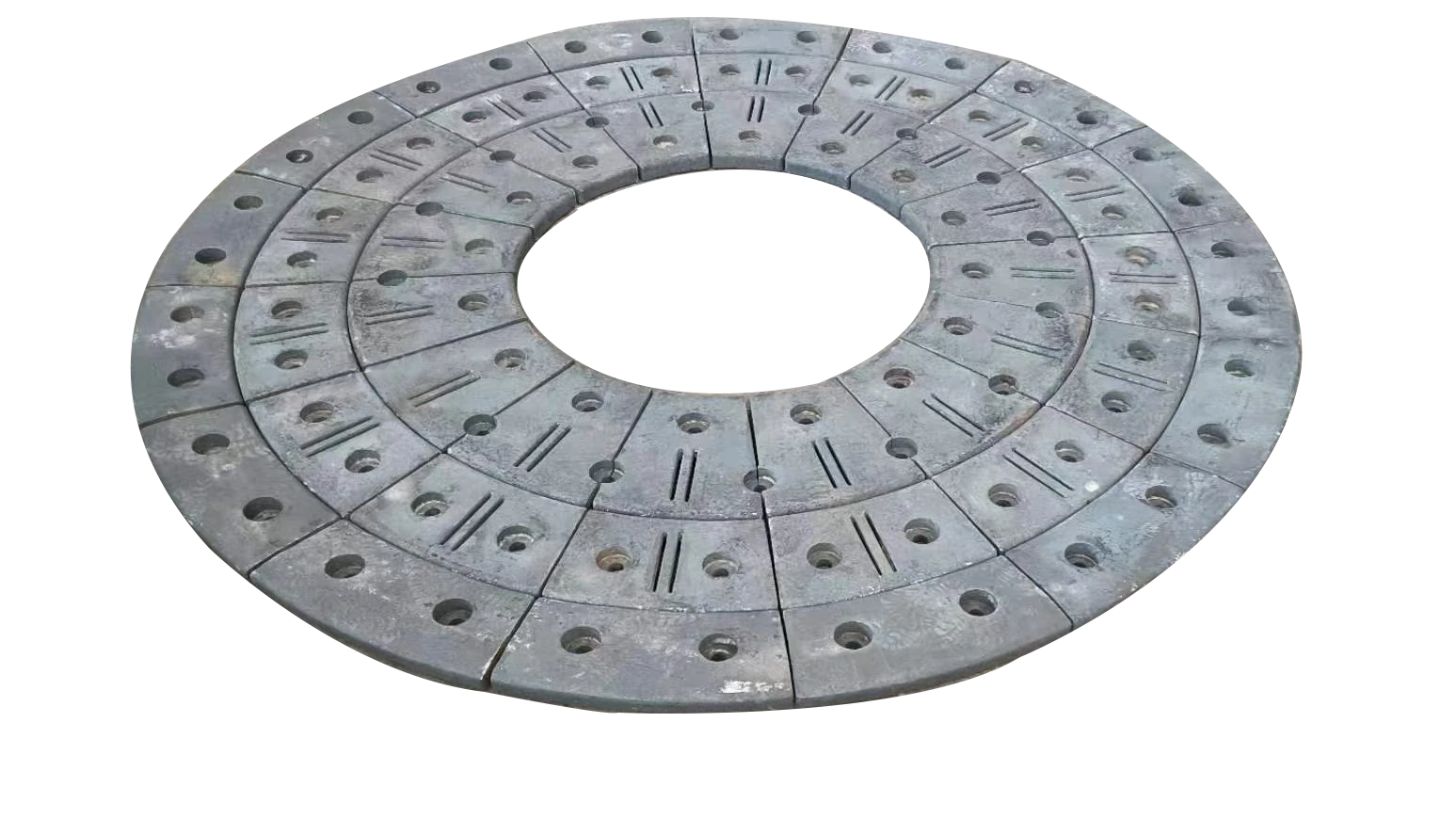
Working in the industrial equipment sector for more than a decade, I've seen a variety of liner plates come and go. For those not deep in the trenches, liner plates might sound like just another piece of metal, but there’s a surprising amount of design, testing, and application know-how behind them. These plates, often unseen, play a crucial role in protecting machinery, reducing wear, and ultimately saving companies thousands in downtime and repairs.
Let’s talk through some common types and why you might choose one over another in real-world use.
1. Mild Steel Liner Plates
Mild steel liner plates are, frankly, the workhorses of many industries. They aren’t the flashiest, nor the most wear-resistant, but they excel at absorbing impact and are easy to weld and customize on site. You’ll see these in less abrasive environments or where cost constraints dominate. I recall a job where a client needed quick replacements and mild steel liners did the trick — simple, reliable, and economical.
2. Hardox or Abrasion-Resistant Steel Plates
These plates have a high chromium content that’s heat-treated to boost hardness. If your operation involves heavy abrasion – think mining or cement plants, these are golden. Their lifespan can easily double or triple compared to standard steel. One thing I’ve learned: the initial cost seems steep, but the reduced downtime often offsets it fast.
3. Ceramic-Lined Plates
Oddly enough, combining steel with ceramic inserts is a popular solution for ultra-heavy wear. The ceramics offer incredible abrasion resistance, but they’re brittle — so the design is critical to prevent cracks or fractures. Installation can be more complex, and customization might take longer, but for certain operations, like coal handling, it’s absolutely worth it.
4. Rubber-Lined Plates
Sometimes softness is what you need. Rubber liner plates help reduce noise and vibration and are great for handling sticky or corrosive materials. I’ve noticed plants dealing with food processing or chemical sludge often prefer these. Plus, they’re easier on the machinery itself, in terms of impact forces.
Key Liner Plate Specs at a Glance
| Type | Hardness (HRC) | Typical Thickness (mm) | Primary Use | Key Advantage |
|---|---|---|---|---|
| Mild Steel | 120-180 HB | 6-20 | Low abrasion, impact protection | Cost-effective & easy to weld |
| Abrasion-Resistant Steel (e.g. Hardox) | 400-600 HB | 6-25 | High abrasion environments | Long wear life under wear |
| Ceramic-Lined Steel | 600+ (ceramic tile) | 10-30 | Extreme abrasion & impact | Exceptional wear resistance |
| Rubber Liner | Soft (Shore A 60-70) | 8-20 | Corrosive or sticky materials | Noise reduction & flexibility |
Choosing the Right Vendor: What to Watch For
You might think all liner plate manufacturers are the same, but experience told me otherwise. It comes down to material certifications, customization options, delivery times, and after-sales support. Here’s a quick comparison of three well-known suppliers:
| Vendor | Material Certification | Customization | Lead Time | Support |
|---|---|---|---|---|
| Chengda (cdchengda.com) | ISO 9001, EN 10051 | Full OEM & custom sizes | 3–4 weeks typical | Strong technical & after-sales |
| ABC Metals | In-house standards | Limited custom options | 2–3 weeks | Standard warranty only |
| Global Wear Solutions | Various international | OEM & limited custom | 4–5 weeks | Dedicated project managers |
Personally, I’ve worked most closely with Chengda. They combine quality with attention to customer needs which, frankly, is a rare combo in this space.
Final Thoughts
In the end, the “best” liner plate isn’t just about hardness or material. It’s about matching the plate to your operating conditions and being able to tweak that match when conditions change. You know, wear and tear is inevitable, but good liners can make it manageable. I suppose that’s why keeping a trusted supplier and knowing your options is a subtle but powerful part of sustaining industrial operations.
Keep this guide handy the next time you’re evaluating liners — or better yet, get your hands on a few samples and see for yourself.
References:
- Wear-Resistant Steel Plates, Industry Manual, 2023
- International Standards for Steel Lining, EN 10051 Documentation
- Personal Interviews & Field Tests, Industrial Equipment Sector, 2015-2023
-
Industrial Guide to Ferro Manganese Medium Carbon for Steel Production
NewsApr.16,2026
-
Professional Guide and Best Practices for drilling manganese steel
NewsApr.09,2026
-
Comprehensive Guide to DIN 1.3401 Stainless Steel Properties and Applications
NewsApr.07,2026
-
Optimizing Crusher Performance with Durable Manganese Alloys and Steel
NewsApr.04,2026
-
Comprehensive Guide to Chrome Manganese Steel Properties and Industrial Applications
NewsMar.31,2026
-
Understanding the Properties and Applications of Cast Manganese Steel
NewsMar.28,2026