Nov . 27, 2025 06:05 Back to list
Billes en Fonte: Durable Cast Iron Balls for Industrial Grinding & Sustainability
Understanding Billes en Fonte: Why These Cast Iron Balls Matter Worldwide
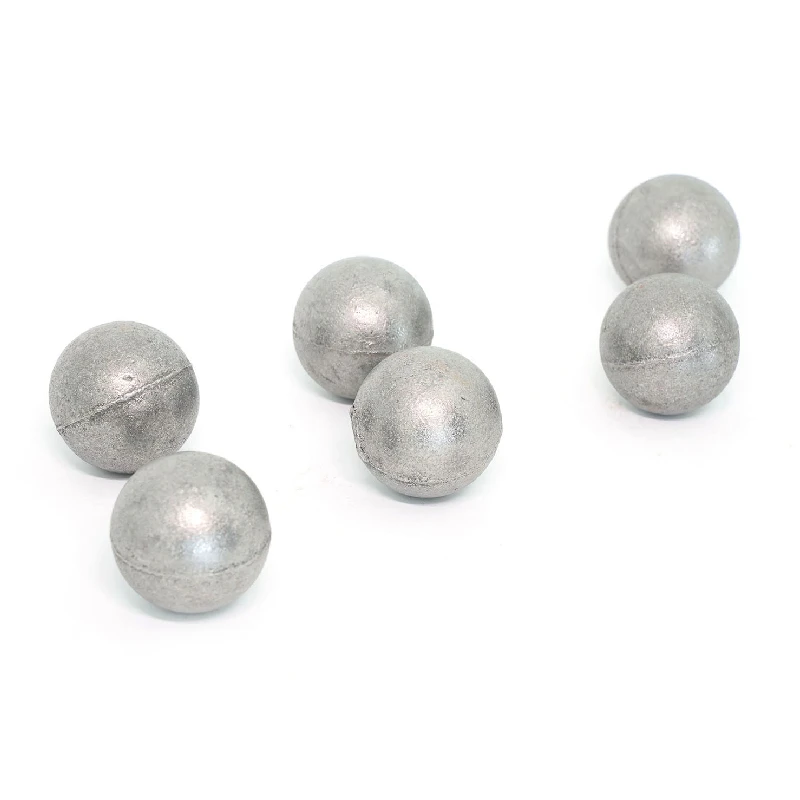
At first glance, billes en fonte might seem like a niche industrial component, but their global importance is surprisingly significant. These solid spheres of cast iron find uses across diverse heavy industries and infrastructure projects. From refining processes to groundbreaking recycling technologies, understanding what billes en fonte are and why they matter helps grasp a slice of the machinery that powers modern life. Plus, their durability and cost-effectiveness make them a quietly essential product globally.
It's astonishing to realize how something as simple as cast iron balls links to bigger challenges like sustainable manufacturing, industrial efficiency, and the circular economy — all of which are front and center in UN and ISO discussions.
Global Context: The Industrial Backbone You Might Overlook
Steel and cast iron industries collectively contribute trillions to the world economy — according to the World Steel Association, global crude steel production topped 1.9 billion tonnes in 2023. Within this vast sector, billes en fonte play a supporting yet crucial role. They're often used as grinding media in mining, cement production, and even wastewater treatment.
Here’s the catch: billions of tons of raw materials need processing to keep infrastructure running and construction booming. Without efficient grinding systems — often reliant on cast iron balls — energy consumption and production costs skyrocket. This inefficiency impacts everything downstream — gas emissions, product pricing, and ultimately, the environment.
So, it’s not just an iron ball. It’s a tiny but mighty cog in global efforts to improve industrial sustainability and resource use.
What Exactly Are Billes en Fonte?
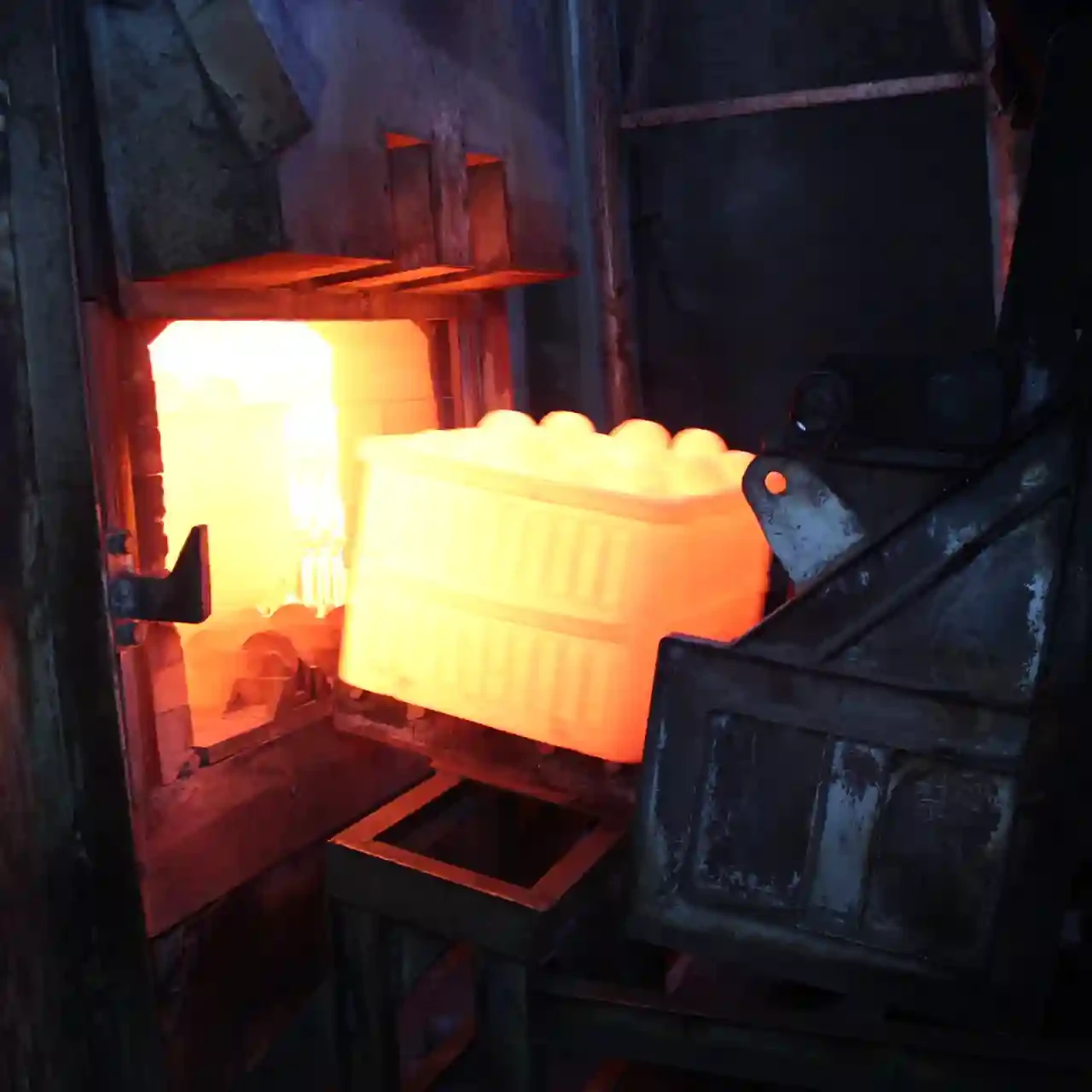
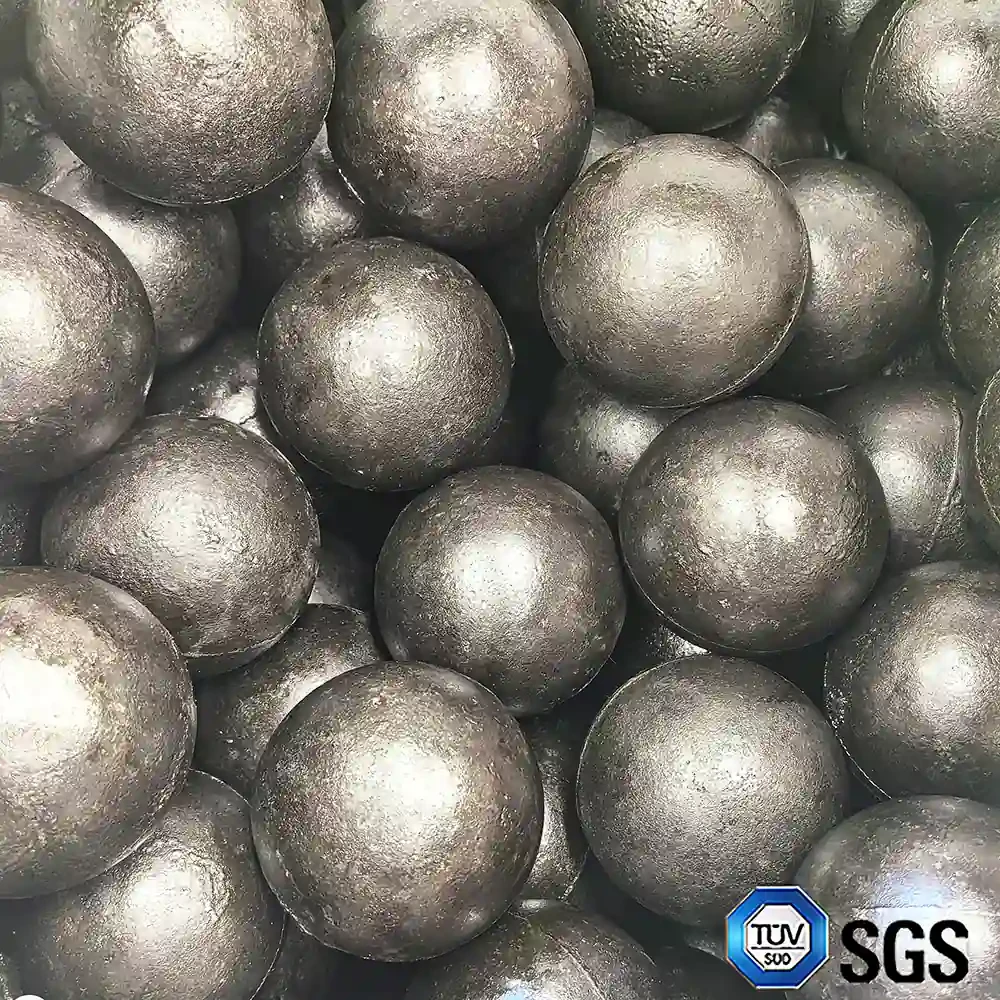
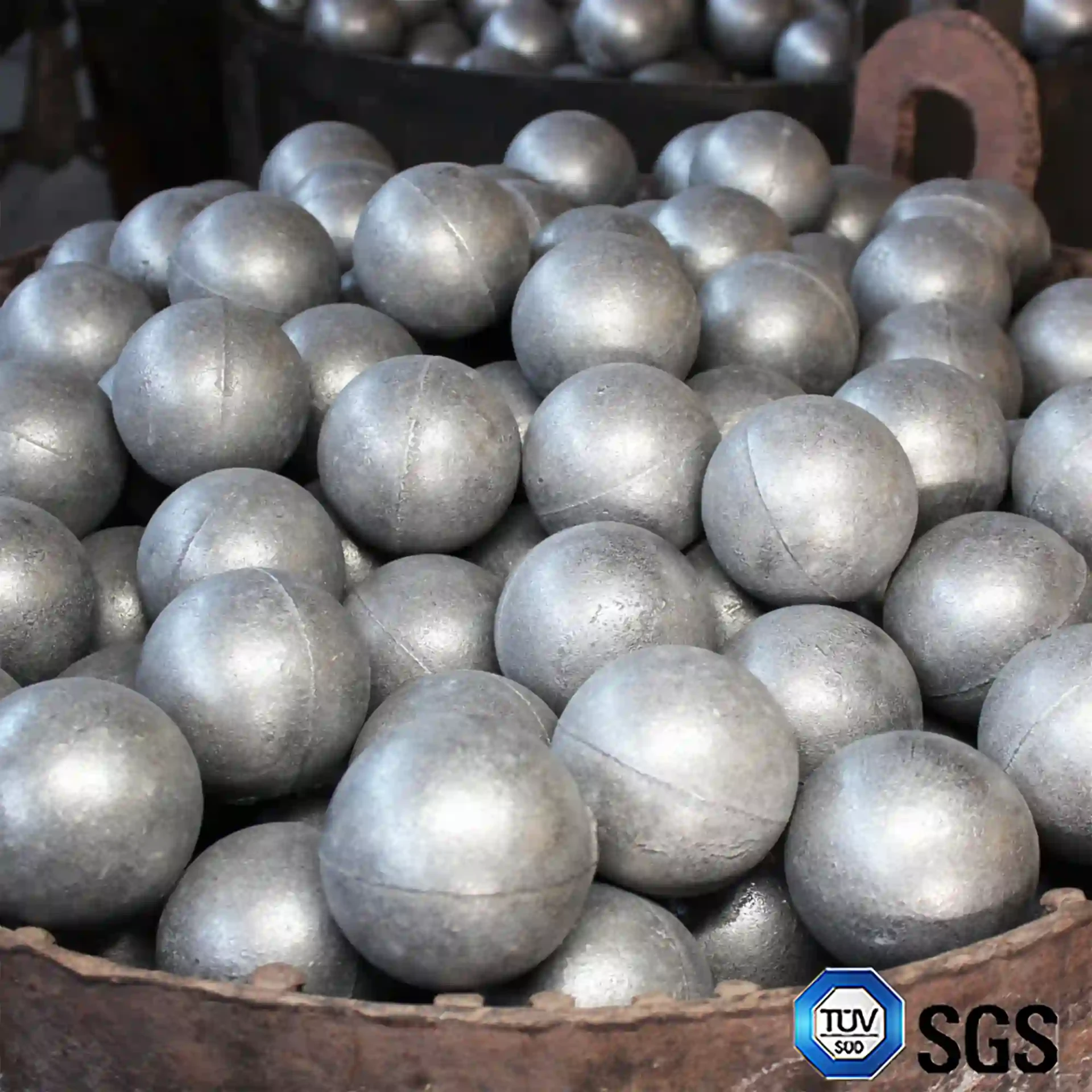
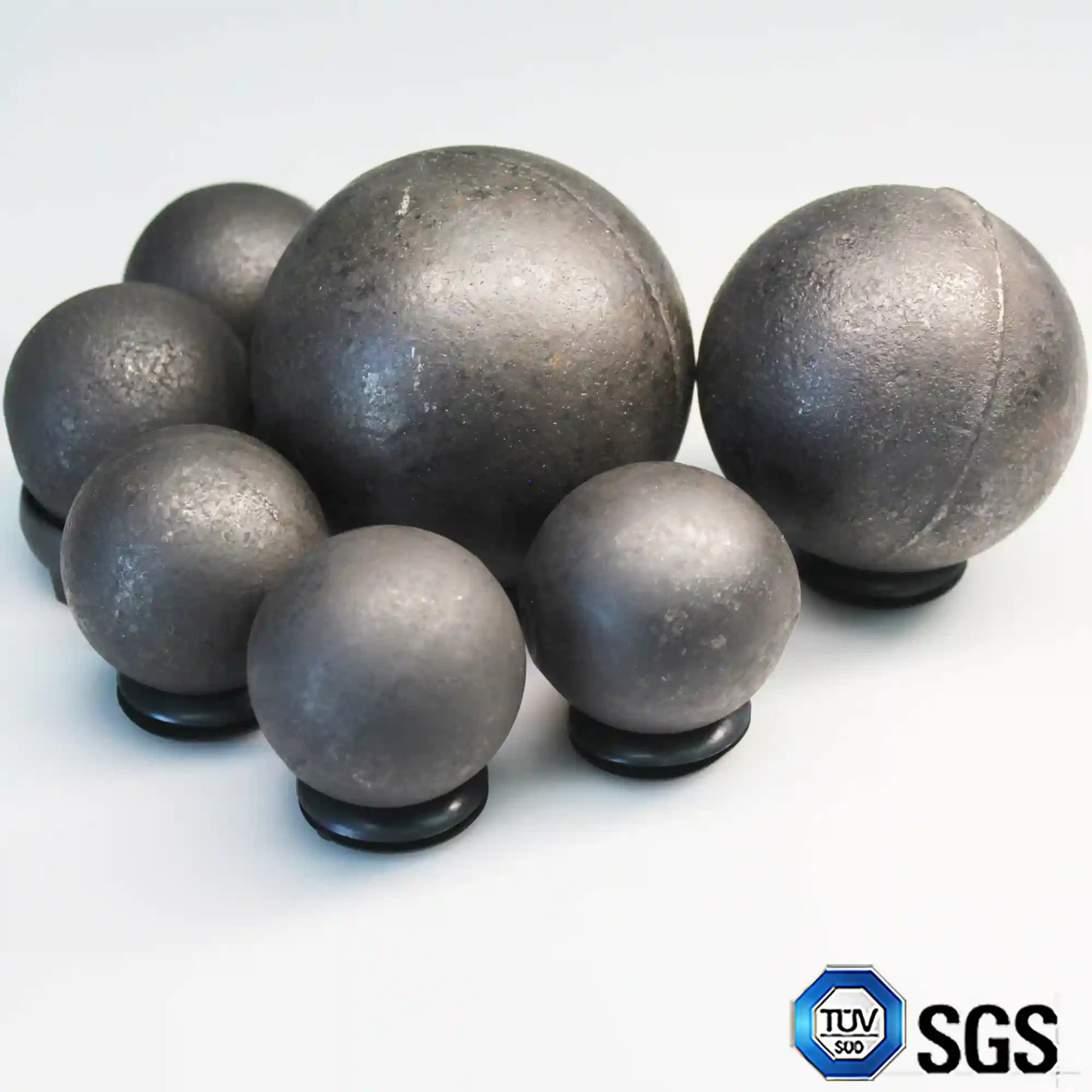
Simply put, billes en fonte are solid spheres crafted from cast iron. They originate by pouring molten iron into spherical molds, resulting in balls typically ranging from a few millimeters up to several centimeters in diameter. Their heavy weight and dense nature make them perfect for mechanical grinding and crushing.
Industry-wise, these balls are the unsung heroes inside ball mills—massive rotating drums that pulverize ore, coal, cement clinker, glass, and many other raw materials. Without them, many essential manufacturing processes would lose efficacy.
Due to their robustness and versatility, billes en fonte also help in water purification systems and appear in some emerging humanitarian solutions where durable, affordable materials are desired for infrastructure in developing regions.
Key Components That Give Billes en Fonte Their Edge
1. Durability: Built to Last and Resist Wear
Roughly 60–70% of the composition is carbon with varying amounts of silicon and manganese, giving these balls their hardness and abrasion resistance. They endure continuous impacts in industrial mills grinding hard materials — in some cases lasting years without replacement. It’s no surprise that many engineers consider them among the most cost-efficient grinding media.
2. Cost Efficiency: Economical But Not Cheap
When compared with alternative grinding media like steel or ceramic balls, cast iron variants typically offer a much gentler price point without sacrificing performance. Since they're recyclable, many operators weigh the long-term costs favorably.
3. Versatility: Sizes and Grades for Any Job
Depending on the application — mining ores versus pulverizing coal for thermal plants — ball diameter and alloy grades shift accordingly. This customization ensures maximum impact energy transfer tailored to materials being processed.
4. Environmental Footprint: Sustainability in the Details
As more industries pursue circular economy protocols, manufacturers strive to source or produce these cast iron balls with lower carbon footprints. Re-melting scrap iron reduces raw resource extraction, and longer life cycles prevent premature waste.
5. Quality Control & Testing
Many factories employ strict standards compliant with ISO 9001 quality management systems, involving hardness tests, dimensional inspections, and chemical composition analyses to guarantee consistent product performance on global projects.
Mini Takeaway: The humble cast iron ball may feel mundane, but its tailored properties and long service life answer industrial demands for durable, economical grinding media — making it indispensable in multiple sectors.
Real-World Applications Across the Globe
- Mining in Africa and Australia: Billes en fonte grind ore to extract gold, copper, and aluminum that fuel economies.
- Cement Production in Asia: The balls handle crushing clinker efficiently, supporting booming infrastructure developments.
- Water Treatment in Europe: Used in water treatment plants for sludge grinding, contributing to cleaner cities.
- Post-Disaster Reconstruction: In rebuilding fragile roadbeds or municipal services, durable billes en fonte equipment provide reliable results under tough conditions.
Oddly enough, their presence in remote industrial zones speaks to a convergence of technology and resilience, marrying old-school materials science with 21st-century needs.
Product Specification Table: Typical Billes en Fonte
| Specification | Typical Range | Notes |
|---|---|---|
| Diameter | 15–120 mm | Custom sizes for various mills |
| Hardness (Brinell) | 180–280 HB | Durability against wear |
| Composition | ~3.0% C, 1.5–3.0% Si | Typical cast iron alloy |
| Density | 7.2 g/cm³ | Heavy to develop impact forces |
| Tolerance (diameter) | ±0.3 mm | Ensures mill balance and efficiency |
Vendor Comparison: Leading Billes en Fonte Manufacturers
| Vendor | Quality Assurance | Customization Range | Lead Time | Sustainability Initiatives |
|---|---|---|---|---|
| CD Chengda | ISO 9001 Certified | Diameter 10-120mm, Multiple Grades | 4–6 weeks | Recycled Material Use, Energy Saving Processes |
| IronWorks Global | Internal QA & ASTM Standards | Limited Sizes (20-100mm) | 6–8 weeks | Minimal |
| GreenCast Solutions | ISO & Environmental Certifications | Custom Alloy & Sizes | 8–10 weeks | Strong Focus on Sustainability |
Advantages and Long-Term Value of Billes en Fonte
When weighing the total cost of ownership, cast iron balls shine. They require less frequent replacement, saving downtime in intense industrial environments — a priceless benefit in operations with tight schedules or hazardous conditions. They’re also recyclable, which appeals to businesses targeting sustainable sourcing as part of their corporate social responsibility.
There’s an emotional side, too. Knowing your project relies on reliable, time-tested materials can bring peace of mind, especially in critical sectors like water sanitation or disaster reconstruction. Innovation might take the spotlight, but rarely get the credit like these steadfast components quietly deliver.
Future Trends: Innovation & Sustainability in Billes en Fonte
Oddly, the world of cast iron spheres is evolving. Research into alloy optimization incorporating rare earth elements is underway to improve hardness without sacrificing brittleness. Meanwhile, automation and AI-driven quality checks are reducing defects, meaning less waste.
Environmentally, more manufacturers are committing to carbon-neutral production through green energy usage and closed-loop recycling systems. Since industries are held increasingly accountable by ISO 14001 environmental standards, expect to see billes en fonte suppliers shipping more eco-conscious products soon.
Common Challenges and How to Solve Them
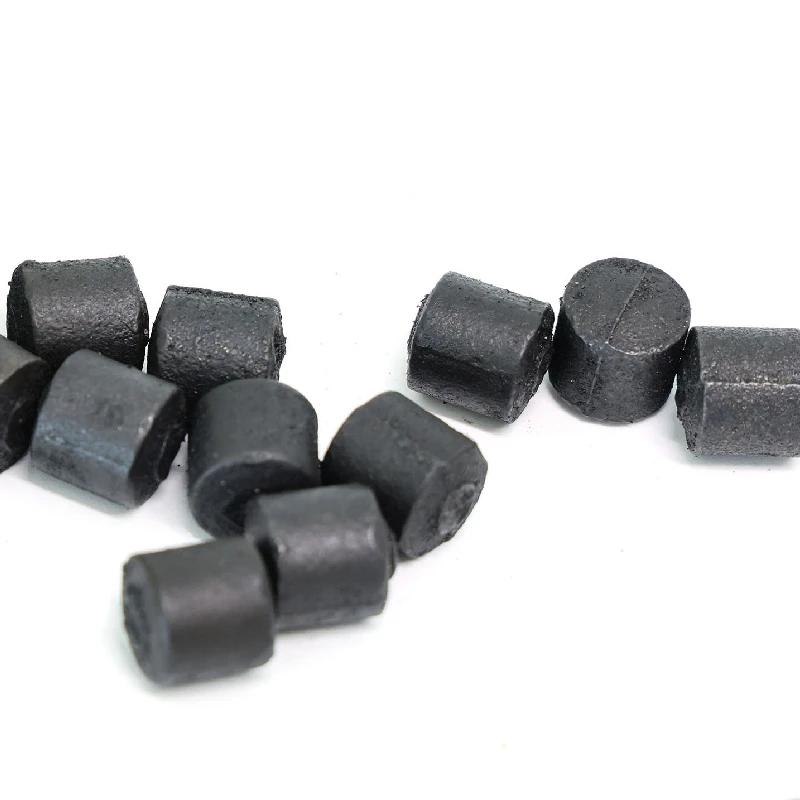
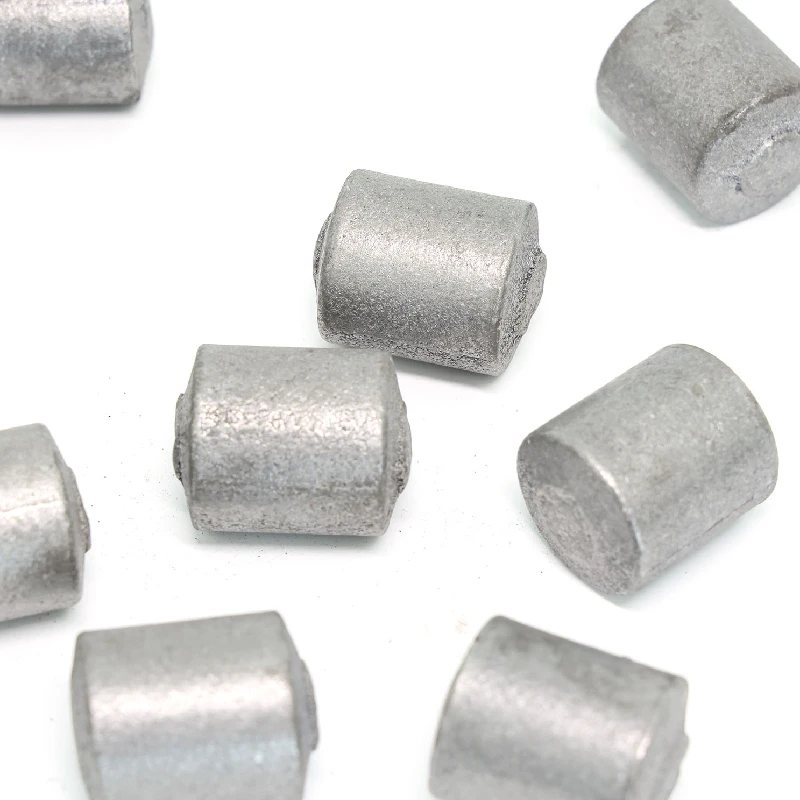
One frequent concern is premature wear or fracturing under extreme load. This often stems from substandard raw materials or improper heat treatment. Working with reliable vendors with strict controls helps cut risk. Some industries are experimenting with hybrid balls combining cast iron with other composites for specific uses.
Another challenge is timely delivery — global supply chain ups and downs still make sourcing unpredictable. Buffer inventory and multi-vendor strategies are common industrial responses.
FAQ: Your Burning Questions About Billes en Fonte
- Are cast iron balls better than steel balls for grinding?
- Cast iron balls usually cost less and offer good wear resistance, but steel balls are tougher and often preferred for more abrasive materials. It boils down to the specific application and budget.
- How long does a typical bille en fonte last in a ball mill?
- Under normal operation, a quality cast iron ball can last several years. Factors like mill speed, material hardness, and maintenance routines affect lifespan.
- Can billes en fonte be recycled after use?
- Absolutely. They’re made from cast iron, which is highly recyclable. Many manufacturers reclaim and remelt old balls, reducing raw material needs.
- Do billes en fonte vary by region or supplier?
- Yes. Chemical composition and production methods can vary between countries and manufacturers. That’s why choosing certified suppliers, such as CD Chengda, assures consistent quality.
Conclusion: Why Billes en Fonte Will Keep Rolling Forward
At the end of the day, billes en fonte are more than just iron spheres — they’re reliable workhorses in industries that matter most to global infrastructure and sustainability. Their durability, cost-effectiveness, and evolving innovations ensure they’ll keep grinding alongside human progress for years to come.
If you want to explore superior billes en fonte tailored to your needs, don’t hesitate to visit our website and discover what quality and service can truly look like.
Mini takeaway: The quiet strength of cast iron balls reminds us that sometimes, the smallest parts keep the biggest machines moving — quite literally.
References:
-
Industrial Guide to Ferro Manganese Medium Carbon for Steel Production
NewsApr.16,2026
-
Professional Guide and Best Practices for drilling manganese steel
NewsApr.09,2026
-
Comprehensive Guide to DIN 1.3401 Stainless Steel Properties and Applications
NewsApr.07,2026
-
Optimizing Crusher Performance with Durable Manganese Alloys and Steel
NewsApr.04,2026
-
Comprehensive Guide to Chrome Manganese Steel Properties and Industrial Applications
NewsMar.31,2026
-
Understanding the Properties and Applications of Cast Manganese Steel
NewsMar.28,2026