Nov . 27, 2025 03:35 Back to list
Everything You Need to Know About Boules de Broyage Moulées | Chengda Grinding Media
Understanding Boules de Broyage Moulées: Why They Matter Globally
If you've ever wondered about the tiny yet mighty components shaping industries worldwide, boules de broyage moulées are a prime example. These cast grinding balls might sound niche, but they play a pivotal role in mining, cement production, and various processing industries. Simply put, mastering their selection and use has ripple effects on efficiency, sustainability, and cost control on a global scale.
In fact, according to the International Organization for Standardization (ISO), optimizing grinding media can increase milling efficiency by roughly 15-20%, reducing energy consumption and material waste — a big deal in today's eco-conscious world. Understanding these grinding balls isn't just about industry insiders; it's about recognizing a key driver behind everyday products, infrastructure, and even environmental impact.
The Global Context: Industrial Backbone and Environmental Challenge
Across continents, from the copper mines of Chile to the steel mills of South Africa, boules de broyage moulées are workhorses breaking down raw materials into usable powders. Global mining output, as tracked by the United Nations Statistics Division, is rising steadily — a testament to increasing demand for electronics, construction, and clean energy technologies. But here's a challenge: the energy-intensive grinding process consumes 30-40% of a plant's energy budget. Minimizing this through better grinding balls is a quiet revolution helping industries cut carbon footprints.
Oddly enough, this grinding media also has humanitarian echoes — by making mineral extraction and material processing more efficient, it indirectly supports infrastructure projects and essential manufacturing worldwide.
What Exactly Are Boules de Broyage Moulées?
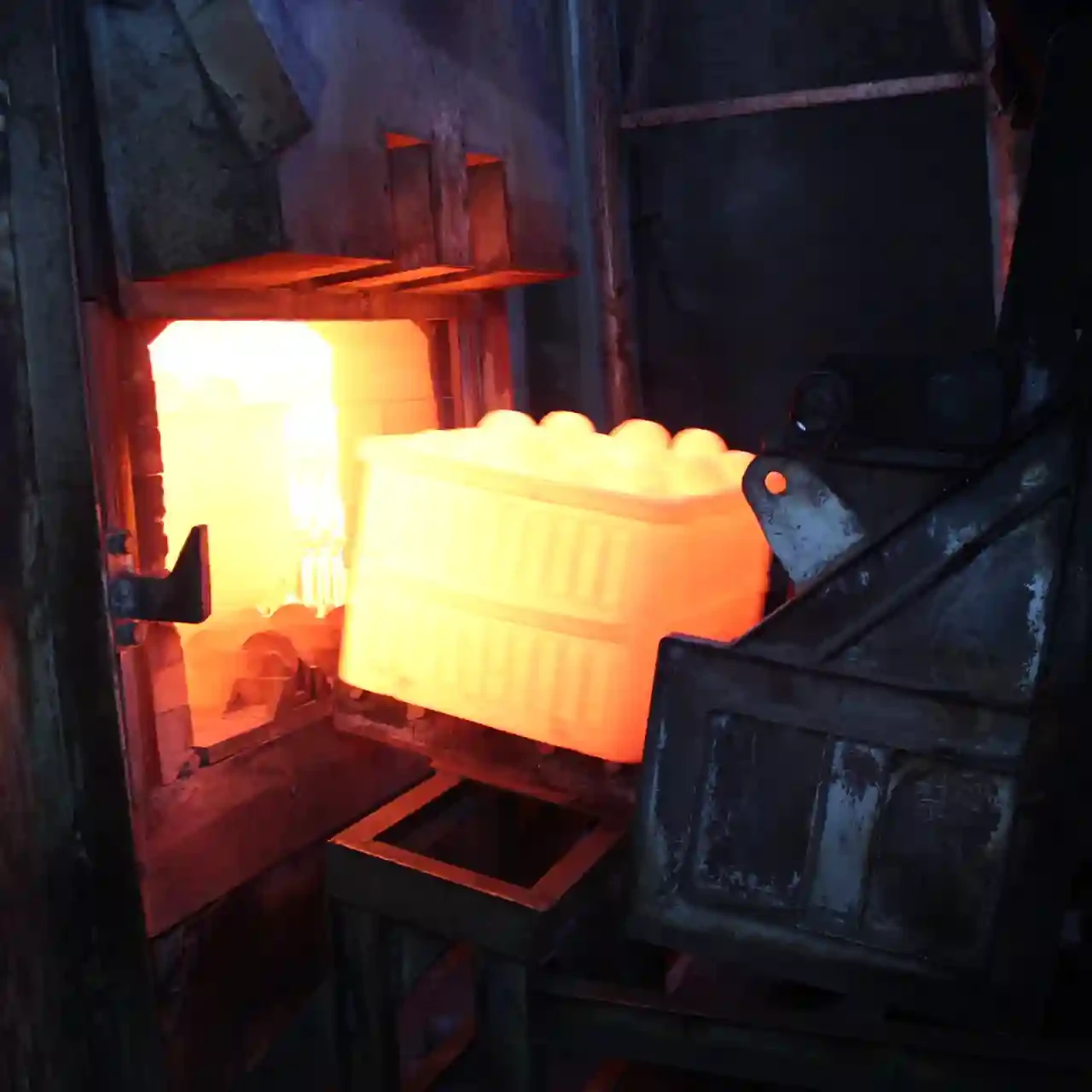
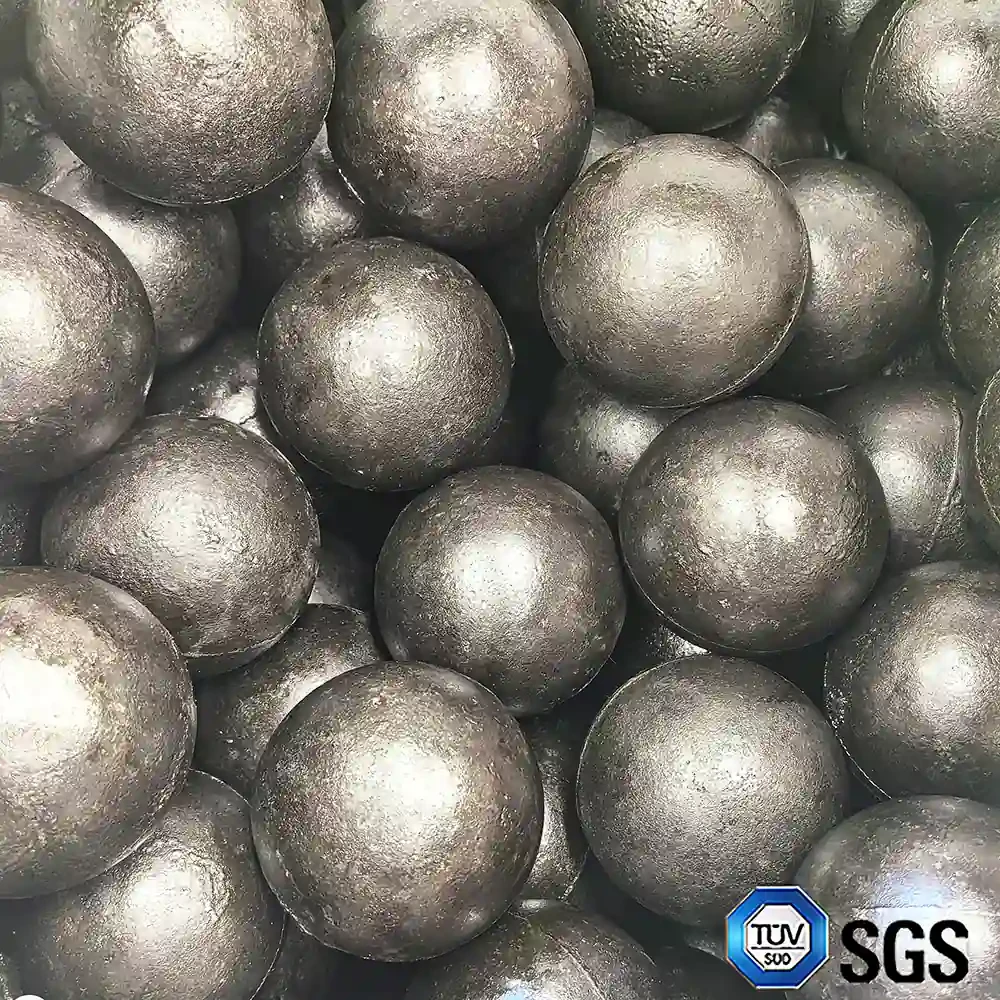
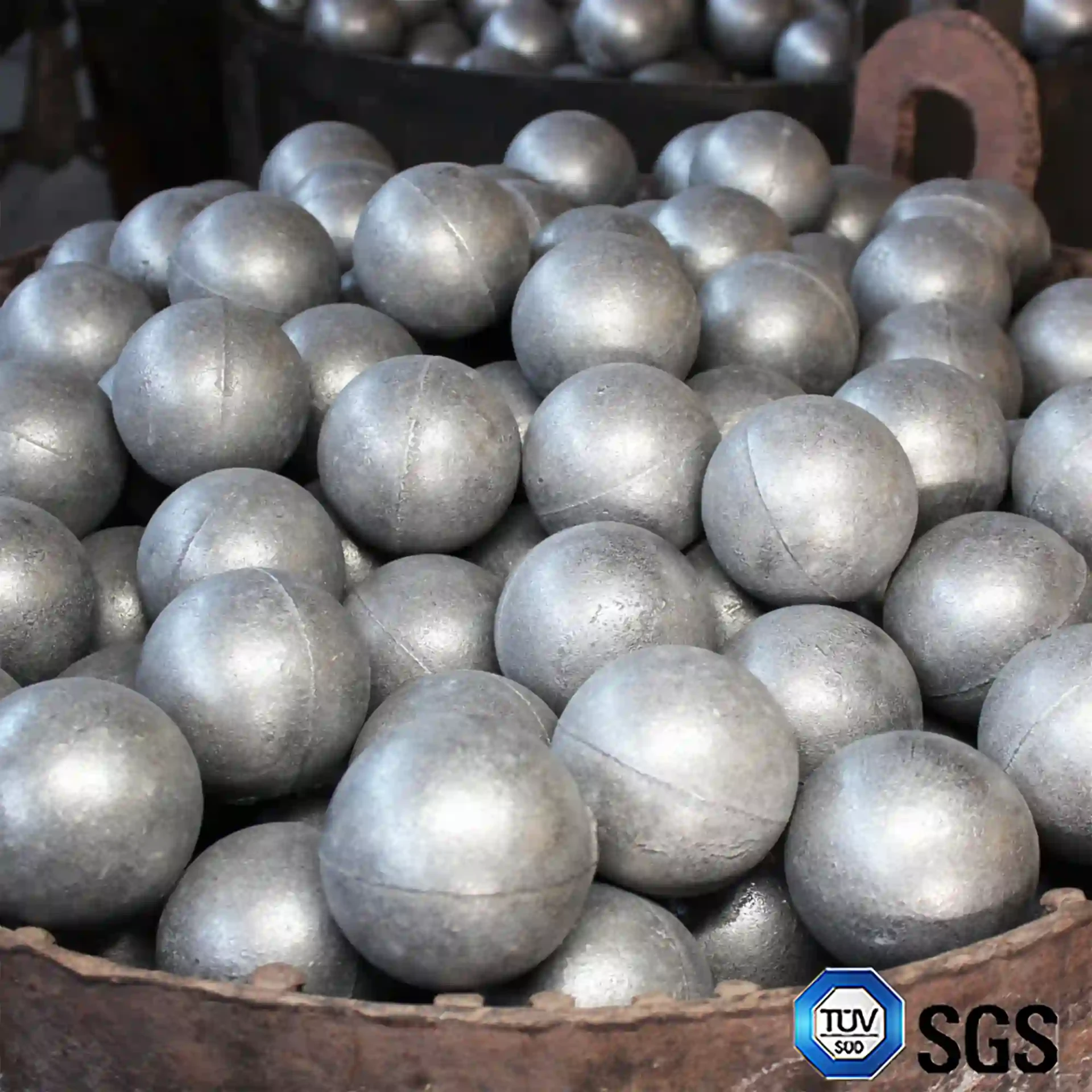
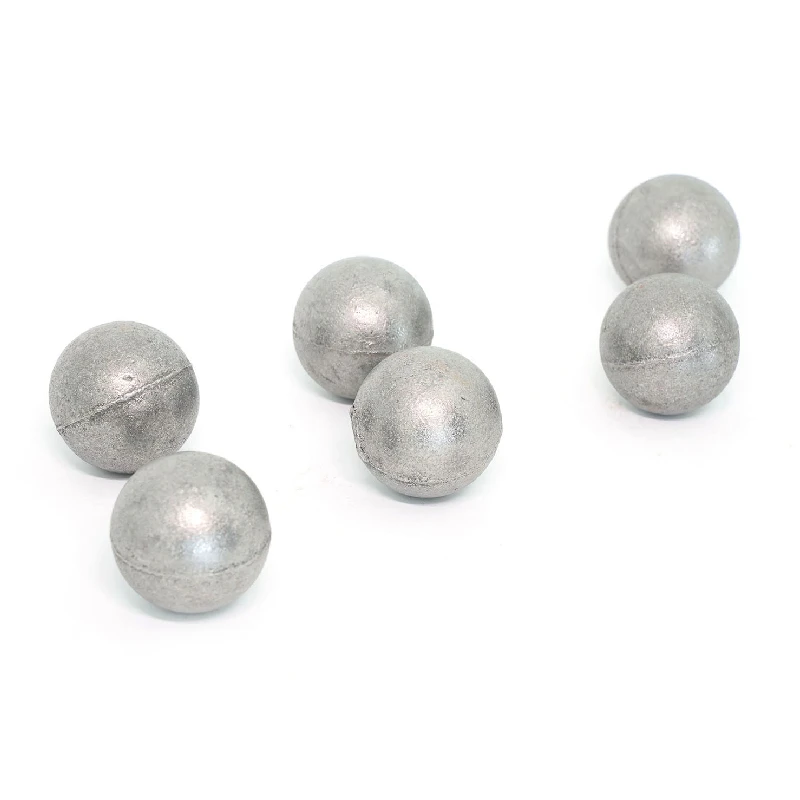
The phrase literally translates from French as "cast grinding balls," which is about as straightforward as it gets. These are spherical metal objects, often steel, forged or cast to specific sizes and weights, used inside tumbling mills to crush and grind raw materials such as ores, cement clinker, or coal.
Their role? Simple but critical. As the mill rotates, the balls tumble and collide with the material, breaking it down mechanically. The quality, size distribution, and material properties of these grinding balls directly influence productivity and operating costs.
Mini Takeaway:
Even though they’re small in size, cast grinding balls are mighty contributors to efficiency and sustainability on a massive scale.
Core Factors Influencing Grinding Ball Performance
1. Durability and Hardness
The balls face constant impact and abrasion — so they need to be tough. Manganese steels and high-chrome alloys are common materials, striking a balance between hardness and toughness. Too hard? The balls crack easily; too soft? They wear out quickly. Manufacturers often employ heat treatment processes to optimize properties.
2. Size and Weight Distribution
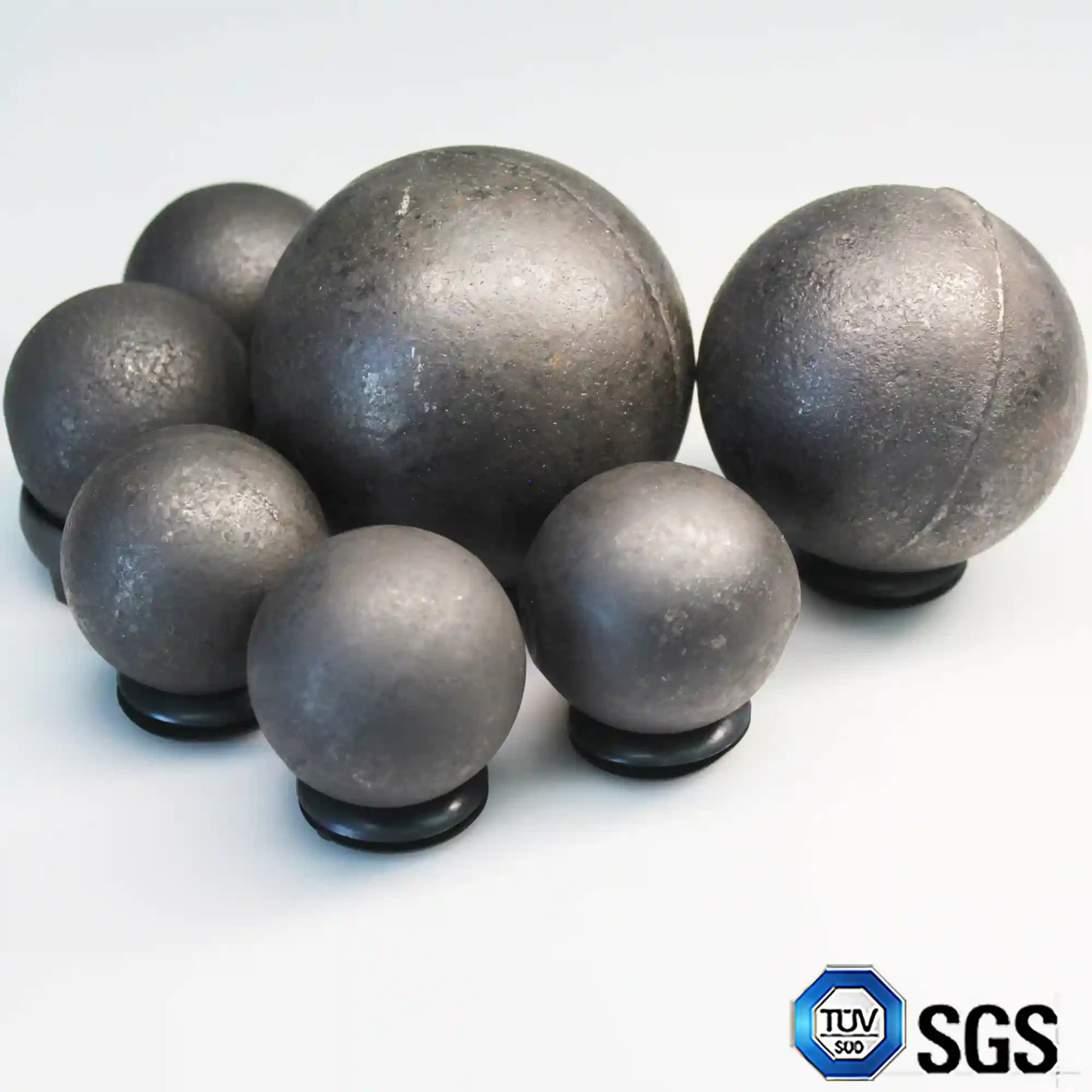
It’s not just about a uniform diameter. Varying ball sizes allow for optimal grinding, especially when breaking down complex ores; smaller balls finish fine grinding, larger balls handle coarse breaks. Proper batching ensures better energy use and longevity.
3. Corrosion Resistance
Grinding often involves moisture or chemical additives. Resistance to corrosion preserves integrity, cuts downtime, and prevents contamination — especially critical in cement and chemical industries.
4. Cost Efficiency
Grinding balls can represent up to 8% of a plant’s operational cost. Investing in premium materials may seem pricey upfront but leads to savings from less frequent replacements and downtime. Many engineers say choosing the right balance here determines profit margins.
5. Customization and Testing
Leading vendors customize formulations and sizes for specific applications. Some invest heavily in abrasion testing and fidelity to ISO standards, assuring clients that their grinding media performance matches promises on paper.
Mini Takeaway:
From metallurgy to design, every aspect of boules de broyage moulées is tailored to squeeze the best efficiency and lifespan — a technical dance between science and real-world demands.
Where in the World Are These Grinding Balls at Work?
Let’s look at industries and regions soaking up the benefits:
- Mining Hubs: Chile, Australia, Canada, and South Africa have massive grinding operations requiring millions of these balls annually.
- Cement Factories: The booming construction sectors in China, India, and the Middle East rely on optimized grinding balls for speedy clinker processing.
- Power Plants: Coal-fired plants use grinding balls for pulverizing, though renewable energy trends are nudging gradual shifts.
For a real-world glance — in remote industrial zones of Mongolia, customized boules de broyage moulées enabled a mine to cut ball consumption by about 18% annually, saving both energy and supply logistics headaches.
Mini Takeaway:
The balls may spin inside mills, but their impact spins out broader global value — a quiet edge in economic and ecological performance.
Product Specification Table: Typical Boules de Broyage Moulées
| Specification | Typical Values |
|---|---|
| Material Composition | High Chrome Cast Iron (18-22% Cr) |
| Hardness (HRC) | 58-65 |
| Diameter Range | 15–120 mm |
| Density | 7.5–7.8 g/cm³ |
| Impact Toughness | 8–12 J/cm² |
| Surface Finish | Smooth, rounded edges |
Advantages and Long-Term Value of Casting Grinding Balls
You know, there’s something satisfying about investing in components built to last — and these grinding balls offer several tangible benefits:
- Cost Savings: Longer lifespan means fewer replacements and less downtime.
- Energy Efficiency: Enhanced wear resistance reduces energy-intensive grinding cycles.
- Environmental Impact: Less waste and better material processing cut carbon emissions.
- Safety and Reliability: Uniform quality decreases mill failures, keeping operators safe.
- Innovation and Trust: Continuous improvements in metallurgy build confidence across industries.
In all, they help industries keep their wheels turning smoothly — literally and metaphorically.
Vendor Comparison: A Quick Look at Leading Suppliers
| Vendor | Material Options | Customization | ISO Certification | Typical Lead Time |
|---|---|---|---|---|
| Chengda | High Chrome, Alloy Steel | Yes (sizes & hardness) | ISO 9001 | 3-4 weeks |
| MetallBall | Forged Steel, Chrome Steel | Limited | ISO 14001 | 2-3 weeks |
| Global Mills Co. | High Chrome Only | No | ISO 9001 & 14001 | 4-5 weeks |
Future Trends and Innovations in Grinding Media
Innovations don’t stop at metallurgy. “Smart” grinding balls embedded with sensors to monitor wear and impact, and the adoption of green casting technologies to reduce waste, are on the horizon. I recently read about powder metallurgy approaches that yield more uniform microstructures, which can dramatically extend longevity.
Additionally, AI-driven process optimization can tailor ball sizes and batches precisely for each mill’s unique footprint — cutting trial-and-error and boosting sustainability simultaneously. It’s odd but exciting — these spheres quietly embody the future of industrial grinding.
Challenges and Solutions
Of course, no product is perfect. Common issues include premature cracking, uneven wear, and supply chain delays. Plus, the “one-size-fits-all” approach can backfire in specialized milling environments.
The solution? Partnering with experienced suppliers who offer customization backed by rigorous testing and certifications. For example, manufacturers investing in ISO compliance and field data sharing help clients troubleshoot and optimize performance remotely.
FAQ: Your Questions About Boules de Broyage Moulées Answered
- Q: What is the typical lifespan of cast grinding balls?
A: Depending on the material and operating conditions, grinding balls usually last from 3 to 6 months before replacement, but high-alloy variants can extend to nearly a year in optimized settings. - Q: How do I choose the right size for my grinding ball?
A: It's best to analyze your mill’s design and the particle size you need. A mix of diameters usually improves grinding efficiency. Consulting with suppliers can help customize this precisely. - Q: Are customized grinding balls worth the added cost?
A: Yes. Customization typically reduces wear and downtime, leading to better long-term savings versus off-the-shelf balls. - Q: How can I verify the quality of my grinding balls?
A: Look for ISO 9001 certification from your supplier and request abrasion and impact test reports to ensure compliance.
Conclusion: Why Boules de Broyage Moulées Still Matter
At first glance, these grinding balls might seem like humble industrial hardware. But in reality, they exemplify how precision engineering and materials science quietly power global industries. The right boules de broyage moulées bring measurable efficiency, sustainability, and economic advantages — crucial in a world that demands smarter resource use.
Want to explore quality grinding balls and expert support? Visit our website at https://www.cdchengda.com to learn how they can transform your milling operations.
References
-
Industrial Guide to Ferro Manganese Medium Carbon for Steel Production
NewsApr.16,2026
-
Professional Guide and Best Practices for drilling manganese steel
NewsApr.09,2026
-
Comprehensive Guide to DIN 1.3401 Stainless Steel Properties and Applications
NewsApr.07,2026
-
Optimizing Crusher Performance with Durable Manganese Alloys and Steel
NewsApr.04,2026
-
Comprehensive Guide to Chrome Manganese Steel Properties and Industrial Applications
NewsMar.31,2026
-
Understanding the Properties and Applications of Cast Manganese Steel
NewsMar.28,2026