Nov . 28, 2025 16:25 Back to list
Boule de Broyage Forgée – Durable Forged Grinding Balls for Industrial Efficiency
Understanding Boule de Broyage Forgée: A Global Industrial Staple
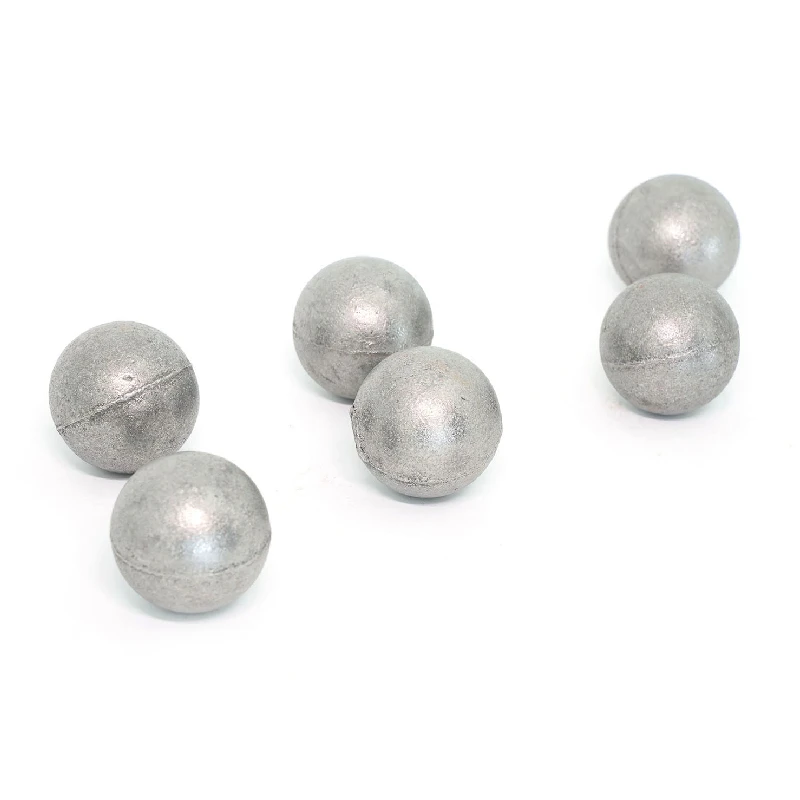
In the vast world of industrial grinding and milling, the boule de broyage forgée—or forged grinding ball—holds a quietly pivotal role. These forged steel spheres might not turn heads in your daily commute, but they’re essential cogs in sectors like mining, cement production, and chemical manufacturing worldwide.
Why does this matter to you or global stakeholders? Well, considering that the grinding process consumes a large chunk of global energy in mineral processing plants, having high-quality grinding media translates into substantial cost savings, improved efficiency, and—frankly—a significant reduction in wear and tear on expensive machinery. Understanding these forging marvels isn’t just industrial jargon; it’s about appreciating how raw materials get shaped into the steel and minerals we all rely on every day.
The Global Context: Why Boule de Broyage Forgée Matters Today
Mining and mineral processing remain cornerstones of industrial growth worldwide. According to the International Organization for Standardization (ISO), ball mills equipped with efficient grinding media consume up to 50% of total power in typical minerals processing plants. Meanwhile, the World Bank reports that emerging economies are increasingly ramping up infrastructure projects, boosting the demand for raw materials and, by extension, for grinding balls that withstand tough conditions.
But the challenge looms large: how to extend the lifespan of grinding balls, reduce downtime, and improve energy consumption—all while managing cost? This is where the forged grinding ball steps in, delivering on strength and wear resistance that powder-cast or cheaper alternatives just can’t match.
What Exactly is a Boule de Broyage Forgée?
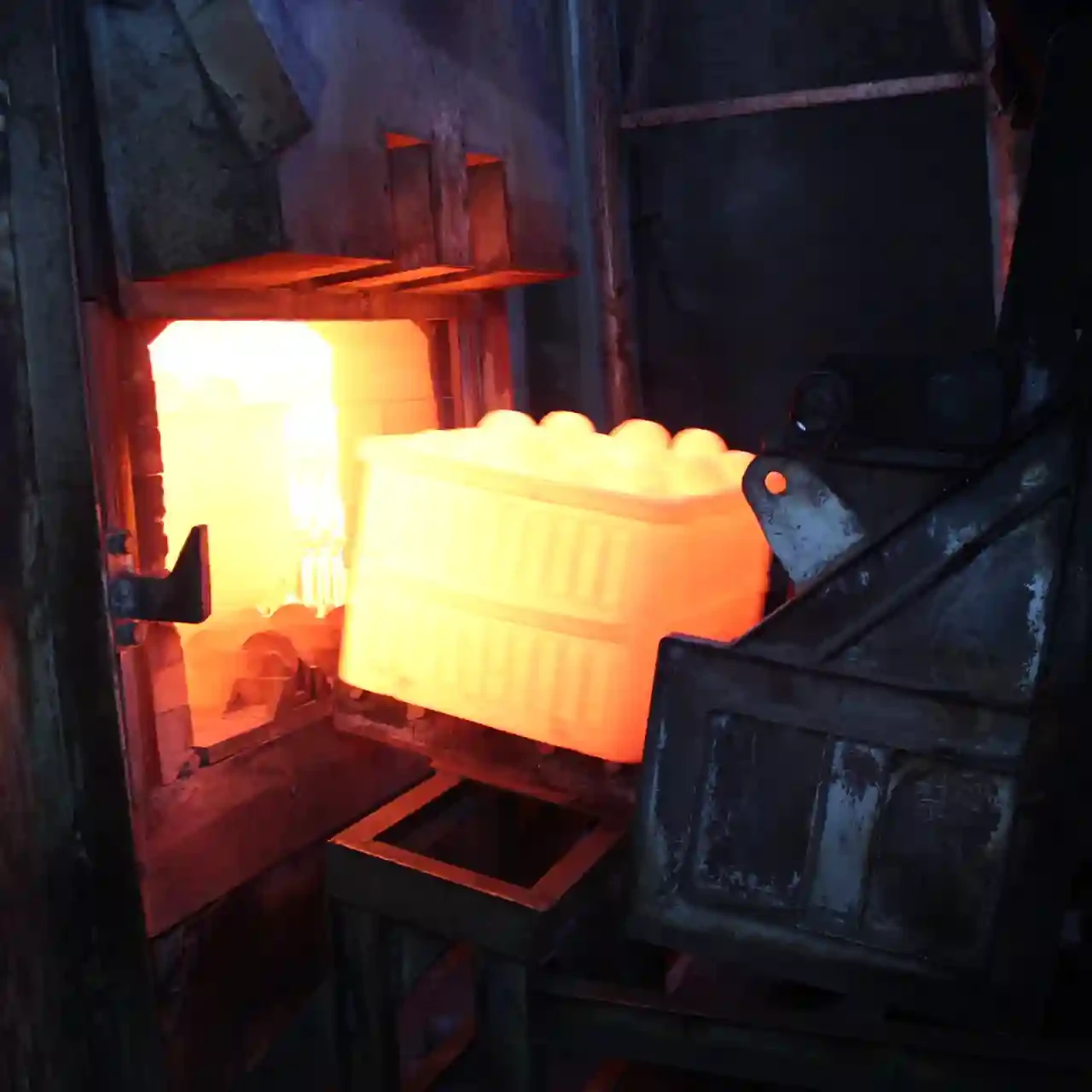
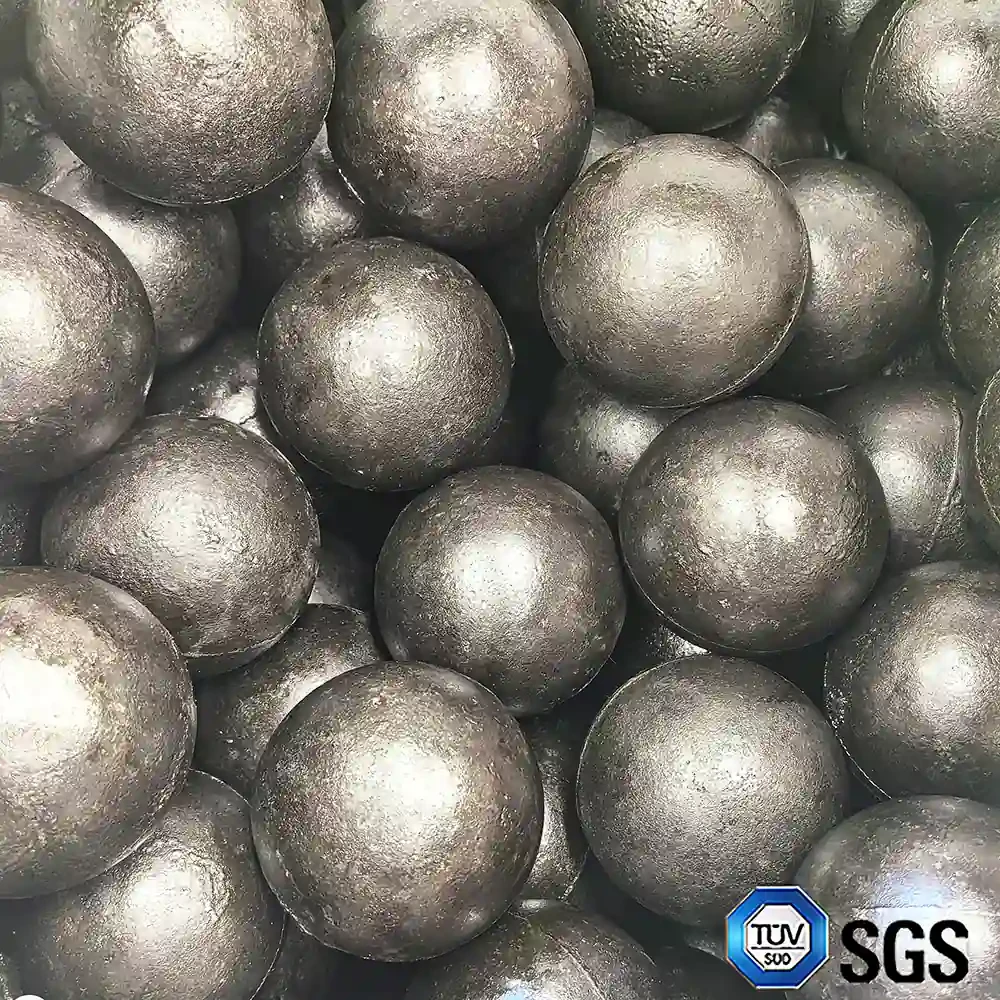
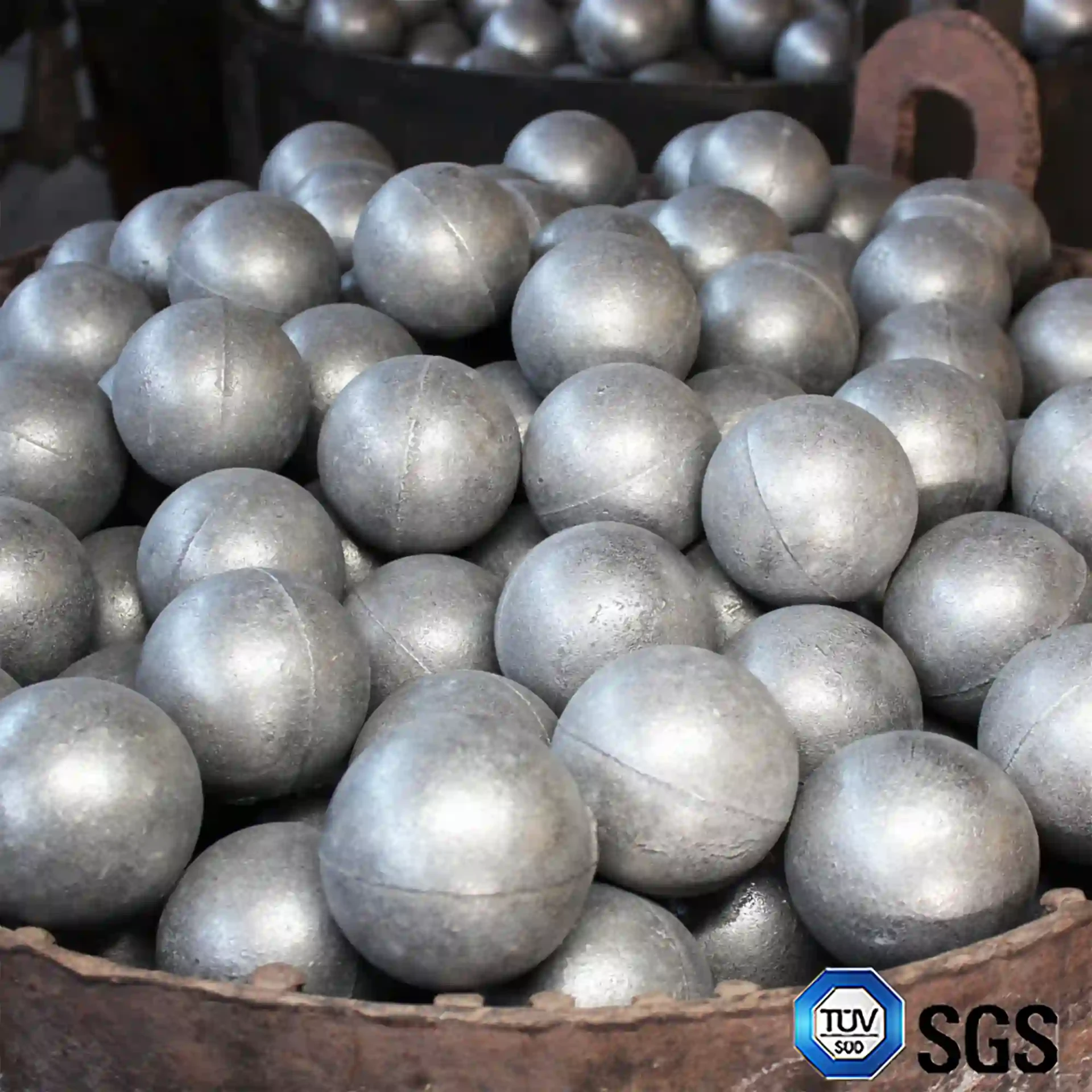
Simply put, a boule de broyage forgée is a heavy-duty steel sphere, formed through a forging process that compresses and shapes molten metal into dense, wear-resistant balls. Unlike cast balls, forged grinding balls undergo intense mechanical deformation, which refines the grain structure and strengthens their core.
This basic yet elegant technology enables industries to grind and crush ores, coal, cement clinker, and more with minimal contamination and maximal durability.
How It Connects With Industry
From iron ore extraction in Australia to cement plants in Europe, the forged grinding ball is a common denominator in the production chain. In humanitarian terms, efficient mineral processing drives down costs of essential materials—think affordable housing, infrastructure, sanitation. So, it’s not just about rocks and steel; it’s about enabling societies to build better futures.
Core Qualities That Define the Forged Grinding Ball
1. Durability and Hardness
The forging process produces an almost homogeneous internal structure resulting in better impact resistance and hardness—commonly reaching 58-65 HRC on the Rockwell scale. This means less frequent replacements and consistent mill performance.
2. Size Consistency and Weight
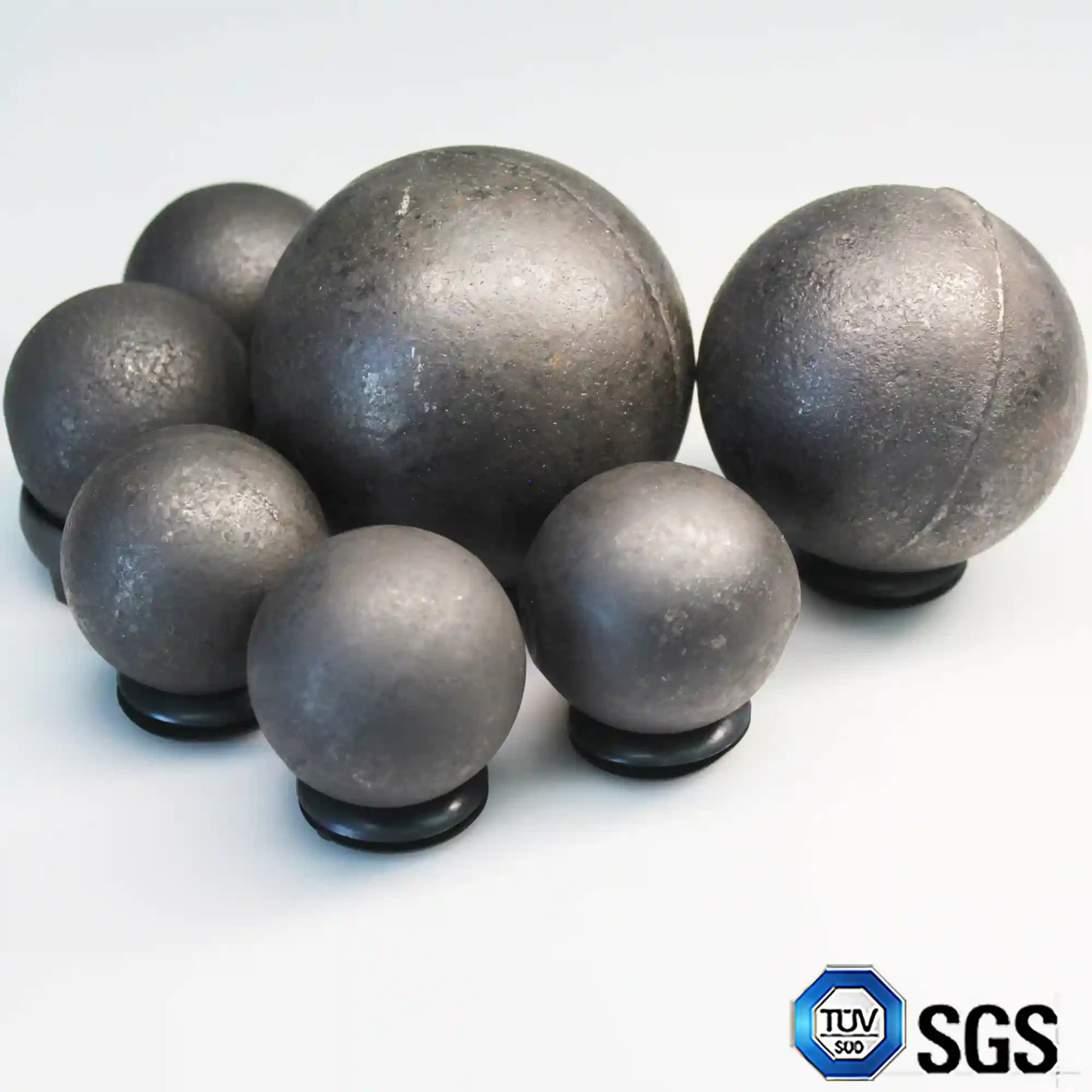
Unlike cast balls, forged grinding balls maintain tight tolerances in diameter and weight, which directly influences grinding efficiency and balance inside the mill, reducing wear on liners and bearings.
3. Toughness vs. Brittleness Balance
High hardness often risks brittleness, but the controlled heat treatments in forging help achieve a balance that reduces chances of spalling and ball fracturing—key for longer operational cycles.
4. Cost Efficiency Over Life Span
While the upfront cost for forged balls is higher than simple cast options, their extended life and efficiency deliver lower total cost of ownership for industries over time—something procurement teams appreciate deeply.
5. Environmental Impact
Manufacturers increasingly focus on reducing carbon footprint by optimizing steel sourcing and forging energy use, aligning forged grinding balls with modern sustainability goals.
Mini takeaway: The boule de broyage forgée is exquisite balance — tough yet resilient, consistent yet costly — making it indispensable where performance and uptime count.
Global Applications and Real-World Usage
The versatility of forged grinding balls spans multiple industries and geographies.
- Mining: In Canada’s vast nickel mines, these balls power semi-autogenous grinding (SAG) mills crushing tons of ore daily.
- Cement Production: European plants rely on forged balls to pulverize clinker efficiently, ensuring steady output.
- Chemical Processing: In Asia, their resistance to contamination keeps chemical grinding clean and consistent.
- Emerging Markets: In African and South American countries expanding infrastructure, reliable grinding media help avoid costly delays.
Take the case of a West African gold mining company that switched to boule de broyage forgée from a local cast ball supplier. They reported a 30% increase in production uptime and reduced media consumption by almost 25%. Not too shabby.
The Advantages and Long-Term Value
Boy, where to start? The immediate benefits are clear: longer operational runs before media replacement, more consistent grinding leading to higher throughput, and less maintenance on mills.
On the softer side, stakeholders appreciate the peace of mind that comes with lower machinery wear—cutting down unexpected down-times keeps budgets sane and teams happier. Sustainability-wise, fewer resources wasted on frequent replacements means a smaller environmental footprint, aligning with many companies' corporate responsibility goals.
Looking Ahead: Innovations on the Horizon
Industry insiders are excited about new alloys and heat treatments pushing the hardness envelope without compromising toughness. There’s a move towards integrating AI and IoT for predictive maintenance linked directly to grinding media wear patterns—imagine a mill that tells you exactly when a boule de broyage forgée is worn out!
Also, the quest for greener manufacturing processes prompts the use of renewable energy in forging operations and recycling spent grinding balls into new ones—closing the industrial loop.
Common Challenges and How They're Addressed
Despite their robustness, forged grinding balls can face issues like inconsistent quality from less reputable producers or excessive costs for smaller operations. Skilled inspection, supplier audits, and partnerships with trusted manufacturers mitigate these problems.
Some advances in surface coatings promise even greater wear resistance, though they add complexity and cost, so industries weigh these carefully.
Frequently Asked Questions About Boule de Broyage Forgée
- What makes forged grinding balls better than cast ones?
- Forged balls have a refined grain structure making them tougher and more durable with less chance of cracking or spalling. This leads to longer life and better grinding efficiency, even if the initial cost is higher.
- How does the size consistency impact milling?
- Uniform size and weight ensure smooth mill operation, reduce liner damage, and maintain consistent grinding performance, which ultimately improves throughput and lowers energy consumption.
- Can forged grinding balls be recycled?
- Yes, spent forged balls are often recycled back into new steel billets, which helps reduce waste and conserve resources, aligning the process with circular economy principles.
- Are there eco-friendly options available?
- Manufacturers are developing greener forging processes, using renewable energy and optimized material sourcing to minimize environmental impact without sacrificing ball quality.
- Which industries benefit most from boule de broyage forgée?
- Primarily mining, cement, and chemical sectors, especially where high abrasion and impact demands exist. However, any operation utilizing grinding mills can benefit.
Product Specification Table
| Specification | Typical Value | Comments |
|---|---|---|
| Material | High carbon forged steel | Optimized for hardness and toughness |
| Diameter Range | 20 mm – 150 mm | Standard sizes for various mill types |
| Surface Hardness | 58-65 HRC | Measured on Rockwell scale for durability |
| Density | 7.8 – 7.85 g/cm³ | Ensures mill balance and performance |
| Impact Toughness | >15 J (Charpy test) | Resistance to cracking and fractures |
Vendor Comparison Table
| Vendor | Product Range | Quality Certifications | Lead Time | Price Level |
|---|---|---|---|---|
| Chengda Forging | 20–150 mm | ISO 9001, CE | 4 weeks | Mid-range |
| Global Steel Corp. | 10–120 mm | ISO 14001 | 6 weeks | Higher |
| ForgeTech Ltd. | 30–100 mm | ISO 9001 | 3 weeks | Budget |
Wrapping Up: Why Boule de Broyage Forgée Deserves Your Attention
If you’ve made it this far, you’ll know that forged grinding balls are more than just heavy steel balls—they’re a blend of engineering precision, material science finesse, and practical necessity. Industries worldwide rely on them not only to get the job done but to do so efficiently, sustainably, and cost-effectively.
For mining companies, cement manufacturers, or even researchers exploring new material mixes, investing in quality forged grinding balls pays dividends in the long run.
Curious to know more or ready to source your next batch? Visit our website and see how the right boule de broyage forgée can transform your process.
Quick reflection: I find it fascinating how such a simple object—just a steel ball—can encapsulate so much technical innovation, industrial importance, and even sustainability potential. It’s a lesson in how often, the smallest details hold the biggest impacts.
References
-
Industrial Guide to Ferro Manganese Medium Carbon for Steel Production
NewsApr.16,2026
-
Professional Guide and Best Practices for drilling manganese steel
NewsApr.09,2026
-
Comprehensive Guide to DIN 1.3401 Stainless Steel Properties and Applications
NewsApr.07,2026
-
Optimizing Crusher Performance with Durable Manganese Alloys and Steel
NewsApr.04,2026
-
Comprehensive Guide to Chrome Manganese Steel Properties and Industrial Applications
NewsMar.31,2026
-
Understanding the Properties and Applications of Cast Manganese Steel
NewsMar.28,2026