Nov . 28, 2025 17:55 Back to list
Comprehensive Guide to Médias de Broyage Forgés - Global Industrial Grinding Media Solutions
Understanding Médias de Broyage Forgés: Why It Matters Globally
In the world of industrial processing and mineral extraction, a small yet critical component often goes unnoticed: médias de broyage forgés. These forged grinding media are essential to efficient material reduction, enabling industries from mining to cement manufacturing to operate smoothly. Though it might sound technical or niche, mastering knowledge about these grinding balls affects resource utilization, production costs, and even sustainability efforts worldwide.
Globally, as demand for metals and minerals rises with urbanization and infrastructure growth, the stress on grinding operations intensifies. According to the International Mineral Processing Congress, efficient grinding media can improve throughput by up to 15%—a percentage that translates into millions of dollars and countless tons of materials annually. Understanding forged grinding media is therefore not just quality control; it’s a business and environmental imperative.
A Global Perspective: The Role of Forged Grinding Media in Industry
Let’s frame this in a bigger context. Mining and mineral processing are massive global industries, contributing more than $1.5 trillion annually to world economies (World Bank, 2022). Part of their challenge? Efficiently breaking down hard ores or recycled materials without excessive wear or energy consumption. This is precisely where médias de broyage forgés enter the picture.
Traditional grinding media, like cast steel balls, have served the market well, but forged grinding media outshine by their increased toughness and longer lifespan. For example, a UN study on sustainable mining highlighted that better grinding media reduce raw material waste and energy usage, a cornerstone of more responsible resource use.
Yet, challenges persist — inconsistent quality from various suppliers or the need for specialized shapes to optimize the mill’s impact pattern. These problems make understanding these media’s specifications and applications all the more vital.
What Exactly Are Médias de Broyage Forgés?
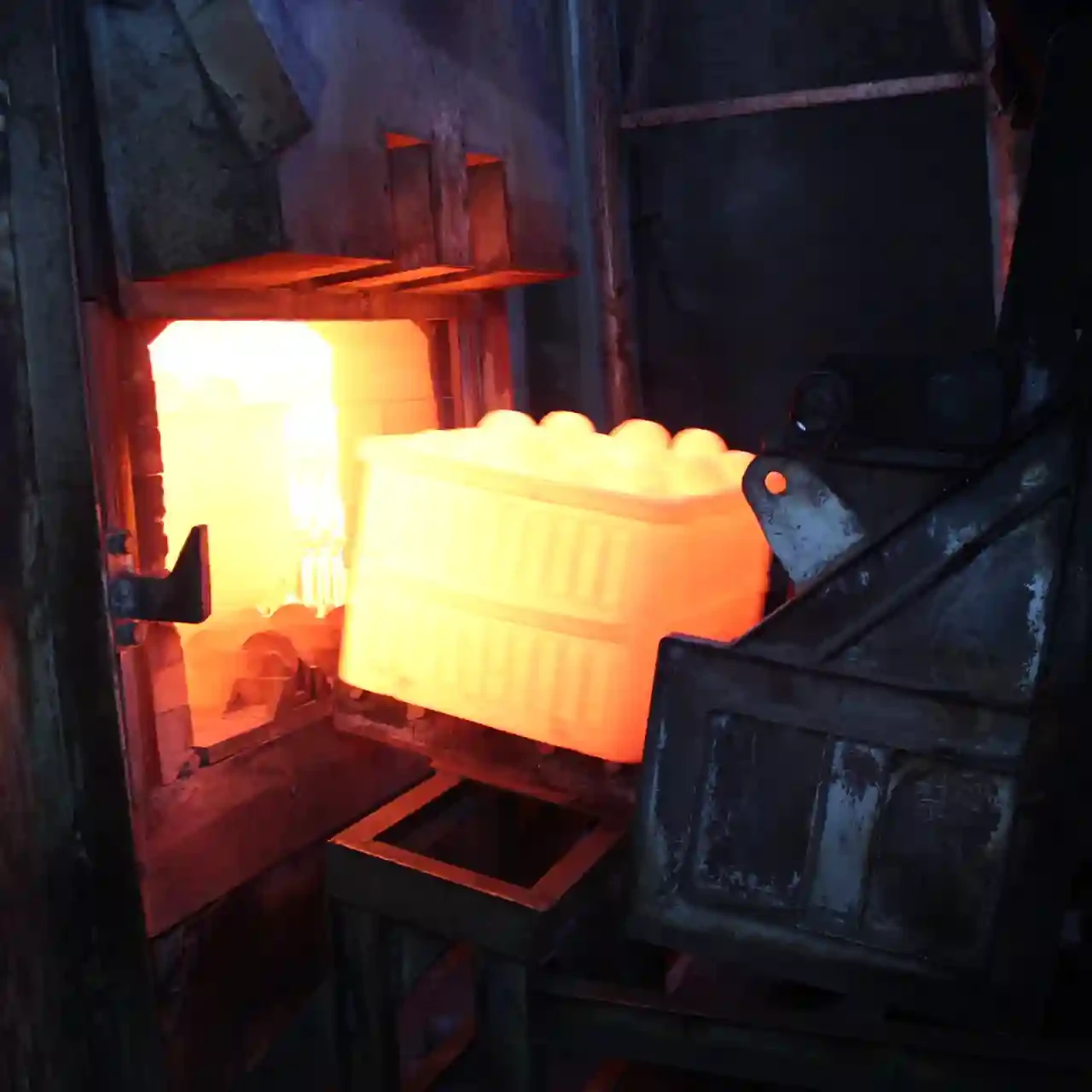
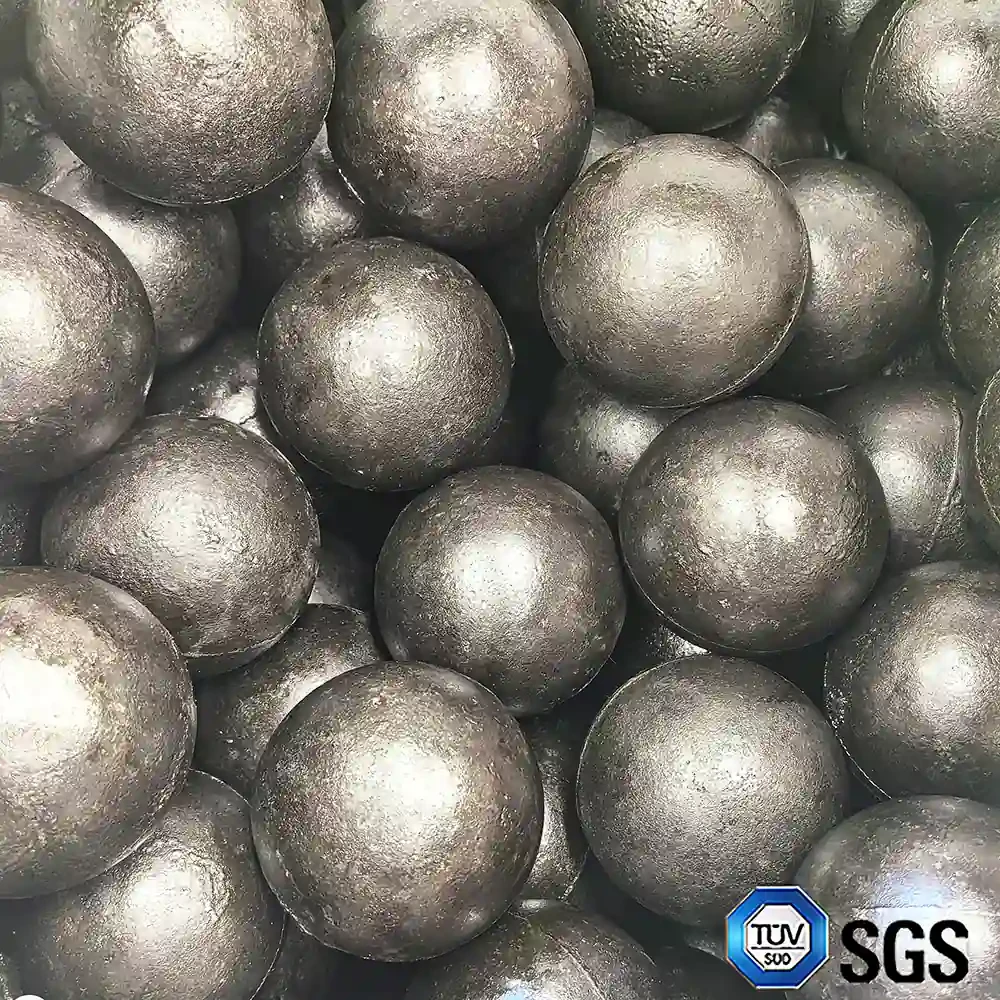
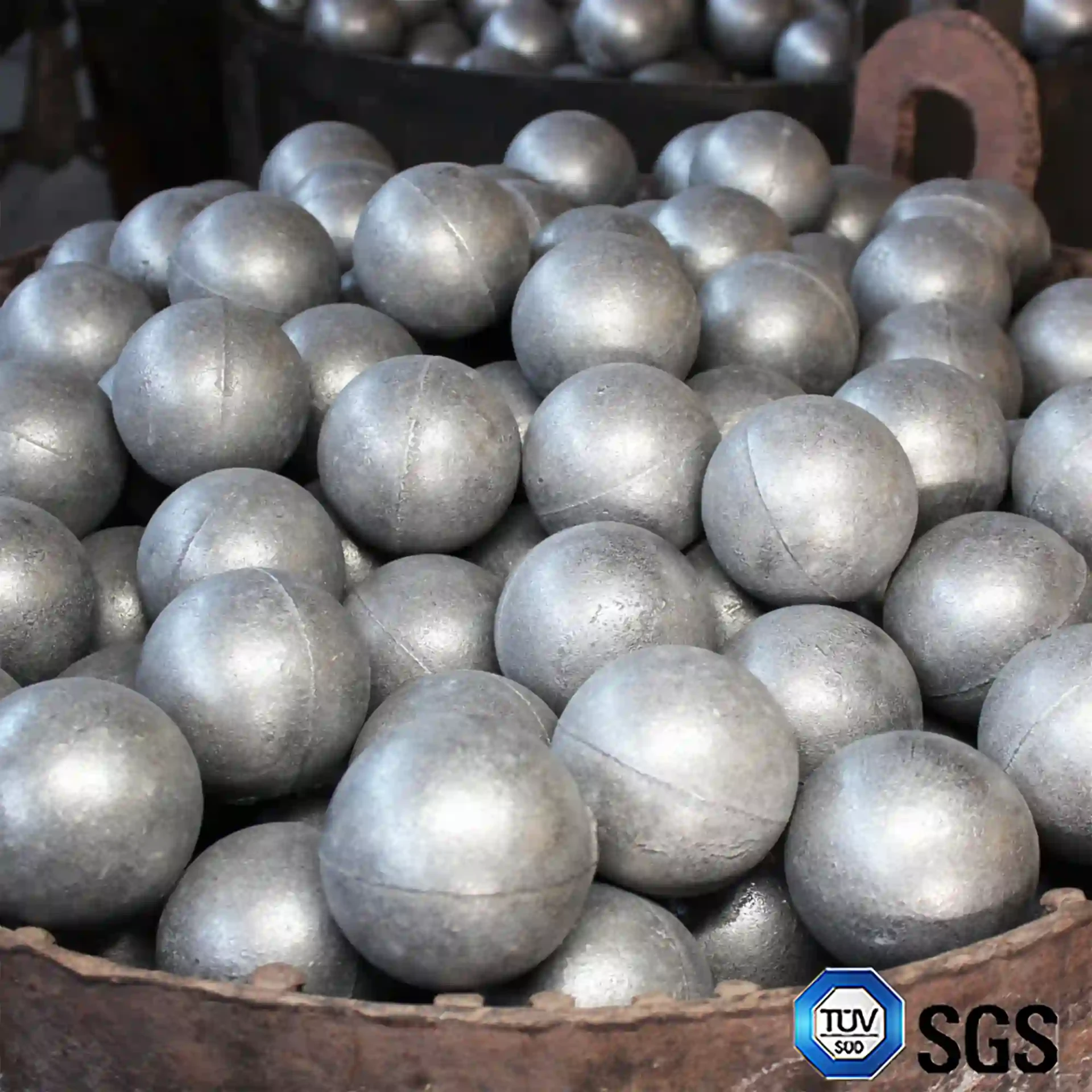
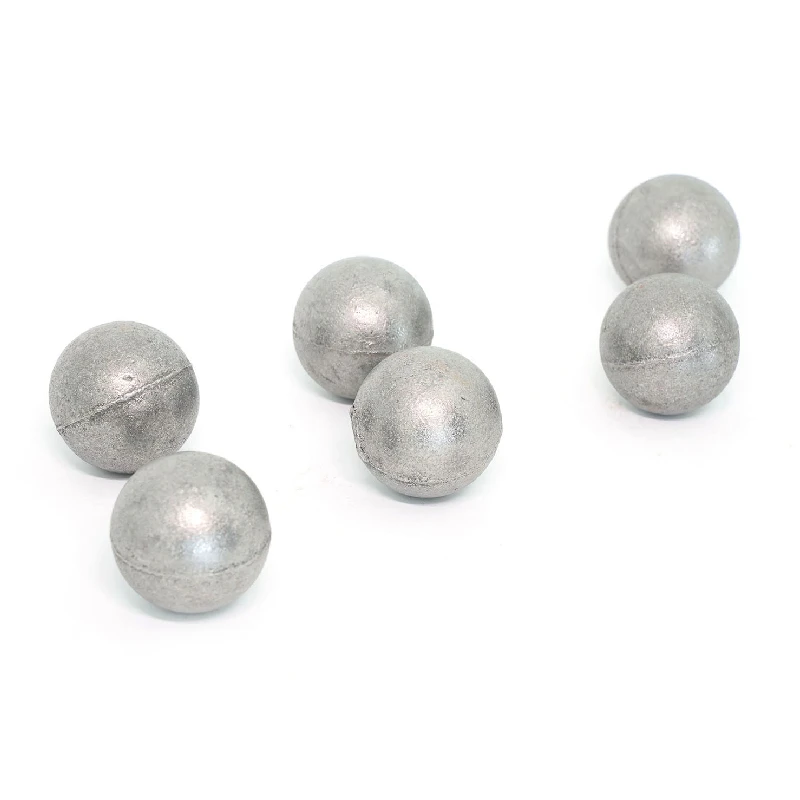
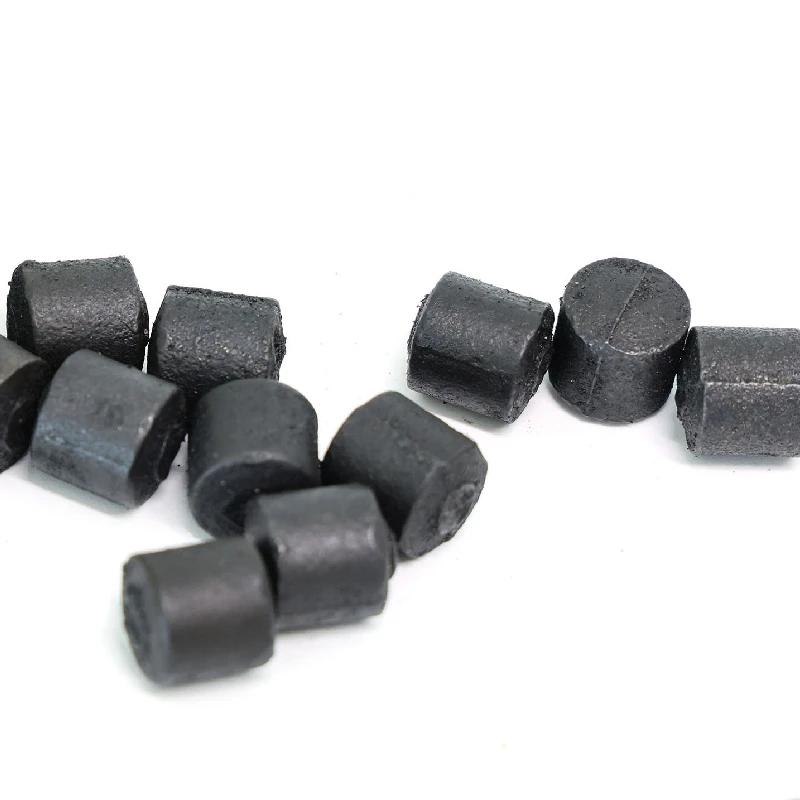
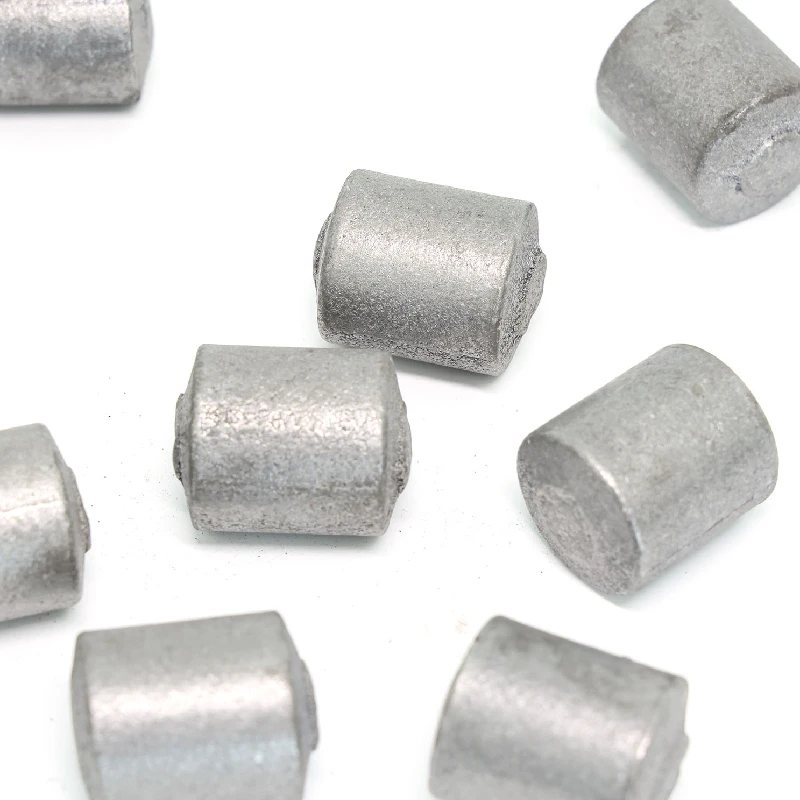
Simply put, médias de broyage forgés are grinding balls produced using high-pressure forging instead of casting. This process compacts metal into a denser, tougher form with fewer internal defects. They’re predominantly made from high chrome or carbon steel alloys, carefully heat treated to boost hardness and resistance to wear.
Why does this matter? Well, these grinding media are the workhorses inside ball mills, tumbling relentlessly to pulverize ores, clinker, or other raw inputs into powder. Their durability means less frequent replacement and lower downtime — key factors in any heavy industrial setup.
Core Components That Define Quality and Performance
Durability & Hardness
The toughest grinding balls typically reach a hardness of HRC 58-65 through heat treatment. This hardness level ensures resistance to cracking and chipping, which reduces wear rates significantly. Engineers note that this extends the operational cycle before replacements are required, saving time and money.
Shape & Size Uniformity
Forged grinding media are usually spherical with precise diameter tolerances. This uniformity helps optimize grinding efficiency by promoting consistent contact and impact forces inside the mill.
Chemical Composition
Alloying elements such as chromium, manganese, and carbon influence hardness and corrosion resistance. For instance, chromium improves hardness and wear resistance, essential in abrasive applications.
Scalability & Customization
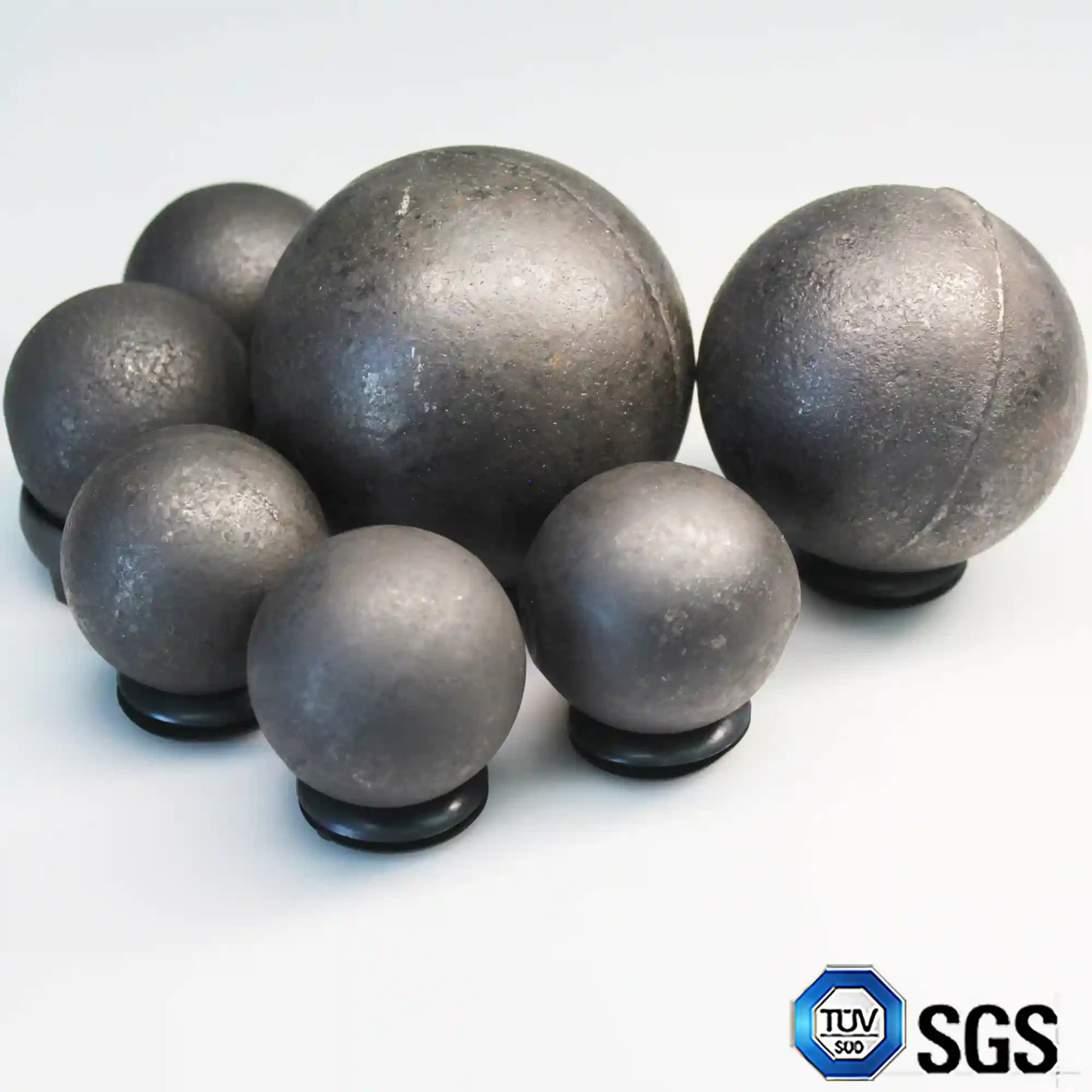
Manufacturers produce grinding media in various sizes, from 10 mm to 150 mm, to match mill design and processing needs. Larger balls suit coarse grinding, while smaller ones handle fine milling.
Cost Efficiency
Forged media, while often priced higher initially than cast alternatives, deliver better cost performance in the long term due to longer life and less frequent mill downtime.
Mini takeaway: When selecting médias de broyage forgés, balancing hardness, uniformity, and chemical makeup is key to maximizing grinding efficiency.
Product Specifications: Typical Forged Grinding Media
| Specification | Details |
|---|---|
| Material | High Chrome Steel (Cr 10-30%), Carbon Steel Alloy |
| Hardness (HRC) | 58-65 |
| Diameter Range | 10 mm to 150 mm |
| Weight per Ball | 0.004 - 10 kg (typical) |
| Tensile Strength | 900 - 1200 MPa |
| Wear Rate | 0.1 - 0.3 g/t (grams per ton of material milled) |
How Industries Worldwide Use Forged Grinding Media
Forged grinding media play a central role in various industries. Mining operations in Chile’s copper mines use high-quality forged balls to cope with abrasive ore, while cement plants in India depend on them for clinker grinding efficiency. Iron and steel producers also rely on these media during the preparation stages.
Even humanitarian or remote industrial projects benefit indirectly. For instance, raw materials for quick-deploy infrastructure — whether fuel, cement, or metals — get ground efficiently thanks to durable forged grinding media, enabling faster assembly and sustainability.
Regions such as South America, Africa, and Southeast Asia increasingly demand premium forged media due to rising infrastructure investments and mineral processing expansion.
Mini takeaway: Forged grinding media truly form the backbone of multiple global sectors that fuel economic growth and development.
Advantages and Long-Term Value of Using Médias de Broyage Forgés
- Lower Maintenance Costs: Their durability means fewer production interruptions and parts replacements.
- Energy Efficiency: Better grinding reduces overgrinding and energy consumed per ton processed.
- Sustainability: Long-lasting media reduce manufacturing waste and resource use.
- Improved Product Quality: Enhanced grinding precision improves downstream processing.
- Safety and Reliability: Less frequent ball failures translate into safer mill operation.
So, while medias de broyage forgés feel like a small cog in a massive machine, their impact — pun intended — resonates deeply in cost savings, environmental impact, and operational stability.
Looking Ahead: Trends Shaping the Future of Forged Grinding Media
Innovation doesn’t stop here. Several trends point toward exciting futures:
- Advanced Alloys: Research into wear-resistant and corrosion-resistant alloys continues, with nano-engineering influencing microstructures.
- Smart Manufacturing: Digital quality control and AI-driven forging processes improve consistency and reduce defects.
- Sustainability Focus: Recycling and energy-efficient production methods are gaining traction.
- Customization: Tailored grinding media shapes and sizes for specific mill designs improve performance.
Frankly, it’s an exciting convergence of metallurgy, engineering, and environmental design.
Challenges in the Industry and How They’re Tackled
Despite benefits, challenges remain:
- Supply Chain Variability: The niche and specialized nature of forged grinding media mean that sourcing reliable suppliers can be tricky.
- Cost Barriers: Initial investment is higher than cheaper cast alternatives, limiting adoption in budget-sensitive markets.
- Wear Monitoring: Real-time monitoring of wear and grinding efficiency remains complex.
To tackle these, companies increasingly invest in robust supply chain vetting, lifecycle cost analyses, and IoT-enabled milling equipment that tracks media condition in real-time — sort of like health monitoring for your mill.
Vendor Comparison: Top Forged Grinding Media Suppliers
| Supplier | Material Quality | Delivery Time | Customization Options | Price Range |
|---|---|---|---|---|
| ForgeTech Industries | High Chrome & Carbon Steel, ISO Certified | 4-6 weeks | Diameter & Hardness Customization | $$$ |
| Duraball Corp | Premium Chrome-Manganese Alloy | 3-5 weeks | Standard Sizes | $$ |
| Global Forging Partners | Chromium Alloy Steels, With Additional Coatings | 6-8 weeks | Custom Shapes & Sizes | $$$ |
Frequently Asked Questions About Médias de Broyage Forgés
What advantages do forged grinding media offer over cast media?
Forged media have a denser microstructure and fewer internal defects due to the forging process, resulting in higher toughness and longer wear life. This reduces breakage risk and downtime, improving overall mill efficiency.
How does the size of grinding media affect mill performance?
Larger balls are better for coarse grinding to break down big particles, while smaller balls offer better surface area for fine grinding. Choosing the right size mix optimizes milling efficiency and product consistency.
Are forged grinding media suitable for wet and dry milling?
Yes, forged grinding media are versatile and perform well in both wet and dry milling environments due to their hardness and toughness, reducing wear under various operating conditions.
Can customized forged grinding balls improve energy consumption?
Definitely. Tailoring size, hardness, and chemical composition to specific mill conditions can reduce overgrinding and optimize energy use, leading to significant cost savings over time.
Where can industries source reliable médias de broyage forgés?
Many reputable global suppliers provide forged grinding media. It’s best to verify ISO certifications, supplier references, and test samples. You might want to check out curated selections on médias de broyage forgés for guaranteed quality and supply chain transparency.
In Summary: Why Médias de Broyage Forgés Remain Essential
To wrap it all up, forged grinding media quietly but profoundly impact nearly every major industrial milling operation. Their role in improving efficiency, reducing cost, and supporting sustainability makes them a crucial part of the global industrial puzzle. Whether you’re in mining, cement manufacturing, or specialized material processing, investing time to understand and select the right médias de broyage forgés pays dividends.
Want to refresh your grinding media inventory or discover customized solutions? Feel free to visit our website for expert advice and high-quality offerings.
References
-
Industrial Guide to Ferro Manganese Medium Carbon for Steel Production
NewsApr.16,2026
-
Professional Guide and Best Practices for drilling manganese steel
NewsApr.09,2026
-
Comprehensive Guide to DIN 1.3401 Stainless Steel Properties and Applications
NewsApr.07,2026
-
Optimizing Crusher Performance with Durable Manganese Alloys and Steel
NewsApr.04,2026
-
Comprehensive Guide to Chrome Manganese Steel Properties and Industrial Applications
NewsMar.31,2026
-
Understanding the Properties and Applications of Cast Manganese Steel
NewsMar.28,2026