Jan . 27, 2026 19:15 Back to list
Comprehensive Guide to Cement Mill Liners for Optimized Performance
Cement Mill Liners: A Comprehensive Guide
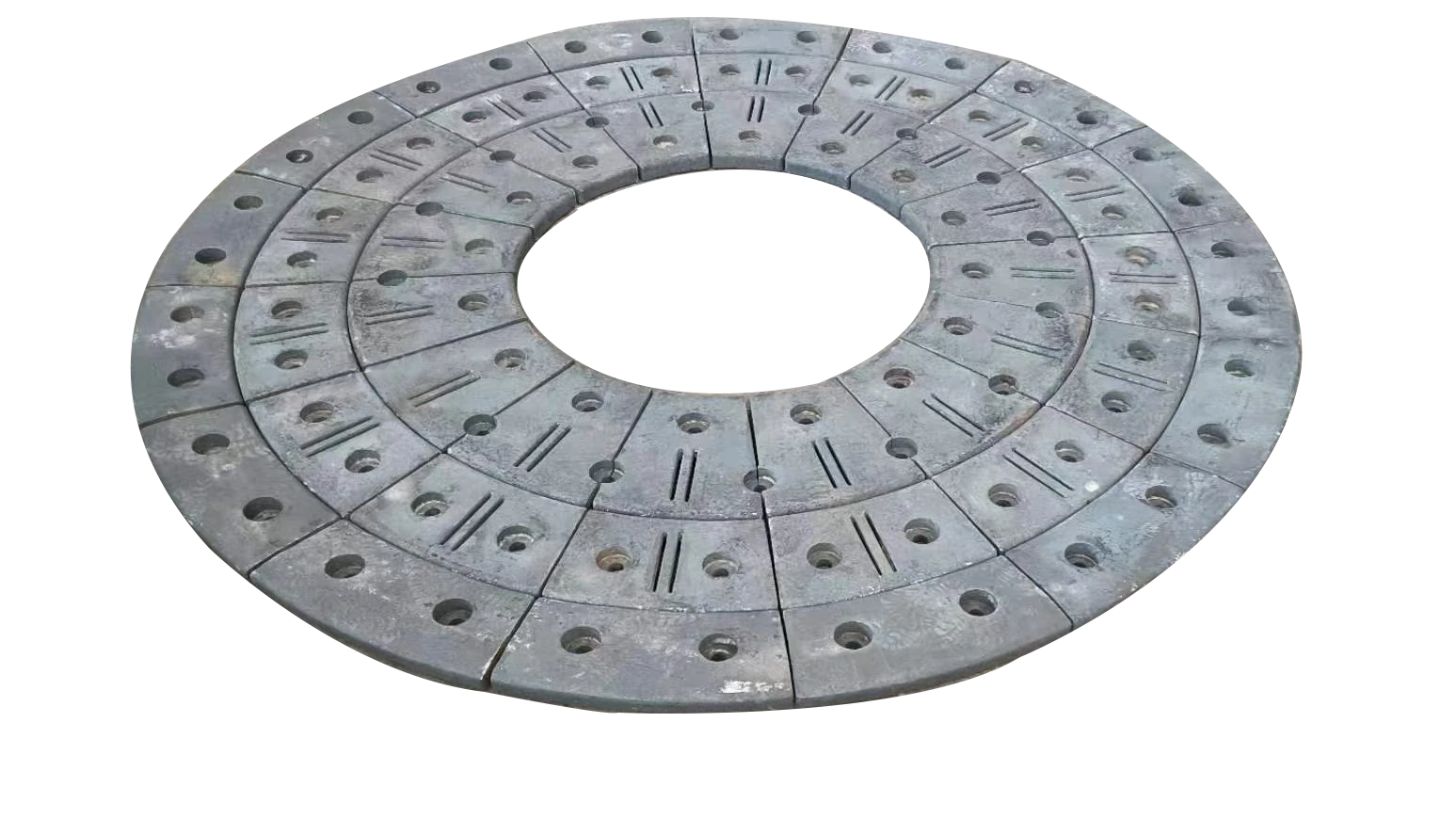
Cement mill liners are essential components in cement production, protecting the mill shell and optimizing grinding efficiency. Selecting the right liners is crucial for maximizing performance, minimizing downtime, and reducing overall operational costs. This article will provide a detailed overview of cement mill liners, covering their types, materials, installation, and maintenance. We’ll explore how the right liner selection can significantly impact the profitability and longevity of your cement mill.
Understanding the Role of Cement Mill Liners
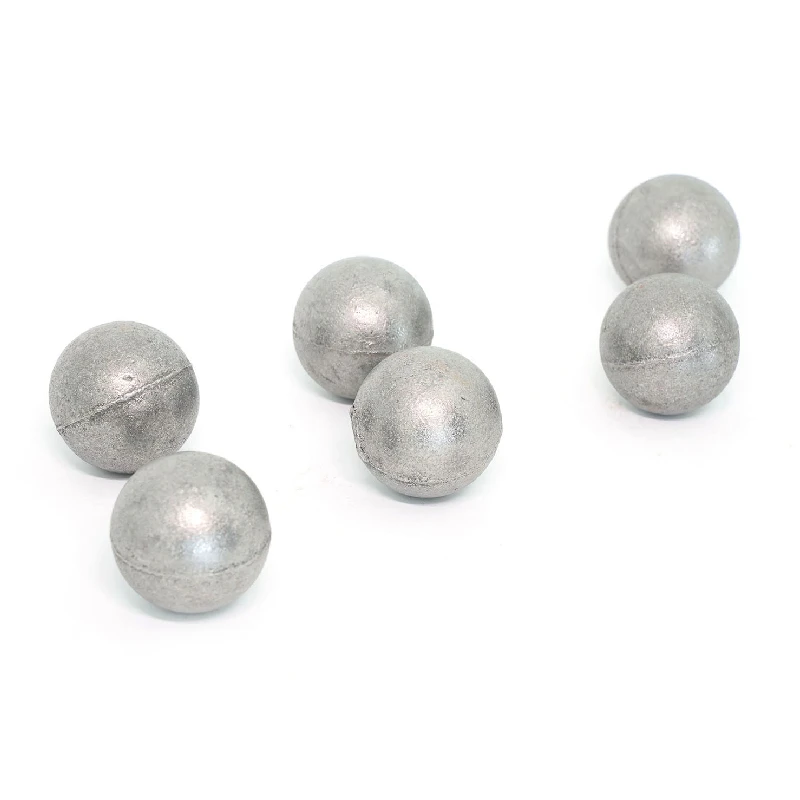
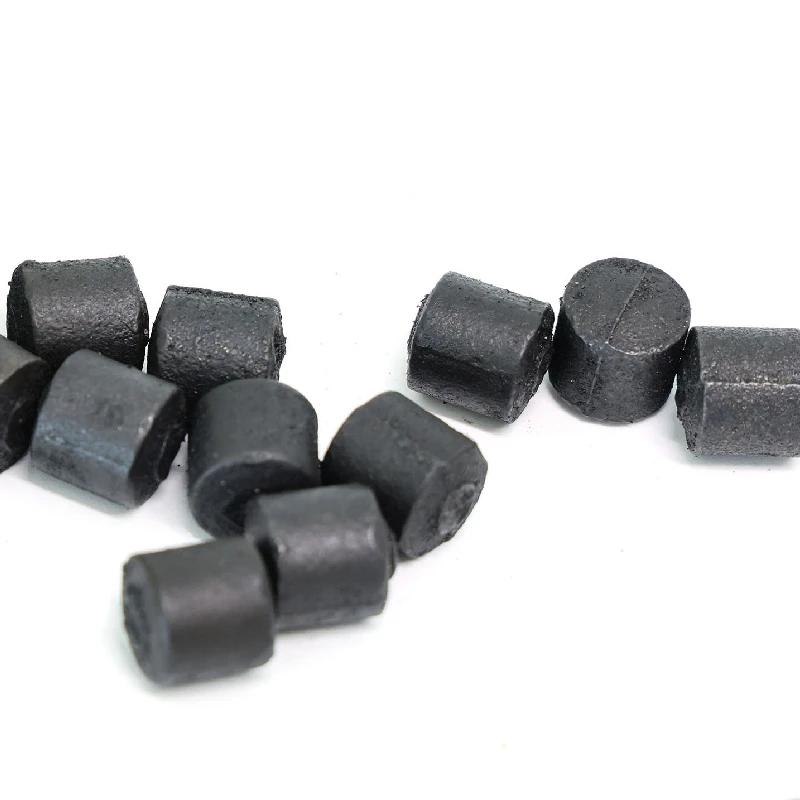
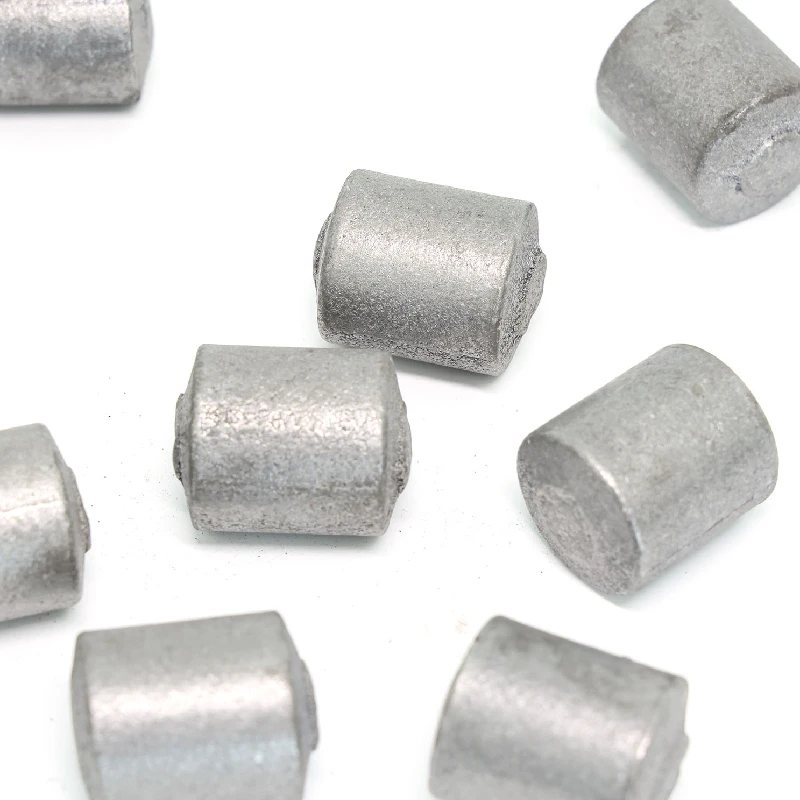
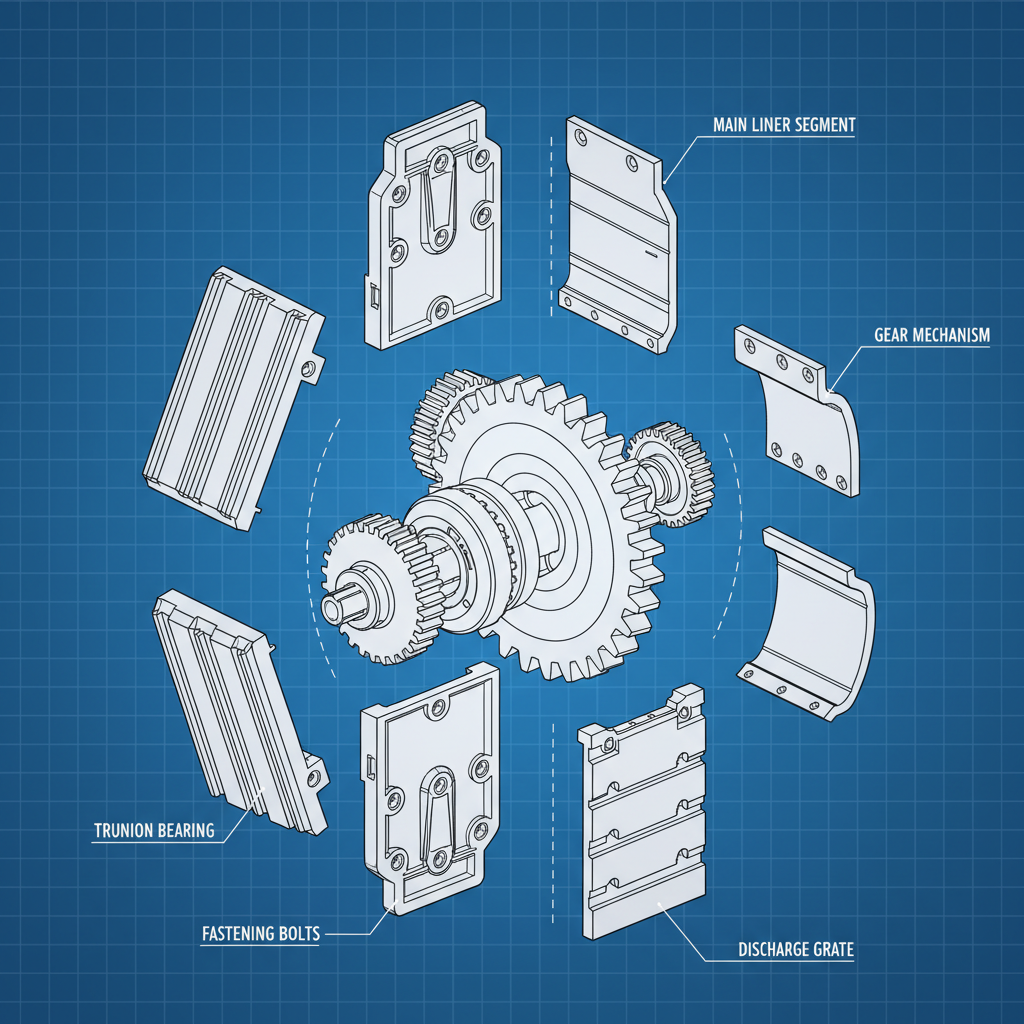
Cement mill liners are strategically installed inside the rotating drum of a cement mill. Their primary function is to protect the steel shell from the abrasive impact of clinker, raw materials, and grinding media (steel balls or rollers). Without liners, the mill shell would rapidly wear down, leading to costly repairs or even complete replacement. Beyond protection, liners also influence the grinding process by impacting media movement, material flow, and grinding efficiency. Choosing the optimal liner design and material is key to achieving the desired grinding performance and minimizing energy consumption.
Types of Cement Mill Liners
There are several types of cement mill liners available, each suited for specific mill configurations and operating conditions. The most common types include:
- Wave Liners: These are the most prevalent type, featuring a wave-like pattern that lifts the grinding media during rotation, enhancing grinding action.
- Flat Liners: Simpler in design, flat liners are often used in combination with wave liners or in smaller mills.
- Ribbed Liners: These liners incorporate ribs to direct material flow and prevent material buildup.
- Combination Liners: Combining different liner profiles within the same mill to optimize grinding performance and minimize wear.
Key Liner Types: Wave, Flat, Ribbed and Combination Liners each offer unique advantages for specific grinding applications.
Materials Used in Cement Mill Liner Manufacturing
The material selection for cement mill liners is critical, as they must withstand constant abrasion, impact, and corrosion. Common materials include:
- Alloy Steel: Provides excellent wear resistance and strength, suitable for high-impact applications.
- Manganese Steel: Offers exceptional work-hardening properties; becomes stronger with continued impact.
- Chrome-Molybdenum Steel: Combines high strength with good toughness, ideal for demanding grinding conditions.
- Cast Iron: More cost-effective option, suitable for lower-impact applications.
The optimal material depends on the clinker's abrasiveness, grinding media type, and desired liner lifespan. Chengda specializes in providing high-quality liners constructed from premium alloy and manganese steels.
Cement Mill Liner Materials: A Comparative Analysis
Selecting the right material for your cement mill liners requires careful consideration of performance characteristics, cost, and longevity. Here’s a comparison of common materials:
Installation and Maintenance Best Practices
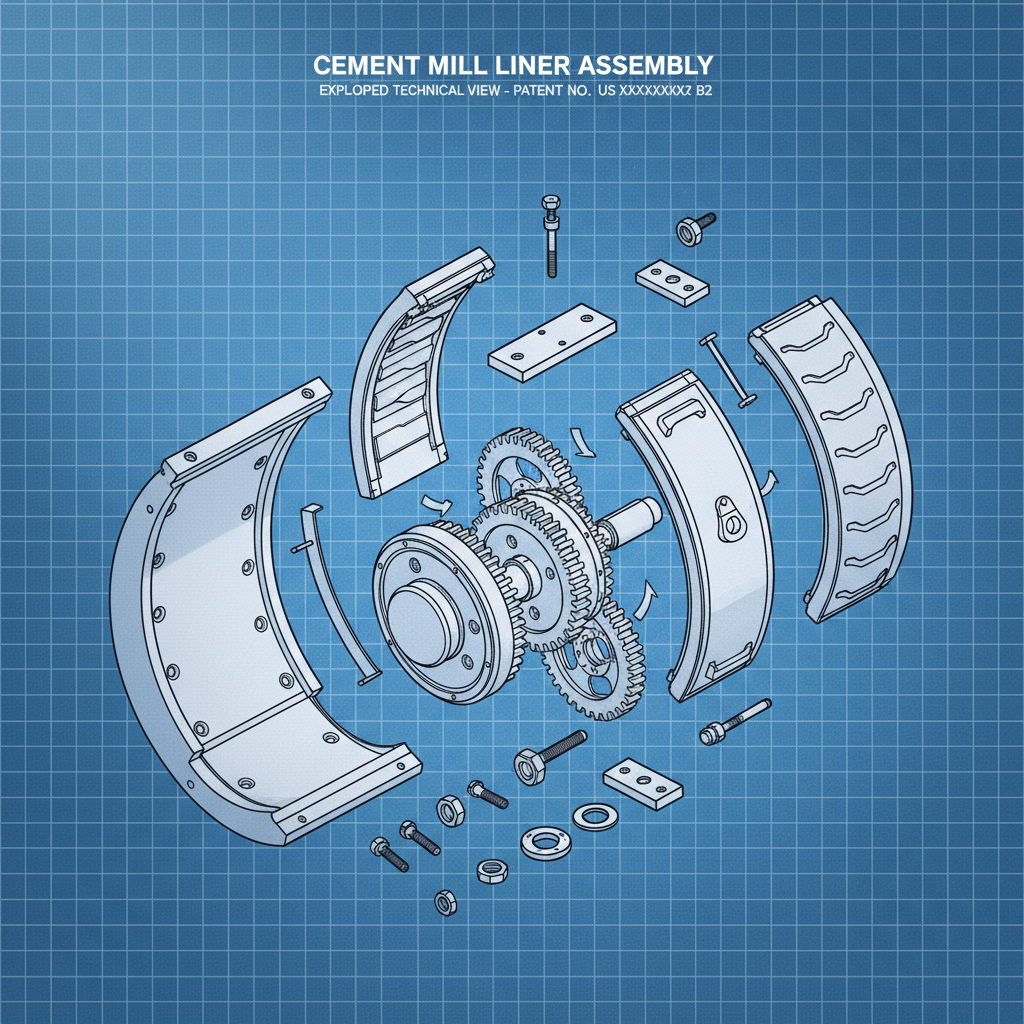
Proper installation and regular maintenance are vital for maximizing liner life and ensuring optimal mill performance. Installation should be performed by experienced technicians, following the manufacturer's guidelines. Regular inspections for wear, cracks, and loose bolts are crucial. Early detection of damage allows for timely replacement, preventing more significant and costly repairs. Maintaining proper mill alignment and grinding media charge also contributes to even liner wear and extended lifespan.
Conclusion: Optimizing Cement Mill Performance with Quality Liners
Investing in high-quality cement mill liners from a reputable supplier like Chengda is a strategic decision that yields significant long-term benefits. By selecting the right liners, employing proper installation techniques, and implementing a regular maintenance schedule, cement producers can enhance grinding efficiency, reduce downtime, and improve overall profitability.
Frequently Asked Questions (FAQs)
How often should cement mill liners be replaced?
The replacement frequency of cement mill liners depends on several factors, including the abrasiveness of the clinker, the grinding media used, the mill operating conditions, and the liner material. Generally, liners should be inspected every 6-12 months. Replacement is recommended when significant wear is detected, such as excessive thinning or cracking. Monitoring liner weight loss over time can also provide valuable insights into wear rates. Ignoring worn liners can lead to shell damage and costly repairs, so proactive maintenance is essential.
What are the signs of failing cement mill liners?
Several indicators suggest that cement mill liners are failing and require attention. These include increased noise levels within the mill, decreased grinding efficiency (higher energy consumption for the same output), noticeable vibration, and the presence of metal fragments in the cement product. Visible signs of wear, such as significant thinning, cracking, or deformation of the liners, also warrant immediate inspection and potential replacement. Regular monitoring of these indicators can help prevent catastrophic failure.
Can different types of liners be used in the same mill?
While it's technically possible to use different types of liners in the same mill, it’s generally not recommended. Mixing liner profiles can disrupt the material flow and grinding action, leading to uneven wear and reduced efficiency. A carefully designed liner system utilizes a consistent profile to optimize performance. However, strategic use of combination liners – using different profiles in specific sections of the mill – can be effective when implemented by experienced engineers and Chengda can help you do so.
What is the role of grinding media in relation to liner wear?
The type and size of grinding media significantly influence liner wear. Larger grinding media generally cause more localized impact and wear, while smaller media distribute the impact over a larger area. The material composition of the media also plays a role; steel balls with higher hardness can accelerate liner wear. Maintaining an optimal media charge and regularly screening out worn or broken media is crucial for minimizing liner damage and maximizing grinding efficiency.
-
Industrial Guide to Ferro Manganese Medium Carbon for Steel Production
NewsApr.16,2026
-
Professional Guide and Best Practices for drilling manganese steel
NewsApr.09,2026
-
Comprehensive Guide to DIN 1.3401 Stainless Steel Properties and Applications
NewsApr.07,2026
-
Optimizing Crusher Performance with Durable Manganese Alloys and Steel
NewsApr.04,2026
-
Comprehensive Guide to Chrome Manganese Steel Properties and Industrial Applications
NewsMar.31,2026
-
Understanding the Properties and Applications of Cast Manganese Steel
NewsMar.28,2026