Jan . 27, 2026 21:45 Back to list
Optimizing Cement Production with Durable Cement Mill Shell Liners
Understanding Cement Mill Shell Liners: A Comprehensive Guide
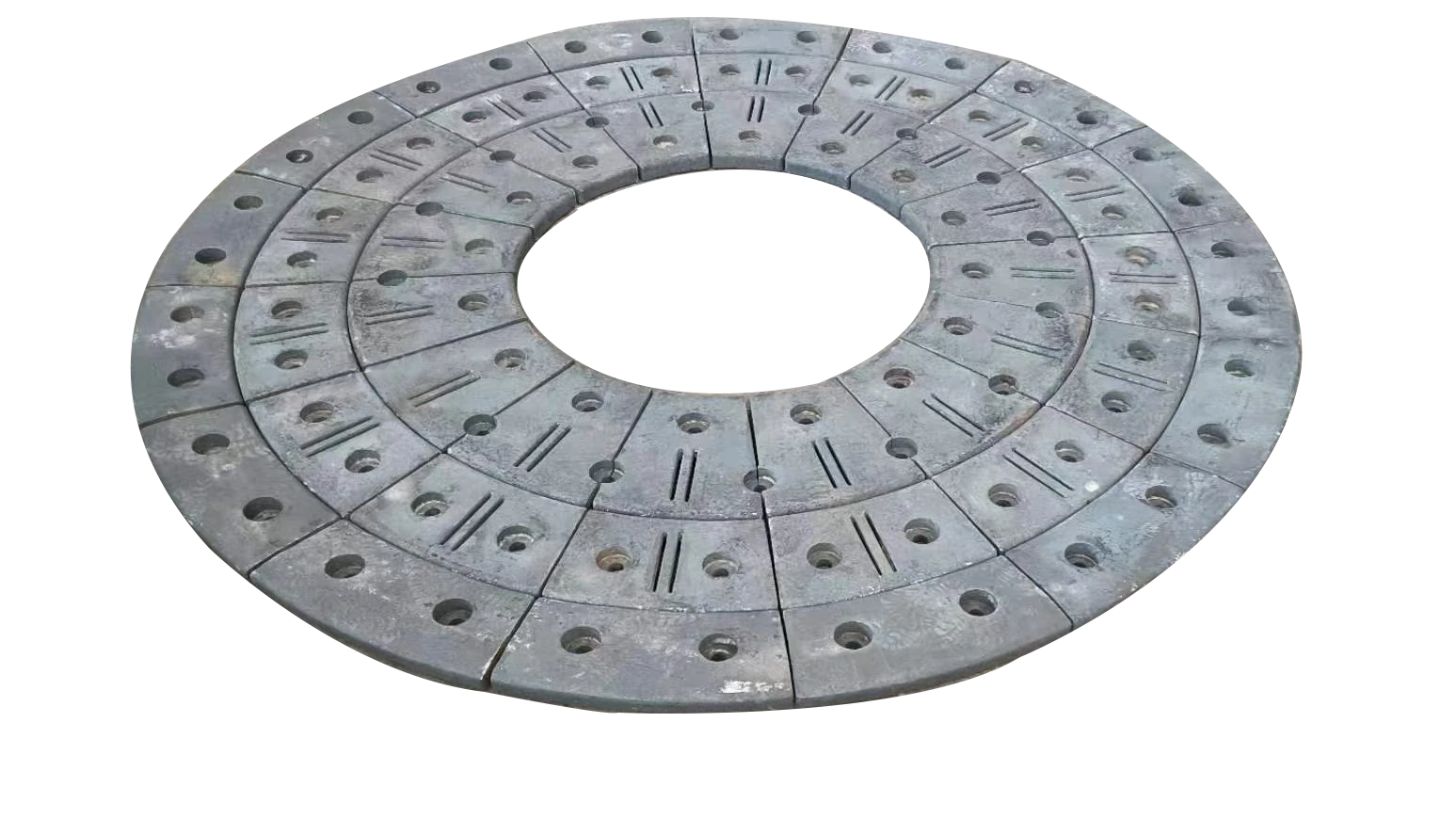
Cement mill shell liners are critical components in the efficient and reliable operation of cement production facilities. These liners protect the steel shell of the mill from wear and impact, significantly extending its lifespan. This article provides an in-depth exploration of cement mill shell liners, covering their function, materials, installation, maintenance, and selection criteria. Proper liner selection and maintenance are vital for minimizing downtime and maximizing the productivity of your cement plant.
The Role of Cement Mill Shell Liners
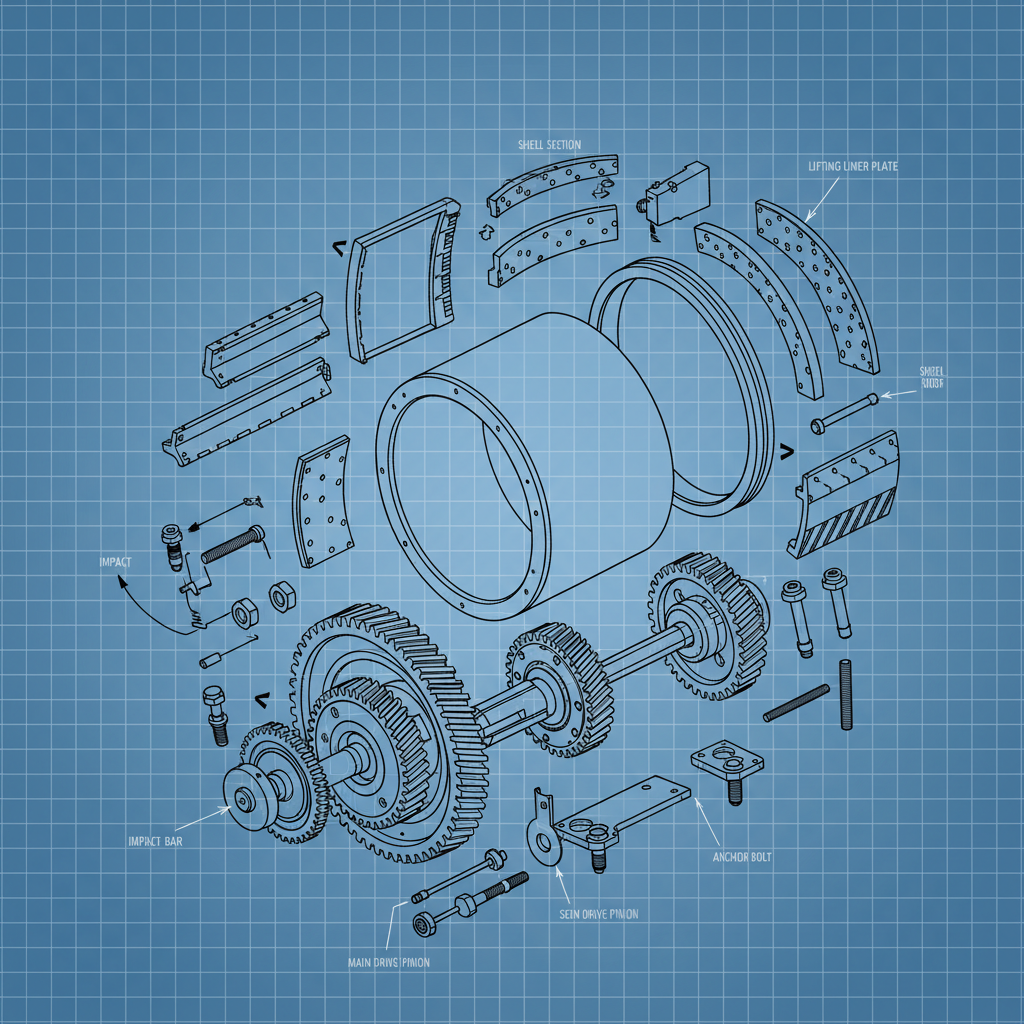
The primary function of cement mill shell liners is to safeguard the mill shell against the constant abrasion and impact caused by the grinding media (steel balls or rods) and the cement clinker inside the mill. Without liners, the mill shell would rapidly deteriorate, leading to costly repairs or even complete replacement. Liners also contribute to noise reduction during the grinding process and can influence the mill's grinding efficiency. Selecting the right liner material is crucial for optimizing performance and minimizing maintenance requirements. Chengda offers a variety of liners tailored to different mill types and cement compositions.
Key Benefits: Prolong mill shell life, reduce noise levels, enhance grinding efficiency, minimize downtime and repair costs.
Common Liner Materials & Their Properties
Several materials are commonly used for cement mill shell liners, each offering distinct advantages and disadvantages. The most prevalent options include forged steel, cast alloy steel, and rubber liners. The optimal choice depends on factors such as the type of cement being produced, the mill size, and the operational conditions. Here’s a comparison:
Installation Best Practices
Proper installation is just as crucial as selecting the right liner material. Incorrectly installed liners can fail prematurely, negating their protective benefits. The installation process typically involves carefully positioning the liners inside the mill shell and securing them with bolts or other fastening mechanisms. Ensuring a tight fit and proper alignment is essential to prevent movement and reduce wear. It's highly recommended to use experienced technicians for liner installation. Chengda provides expert installation services and guidance.
Cement Mill Shell Liner Wear Patterns and Inspection
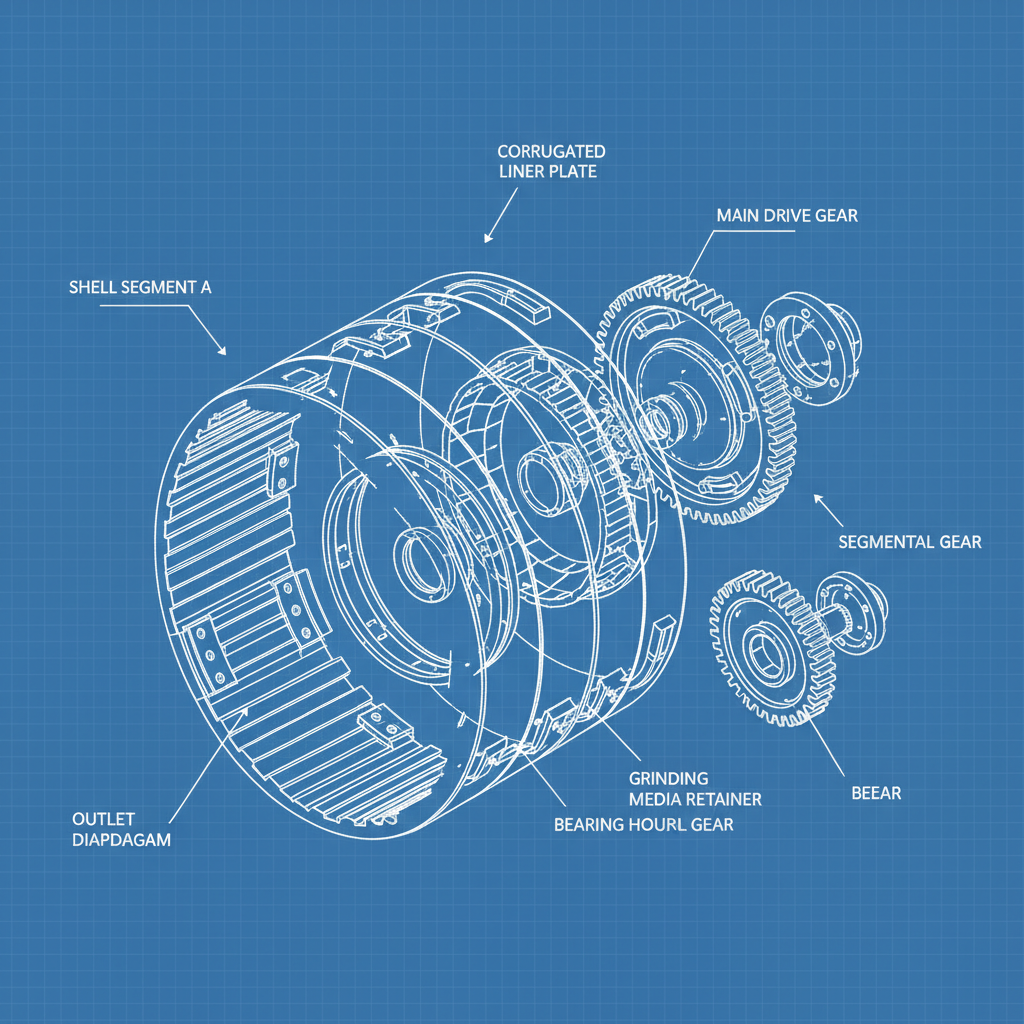
Understanding wear patterns can help optimize liner selection and maintenance schedules. Common wear patterns include localized wear due to impact from large clinker pieces, and general abrasion across the entire liner surface. Regular inspection of liners is vital for identifying early signs of wear and preventing catastrophic failures. Look for cracks, deformation, and significant material loss. Documenting wear patterns can inform decisions about liner replacement and mill operating parameters.
Selecting the Right Liner: A Data-Driven Approach
Choosing the best cement mill shell liners requires careful consideration of several factors. These include the cement type, mill size, grinding media, and operational conditions. Analyzing historical wear data, assessing the chemical composition of the cement, and understanding the mill's operating parameters are crucial steps. Chengda's team of experts can help you analyze your specific needs and recommend the most suitable liners for your application.
Conclusion: Maximizing Mill Efficiency with Optimal Liner Solutions
Investing in high-quality cement mill shell liners is a strategic decision that yields significant long-term benefits. By choosing the right materials, ensuring proper installation, and implementing a proactive maintenance program, cement producers can minimize downtime, reduce repair costs, and optimize the overall efficiency of their mills. Contact Chengda today to discuss your specific requirements and explore our comprehensive liner solutions.
Frequently Asked Questions (FAQs)
What is the typical lifespan of cement mill shell liners?
The lifespan of cement mill shell liners varies significantly based on factors like cement composition, mill operating conditions, and liner material. Generally, forged steel liners can last 12-24 months, cast alloy steel liners 18-36 months, and rubber liners 6-12 months. However, regular inspections are vital to identify wear and tear and determine the optimal replacement time. Ignoring wear can lead to more significant damage to the mill shell itself.
How often should I inspect my cement mill shell liners?
It’s recommended to conduct a visual inspection of your cement mill shell liners at least every 3-6 months. More frequent inspections are advisable for mills operating under harsh conditions or processing abrasive cement types. During inspections, look for signs of wear, such as cracks, deformation, and material loss. Documenting these findings will help track wear patterns and plan for timely replacements.
What factors influence the cost of cement mill shell liners?
Several factors impact the cost of cement mill shell liners, including the material (forged steel being generally more expensive than rubber), the liner size and thickness, the quantity ordered, and the supplier. Transportation costs and any necessary installation services also contribute to the overall expense. It’s important to consider the long-term value and performance of the liners when evaluating costs, rather than solely focusing on the initial price.
Can Chengda provide customized liner solutions?
Yes, Chengda specializes in providing customized liner solutions tailored to the specific needs of our clients. We can manufacture liners with varying dimensions, materials, and designs to optimize performance for different mill types and cement compositions. Our engineering team works closely with clients to understand their requirements and deliver solutions that maximize efficiency and durability.
-
Industrial Guide to Ferro Manganese Medium Carbon for Steel Production
NewsApr.16,2026
-
Professional Guide and Best Practices for drilling manganese steel
NewsApr.09,2026
-
Comprehensive Guide to DIN 1.3401 Stainless Steel Properties and Applications
NewsApr.07,2026
-
Optimizing Crusher Performance with Durable Manganese Alloys and Steel
NewsApr.04,2026
-
Comprehensive Guide to Chrome Manganese Steel Properties and Industrial Applications
NewsMar.31,2026
-
Understanding the Properties and Applications of Cast Manganese Steel
NewsMar.28,2026