Jan . 03, 2026 06:50 Back to list
Durable Placas de Forro de Calha | Industrial Lining Plates Guide
Understanding Placas de Forro de Calha: An Insider’s Perspective
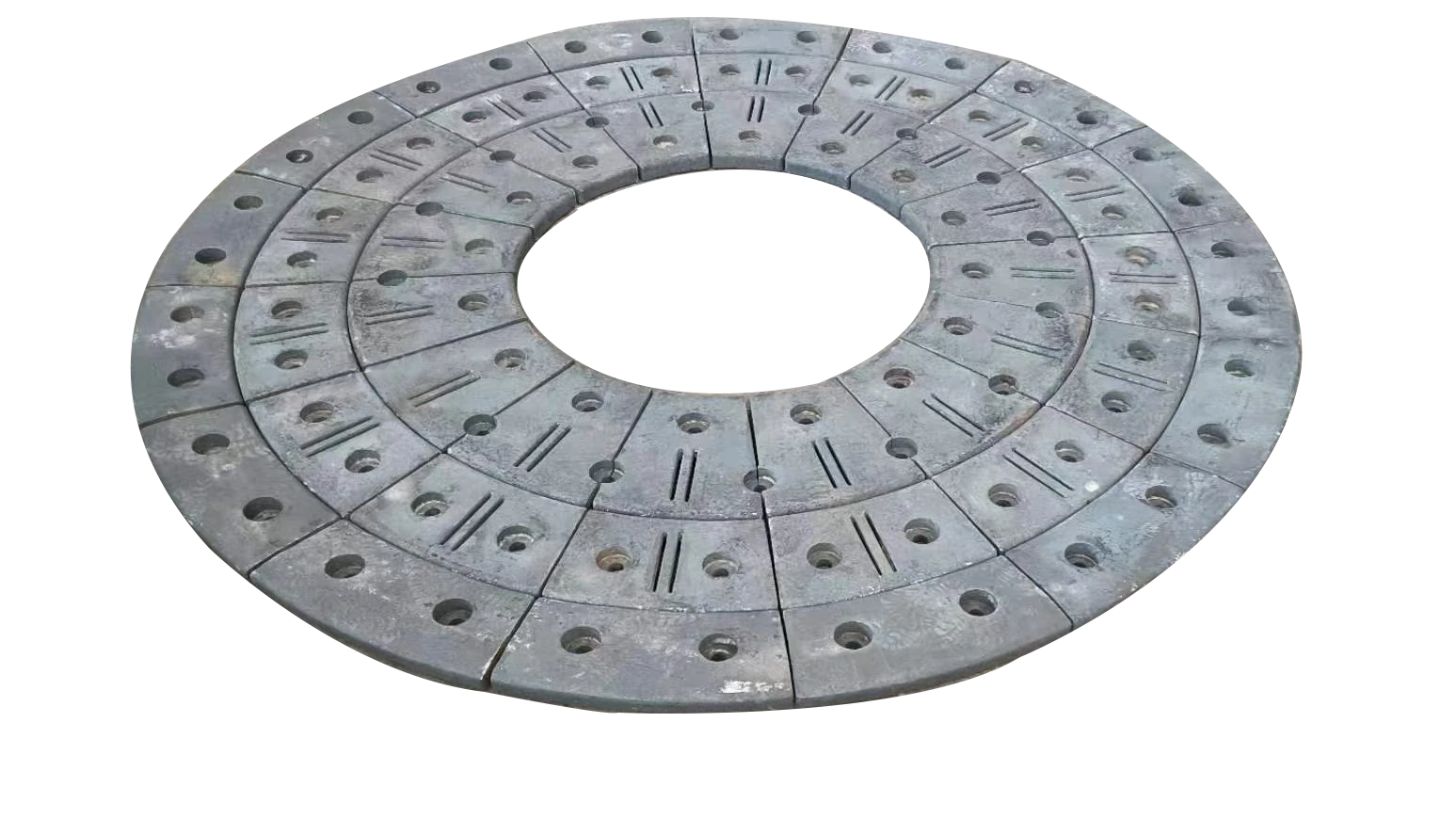
As someone who’s spent a fair share of years tinkering around and working with industrial equipment—particularly with protective linings and wear-resistant components—I’ve seen how crucial the right placas de forro de calha are for reliable operations. For those unfamiliar, these are the lining plates used in chute systems (calhas) to protect structures from abrasive wear. Sounds simple enough, but their impact on maintenance costs and machine longevity can’t be overstated.
Oddly enough, not all lining plates are created equal, and while the science behind choosing materials can be dry, the results on the floor are anything but. From steel mills to mining operations, I’ve noticed that investing just a bit more in quality laminates often pays off big time—less downtime, fewer replacements, and better overall performance.
Material Matters: Making Sense of Wear Plates
Most placas de forro de calha you’ll find on the market are made from high manganese steel or abrasion-resistant steels like AR400 or AR500. These steels have been engineered to withstand consistent impact and abrasion, often combining hardness and toughness—though balancing the two is tricky. It’s a bit like Goldilocks: too hard, and the plate might crack; too soft, and it wears down quickly.
Interestingly, some vendors have started blending in ceramics or applying specialized coatings for enhanced resistance. I've seen cases where ceramic composite plates drastically extended the life of chutes, especially in highly abrasive ore handling. It feels like manufacturers are waking up to the fact that “one-size-fits-all” doesn’t cut it anymore.
| Specification | Typical Value | Notes |
|---|---|---|
| Material | High Manganese Steel (AR400/AR500) | Best for abrasion & impact resistance |
| Thickness | 10mm to 20mm | Depending on chute design |
| Hardness (Brinell) | 400-550 HB | Balance between toughness & wear resistance |
| Dimensions | Varies; commonly 1000 x 500 mm plates | Customizable on request |
| Surface | Smooth or ceramic coated | Depends on abrasion environment |
Choosing a Vendor: What Experience Tells Me
I've worked with several suppliers over the years, and frankly, your results often hinge more on the vendor's quality control and customization capabilities than just raw specs. I recall a client in Chile who switched from generic plates to a specialized provider and saw chute life more than double—mainly because the new vendor could tailor the plate thickness and hardness to match the specific type of ore and impact.
| Vendor | Material Options | Customization | Typical Lead Time | Notable Strength |
|---|---|---|---|---|
| CD Chengda | High Mn Steel, Ceramic Coatings | Custom thickness & dimensions | 3-5 weeks | Robust quality control & flexible production |
| Loc Steel Solutions | AR400/AR500 standard | Limited customization | 2-4 weeks | Fast delivery |
| WearTech Americas | Composite & Metal options | Wide customization | 4-6 weeks | Advanced material science |
Of course, not every plant has the luxury of waiting six weeks for a replacement, so balancing lead time with specs and price is always a bit of a juggling act. That said, cutting corners on lining plates is one of those false economies that bites you later in unexpected ways—trust me on that.
Real-Life Application: A Quick Anecdote
One project I worked on involved refurbishing the chute linings for a gravel plant. They had been using very thin plates, and replacements were needed every few months. We switched to thicker, customized plates from CD Chengda. The difference? Suddenly, their downtime shrank dramatically—meaning less frustration and a better bottom line. Even their operators noticed the smoother material flow, which isn’t something you hear every day.
In truth, there’s something satisfying about seeing a simple part like a lining plate deliver outsized impact (pun intended). It’s one of those details that really cuts through generalizations about “industrial equipment” being impersonal.
Bottom Line
So, if you’re on the hunt for reliable placas de forro de calha, remember: materials, customization, and vendor experience matter just as much as specs on paper. Investing in the right protective lining can save you plenty of headaches (and money) down the road. That little bit of foresight really pays dividends.
Thanks for sticking with me through this small dive into lining plates—kind of feels like an overlooked hero in industrial tech, doesn’t it?
- “Wear-Resistant Steel Plate Properties,” Industrial Metal Supply, 2023.
- J. Smith, Improving Chute Linings in Ore Processing, Mining Tech Journal, 2022.
- CD Chengda Product Catalog and Technical Specifications, 2024.
-
Industrial Guide to Ferro Manganese Medium Carbon for Steel Production
NewsApr.16,2026
-
Professional Guide and Best Practices for drilling manganese steel
NewsApr.09,2026
-
Comprehensive Guide to DIN 1.3401 Stainless Steel Properties and Applications
NewsApr.07,2026
-
Optimizing Crusher Performance with Durable Manganese Alloys and Steel
NewsApr.04,2026
-
Comprehensive Guide to Chrome Manganese Steel Properties and Industrial Applications
NewsMar.31,2026
-
Understanding the Properties and Applications of Cast Manganese Steel
NewsMar.28,2026