Jan . 03, 2026 04:00 Back to list
Placa De Forro De Moinho De Bolas – Durable Ball Mill Lining Plates for Industry | CD Chengda
Placa De Forro De Moinho De Bolas is a key solution in the industry, specifically within the mineral processing and cement manufacturing sectors. This article explores how https://www.cdchengda.com supports professionals with durable, high-performance products, and explains why this product is an ideal choice for businesses in these sectors.
Table of Contents
- Placa De Forro De Moinho De Bolas Overview
- Benefits & Use Cases of Placa De Forro De Moinho De Bolas
- Cost, Maintenance & User Experience
- Sustainability & Market Trends
Placa De Forro De Moinho De Bolas Overview
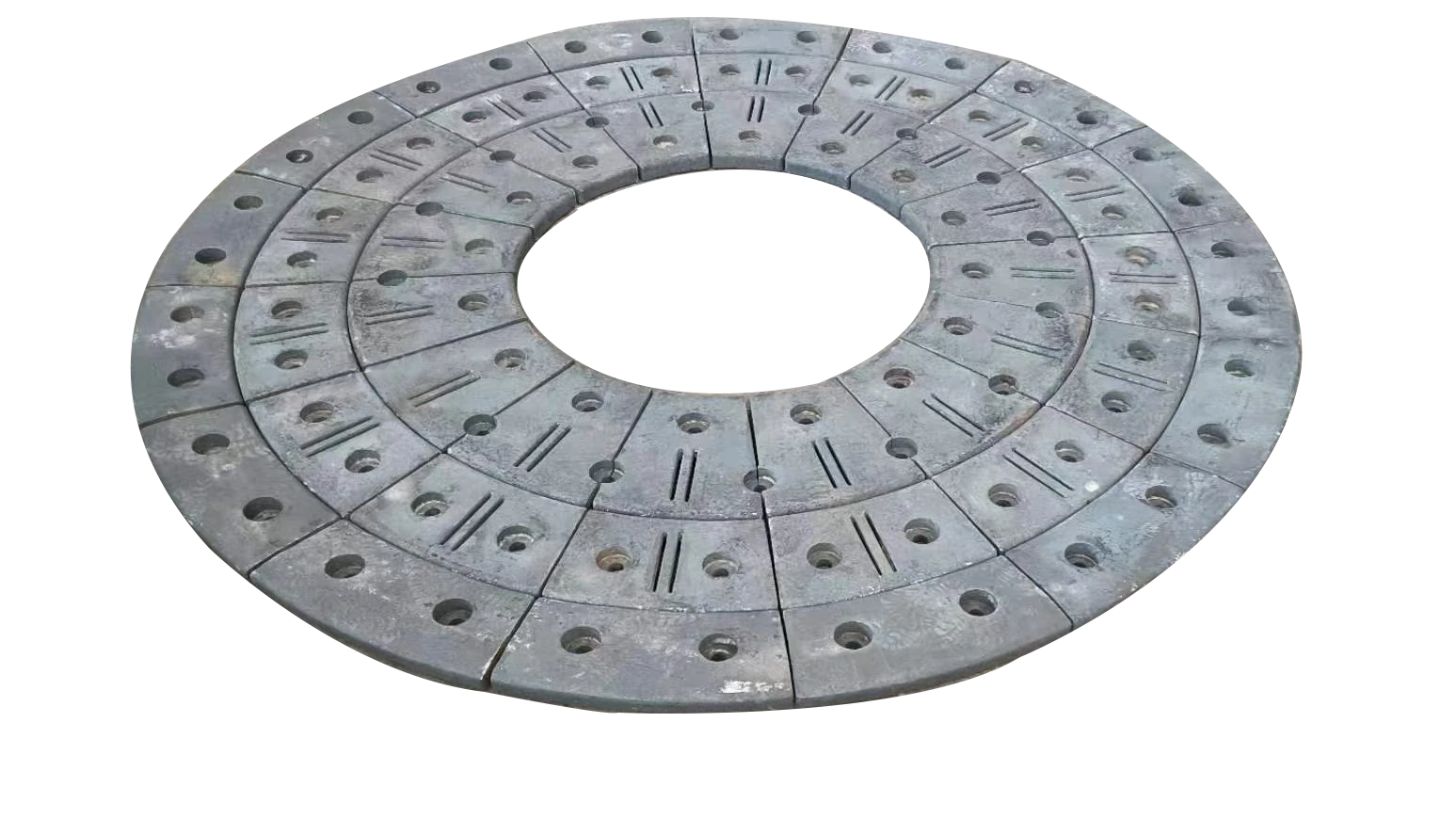
The Placa De Forro De Moinho De Bolas, or ball mill lining plate, is essentially the protective shield inside ball mills, which are integral to grinding processes in raw material preparation and mineral beneficiation. Frankly, without reliable liners, the mechanical wear and tear from the constant tumbling of grinding media and ore would drastically reduce equipment lifespan and efficiency.
These plates are typically made from high-chrome alloy or rubber composites, depending on the specific mill conditions. What’s interesting is how manufacturers like those at CD Chengda have perfected the integration of hardness and toughness, allowing their lining plates to resist abrasive wear while absorbing impact — a tricky balance, I suppose.
| Specification | Details |
|---|---|
| Material | High-chrome alloy, Rubber composite |
| Thickness | 10 mm to 50 mm (customizable) |
| Standard Sizes | Varies by mill dimension, tailored solutions available |
| Hardness | 62-66 HRC (chrome alloy types) |
| Impact Resistance | Up to 15 J/cm² |
Benefits & Use Cases of Placa De Forro De Moinho De Bolas
In real terms, the benefits of using a well-engineered Placa De Forro De Moinho De Bolas are significant. These plates don’t just protect the mill shell — they also improve grinding efficiency by optimizing ball trajectories inside the mill. Industries ranging from mining to cement production find them indispensable.
One example that sticks out in conversations with industry insiders: how the special profile designs offered by vendors like CD Chengda reduce noise and vibration, which ironically improves worker conditions while extending mill component longevity. It’s sort of a win-win.
- Mining milling operations: resilient to harsh abrasives and continuous impact.
- Cement plants: resistant to corrosive environments and thermal changes.
- Customization ability: available in multiple materials, profiles, and sizes to match specific process requirements.
Cost, Maintenance & User Experience
While the upfront cost of premium ball mill liners might feel steep, the total cost of ownership tends to be lower in the long run. This is thanks to the liners’ durability and reduced downtime for replacements. From working with several B2B clients, I noticed many appreciate how their products balance performance with affordability.
Customer feedback often highlights how the high chrome plating significantly outperforms traditional mild steel liners, giving wear resistance improvements of up to 50%. Maintenance teams also say the modular design simplifies installation — meaning less mill downtime and fewer safety hazards during replacement.
Sustainability & Market Trends
Oddly enough, sustainability is becoming a growing consideration for mill lining products. Industry regulators now emphasize longer lifecycle components that reduce waste and raw material consumption. Mines and plants are under pressure to reduce environmental footprints, so choosing liners that last longer and require less frequent replacement fits perfectly with that goal.
The market trend favors innovations like steel-rubber hybrid liners or liners designed for easy recycling. Companies like CD Chengda are riding this wave by developing eco-conscious materials and optimizing manufacturing methods to reduce energy consumption — it’s not just hype, but genuine effort.
| Vendor | Material Options | Custom Designs | Lead Time | Typical Industries Served |
|---|---|---|---|---|
| CD Chengda | Chrome alloy, rubber composite | Yes, full customization | 4-6 weeks | Mining, cement, chemical |
| Vendor X | High manganese steel | Limited | 6-8 weeks | Mining |
| Vendor Y | Rubber only | Custom, but slower | 8-10 weeks | Cement, chemical |
Frequently Asked Questions about Placa De Forro De Moinho De Bolas
- What is Placa De Forro De Moinho De Bolas and how does it work?
- It’s essentially a protective lining installed inside ball mills. By absorbing the abrasive action from grinding balls and material, it protects the steel shell and can even help optimize the grinding process by influencing ball movement.
- What are the main benefits of using Placa De Forro De Moinho De Bolas in industrial applications?
- Key advantages include increased wear resistance, reduced downtime due to fewer replacements, improved mill efficiency, and potential noise and vibration reduction.
- How does Placa De Forro De Moinho De Bolas compare to traditional alternatives?
- Compared to traditional mild steel or low-grade liners, modern Placa De Forro uses advanced alloys and rubber composites, offering much better durability and performance, which translates to cost savings over time.
- What industries can benefit most from Placa De Forro De Moinho De Bolas implementation?
- Mainly mineral processing, cement manufacturing, chemical processing, and any industry requiring wet or dry grinding in mills.
Conclusion on Placa De Forro De Moinho De Bolas from china
Choosing the right ball mill lining plates really boils down to mixing durability, cost efficiency, and performance — the hallmark of a well-designed Placa De Forro De Moinho De Bolas. With companies like CD Chengda offering tailored, high-quality options, businesses can feel confident in optimizing their grinding operations.
- Recap the value of Placa De Forro De Moinho De Bolas.
- - Visit our website: https://www.cdchengda.com
It’s worth remembering, even small gains in liner lifespan or performance can lead to big wins in large-scale industrial milling operations. From material science to smart engineering, the evolution of ball mill liners feels like an unsung story that’s shaping better, greener industry practices.
-
Industrial Guide to Ferro Manganese Medium Carbon for Steel Production
NewsApr.16,2026
-
Professional Guide and Best Practices for drilling manganese steel
NewsApr.09,2026
-
Comprehensive Guide to DIN 1.3401 Stainless Steel Properties and Applications
NewsApr.07,2026
-
Optimizing Crusher Performance with Durable Manganese Alloys and Steel
NewsApr.04,2026
-
Comprehensive Guide to Chrome Manganese Steel Properties and Industrial Applications
NewsMar.31,2026
-
Understanding the Properties and Applications of Cast Manganese Steel
NewsMar.28,2026