Fluctuations in the high carbon ferro manganese price directly impact the operational overhead of steel mills and casting foundries globally. As a critical alloying agent, ferro manganese is essential for desulfurization and improving the hardness and toughness of steel, making its market pricing a key variable in industrial budgeting.
The complexity of manganese ore sourcing, coupled with energy costs in smelting, creates a volatile pricing environment. For manufacturers in the metal products industry, particularly those focusing on casting and processing, understanding the correlation between raw material costs and the performance of finished wear-resistant components is vital for maintaining competitive margins.
This analysis explores the drivers behind alloy pricing and how these economic shifts influence the selection of high-performance grinding media and wear-resistant materials used in the mining and cement sectors.


High carbon ferro manganese is primarily produced by smelting manganese ore with coke and flux in a submerged arc furnace. The pricing is highly sensitive to the purity of the ore and the cost of electricity, which often accounts for a significant portion of the production expense.
When the supply of high-grade manganese ore tightens, the market sees an immediate upward pressure on prices. For foundries specializing in manganese steel or high-chrome alloys, these shifts necessitate a strategic approach to inventory management to avoid sudden spikes in the cost of goods sold.
In the realm of casting and metal processing, manganese serves as a critical element for increasing the hardness and impact toughness of steel. In high-manganese steel, the material exhibits a unique property known as work-hardening, where the surface becomes significantly harder when subjected to impact, while the core remains ductile to absorb energy.
This dual nature is essential for products like Crusher Hammers and High Manganese Steel Grate Plates. The synergy between manganese and carbon creates a microstructure that can withstand the brutal conditions of quarrying and mining without brittle failure, provided the chemical composition is strictly controlled.
Beyond simple hardness, the integration of manganese helps in refining the grain structure of the metal. When combined with chromium in High Chrome Grinding Balls, it contributes to the formation of complex carbides, which are the primary defense mechanism against abrasive wear in ball mills.
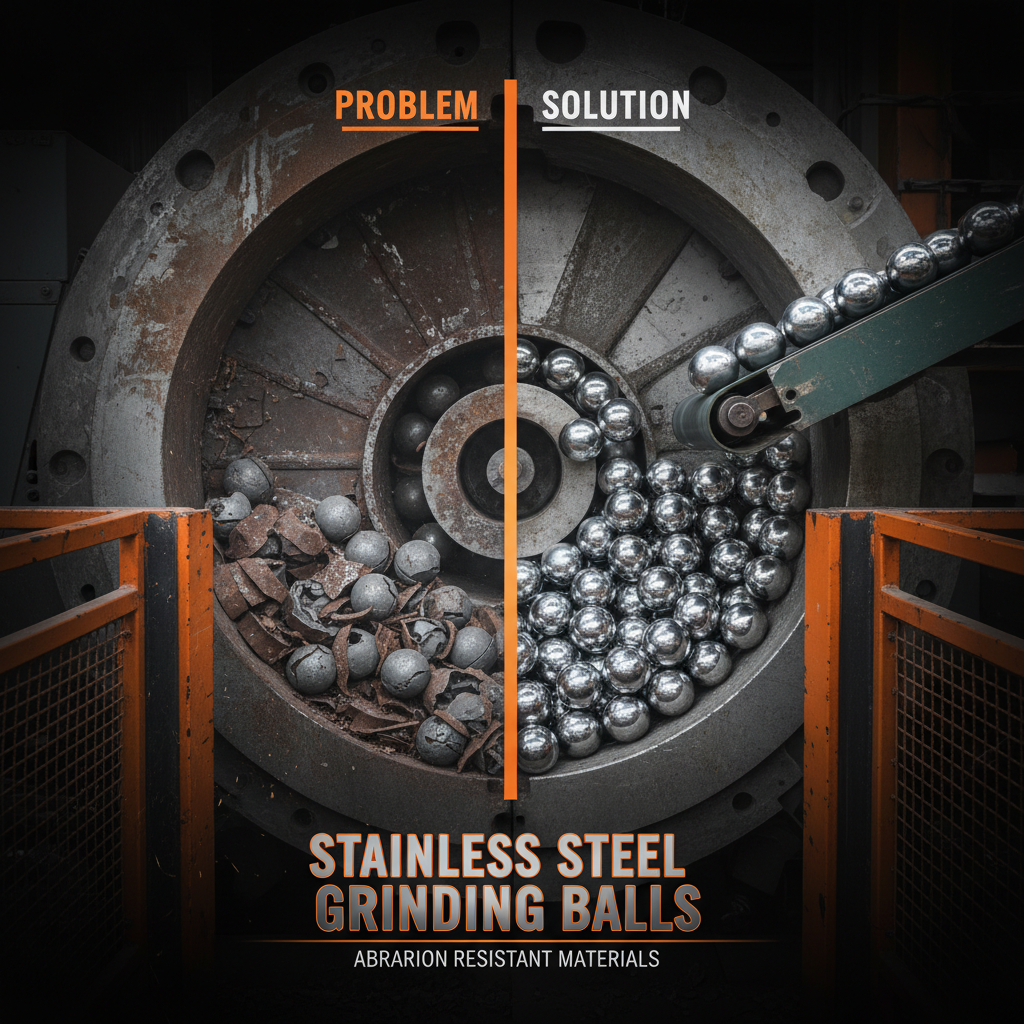
The economic dilemma for mining operators is often the trade-off between initial procurement costs and the long-term service life of the equipment. While low-cost grinding media may seem attractive during periods of high raw material prices, they often lead to higher consumption rates and frequent mill shutdowns.
True operational efficiency is achieved not by minimizing the unit price of the alloy, but by optimizing the wear rate. High-performance media with precise internal and external hardness control can reduce the total cost of ownership by extending replacement cycles.
For instance, using Ultra High Chrome Grinding Balls may involve a higher initial investment due to the chromium and manganese content, but the resulting reduction in wear prevents costly production losses. The goal is to move from a "purchase price" mindset to a "cost-per-ton-processed" metric.
The sensitivity of the final product price to the high carbon ferro manganese price varies based on the alloy's grade. In high-chrome alloys, the manganese content is typically kept between 0.3% and 1.5%, meaning while it is essential for quality, it is not the primary cost driver compared to chromium.
However, the overall cost of production is influenced by the collective pricing of these alloying elements. A rise in manganese prices often coincides with broader increases in ferroalloy costs, impacting the total budget for wear-resistant liners and grinding media.
In the harsh conditions of gold, copper, and iron ore mining, the choice of grinding media can mean the difference between a profitable quarter and a loss. High chromium grinding balls, which integrate manganese for stability, are deployed in ball mills to handle ores of varying hardness. The effectiveness of these balls depends heavily on the Rockwell hardness (HRC), typically maintained above 58 to ensure abrasion resistance.
Chengda's approach to these materials emphasizes a low difference between surface and core hardness (controlled within 0.2HRC), which prevents the balls from cracking or breaking under the immense pressure of the mill. This technical precision ensures that the high cost of alloys is translated into tangible longevity in the field.
The casting industry is shifting toward "intelligent alloying," where the proportions of chromium and manganese are tailored to the specific ore characteristics of a mine. This reduces waste and optimizes the cost-to-performance ratio, mitigating the impact of volatile ferroalloy prices.
Secondary metamorphism treatment is becoming more common in the production of high-chromium balls. This process further refines the carbide distribution, enhancing the impact toughness value—such as achieving 10J/cm²—while maintaining high surface hardness.
Environmental regulations are also pushing the industry toward energy-efficient smelting processes. Foundries that can reduce the carbon footprint of their alloy production are likely to remain more stable in the face of fluctuating energy costs and raw material price shifts.
Selecting the correct grinding medium requires an analysis of the feed material's hardness and the mill's operational goals. For first-chamber crushing, larger balls (60mm to 140mm) with a balanced chromium range (10%–28%) are preferred to provide the necessary potential energy for crushing.
In the second chamber, attrition grinding is performed by smaller balls (15mm to 60mm) with higher chrome content (up to 30%) and hardness (60–69HRC). This ensures the final product reaches the required fineness with maximum efficiency.
The following table provides a conceptual framework for evaluating the suitability of different alloy grades based on typical industrial requirements.
| Alloy Grade | Primary Use Case | Wear Resistance | Impact Toughness |
|---|---|---|---|
| Low Chrome (1-10%) | Soft Ore / General Use | Moderate | High |
| Medium Chrome (10-18%) | Mixed Hardness Ores | High | Moderate |
| High Chrome (18-25%) | Abrasive / Hard Ore | Very High | Moderate |
| Ultra High Chrome (>25%) | Extreme Abrasion | Maximum | Low-Moderate |
| Manganese Steel | Heavy Impact/Crushing | Work-Hardening | Very High |
| Special Alloy (Patented) | Custom Mining Specs | Optimized | Optimized |
Ferro manganese is a key additive in the smelting process of both manganese steel and high-chrome alloys. While the percentage of manganese in high-chrome balls is relatively low (typically 0.3-1.5%), a significant rise in the price of high carbon ferro manganese increases the overall production cost of the raw alloy. This cost is eventually passed down to the end-user, although the impact is less severe than price swings in chromium.
High-chrome steel is designed for maximum abrasion resistance through the formation of hard chromium carbides, making it ideal for grinding mills. High-manganese steel is designed for impact resistance; it "work-hardens," meaning the surface becomes harder the more it is struck. Therefore, high-chrome is used for grinding (attrition), while high-manganese is used for crushing (impact).
A large difference in hardness between the surface and the core creates internal stress, which increases the risk of the ball breaking or chipping during operation. National standards often require this difference to be ≤3HRC. By controlling this difference to within 0.2HRC, manufacturers like Chengda ensure the ball maintains its roundness and resists breakage, leading to a more stable grinding process.
Size selection depends on the chamber. In the first chamber, larger balls (60mm-140mm) are used to provide the high-impact energy needed to crush larger feed materials. In the second chamber, smaller balls (15mm-60mm) are used to maximize the surface area for attrition grinding, which ensures the final product meets the required micron size.
Generally, no. While the initial purchase price of low-chrome balls is lower, their wear rate is significantly higher in abrasive environments. This leads to more frequent replacements and increased mill downtime. High-chrome balls offer a longer service life and lower wear rate, which typically results in lower operating costs per ton of processed material over time.
Heat treatment, including quenching and tempering, is what allows high-chromium balls to achieve a Rockwell hardness above 58 HRC. This process transforms the microstructure into a combination of martensite and carbides, providing the necessary hardness to resist abrasion while maintaining enough toughness to prevent catastrophic failure under shock loads.
While the high carbon ferro manganese price and other alloy market trends introduce volatility into the supply chain, the focus for industrial users must remain on the total value proposition. Precision in metallurgy—specifically the balance of chromium and manganese and the control of internal hardness—is what separates a commodity product from a high-performance industrial tool.
By transitioning from a focus on procurement costs to a focus on wear-rate optimization, mining and cement enterprises can significantly reduce their carbon footprint and energy expenditure. Investing in high-grade, patented wear-resistant materials is the most sustainable path to improving mill productivity and reducing long-term operational costs.