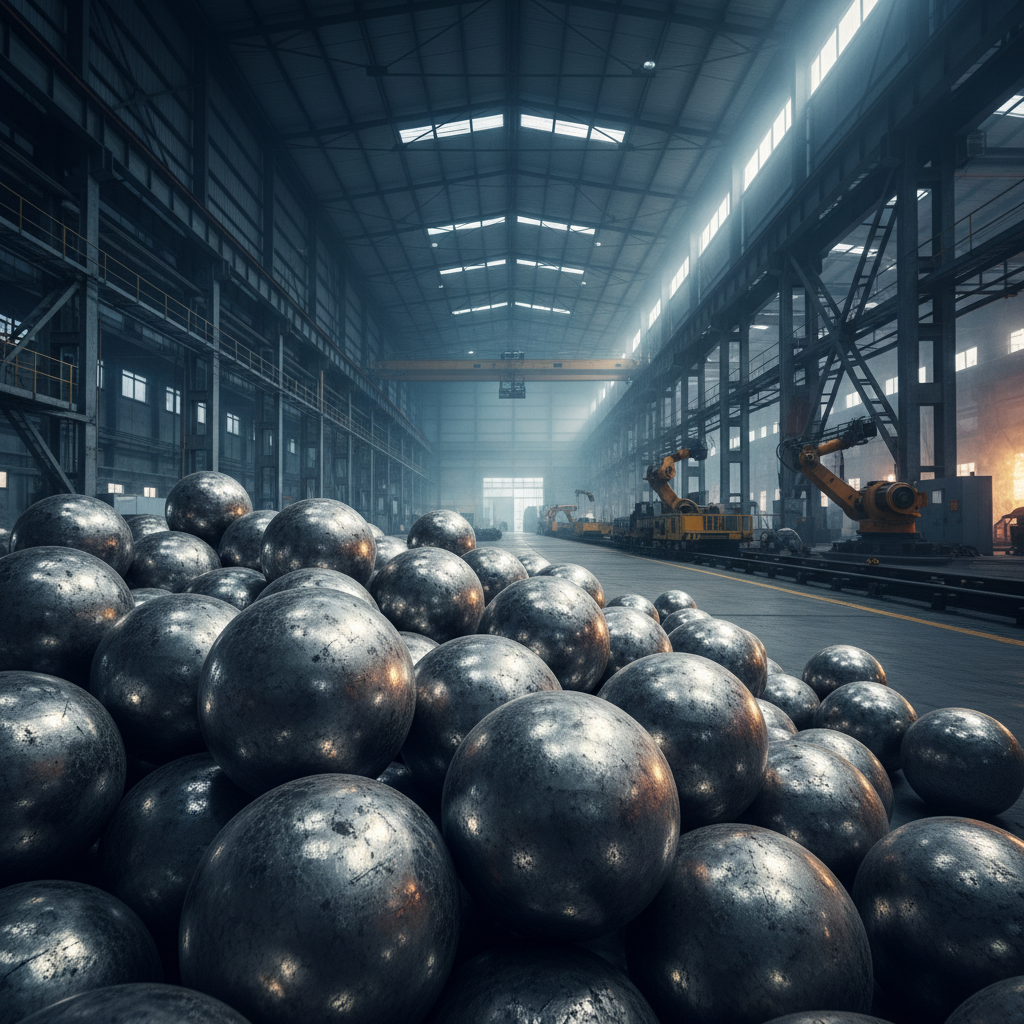
In the demanding world of industrial grinding, the choice of media can make or break the efficiency of a production line. stainless steel grinding balls have emerged as a premium solution for industries requiring high purity, exceptional corrosion resistance, and consistent wear rates. Unlike standard carbon steel or ceramic alternatives, these precision-engineered spheres ensure that the grinding process remains uncontaminated, which is critical for high-value chemical and pharmaceutical applications.
The global shift toward more sustainable and precise manufacturing has placed a spotlight on the material science behind grinding media. The integration of specialized alloys into stainless steel grinding balls allows operators to handle aggressive chemical environments without the risk of media breakdown or product pollution. This evolution in metallurgy not only extends the lifespan of the milling equipment but also significantly reduces the downtime associated with media replacement.
Understanding the nuances of grade selection—ranging from austenitic to martensitic structures—is essential for optimizing throughput. By leveraging the superior hardness and impact toughness of high-grade stainless steel grinding balls, companies can achieve a finer particle size distribution in shorter cycles, directly impacting the bottom line through increased productivity and lower energy consumption per ton of processed material.
Global Industrial Significance of Stainless Steel Grinding Balls
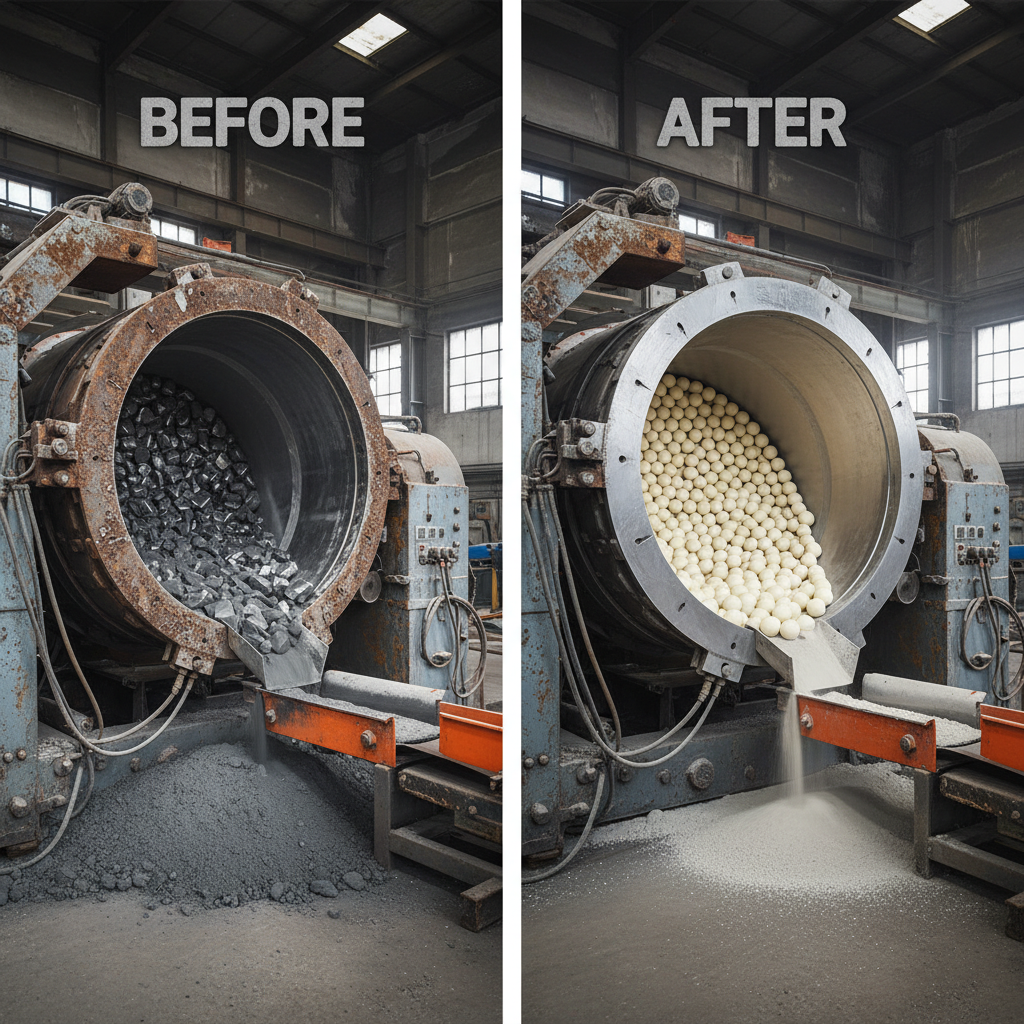
On a global scale, the demand for high-purity materials in sectors like specialty chemicals, advanced ceramics, and pharmaceutical manufacturing has driven the adoption of stainless steel grinding balls. According to industrial standards aligned with ISO quality frameworks, the reduction of iron contamination in final products is a primary driver for switching from forged carbon steel to stainless options. This transition is particularly evident in North American and European markets where stringent regulatory requirements for product purity are non-negotiable.
The challenge facing many modern mills is the aggressive nature of the materials being processed, which often lead to rapid wear and chemical leaching. By implementing stainless steel grinding balls, industries can mitigate these risks, ensuring that the chemical integrity of the batch is preserved. This is not merely a matter of quality control but a strategic operational move to reduce the frequency of mill relining and media recharging, thereby stabilizing the supply chain.
Defining the Technical Composition of Stainless Steel Grinding Balls
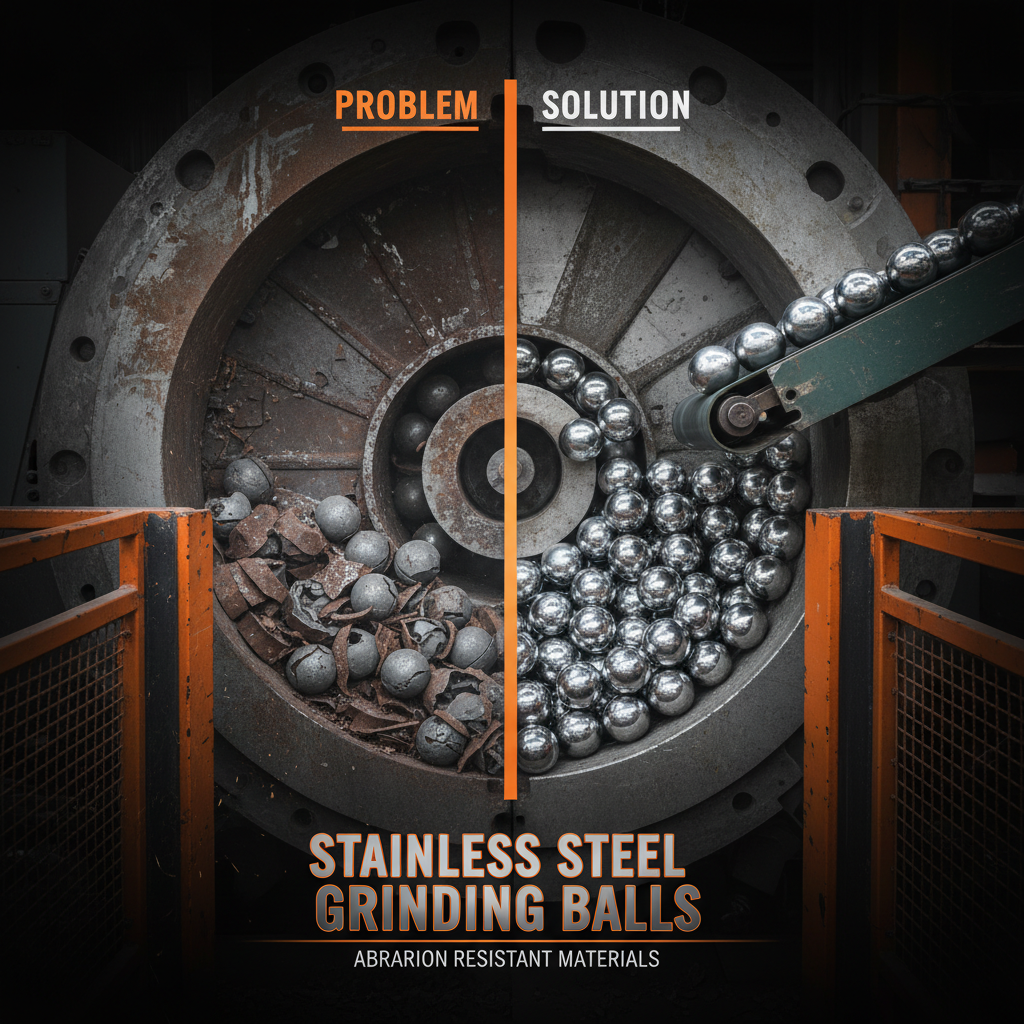
At its core, stainless steel grinding balls are high-precision spherical media engineered from chromium-nickel alloys. Unlike standard steel, the inclusion of chromium creates a passive layer of chromium oxide on the surface, which prevents oxidation and corrosion. This makes them indispensable in wet grinding processes where water or chemical solvents would otherwise cause rapid rust and contamination of the ground material.
From a technical standpoint, these balls are categorized by their alloy structure. Austenitic grades offer maximum corrosion resistance, while martensitic and precipitation-hardened grades provide the extreme hardness required for grinding tougher materials. The balance between hardness (measured on the Rockwell C scale) and toughness determines how the ball behaves under high-impact loads in a tumbling mill, preventing premature cracking or deformation.
In the broader industrial context, the role of these media extends to humanitarian and high-tech needs, such as the production of medical-grade powders and high-performance pigments. By providing a contaminant-free environment, stainless steel grinding balls ensure that the end-user receives a product that meets the highest safety and efficacy standards, bridging the gap between raw mineral processing and refined industrial application.
Core Performance Factors for Grinding Media Efficiency
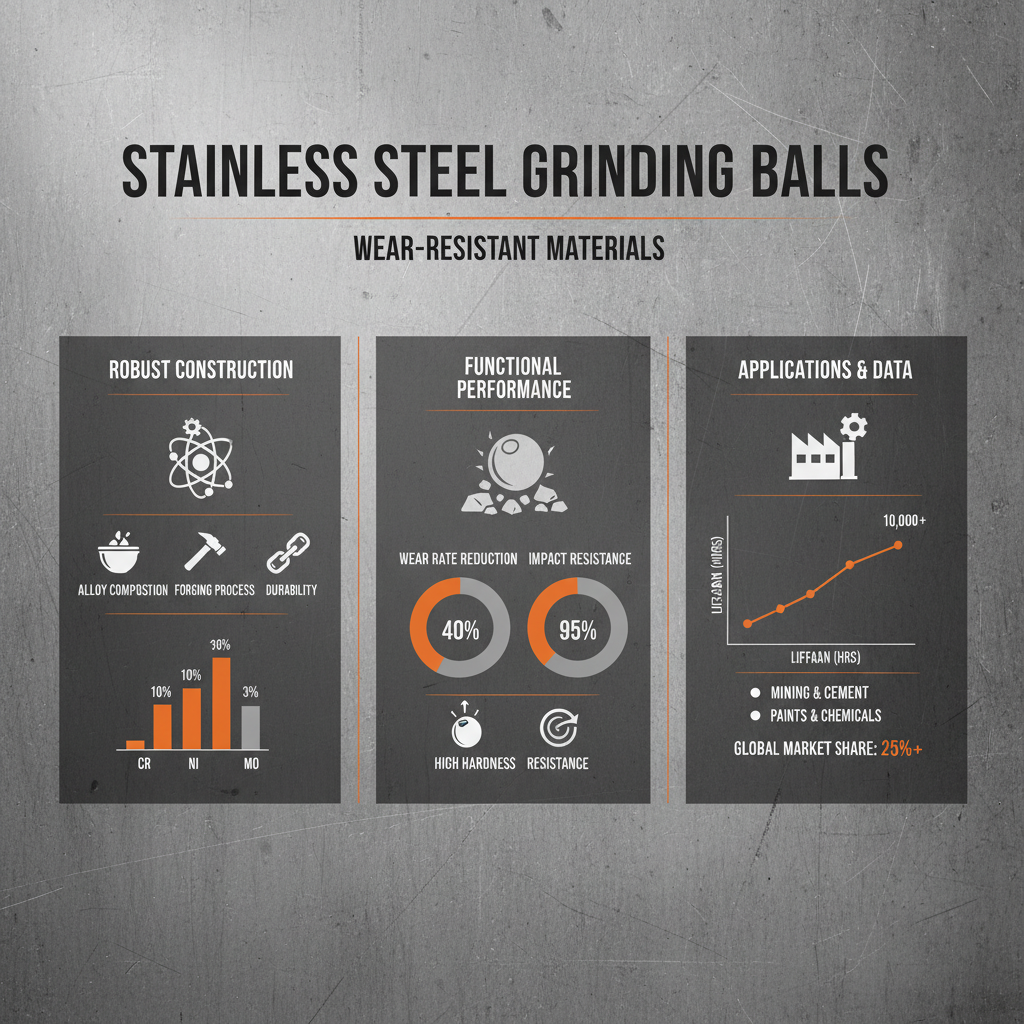
Durability is the first cornerstone of efficiency for stainless steel grinding balls. The ability to withstand millions of high-energy impacts without fracturing ensures that the media maintains a consistent size distribution within the mill. This consistency is vital because any significant breakage leads to an increase in "fines," which can cushion the impact of larger balls and reduce the overall grinding efficiency of the circuit.
Corrosion resistance is what truly differentiates stainless steel grinding balls from cheaper alternatives. In acidic or alkaline environments, standard media dissolves, leading to a loss of mass and the introduction of metallic impurities into the slurry. The passive oxide layer of stainless steel remains intact, ensuring that the wear is purely mechanical rather than chemical, which extends the operational life of the charge.
Cost-efficiency in the context of grinding media is measured by the "wear rate per ton" rather than the initial purchase price. While the upfront cost of stainless steel grinding balls is higher, the significantly lower replacement frequency and the elimination of product contamination costs result in a lower Total Cost of Ownership (TCO). This logical approach to procurement allows plants to scale their operations without a linear increase in media expenditure.
Global Applications and Specialized Use Cases
The application of stainless steel grinding balls spans across diverse global sectors. In the pharmaceutical industry, they are used in planetary ball mills to micronize active ingredients without introducing heavy metal contaminants. Similarly, in the production of high-end cosmetics and pigments in Europe and Asia, these balls ensure that colors remain vivid and pure, as any iron contamination would lead to discoloration of the final product.
Beyond high-tech labs, these media are deployed in remote industrial zones for the processing of specialty minerals. For instance, in the extraction of rare earth elements or high-purity quartz, using stainless steel grinding balls prevents the degradation of the mineral's chemical properties during the liberation phase. This is critical for materials destined for semiconductor fabrication or aerospace components where purity levels are measured in parts per billion.
Efficiency Performance of Stainless Steel Grinding Balls by Grade
Long-Term Economic and Operational Value
The tangible benefits of investing in stainless steel grinding balls extend far beyond simple wear resistance. From a sustainability angle, the longer lifespan of these media means fewer resources are consumed in the manufacturing and transport of replacement balls. This aligns with global ESG (Environmental, Social, and Governance) goals by reducing the carbon footprint associated with the logistics of heavy grinding media.
Moreover, the reliability offered by premium media provides peace of mind to plant managers. Knowing that the media will not fail catastrophically or pollute a multi-million dollar batch of chemicals fosters a culture of trust and innovation. When the risk of contamination is removed, engineers can experiment with more aggressive grinding parameters to further optimize throughput, knowing that stainless steel grinding balls can handle the increased stress.
Innovations in Stainless Steel Grinding Ball Metallurgy
The future of grinding media is being shaped by advanced powder metallurgy and cryogenic treatment. By utilizing atomized powders to create the initial sphere, manufacturers can produce stainless steel grinding balls with an incredibly uniform internal microstructure. This eliminates the "weak spots" often found in traditional forged balls, significantly increasing the impact toughness and reducing the likelihood of spalling during high-energy milling.
Digital transformation is also playing a role through the use of AI-driven wear modeling. By simulating the interaction between the material and stainless steel grinding balls, companies can now predict the exact moment media needs to be replenished. This shifts the maintenance model from "reactive" to "predictive," ensuring that the mill always operates at peak efficiency without risking under-filling or over-filling the chamber.
Additionally, the development of "green" stainless alloys—which reduce the reliance on scarce minerals like cobalt—is making high-performance media more accessible. These innovations ensure that the industry can continue to grow while adhering to strict environmental policies, ensuring that stainless steel grinding balls remain the gold standard for purity-critical grinding operations worldwide.
Overcoming Implementation Challenges in Milling
One of the primary challenges when transitioning to stainless steel grinding balls is the initial capital expenditure. Many operators are hesitant to move away from carbon steel due to the price gap. However, the solution lies in a comprehensive cost-benefit analysis that factors in the cost of product rejects and the labor costs associated with frequent media changes. When viewed as an investment in quality assurance, the value proposition becomes clear.
Another common issue is "ball agglomeration" in certain sticky materials. To solve this, expert consultants recommend optimizing the ball size distribution (the "charge recipe"). By mixing different diameters of stainless steel grinding balls, operators can ensure that the smaller balls fill the gaps between larger ones, increasing the number of contact points and accelerating the grinding process while preventing the media from clumping.
Finally, proper mill lining is essential to protect the equipment when using harder stainless media. Using liners that match the hardness of the balls prevents the media from wearing down the mill shell itself. By integrating a holistic approach—matching the media, the liner, and the process parameters—industrial plants can fully unlock the potential of stainless steel grinding balls.
Comparative Analysis of Grinding Media Performance by Environment
| Environment Type |
Media Selection |
Wear Rate (1-10) |
Purity Level |
| Strongly Acidic |
Austenitic SS Balls |
3 |
Ultra-High |
| Abrasive / Hard Rock |
Martensitic SS Balls |
6 |
High |
| Pharmaceutical Grade |
316L SS Balls |
2 |
Absolute |
| General Industrial |
Chrome SS Balls |
5 |
Medium-High |
| High Impact/Tumbling |
Hardened SS Balls |
4 |
High |
| Wet Milling / Slurry |
304 SS Balls |
3 |
High |
FAQS
The primary advantage is corrosion resistance. Carbon steel balls oxidize rapidly in wet or chemical environments, leading to "rust contamination" in the final product. Stainless steel grinding balls form a protective chromium oxide layer that prevents this leaching, ensuring product purity and reducing the rate of media loss due to chemical erosion.
Selection depends on the balance between hardness and corrosion resistance. For extreme purity and corrosive environments, austenitic grades (like 316L) are best. If your application requires high impact and abrasion resistance for tougher materials, martensitic or precipitation-hardened grades provide the necessary Rockwell hardness to prevent deformation.
Yes. While the initial purchase price is higher, the Total Cost of Ownership (TCO) is lower because they last longer (lower wear rate) and eliminate the cost of scrapped batches caused by contamination. Reduced downtime for media recharging also translates into higher annual plant productivity.
Absolutely. While their corrosion resistance is a key selling point for wet milling, their superior hardness and toughness make them excellent for dry grinding of ceramics, pigments, and specialty minerals where avoiding metallic contamination is a priority.
The key is to match the hardness of the liner to the hardness of the stainless steel grinding balls. Using high-chrome or manganese steel liners ensures that the liner can withstand the impact and abrasion of the media, preventing premature failure of the mill shell.
Stainless steel typically offers much higher impact toughness than ceramic media, meaning they are less likely to shatter in high-energy mills. While some ceramics have higher hardness, stainless steel provides a more durable balance for industrial-scale operations, often lasting significantly longer in high-impact environments.
Conclusion
In summary, stainless steel grinding balls represent the pinnacle of efficiency for industries where purity, durability, and corrosion resistance are paramount. By integrating advanced metallurgy with precision engineering, these media not only protect the integrity of the final product but also optimize the operational lifecycle of the grinding equipment. From reducing contamination risks to lowering the long-term cost of ownership, the shift toward high-grade stainless media is a strategic necessity for any modern milling operation.
As the industry moves toward smarter, greener manufacturing, the role of specialized grinding media will only grow. We recommend that plant managers conduct a thorough audit of their current wear rates and contamination levels to determine the optimal stainless grade for their specific needs. Investing in quality media today is the surest way to guarantee productivity and product excellence tomorrow. Visit our website for more professional guidance: www.cdchengda.com