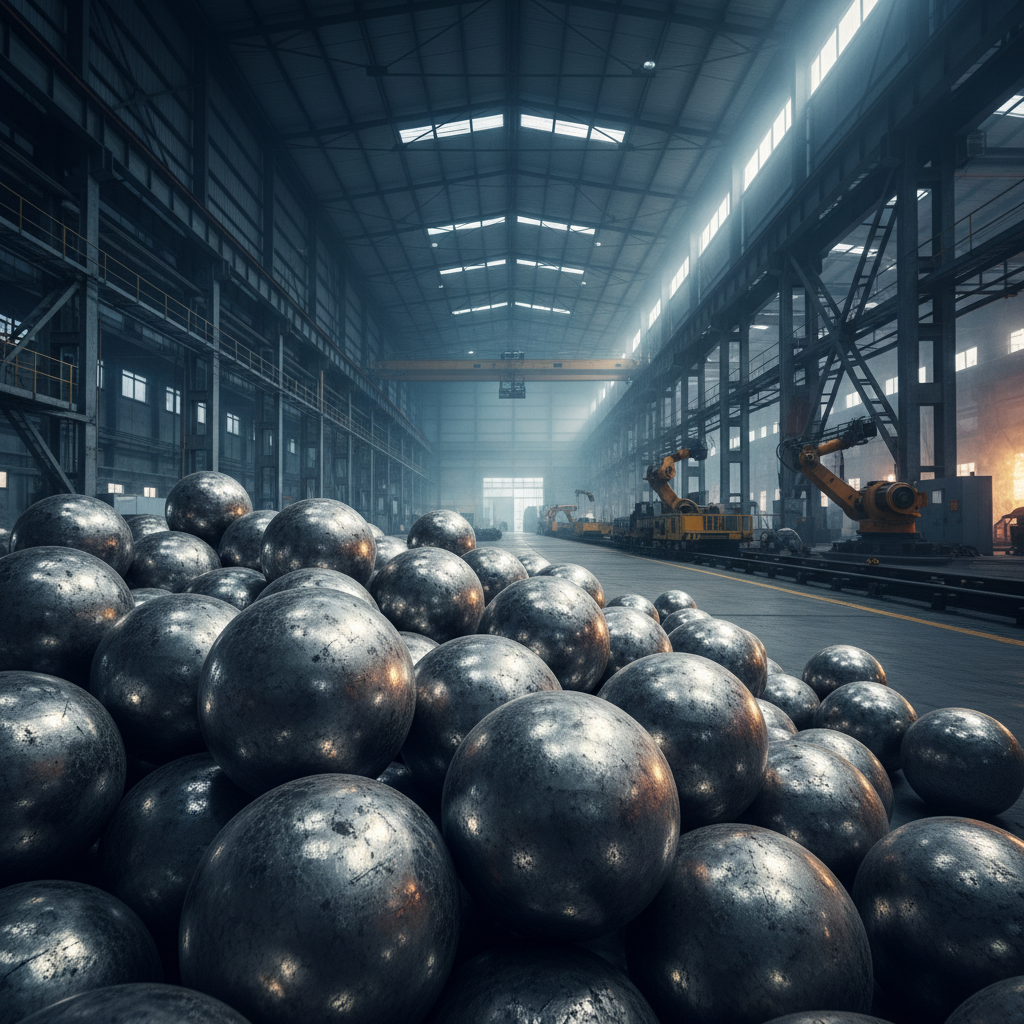
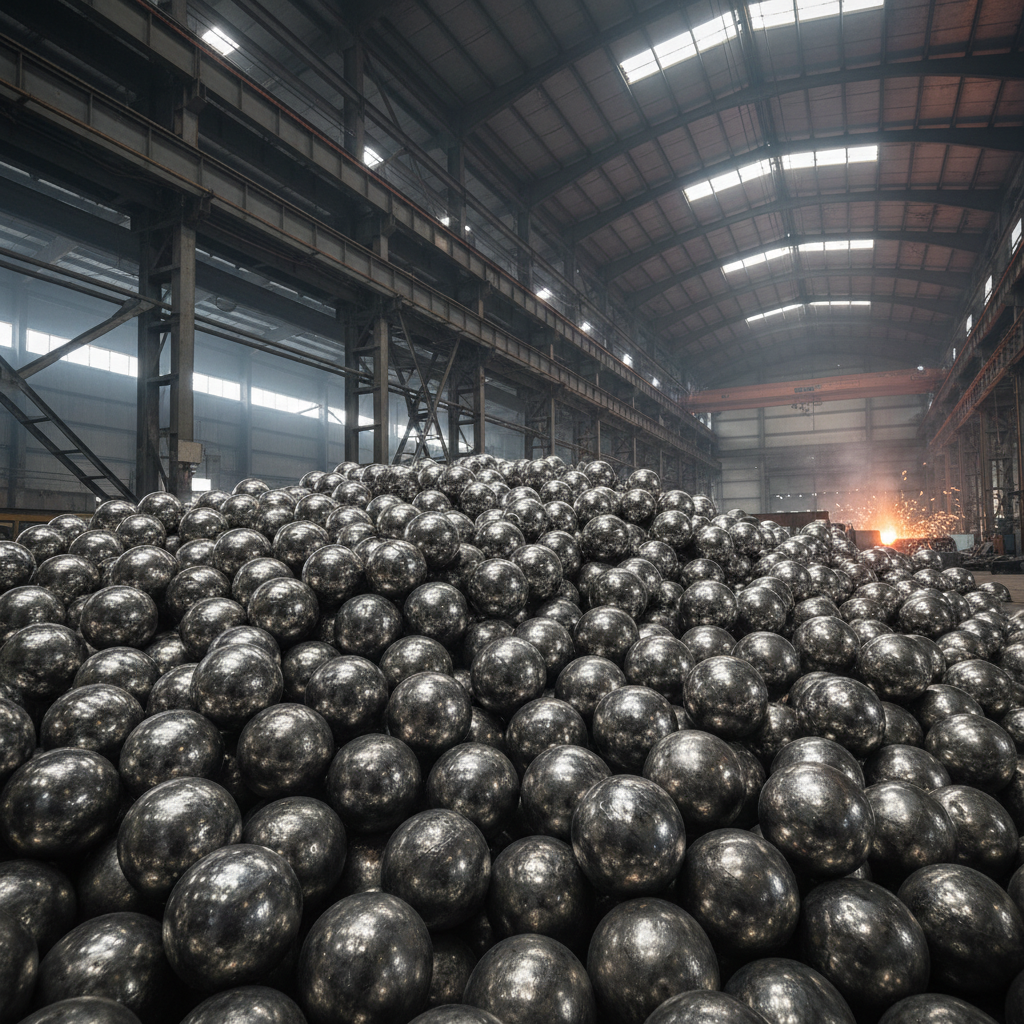
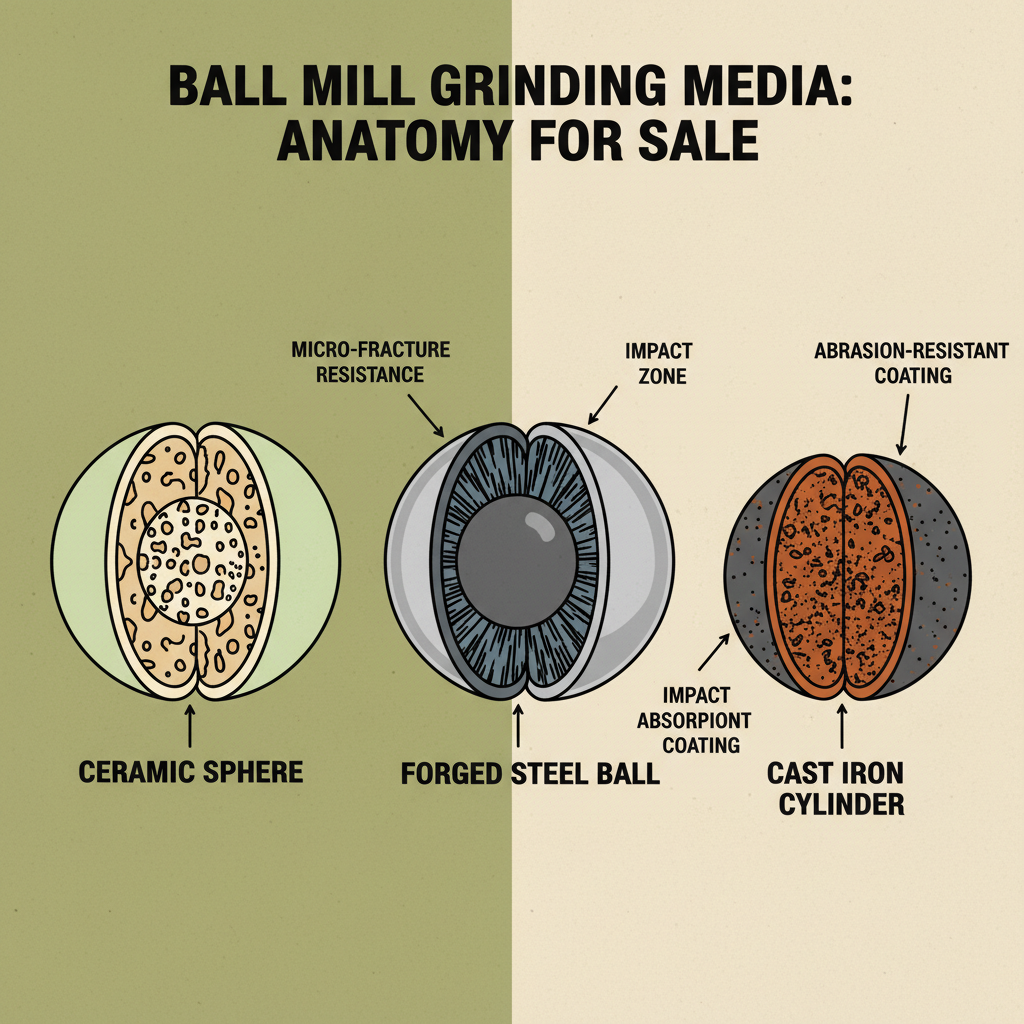
Ball milling balls are crucial components in a wide range of industrial processes, from materials science and pharmaceuticals to mining and cement production. These seemingly simple spheres play a vital role in grinding, mixing, and dispersing materials, ultimately impacting the quality and efficiency of countless products we use daily. Understanding the nuances of ball milling balls – their materials, sizes, and applications – is essential for optimizing these processes and driving innovation across various sectors.
The global demand for efficient and precise size reduction technologies has steadily increased, driving the ball milling ball market. According to market research reports, the industry is experiencing significant growth, fueled by expansion in end-use industries like ceramics, pigments, and battery materials. The need for finer particle sizes and improved material properties, particularly in advanced materials manufacturing, continues to propel the demand for high-quality ball milling balls. This growth highlights the critical role these components play in modern manufacturing.
Ultimately, effective ball milling relies on the precise selection and utilization of ball milling balls. This ensures optimal energy transfer, minimal contamination, and consistent product quality. As industries continue to demand more sophisticated materials and processes, the importance of understanding and improving ball milling ball technology will only increase, creating opportunities for innovation and efficiency gains.
Introduction to Ball Milling Balls
Ball milling balls are the workhorses of the ball milling process, responsible for the comminution and mixing of materials. They come in a variety of materials, sizes, and shapes, each optimized for specific applications. Their selection directly impacts the efficiency, contamination levels, and ultimately, the quality of the final product. ball milling balls are integral to this process.
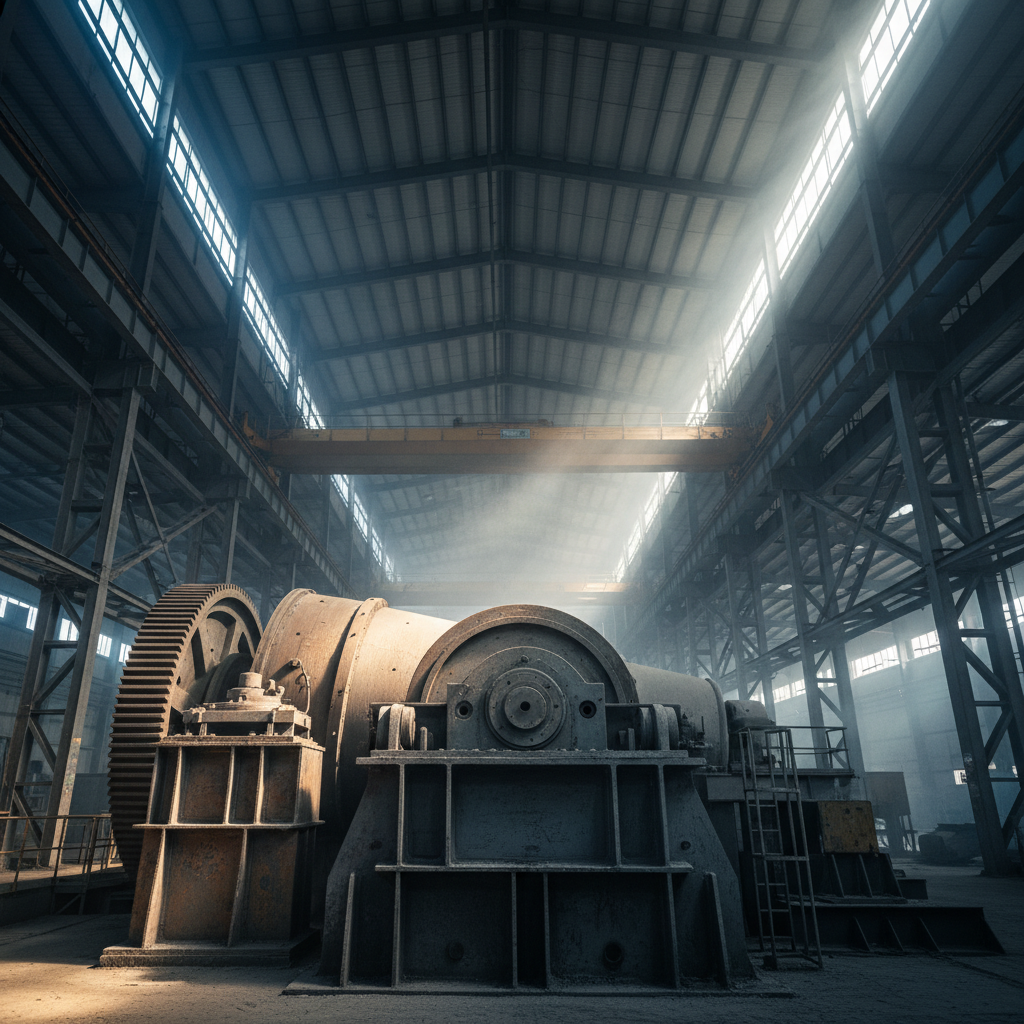
The fundamental principle behind their function is impact and attrition. As the milling container rotates, the balls are lifted and then fall, impacting the material being processed. This continuous impact, combined with the friction between the balls and the material (attrition), leads to particle size reduction and homogenous mixing. The right ball milling balls are critical for achieving the desired results.
The Science of Ball Milling Balls
The effectiveness of ball milling is governed by several scientific principles. The energy transfer during impact is a key factor, influenced by the ball’s mass, velocity, and the material’s inherent resistance to deformation. Different materials require varying levels of energy input, making the selection of ball material and size crucial. The process also involves complex interactions between the balls, the material being milled, and the milling media.
Furthermore, the size distribution of the balls within the mill is a critical parameter. A combination of large and small balls is often used; larger balls provide the initial breakage, while smaller balls refine the particle size and enhance mixing. Understanding these dynamics allows for optimizing the milling process for specific materials and desired outcomes.
The science behind ball milling is not just about brute force. It’s about controlled energy transfer, optimized particle interaction, and understanding the material's response to mechanical stress. This requires careful consideration of all process parameters, including ball material, size distribution, mill speed, and milling time.
Key Material Properties of ball milling balls
The material composition of ball milling balls is paramount. Common materials include steel (carbon steel, alloy steel, stainless steel), ceramics (alumina, zirconia, silicon nitride), and even polymers. Each material offers unique advantages and disadvantages based on factors like hardness, density, corrosion resistance, and contamination potential. For example, stainless steel ball milling balls are widely used for their robustness and relatively low cost.
Hardness is a vital property, determining the ball’s resistance to wear and deformation. Higher hardness generally translates to longer ball life, reducing the frequency of replacement and minimizing contamination. However, excessive hardness can also lead to increased wear on the milling container. Density plays a role in the energy transfer during impact, with denser balls delivering more forceful impacts.
Corrosion resistance is essential, particularly when milling reactive materials or using liquid milling media. Ceramic balls are often preferred in these scenarios due to their inertness and resistance to chemical attack. Finally, the potential for contamination must be considered. Some materials can leach ions into the milled product, which may be undesirable in certain applications like pharmaceutical manufacturing.
Performance Metrics and Efficiency of ball milling balls
Evaluating the performance of ball milling balls requires considering several key metrics. Wear rate is a primary concern, as it directly impacts the cost of operation and the potential for contamination. Measuring the weight loss of the balls over time provides a quantifiable indication of wear resistance.
Another critical metric is milling efficiency, which refers to the amount of energy required to achieve a specific particle size reduction. This can be assessed by measuring the power consumption of the mill and the resulting particle size distribution of the milled product. Optimizing ball size distribution and material properties can significantly improve milling efficiency.
Ball Milling Ball Performance Comparison
Global Applications of ball milling balls
Ball milling balls find application in diverse industries worldwide. In the mining sector, they are essential for grinding ore to liberate valuable minerals. The pharmaceutical industry relies on them for micronizing drugs and active pharmaceutical ingredients (APIs). Ceramic manufacturers use them for producing fine ceramic powders.
The paint and pigment industry utilizes ball milling to disperse pigments and achieve uniform color distribution. Furthermore, the burgeoning battery materials sector relies heavily on ball milling to create electrode materials with optimal particle size and morphology. In remote industrial zones across Australia and South America, efficient ball milling is critical for processing raw materials.
Advantages and Long-Term Value
The consistent performance and reliability of high-quality ball milling balls translate to significant cost savings. Reduced wear rates minimize downtime for ball replacement, boosting productivity. Proper material selection ensures minimal contamination, safeguarding product quality and reducing waste. The long-term value stems from this enhanced efficiency and quality control.
Beyond the economic benefits, choosing durable and corrosion-resistant ball milling balls contributes to a more sustainable operation. Less frequent replacements reduce material consumption and waste generation, aligning with environmentally conscious practices. Investing in quality balls builds trust with customers by ensuring consistent product quality and minimizing potential recalls.
Future Trends in ball milling balls Technology
The future of ball milling ball technology is leaning towards enhanced materials and innovative designs. Research is focused on developing new ceramic materials with improved hardness and wear resistance. Furthermore, surface modifications, such as coatings, are being explored to reduce friction and enhance corrosion resistance.
Automation and digital control systems are also playing a larger role, allowing for real-time monitoring of ball wear and optimization of milling parameters. This data-driven approach enables predictive maintenance and minimizes unexpected downtime. The integration of AI and machine learning algorithms could further refine the process, optimizing ball size distribution and milling conditions.
Sustainability is another key driver, with a growing emphasis on using recycled materials and developing eco-friendly ball milling ball solutions. This aligns with the broader industry trend towards circular economy principles and responsible manufacturing practices.
Overview of Ball Milling Ball Performance Parameters
| Material Type |
Wear Resistance (1-10) |
Contamination Potential (Low/Medium/High) |
Cost (Relative) |
| Carbon Steel |
6 |
Medium |
Low |
| Stainless Steel |
7 |
Low |
Medium |
| Alumina |
8 |
Very Low |
Medium-High |
| Zirconia |
9 |
Very Low |
High |
| Silicon Nitride |
9.5 |
Very Low |
Very High |
| Polymer |
4 |
Low |
Very Low |
FAQS
When selecting ball milling balls, consider the material being milled, the desired particle size, contamination concerns, and budget. Hardness, density, corrosion resistance, and wear rate are crucial material properties to evaluate. For instance, ceramic balls are ideal for sensitive materials requiring minimal contamination, while steel balls are cost-effective for less demanding applications.
The size and distribution of balls significantly influence milling efficiency. A combination of large and small balls is generally recommended. Larger balls provide initial breakage, while smaller balls refine the particle size. A broader size distribution can optimize energy transfer and prevent ball clustering, improving milling effectiveness. Careful consideration of these factors is vital.
Wear in ball milling balls is primarily caused by impact, attrition, and corrosion. Minimizing wear involves selecting materials with high hardness and wear resistance, controlling milling parameters (speed, time), and using appropriate milling media. Regular inspection and replacement of worn balls are also crucial for maintaining optimal performance.
Not necessarily. While ceramic balls offer excellent wear resistance and minimal contamination, they are significantly more expensive than steel balls. Steel balls are often suitable for applications where contamination is not a concern and cost is a primary factor. The optimal choice depends on the specific application requirements and budget constraints.
Optimal milling time depends on the material, desired particle size, ball milling ball characteristics, and mill speed. It’s best to start with a short milling time and gradually increase it while monitoring the particle size distribution. Over-milling can lead to unwanted particle aggregation or contamination, while under-milling may not achieve the desired fineness.
The milling media, which is the liquid or gas within the mill, plays a critical role in transporting energy and facilitating particle collision. Choosing the correct milling media enhances grinding efficiency. For example, water is common for wet milling, while inert gases are used for dry milling to prevent oxidation or reactions. Considerations include viscosity, surface tension, and compatibility with the materials being milled.
Conclusion
In conclusion, ball milling balls are fundamental components in a vast array of industrial processes. Their material properties, size distribution, and operational parameters collectively dictate the efficiency, quality, and cost-effectiveness of particle size reduction and material mixing. A comprehensive understanding of these elements is crucial for optimizing milling operations and achieving desired results.
Looking forward, continued innovation in materials science, automation, and sustainable practices will shape the future of ball milling ball technology. By embracing these advancements, industries can enhance their productivity, reduce environmental impact, and create superior products. To explore high-quality ball milling balls and optimize your milling processes, visit our website today!