The cement ball mill stands as a cornerstone of modern industrial processes, particularly within the cement production industry. Its primary function – to grind raw materials into fine powders – is fundamental to creating cement, a crucial binding agent in construction worldwide. Understanding the intricacies of cement ball mills is essential for optimizing production efficiency, enhancing cement quality, and addressing the growing demand for sustainable building materials. From its historical roots to cutting-edge technological advancements, the cement ball mill continues to evolve, impacting infrastructure development globally.
Globally, cement production accounts for approximately 8% of total carbon dioxide emissions, making it a significant contributor to climate change. Efficient and optimized cement ball mill operation plays a vital role in mitigating this impact. According to the World Bank, infrastructure investment in developing countries is projected to exceed $1 trillion annually in the coming decades, driving increased demand for cement. The efficiency and reliability of cement ball mills are, therefore, paramount to meeting this demand sustainably.
The cement ball mill isn’t merely a piece of equipment; it’s an essential link in the chain supplying the foundation for modern civilization. Its impact extends beyond construction, touching upon economic growth, societal development, and environmental responsibility. By improving the technology and operation of these mills, we can contribute to a more sustainable and resilient built environment.
Introduction to cement ball mill
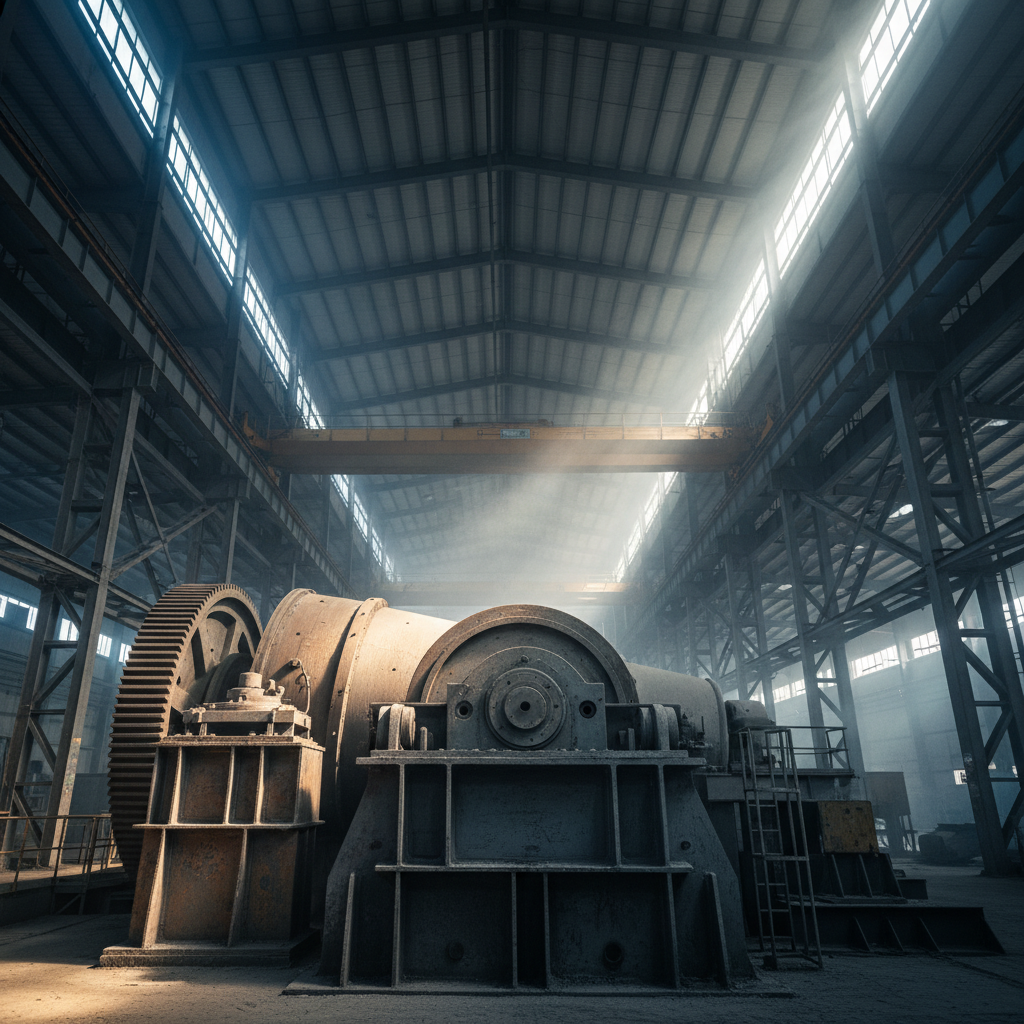
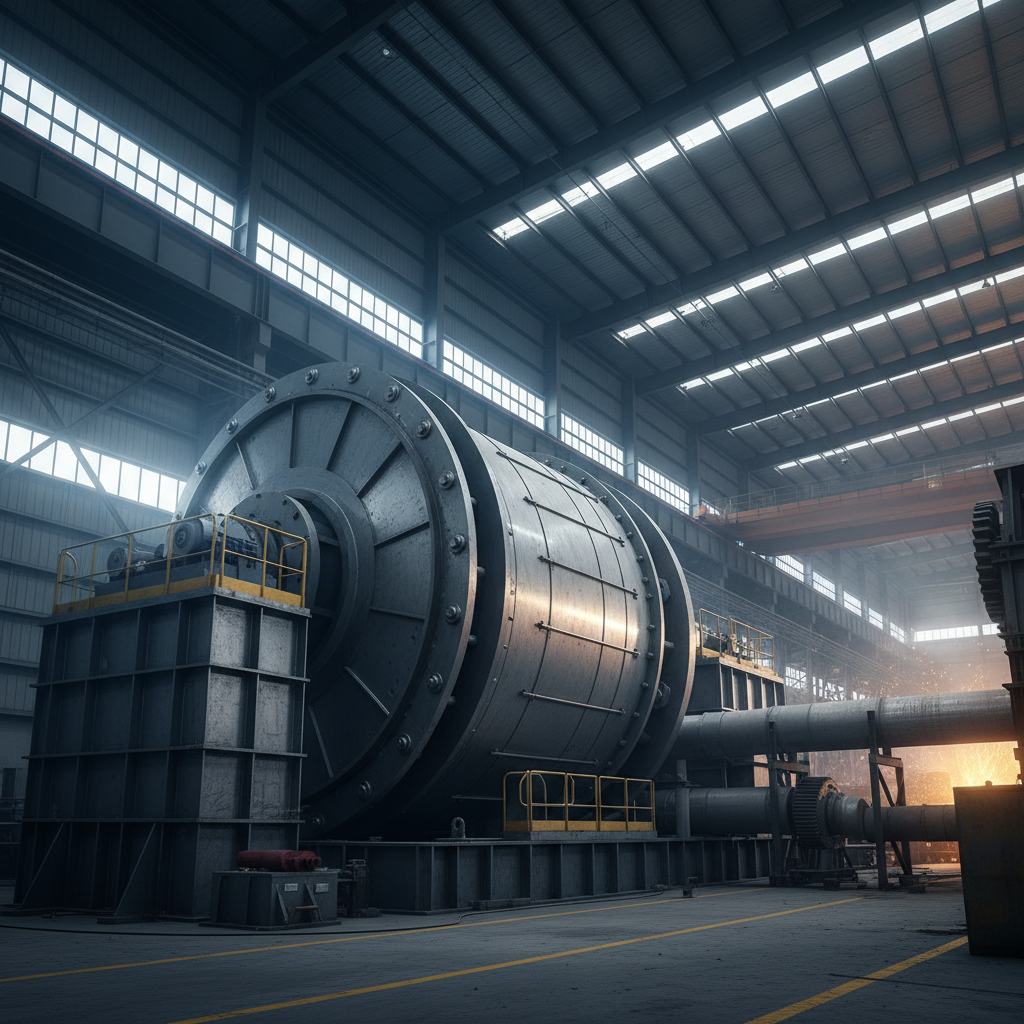
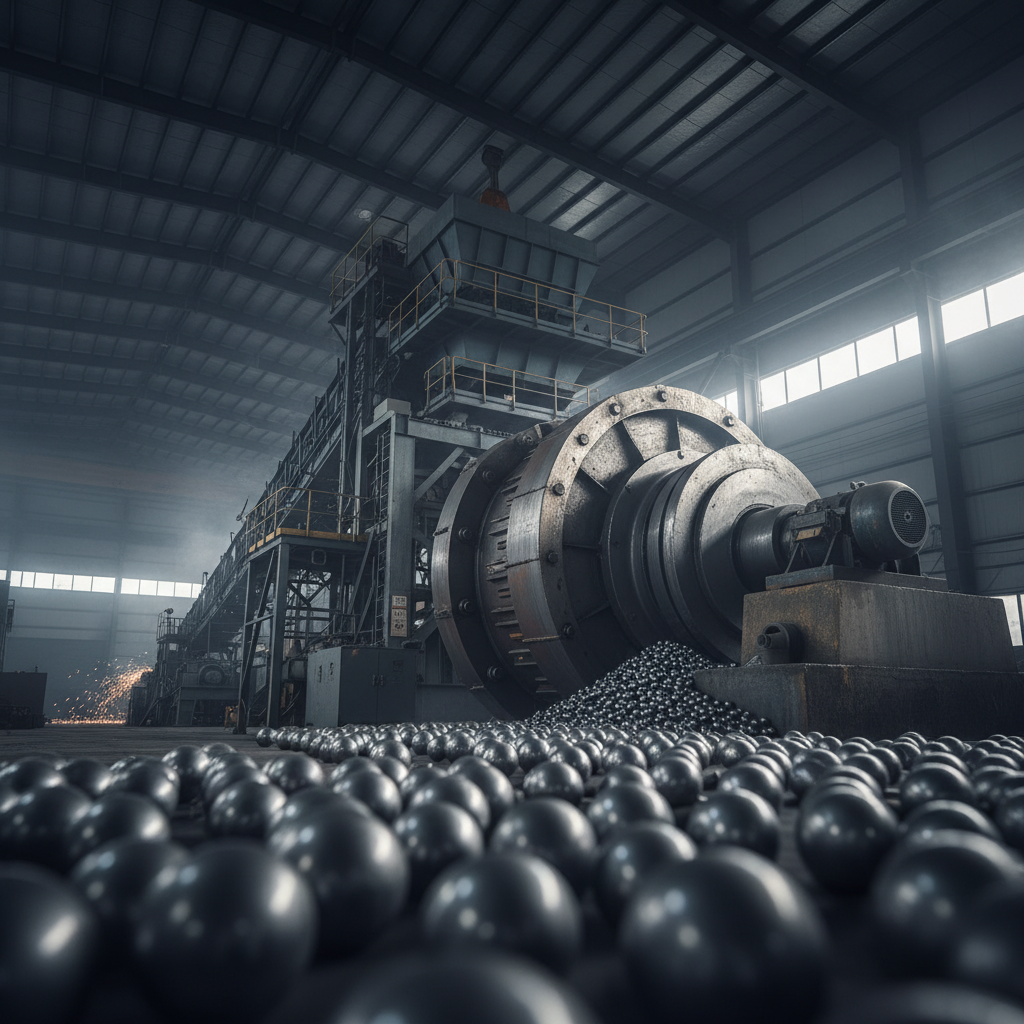
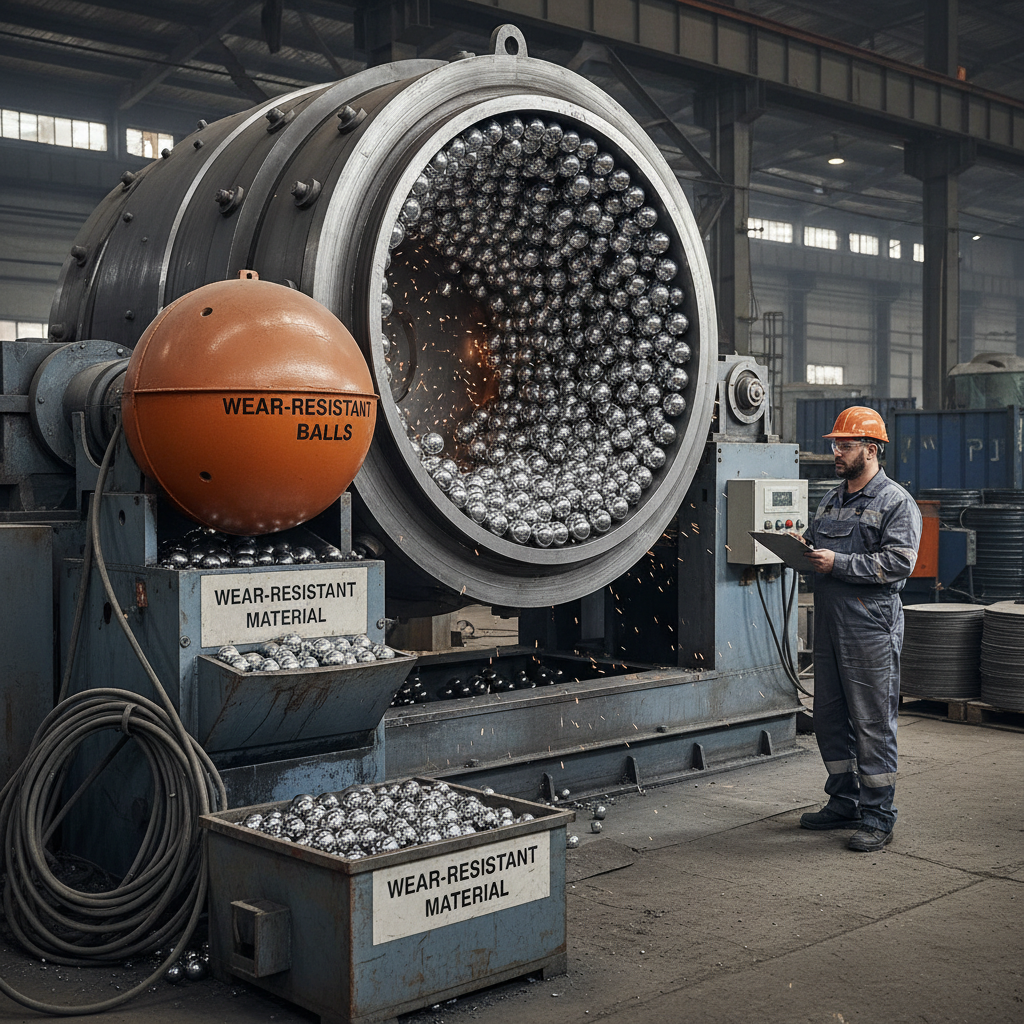
A cement ball mill is a mechanical device used to grind raw materials – primarily clinker, gypsum, and sometimes additives – into a fine powder, creating cement. The mill utilizes a rotating cylinder partially filled with steel balls that impact and crush the material during rotation. The precise control of grinding parameters is vital to achieve the desired particle size distribution and cement quality.
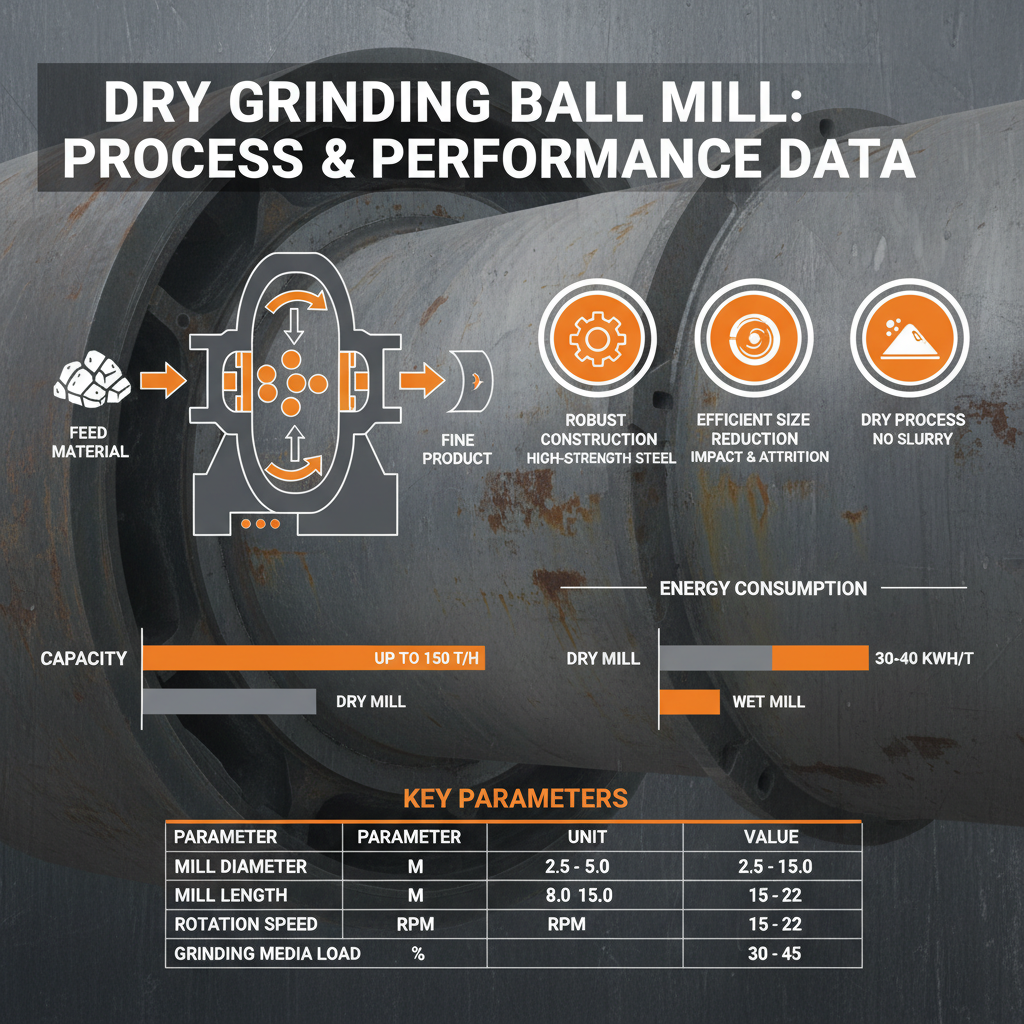
The efficiency of a cement ball mill directly impacts the overall cost of cement production. Factors such as ball size, mill speed, material feed rate, and liner design all play a critical role in optimizing performance and minimizing energy consumption. Modern cement ball mills often incorporate advanced control systems to monitor and adjust these parameters in real-time.
Global Relevance of cement ball mill
The demand for cement is intrinsically linked to global economic growth, particularly in developing nations undergoing rapid urbanization and infrastructure development. China, India, and other emerging economies account for a significant portion of global cement consumption, driving continuous innovation in cement ball mill technology. The ISO standards related to cement production and quality play a critical role in ensuring consistency and reliability across international markets.
The United Nations estimates that by 2050, 68% of the world’s population will live in urban areas, necessitating massive investments in housing, transportation, and public infrastructure. This growing urbanization will directly translate into increased cement demand, placing further strain on existing production capacity and highlighting the need for more efficient and sustainable cement ball mill solutions.
A key challenge facing the cement industry is reducing its environmental footprint. Cement production is a highly energy-intensive process, and traditional cement ball mills can be significant sources of dust and noise pollution. The development of more energy-efficient mills and improved dust control technologies is crucial for addressing these environmental concerns and promoting sustainable cement production practices.
Defining the cement ball mill
At its core, a cement ball mill is a grinding machine used to reduce the size of materials. Specifically within the cement industry, its purpose is to finely grind clinker—a hard, nodular material produced by heating limestone and clay—along with gypsum and other additives. The resulting powder is cement, the essential ingredient in concrete. This process isn’t simply about pulverizing materials; it’s about achieving a specific particle size distribution crucial for cement hydration and strength development.
The connection to modern industry is undeniable. Without efficient cement ball mills, large-scale construction projects – from skyscrapers and bridges to highways and dams – would be impossible. The ability to produce high-quality cement consistently and cost-effectively is a fundamental requirement for modern infrastructure development. It’s also a vital component in disaster relief, providing materials for rebuilding after natural disasters.
Moreover, the cement ball mill addresses critical humanitarian needs by enabling the creation of safe and durable housing. Access to affordable and reliable building materials is essential for improving living conditions and promoting sustainable development in communities around the world. The cement ball mill, therefore, plays a silent but vital role in improving the quality of life for millions.
Key Components and Factors
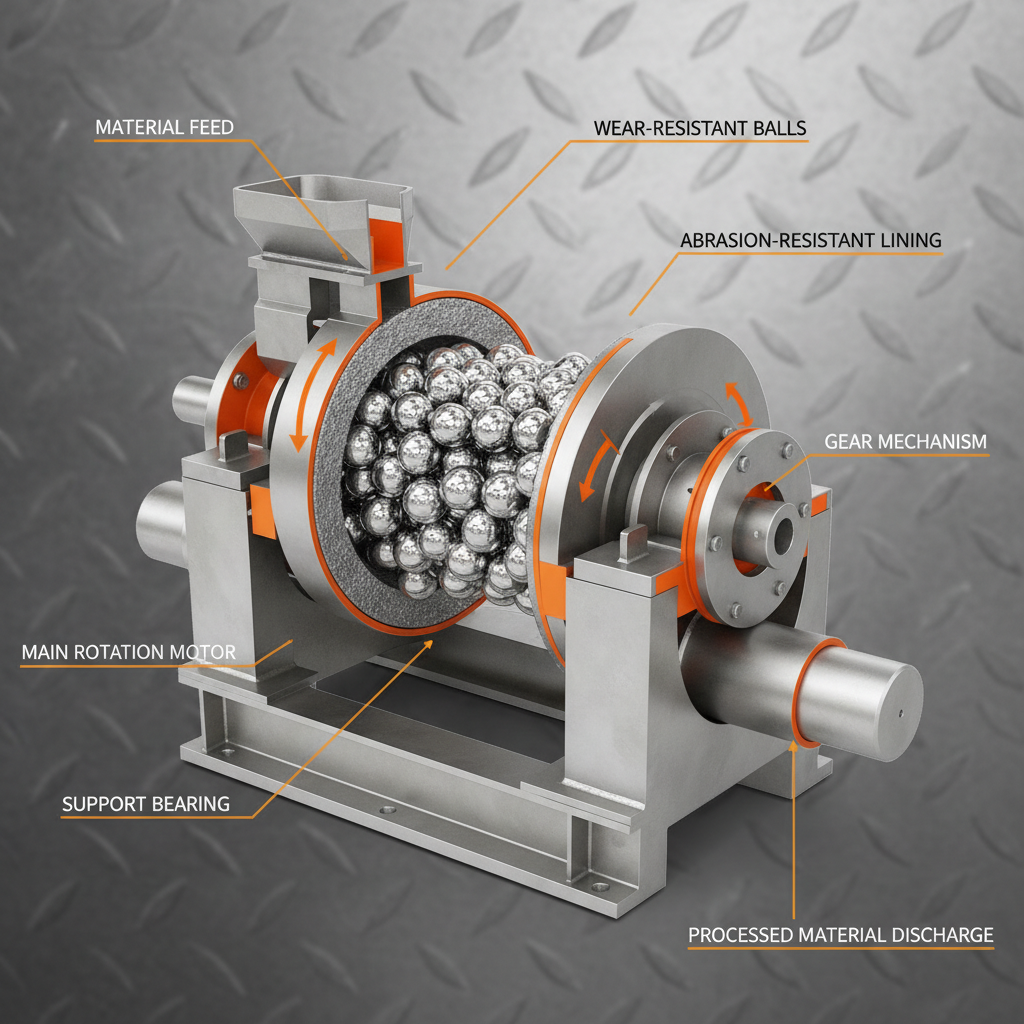
The efficiency of a cement ball mill hinges on several key components working in harmony. First, the mill shell – typically constructed from robust steel – provides the containment for the grinding process. Within, the grinding media (steel balls of varying sizes) are the primary agents of material reduction. The liner protects the shell from wear and tear, while the discharge system removes the ground cement powder.
Beyond the physical components, several factors are crucial. Mill speed directly influences grinding efficiency; higher speeds generally result in finer particle sizes, but also increase energy consumption. Ball charge composition – the ratio of different sized balls – impacts the grinding process. Precise control of material feed rate and air flow ensures optimal performance.
Cement Ball Mill Performance Factors
Applications Across Industries
While primarily associated with cement production, cement ball mills find application in a diverse range of industries. The mining sector utilizes these mills to grind ores and minerals for various processing applications, including gold, copper, and iron ore extraction. The power generation industry employs them for preparing coal slurries used in pulverized coal-fired power plants.
In the ceramics industry, cement ball mills are vital for grinding raw materials such as clay, feldspar, and silica to create ceramic powders. The chemical industry also benefits, using these mills for the fine grinding of various chemical compounds. Regions like Southeast Asia, with burgeoning construction and mining sectors, demonstrate particularly high demand for robust and reliable cement ball mill technology.
Advantages and Long-Term Value
The advantages of employing a well-maintained cement ball mill are substantial. Primarily, it offers cost efficiency through optimized grinding processes and reduced energy consumption. Reliability is paramount, ensuring continuous production and minimizing downtime. Furthermore, modern mills boast improved sustainability features, such as reduced dust emissions and lower energy footprints.
The long-term value extends beyond purely economic considerations. Reliable cement production is fundamental to infrastructure development, fostering economic growth and improving quality of life. The robustness and durability of cement structures built with high-quality cement contribute to long-term safety and resilience. Investing in quality cement ball mill technology translates to a more sustainable and trustworthy built environment.
Future Trends and Innovations
The future of cement ball mill technology is driven by a need for greater efficiency, sustainability, and automation. The integration of digital twins – virtual replicas of physical mills – allows for predictive maintenance and optimized operation. The use of variable frequency drives (VFDs) for mill motors enables precise speed control and energy savings.
Researchers are exploring the use of advanced materials for grinding media, such as high-chromium cast iron alloys, to improve wear resistance and grinding efficiency. Furthermore, the development of closed-circuit grinding systems with integrated classifiers allows for more precise particle size control and reduced material waste. These advancements will pave the way for a more sustainable and cost-effective cement industry.
FAQS
The lifespan of a cement ball mill depends heavily on maintenance, operating conditions, and the quality of materials used in its construction. Generally, a well-maintained mill can operate effectively for 20-30 years, though major component replacements (like liners and grinding media) will be necessary throughout its lifespan. Regular inspections and preventative maintenance are critical for maximizing its operational life.
Several strategies can optimize energy use. Implementing Variable Frequency Drives (VFDs) on the mill’s motor allows precise speed control. Optimizing the ball charge (size distribution and composition) and maintaining proper liner wear are crucial. Regularly cleaning the mill and ensuring proper airflow also improves efficiency. Investing in an energy audit can identify specific areas for improvement within your facility.
Regular maintenance includes inspecting and replacing liners, grinding media (balls), and the discharge system. Lubricating bearings and gears is essential. Monitoring the mill’s vibration levels can indicate potential problems. Periodic inspections of the mill shell and gear box are crucial. Maintaining a detailed maintenance log is highly recommended for tracking wear and tear and scheduling preventative maintenance.
Safety is paramount. Always follow lockout/tagout procedures before performing any maintenance. Ensure adequate ventilation to control dust exposure. Provide operators with appropriate personal protective equipment (PPE), including respirators, hearing protection, and safety glasses. Implement regular safety training programs for all personnel involved in mill operation and maintenance. Proper guarding of moving parts is also crucial.
Particle size distribution is a critical factor in cement quality. Finer particles increase the surface area available for hydration, leading to faster strength development. However, excessively fine particles can increase the water demand and potentially reduce workability. Achieving the optimal particle size distribution, tailored to the specific cement type and application, is essential for producing high-quality cement.
Liners protect the mill shell from the abrasive impact of the grinding media and the material being processed. They also contribute to the grinding process itself, influencing the trajectory of the balls and the rate of material reduction. Different liner designs (wave, flat, etc.) are used depending on the material characteristics and desired grinding performance. Regular inspection and replacement of worn liners are vital for maintaining mill efficiency and preventing shell damage.
Conclusion
The cement ball mill remains an indispensable component of the modern construction industry and beyond. From its core function of grinding raw materials to its impact on infrastructure development and sustainability efforts, its significance is undeniable. Optimizing its performance, embracing innovative technologies, and prioritizing safety are paramount to meeting the evolving needs of a growing global population.
Looking forward, continued research and development in areas like advanced materials, automation, and digital twins will further enhance the efficiency and sustainability of cement ball mill operations. Investing in these advancements is crucial for building a more resilient and environmentally responsible future. For reliable and high-performance cement ball mill solutions, visit our website: www.cdchengda.com