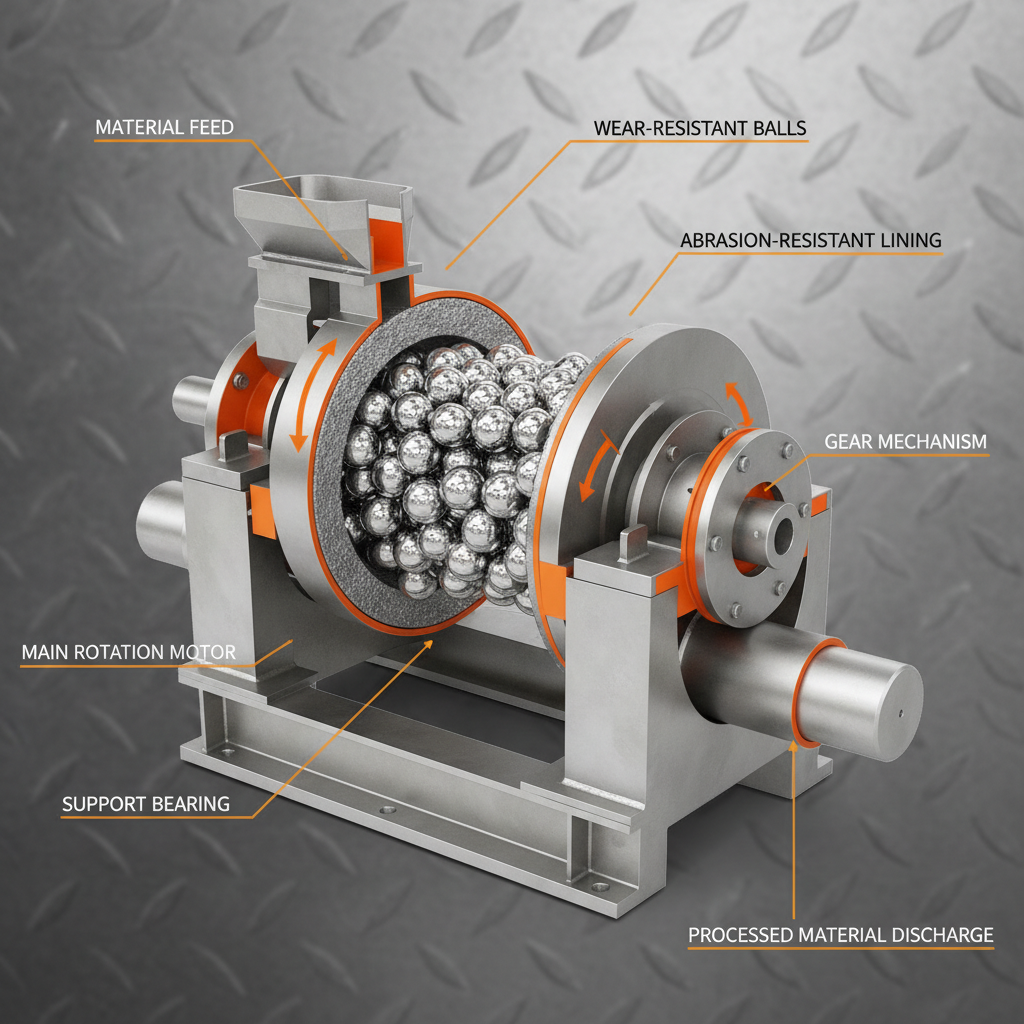
The dry grinding ball mill is a cornerstone technology in numerous industries, facilitating the size reduction of materials for diverse applications ranging from mineral processing to chemical manufacturing. Its ability to efficiently pulverize dry materials makes it indispensable in creating fine powders and homogenous mixtures. Understanding the principles, applications, and advancements in dry grinding ball mill technology is crucial for optimizing industrial processes, enhancing product quality, and promoting sustainable practices globally.
Globally, the demand for efficient and precise size reduction technologies like the dry grinding ball mill is steadily increasing, driven by the expanding manufacturing sector and the growing need for advanced materials. Emerging economies are heavily investing in infrastructure and industrial capabilities, leading to a surge in demand for these mills. Furthermore, stricter environmental regulations are pushing companies to adopt cleaner and more energy-efficient grinding solutions, further fueling innovation in dry grinding ball mill design and operation.
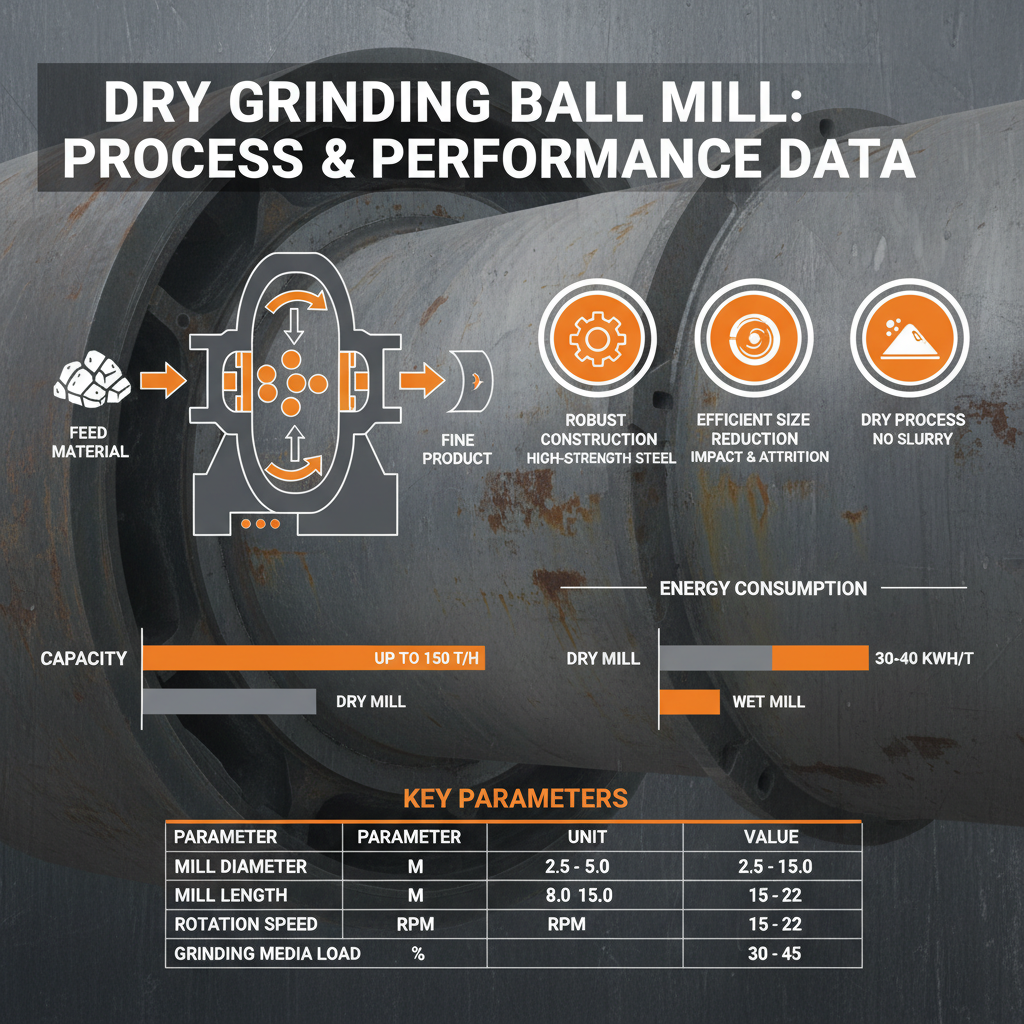
A dry grinding ball mill utilizes a rotating cylinder partially filled with grinding media (typically steel or ceramic balls) to reduce the size of materials through impact and attrition. Unlike wet grinding processes, dry grinding avoids the use of liquids, making it ideal for materials sensitive to moisture or requiring specific dryness characteristics. This process is fundamental to industries requiring precise particle size control and consistent product quality.
Introduction to Dry Grinding Ball Mills
Dry grinding ball mills are widely utilized across diverse sectors, including cement production, power generation, and the production of paints and pigments. Their robust construction and ability to handle a wide range of materials make them a reliable solution for achieving the desired particle size distribution. Choosing the right dry grinding ball mill is critical for optimizing performance and minimizing operational costs.
The inherent simplicity of the dry grinding ball mill design contributes to its longevity and relatively low maintenance requirements. This makes it a cost-effective solution compared to more complex grinding technologies, particularly for large-scale operations. Properly maintained, a dry grinding ball mill can operate reliably for decades.
Core Principles of Operation
The fundamental principle behind the dry grinding ball mill lies in the cascading action of the grinding media within the rotating cylinder. As the cylinder rotates, the balls are lifted and then fall, impacting and fracturing the material being ground. The efficiency of this process is directly related to the ball-to-material ratio, the cylinder's rotational speed, and the material's properties.
The grinding process occurs in two primary stages: coarse grinding and fine grinding. Coarse grinding initially breaks down larger particles, while fine grinding refines the material to the desired particle size. Achieving optimal grinding requires careful control of these parameters to prevent over-grinding or inefficient size reduction.
The efficiency of a dry grinding ball mill is significantly impacted by the materials' properties, such as hardness, brittleness, and moisture content. Understanding these properties is crucial for selecting the appropriate grinding media and optimizing the mill's operating parameters for maximum performance.
Key Components and Material Selection
A typical dry grinding ball mill consists of several key components including the rotating cylinder, the grinding media (balls), liners, feed and discharge systems, and a drive mechanism. The cylinder is typically constructed from robust steel alloys to withstand the continuous impact and abrasion of the grinding media.
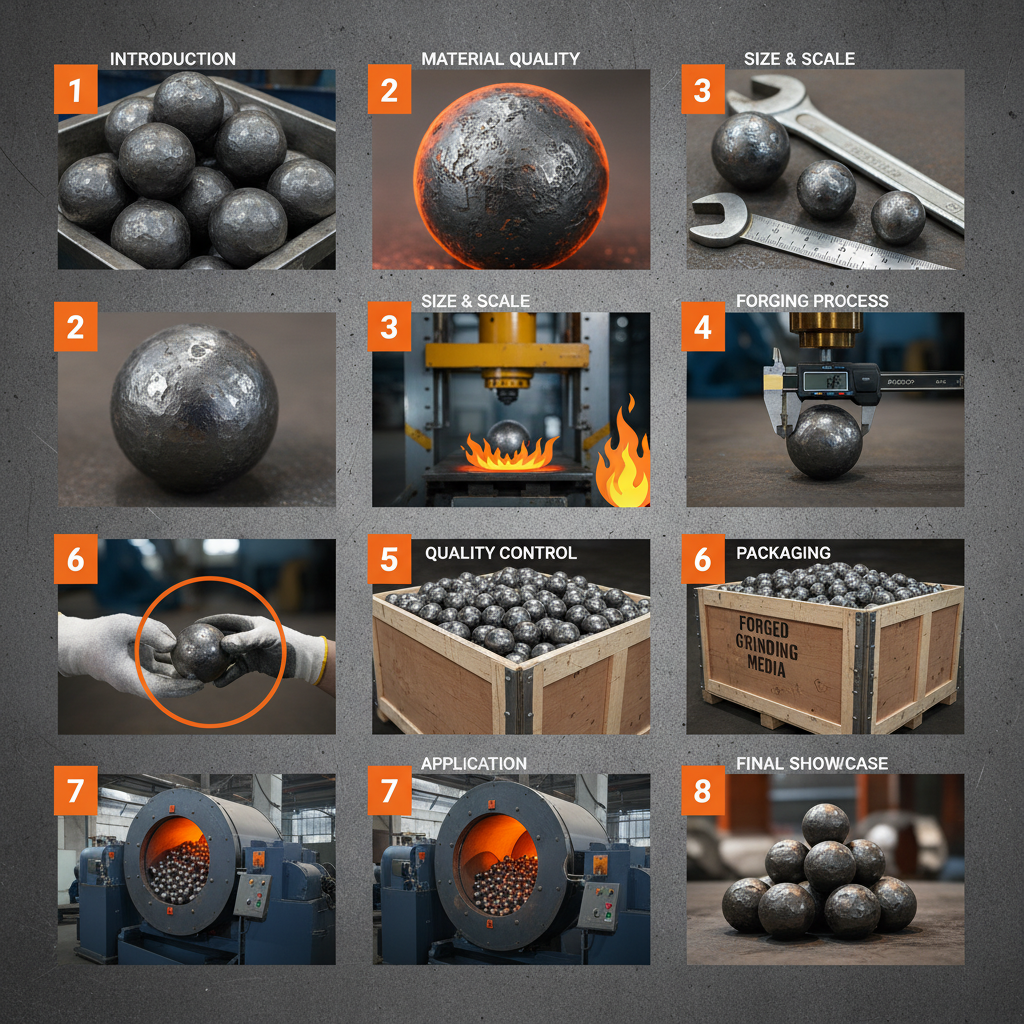
The selection of grinding media is critical, with materials like forged steel, cast steel, and ceramic balls being commonly used. Forged steel balls offer high impact resistance and are suitable for abrasive materials. Ceramic balls are preferred for applications requiring high purity and resistance to corrosion. The choice depends on the material being ground and the desired product characteristics.
Liners protect the cylinder from wear and tear, extending the mill's lifespan. They are also available in various materials, including steel alloys and rubber, chosen based on the abrasiveness of the material being processed. Proper liner selection minimizes material loss and ensures consistent grinding performance.
Performance Metrics and Efficiency
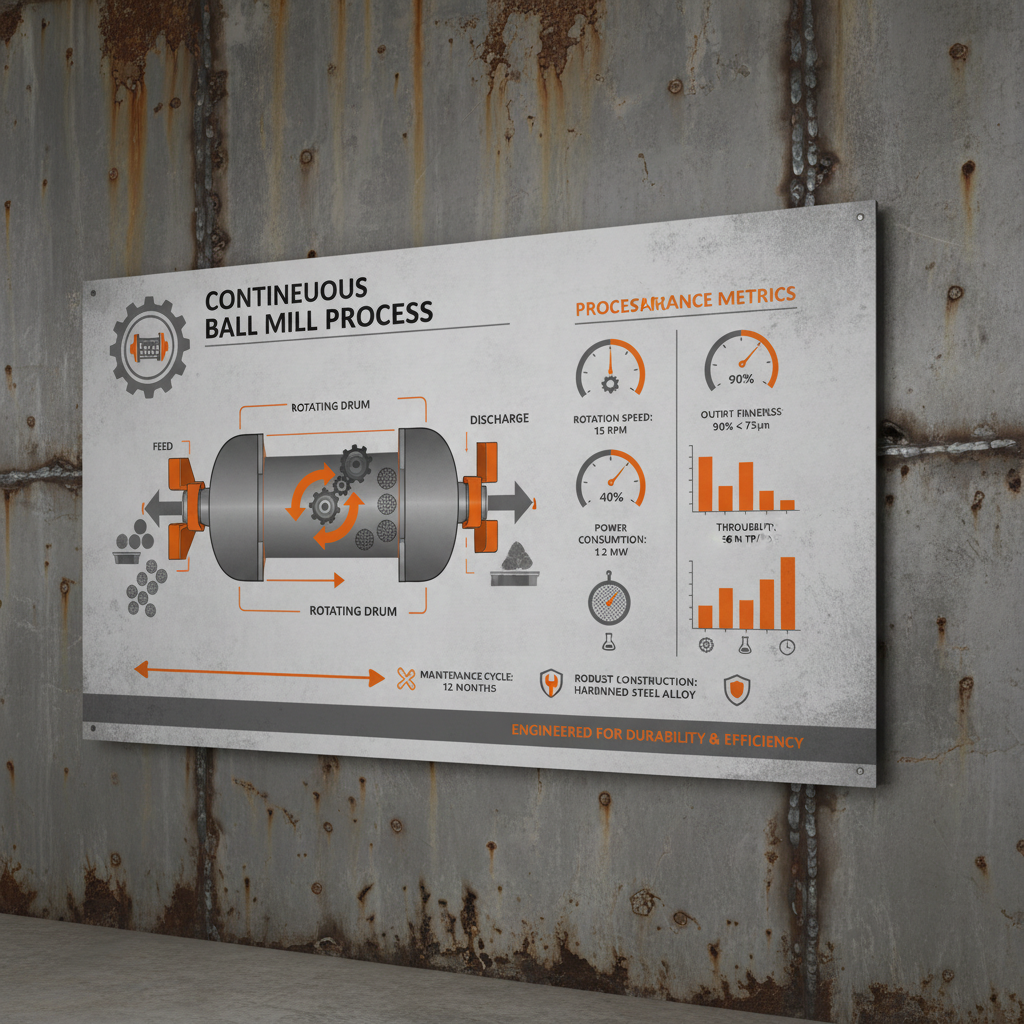
Several key metrics are used to evaluate the performance of a dry grinding ball mill, including grinding efficiency, product fineness, and throughput. Grinding efficiency represents the amount of energy required to reduce a unit mass of material to a specific particle size. Product fineness is measured by the particle size distribution of the ground material. Throughput refers to the mass of material processed per unit time.
Dry Grinding Ball Mill Performance Comparison
Global Applications Across Industries
The dry grinding ball mill finds extensive application in the cement industry, where it is used to grind clinker into fine cement powder. It's also vital in the mineral processing industry for preparing ores for further extraction. In the power generation sector, it plays a critical role in preparing coal for efficient combustion.
Across the chemical industry, dry grinding ball mills are employed in the production of pigments, paints, and various chemical compounds requiring precise particle size control. The pharmaceutical industry also utilizes these mills for milling active pharmaceutical ingredients (APIs) and excipients.
Advantages and Sustainability
Dry grinding ball mills offer several advantages, including lower operating costs due to the absence of drying requirements, reduced environmental impact by eliminating liquid waste, and the ability to process a wide range of materials. Their robust design ensures long-term reliability and minimizes downtime.
The adoption of energy-efficient motors and optimized grinding parameters contributes to the sustainability of dry grinding operations. Moreover, the potential for using recycled grinding media further enhances their environmental profile. The ability to process materials without adding liquids reduces the carbon footprint associated with waste disposal and treatment.
Compared to other milling technologies, the dry grinding ball mill often demonstrates a lower lifecycle cost, especially when factoring in maintenance and energy consumption.
Future Trends and Innovation
Future trends in dry grinding ball mill technology focus on enhancing efficiency, reducing energy consumption, and improving process control. Advanced control systems utilizing real-time monitoring and adaptive algorithms are being developed to optimize grinding parameters dynamically.
Research is also underway to explore the use of new grinding media materials with enhanced wear resistance and grinding efficiency. Integration with digital technologies, such as machine learning and predictive maintenance, will further improve operational reliability and minimize downtime.
The development of hybrid grinding systems combining dry and wet grinding techniques is another promising area of innovation, allowing for greater flexibility and process optimization.
Summary of Future Trends and Optimization Strategies for Dry Grinding Ball Mills
| Trend/Strategy |
Impact on Efficiency |
Implementation Cost |
Potential ROI |
| Advanced Control Systems |
15-25% improvement |
Medium |
2-3 years |
| New Grinding Media Materials |
10-20% improvement |
High |
3-5 years |
| Machine Learning Integration |
5-15% improvement |
Medium |
2-4 years |
| Predictive Maintenance |
Reduced downtime (5-10%) |
Low-Medium |
1-2 years |
| Hybrid Grinding Systems |
10-20% improvement |
High |
4-6 years |
| Energy-Efficient Motors |
5-10% reduction in energy use |
Low |
1-2 years |
FAQS
Regular maintenance is critical for ensuring the longevity and optimal performance of a dry grinding ball mill. This includes periodic inspection and replacement of liners, grinding media, and bearings. Lubrication of moving parts and regular cleaning to prevent material buildup are also essential. Vibration analysis can help detect potential issues before they lead to costly breakdowns.
Material hardness directly impacts the grinding process. Harder materials require more energy to fracture and reduce in size, leading to higher grinding media consumption and potentially slower throughput. Selecting the appropriate grinding media and optimizing the mill's operating parameters – such as speed and ball charge – are crucial when processing hard materials.
Safety is paramount when operating a dry grinding ball mill. Operators should wear appropriate personal protective equipment (PPE), including dust masks, eye protection, and hearing protection. The mill should be equipped with safety interlocks to prevent operation during maintenance. Regular inspection of all safety features is essential.
The optimal ball-to-material ratio depends on the material properties and desired product fineness. Generally, a higher ratio leads to faster grinding but can also increase energy consumption. A typical ratio ranges from 5:1 to 20:1. Experimentation and process optimization are often required to determine the ideal ratio for a specific application.
Dust emissions can be effectively reduced by implementing a robust dust collection system. This typically involves using baghouses or cyclones to capture airborne particles. Sealing the mill enclosure and optimizing the ventilation system can also minimize dust leakage. Regular maintenance of the dust collection system is crucial for ensuring its effectiveness.
Ceramic grinding media offers several advantages over steel, including higher hardness, excellent wear resistance, and non-metallic contamination. This makes it ideal for applications requiring high purity products, such as in the pharmaceutical or cosmetic industries. While more expensive initially, ceramic media can offer a longer lifespan and reduce product contamination risks.
Conclusion
In conclusion, the dry grinding ball mill remains an indispensable technology across a diverse range of industries. Its ability to efficiently reduce material size, coupled with its robust design and relatively low maintenance requirements, ensures its continued relevance in modern manufacturing processes. Understanding the core principles of operation, key components, and future trends is crucial for maximizing its performance and sustainability.
Looking ahead, continued innovation in areas such as advanced control systems, novel grinding media, and integration with digital technologies will further enhance the capabilities of dry grinding ball mills. By embracing these advancements, industries can optimize their grinding operations, reduce energy consumption, and minimize environmental impact, ultimately contributing to a more sustainable and efficient future. For reliable and advanced dry grinding ball mill solutions, visit our website today.