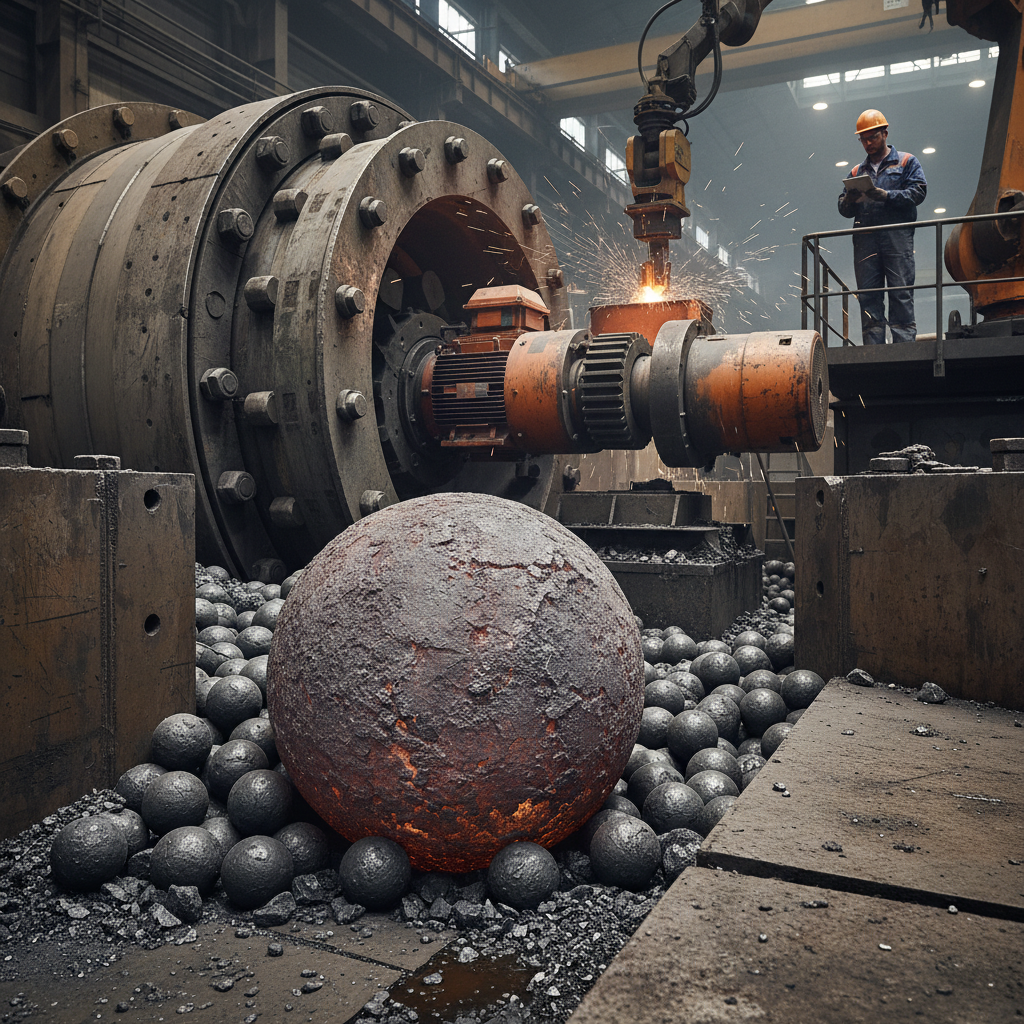
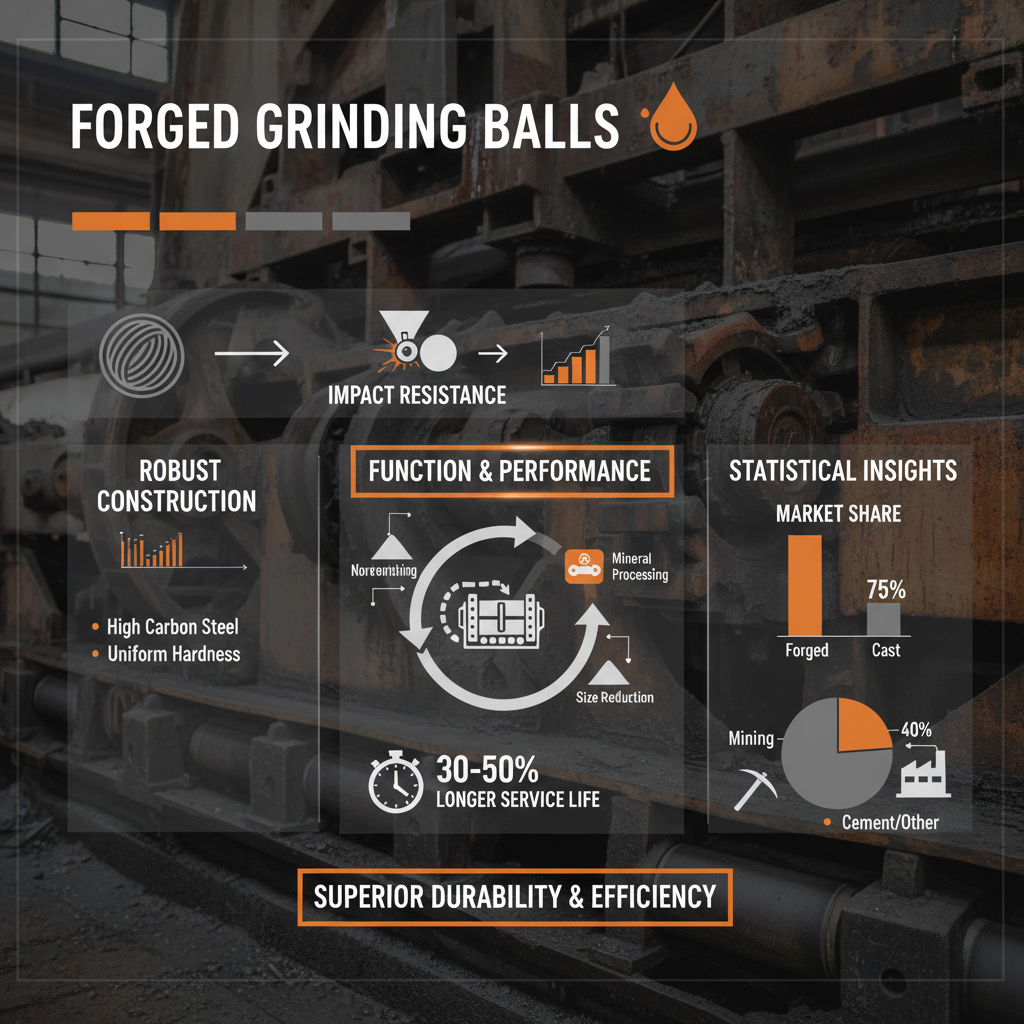
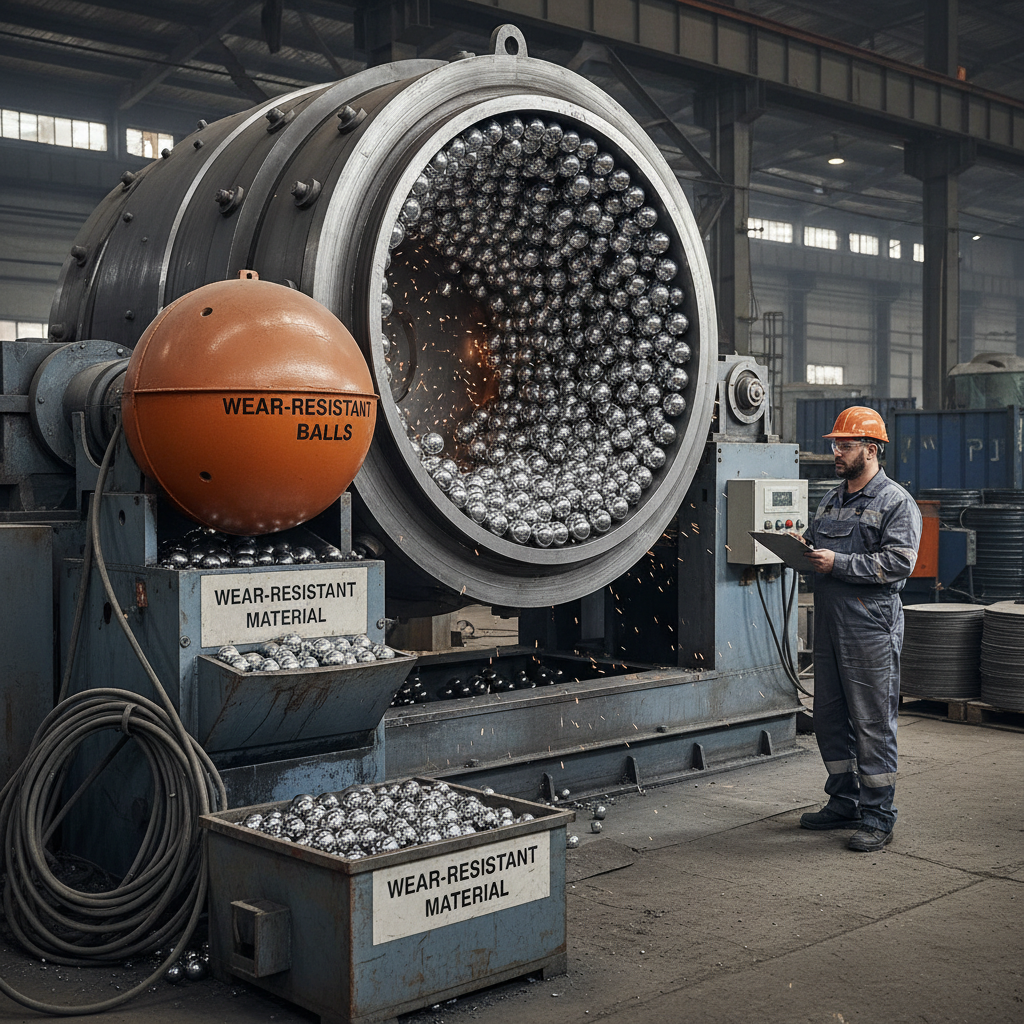
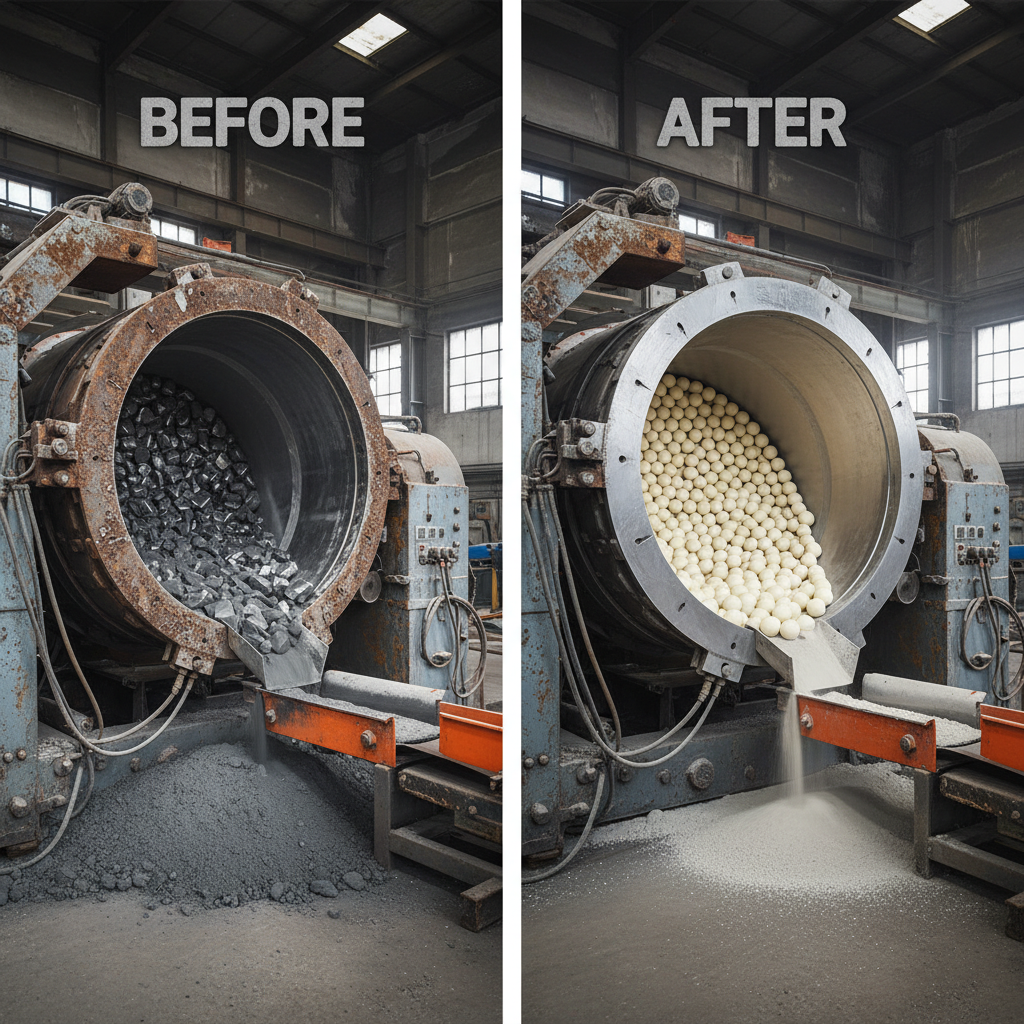
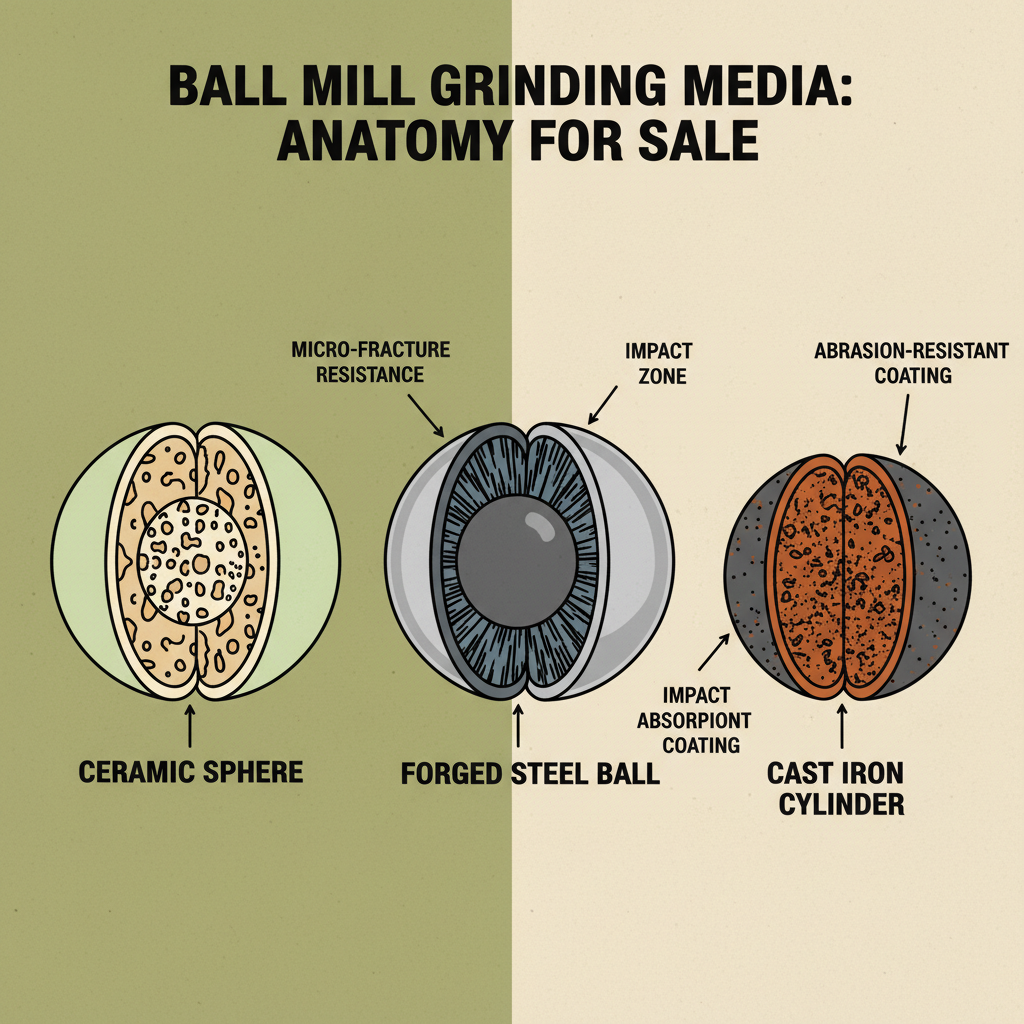
Forged grinding balls represent a critical component in numerous industrial processes, from mineral processing and cement production to power generation and chemical manufacturing. Their robust construction and superior performance compared to cast grinding balls translate directly into increased efficiency, reduced downtime, and lower overall operational costs. Understanding the nuances of forged grinding ball technology is therefore paramount for engineers, plant managers, and procurement specialists seeking to optimize their operations and maintain a competitive edge in today's demanding global market.
The global demand for forged grinding balls is driven by the continued growth of industries reliant on efficient size reduction and material blending. The mining sector, in particular, represents a significant consumer, fueled by the increasing need for raw materials to support infrastructure development and technological advancements. According to reports from the World Bank, mineral production is projected to increase substantially in the coming decades, directly impacting the demand for high-quality grinding media like forged grinding balls. This trend highlights the strategic importance of understanding the supply chain, material science, and manufacturing processes associated with these essential components.
The selection and implementation of appropriate forged grinding ball solutions directly impacts process efficiency and cost-effectiveness. Investing in high-quality forged grinding balls reduces the frequency of media replacement, minimizes contamination of processed materials, and ultimately contributes to a more sustainable and profitable operation. This makes understanding their characteristics, applications, and the evolving landscape of forged grinding ball technology a vital asset for businesses across diverse sectors.
Introduction to Forged Grinding Balls
Forged grinding balls are meticulously manufactured from high-carbon steel alloys through a process of repeated compression and shaping. This forging process imparts a unique microstructure that results in exceptional strength, toughness, and resistance to wear and impact. The superior quality of forged grinding balls compared to cast alternatives leads to longer service life, reduced material consumption, and improved overall grinding efficiency.
The meticulous production of forged grinding balls ensures consistent quality and performance, critical for maintaining optimal grinding circuit operation. By utilizing carefully selected raw materials and precise forging techniques, manufacturers can tailor the properties of the grinding balls to meet the specific requirements of diverse applications, ranging from demanding mineral processing to specialized chemical blending.
Defining Forged Grinding Ball Technology
Forged grinding balls are spherical media used in grinding mills to comminute or reduce the size of materials. Unlike cast grinding balls, which are created through a pouring process, forged grinding balls are formed by applying compressive forces to a solid billet of steel. This process aligns the grain structure of the metal, increasing its density and strength. This fundamental difference in manufacturing profoundly impacts performance and longevity.
The technology behind forged grinding balls is constantly evolving, with advancements in alloy compositions, forging techniques, and heat treatment processes. These innovations aim to enhance the balls’ resistance to wear, corrosion, and fatigue, further extending their service life and improving grinding efficiency. The modern forged grinding ball is a sophisticated engineering product, crucial to efficient resource extraction and processing.
The utilization of forged grinding balls is not merely a technological choice; it’s a critical factor in sustainable industrial practices. By maximizing grinding efficiency and minimizing media consumption, companies can reduce their environmental footprint and contribute to responsible resource management.
Key Characteristics of Forged Grinding Balls
Forged grinding balls exhibit several key characteristics that distinguish them from other grinding media. Firstly, their superior hardness, typically ranging from 58-62 HRC, ensures exceptional resistance to abrasion and impact. Secondly, their high tensile strength allows them to withstand the rigorous stresses experienced within a grinding mill environment. forged grinding balls demonstrate superior toughness, preventing brittle fracture and extending their operational life.
Another defining characteristic is their consistent chemical composition. The precise control over alloy elements during the forging process ensures uniformity throughout the ball, eliminating weak spots and maximizing performance. Additionally, forged grinding balls have a relatively low residual porosity, further contributing to their strength and durability. These factors combine to make them a highly reliable and efficient grinding media solution.
Finally, the surface finish of forged grinding balls is typically smoother than that of cast balls, reducing friction and promoting more efficient energy transfer during the grinding process. This smooth surface also minimizes the potential for material adhesion, preventing buildup and maintaining consistent grinding performance.
The Advantages of Forged Grinding Balls in Industrial Applications
The advantages of employing forged grinding balls extend across a wide spectrum of industrial applications. Their enhanced durability significantly reduces the frequency of media replacements, minimizing downtime and lowering maintenance costs. Furthermore, the consistent quality of forged grinding balls leads to more predictable grinding performance, allowing for optimized process control and improved product quality.
The increased efficiency derived from using forged grinding balls translates directly into reduced energy consumption, a critical factor for companies seeking to minimize their environmental impact and lower operating expenses. By minimizing material loss and maximizing grinding efficiency, businesses can achieve a more sustainable and profitable operation.
Forged Grinding Ball Performance Comparison
Global Applications and Industry Use Cases
Forged grinding balls find application in a wide range of industries globally. In the mining sector, they are critical for processing ores of copper, gold, iron, and other valuable minerals. The cement industry relies on these balls for clinker grinding, essential for cement production. Chemical processing and power generation also utilize forged grinding balls for various size reduction and blending operations.
Long-Term Value and Economic Benefits
Investing in high-quality forged grinding balls delivers substantial long-term value beyond immediate operational improvements. The extended service life translates into reduced replacement costs and minimized downtime. The consistent performance ensures predictable process control, optimizing product quality and reducing waste. This economic benefit directly impacts the bottom line, contributing to increased profitability.
Furthermore, the enhanced energy efficiency associated with forged grinding balls contributes to lower operating costs and a reduced carbon footprint. By promoting sustainable industrial practices, companies can demonstrate environmental responsibility and enhance their brand reputation. The combination of economic benefits and sustainability advantages makes forged grinding balls a strategic investment for businesses committed to long-term success.
The reliability and consistency of forged grinding balls contribute to a safer working environment by minimizing the risk of media failure and potential equipment damage. This safety aspect adds another layer of value, protecting employees and reducing the potential for costly accidents.
Future Trends and Innovations in Forged Grinding Ball Technology
The future of forged grinding ball technology is characterized by a focus on material science advancements, digital optimization, and sustainable manufacturing practices. Research and development efforts are concentrated on developing new alloy compositions with enhanced wear resistance, corrosion resistance, and fatigue strength. The integration of sensors and data analytics is enabling real-time monitoring of grinding ball performance, allowing for predictive maintenance and optimized operation.
Automation and artificial intelligence are poised to revolutionize the manufacturing process, improving quality control and reducing production costs. The industry is also exploring the use of more sustainable manufacturing methods, including reducing energy consumption and minimizing waste generation. These innovations promise to further enhance the efficiency, reliability, and sustainability of forged grinding ball technology.
The increasing demand for efficient mineral processing will drive the development of specialized grinding balls tailored to specific ore types and grinding mill configurations. This trend toward customization and optimization will require close collaboration between grinding ball manufacturers and end-users to deliver tailored solutions that meet their unique needs.
Key Performance Indicators of Forged Grinding Ball Materials
| Material Composition |
Hardness (HRC) |
Impact Toughness (J) |
Corrosion Resistance (Rating 1-10) |
| High Carbon Steel Alloy A |
60 |
25 |
7 |
| High Carbon Steel Alloy B |
62 |
28 |
8 |
| Alloy Steel C with Chromium |
59 |
30 |
9 |
| Nickel-Enhanced Alloy D |
61 |
27 |
8.5 |
| Molybdenum-Based Alloy E |
63 |
26 |
7.5 |
| Vanadium-Strengthened Alloy F |
58 |
32 |
9.2 |
FAQS
The lifespan of forged grinding balls in copper mining varies based on ore hardness, mill operating parameters, and ball size. Typically, high-quality forged grinding balls can last between 6 to 12 months in a copper grinding circuit. Proper maintenance and monitoring can extend this lifespan. Selecting the correct alloy composition and size distribution is crucial for maximizing performance and minimizing wear.
While forged grinding balls initially have a higher upfront cost compared to cast grinding balls, their extended lifespan and reduced maintenance requirements often result in lower total cost of ownership. The decreased frequency of media replacement and improved grinding efficiency outweigh the higher initial investment, leading to long-term cost savings.
Selecting the optimal size forged grinding ball involves considering the mill diameter, ore particle size distribution, and desired grinding fineness. A proper ball charge distribution, with a mix of sizes, is crucial for efficient grinding. Smaller balls provide increased surface area for fine grinding, while larger balls contribute to coarser breakage. Expert consultation is recommended to determine the ideal size combination.
Yes, forged grinding balls are exceptionally well-suited for grinding abrasive materials due to their superior hardness and wear resistance. The forging process creates a dense, homogenous structure that withstands the impact and abrasion associated with challenging materials. Specialized alloy compositions are available for particularly abrasive applications, maximizing service life and performance.
Forged grinding balls contribute to a more sustainable industrial process by reducing media consumption and improving grinding efficiency, leading to lower energy usage. Furthermore, their longer lifespan minimizes waste generation. The responsible sourcing of raw materials and implementation of eco-friendly manufacturing practices further reduces their environmental footprint.
To ensure quality, source forged grinding balls from reputable manufacturers with established quality control systems. Look for certifications such as ISO 9001 and request material test reports verifying chemical composition and hardness. Inspect the balls for surface defects and ensure consistent size and weight. Working with a trusted supplier is essential for receiving consistently high-quality products.
Conclusion
In conclusion, forged grinding balls represent a crucial element in optimizing industrial processes across a wide range of sectors. Their superior strength, durability, and efficiency translate into tangible benefits, including reduced operating costs, enhanced product quality, and improved sustainability. Understanding the key characteristics, applications, and future trends of this technology is essential for businesses seeking to maintain a competitive edge in today’s dynamic global market.
Looking ahead, continuous innovation in material science, manufacturing processes, and digital optimization will further enhance the performance and value of forged grinding balls. By embracing these advancements, industries can unlock new levels of efficiency, sustainability, and profitability. For more information and to explore our range of high-quality forged grinding ball solutions, visit our website: www.cdchengda.com