0%

Table of Contents

Ceramic milling media represents a cornerstone of modern industrial processes, impacting diverse sectors from advanced ceramics manufacturing to the production of sophisticated pigments and coatings. These robust materials, meticulously engineered for superior performance, facilitate the size reduction of raw materials, ensuring homogeneity and optimal characteristics in final products. Understanding the nuances of ceramic milling media—its composition, characteristics, and applications—is crucial for maximizing efficiency, minimizing costs, and achieving superior quality in a globally competitive market.

The global demand for high-quality ceramic materials is steadily increasing, fueled by advancements in technology, infrastructure development, and a growing emphasis on sustainable solutions. This demand directly translates to a heightened need for effective and reliable ceramic milling media. Factors such as durability, wear resistance, and contamination control are paramount, driving innovation and the development of specialized media tailored to specific milling requirements. Addressing challenges related to media lifespan, energy consumption, and environmental impact are central to the continued evolution of this critical industry.

Ultimately, ceramic milling media isn’t just about grinding materials; it's about enabling innovation. By providing the precise particle size distribution required for countless applications – from creating durable components for aerospace to developing high-performance electronics – these seemingly simple materials empower breakthroughs across a spectrum of industries, making them an indispensable part of the modern technological landscape.
Optimizing Industrial Processes with High Performance Ceramic Milling Media

Introduction to Ceramic Milling Media

Optimizing Industrial Processes with High Performance Ceramic Milling Media

Ceramic milling media is a crucial component in various industrial processes, serving as the workhorse for reducing particle size and achieving homogeneity in materials. Its inherent properties – including hardness, chemical inertness, and resistance to abrasion – make it ideal for applications where precision and purity are paramount. The selection of appropriate ceramic milling media is not merely a procedural step but a strategic decision that significantly impacts the quality, efficiency, and cost-effectiveness of the entire production workflow.

The global market for ceramic milling media is experiencing consistent growth, driven by the expanding demands of industries like ceramics, paints, coatings, pharmaceuticals, and cosmetics. Innovations in material science are constantly yielding new and improved media compositions, offering enhanced performance and addressing specific application needs. The increasing emphasis on sustainable manufacturing practices is also shaping the industry, pushing for the development of eco-friendly and energy-efficient milling solutions.

Defining Ceramic Milling Media

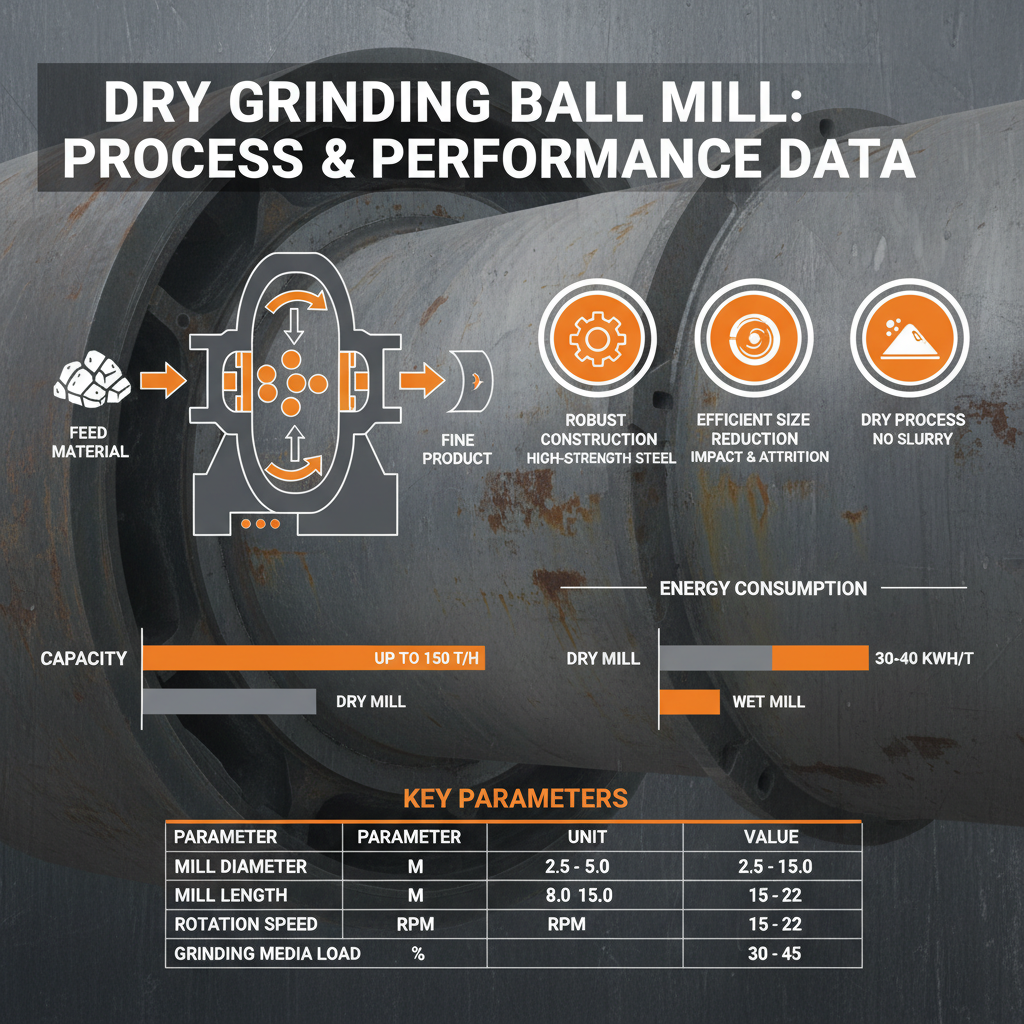
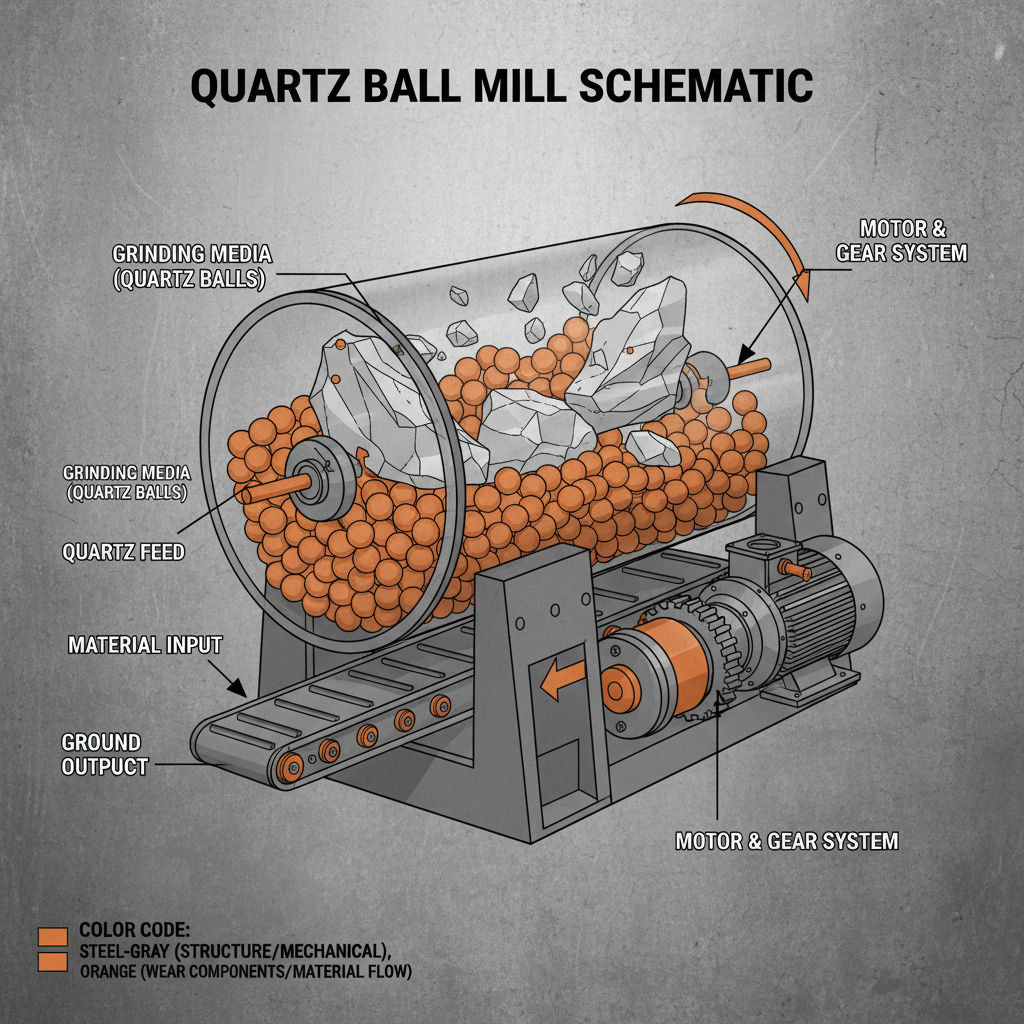
Ceramic milling media consists of small, solid particles used in milling processes to grind, crush, and pulverize materials. These media come in a variety of shapes (spheres, cylinders, beads) and materials (zirconia, alumina, silica), each offering distinct characteristics suited for different applications. Unlike steel media, ceramic options avoid metal contamination, a vital consideration in sensitive industries like pharmaceuticals and food processing.

At its core, ceramic milling media’s function is to transfer energy to the materials being processed through impact and attrition. The effectiveness of this transfer, and ultimately the fineness of the final product, depends on factors like media size, density, hardness, and the milling process itself. Understanding these variables is key to optimizing milling operations.

The connection to modern industry is direct: almost any product requiring finely ground materials has, at some point, relied on ceramic milling media during its production. From the pigments used in vibrant paints to the active pharmaceutical ingredients in life-saving medications, the impact of this technology is far-reaching and often unseen.

Key Characteristics of Ceramic Milling Media

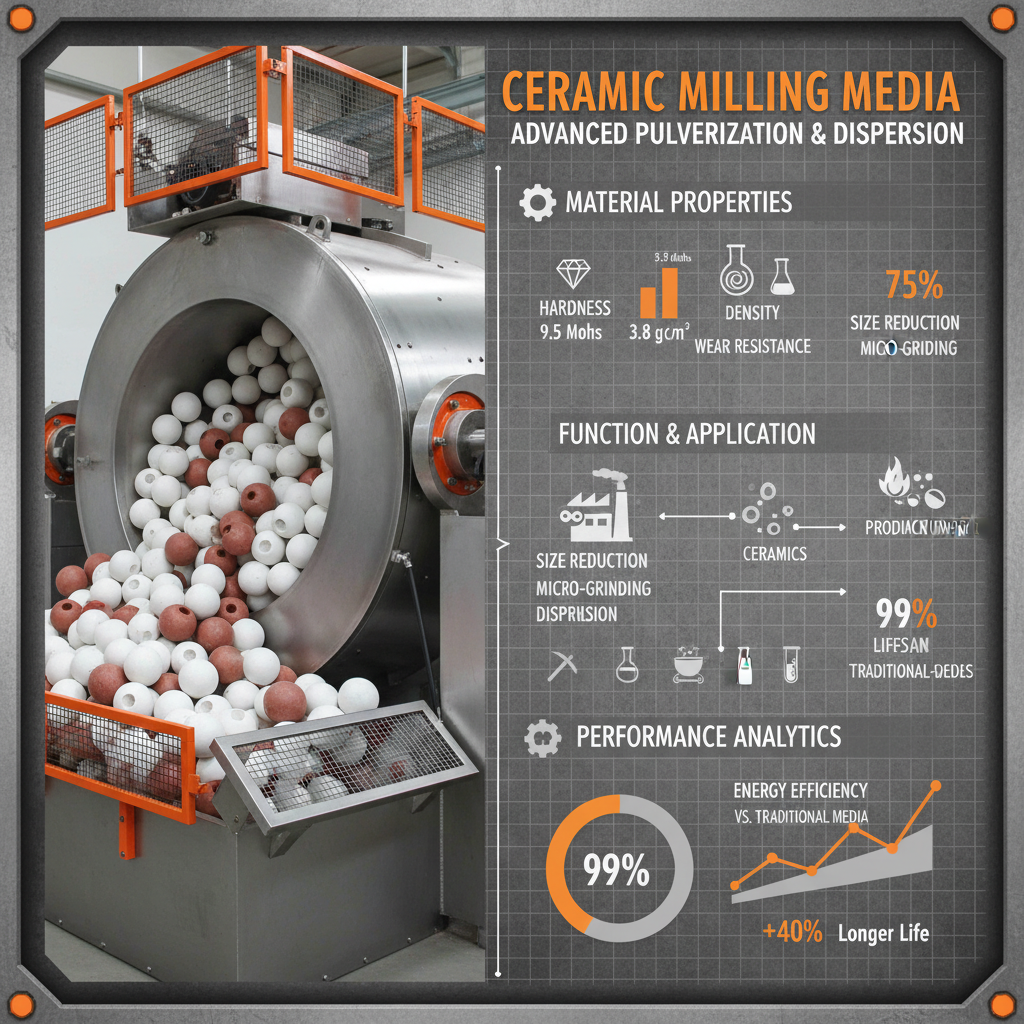
One of the most critical characteristics of ceramic milling media is its hardness. Measured on the Mohs scale, hardness dictates the media’s ability to withstand abrasion and maintain its shape during prolonged use. Higher hardness translates to longer media life and reduced contamination from wear.

Chemical Inertness is equally important, especially in applications involving sensitive materials. Ceramic media, unlike steel, doesn’t react with the substances being milled, preventing contamination and ensuring the purity of the final product. This is paramount in the pharmaceutical, cosmetic, and food industries.

Density plays a significant role in milling efficiency. Denser media provide greater impact force, leading to faster and more effective size reduction. However, higher density also increases the energy required for milling. The optimal density depends on the specific materials being processed and the milling equipment used.

Applications Across Industries

Ceramic milling media finds widespread application in the ceramics industry itself, used for preparing ceramic powders for pressing, slip casting, and other forming processes. The precise particle size control achieved through milling is vital for ensuring the homogeneity and structural integrity of ceramic products.

The paint and coatings industry relies heavily on ceramic milling media to disperse pigments and achieve the desired color and texture in paints, inks, and coatings. This ensures optimal application properties and long-lasting durability. In pharmaceuticals, the need for ultra-fine particle size distribution of active ingredients drives the use of high-purity ceramic media to avoid contamination.

Milling Media Performance Comparison


Advantages and Long-Term Value

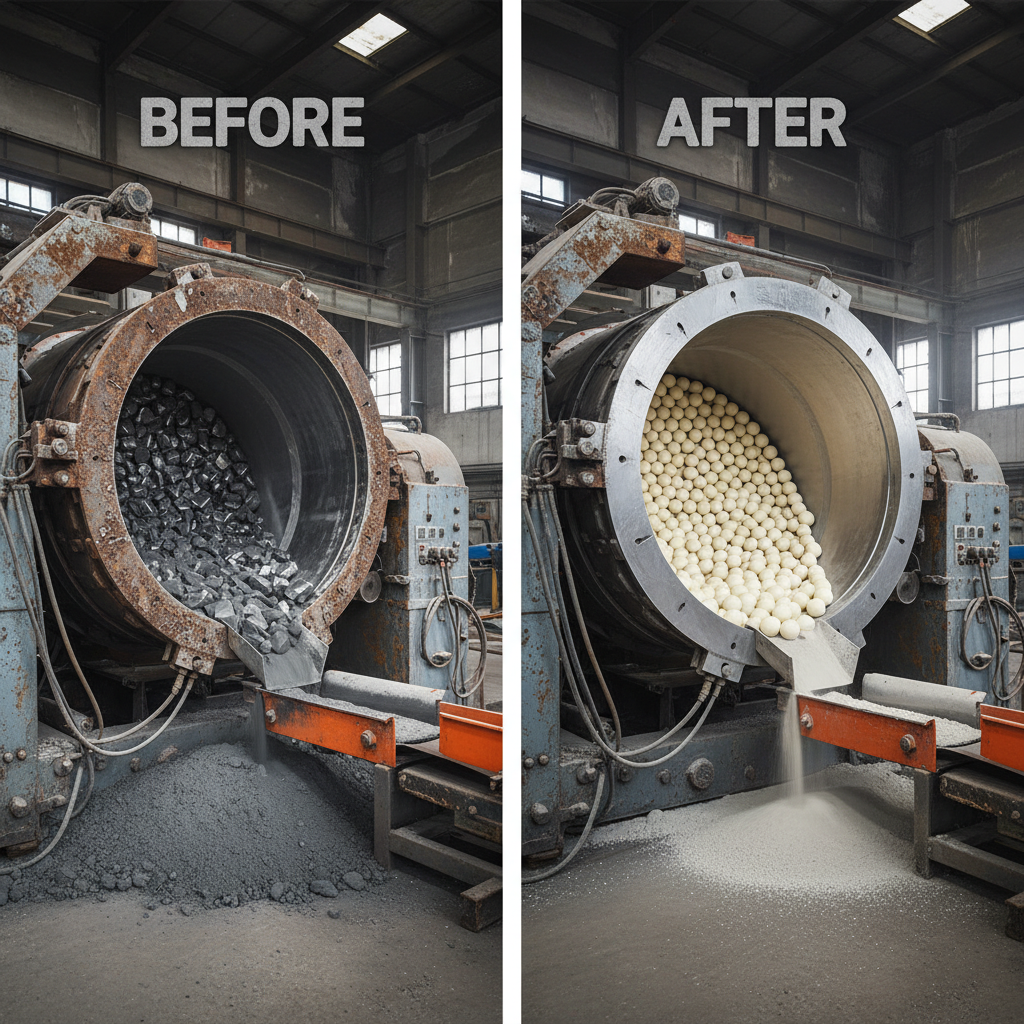
The advantages of using ceramic milling media extend beyond simply achieving the desired particle size. The enhanced durability reduces the frequency of media replacement, leading to significant cost savings over time. This is particularly impactful in high-volume production environments.

From a sustainability perspective, the longevity of ceramic media translates to less waste and a reduced environmental footprint. Furthermore, the ability to prevent contamination minimizes the need for reprocessing, conserving energy and resources.

Future Trends in Ceramic Milling Media

The future of ceramic milling media is inextricably linked to the advancement of materials science and green technologies. Researchers are actively exploring new ceramic compositions with enhanced hardness, wear resistance, and chemical inertness. Nanomaterials and advanced ceramic composites are poised to revolutionize the industry.

The integration of digital transformation and automation is also gaining momentum. Smart milling systems equipped with sensors and data analytics will optimize milling parameters, predict media wear, and ensure consistent product quality. This will drive efficiency and reduce operational costs.

Furthermore, a growing emphasis on sustainable manufacturing will drive the development of eco-friendly milling media and processes, minimizing waste and promoting resource conservation. Closed-loop milling systems that recycle media and minimize environmental impact are likely to become increasingly prevalent.

Challenges and Solutions

One of the primary challenges associated with ceramic milling media is minimizing media breakage and wear. While ceramics are generally durable, they can be susceptible to cracking or chipping under high stress. This leads to contamination and reduces milling efficiency.

Solutions include optimizing milling parameters (speed, temperature, media-to-charge ratio), employing advanced media compositions with improved fracture toughness, and implementing regular media screening and replacement protocols. Innovative milling techniques, such as ultrasonic milling, can also reduce stress on the media.

Another challenge is the relatively high cost of some advanced ceramic materials. Research into cost-effective manufacturing processes and the development of alternative ceramic compositions are crucial for broadening the accessibility of these technologies. The key is a balanced approach—optimizing performance while minimizing expenses.

Summary of Common Ceramic Milling Media Challenges and Solutions

Challenge Impact on Milling Potential Solution Implementation Difficulty (1-5)
Media Breakage Contamination, Reduced Efficiency Optimize Milling Parameters 2
Media Wear Particle Size Variation, Reduced Purity Advanced Media Composition 3
High Media Cost Increased Production Costs Cost-Effective Manufacturing Processes 4
Uneven Particle Size Suboptimal Product Performance Ultrasonic Milling 3
Media Contamination Compromised Product Quality Regular Media Screening 1
Energy Consumption Increased Operating Costs Optimized Milling Cycles 2

FAQS

What is the main difference between zirconia and alumina ceramic milling media?

Zirconia generally exhibits higher wear resistance and toughness compared to alumina, making it ideal for demanding milling applications. Alumina, while less expensive, offers good hardness and is suitable for a wider range of materials. The choice depends on the specific application and budget. Zirconia is preferred when minimal contamination and extended media life are critical, whereas alumina provides a cost-effective solution for less abrasive materials.

How do I determine the optimal size of ceramic milling media for my application?

The optimal media size depends on the desired particle size of the final product and the characteristics of the material being milled. Smaller media generally produce finer particle sizes but require longer milling times. Larger media are more efficient for coarser grinding. It’s crucial to consider the material’s hardness, viscosity, and the milling equipment being used. Conducting pilot tests with different media sizes is highly recommended.

What are the advantages of using spherical ceramic milling media over cylindrical media?

Spherical media provide more uniform energy transfer and better packing density within the milling chamber, leading to more efficient grinding. Their shape minimizes dead zones and promotes consistent particle size reduction. Cylindrical media, while sometimes more cost-effective, can create uneven stress distribution and may be less effective for achieving very fine particle sizes.

How can I prevent contamination from ceramic milling media wear?

Using high-quality ceramic milling media with high wear resistance is the first step. Regularly screening the media to remove broken or chipped pieces is crucial. Employing a filtration system to capture any released particles is also recommended. Selecting a media composition that is chemically inert to the material being milled further minimizes the risk of contamination.

What is the typical lifespan of ceramic milling media?

The lifespan of ceramic milling media varies greatly depending on the material being milled, milling parameters, and the quality of the media itself. Generally, zirconia media can last for hundreds or even thousands of hours, while alumina media may have a shorter lifespan. Regular monitoring of media wear and replacement as needed are essential for maintaining optimal milling performance. Proper maintenance, like washing the media between batches, can also extend its life.

Are there any environmentally friendly options for ceramic milling media?

Yes, manufacturers are increasingly focusing on sustainable practices. Choosing media with longer lifespans reduces waste. Some companies also offer media recycling programs. Additionally, exploring alternative ceramic compositions that utilize less energy-intensive manufacturing processes contributes to a reduced environmental impact. Focusing on energy efficient milling techniques also supports sustainability.

Conclusion

Ceramic milling media is an indispensable component in a vast array of industrial processes, enabling the production of countless materials and products that underpin modern life. Its superior characteristics – durability, chemical inertness, and precision – make it a critical enabler of innovation and quality. Understanding the nuances of different media types, optimization techniques, and emerging trends is essential for maximizing efficiency and achieving optimal results.

As industries continue to evolve and demand higher performance, the development of advanced ceramic milling media will remain a key area of focus. Embracing new materials, sustainable practices, and digital technologies will be crucial for unlocking the full potential of this powerful technology and shaping the future of materials processing. Visit our website at ceramic milling media to learn more about how we can help you optimize your milling operations.
Jasper McMillan

Jasper McMillan

Jasper McMillan is a Process Engineer at Chengda. He is responsible for optimizing the manufacturing processes of the high chromium cast grinding media. Jasper has a background in Chemical Engineering and focuses on maintaining consistent product quality while improving efficiency. He monitors key performance indicators throughout the casting and heat
Previous Optimizing Industrial Processes with Advanced Continuous Ball Mill Technology
Next Optimizing Industrial Processes with High Performance Ceramic Media Balls