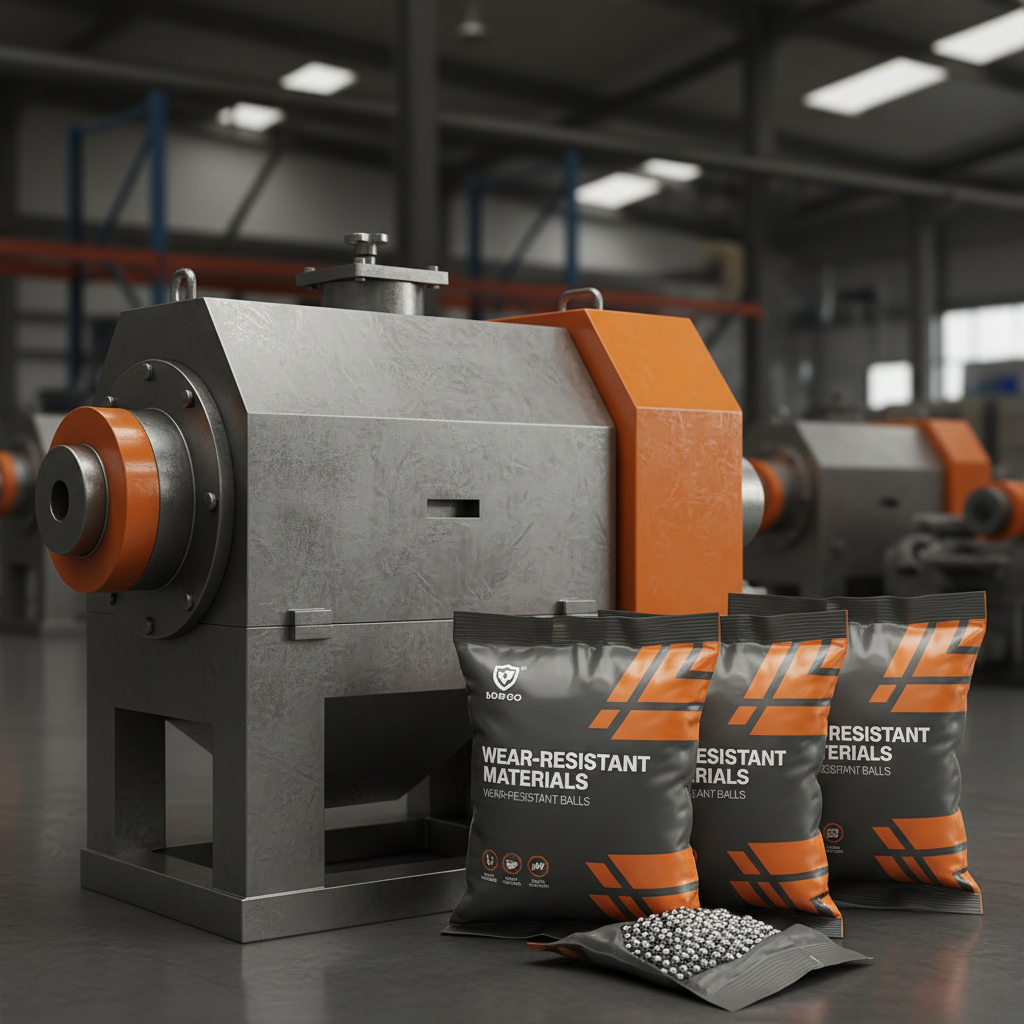
Dry ball milling is a crucial size reduction process utilized across a diverse range of industries, from mineral processing and cement production to pharmaceuticals and even the creation of advanced ceramic materials. It’s a mechanical process, relying on impact and attrition to break down materials into finer particles. Understanding its principles and applications is vital for optimizing production efficiency, improving product quality, and driving innovation in countless fields.
The global demand for efficient and cost-effective size reduction technologies continues to grow, fueled by expanding industries and increasingly stringent product specifications. According to reports from the UN, increasing urbanization and infrastructure development, particularly in emerging economies, drive demand for materials processed via techniques like dry ball milling. This process addresses challenges related to material refinement, homogeneity, and desired particle size distributions.
Dry ball milling isn’t simply a production step; it's an enabling technology that unlocks possibilities in advanced manufacturing, sustainable materials development, and resource utilization. Its adaptability and scalability make it a cornerstone of modern industrial operations, and an understanding of its nuances is becoming increasingly important for engineers, scientists, and businesses alike.
Introduction to Dry Ball Milling
Dry ball milling represents a cornerstone of many industrial processes requiring particle size reduction. Unlike wet ball milling, which utilizes a liquid medium, this technique operates with completely dry materials, offering unique advantages in terms of contamination prevention and energy efficiency for specific applications. This makes it ideal for products where moisture is detrimental, or where solvent recovery is costly.
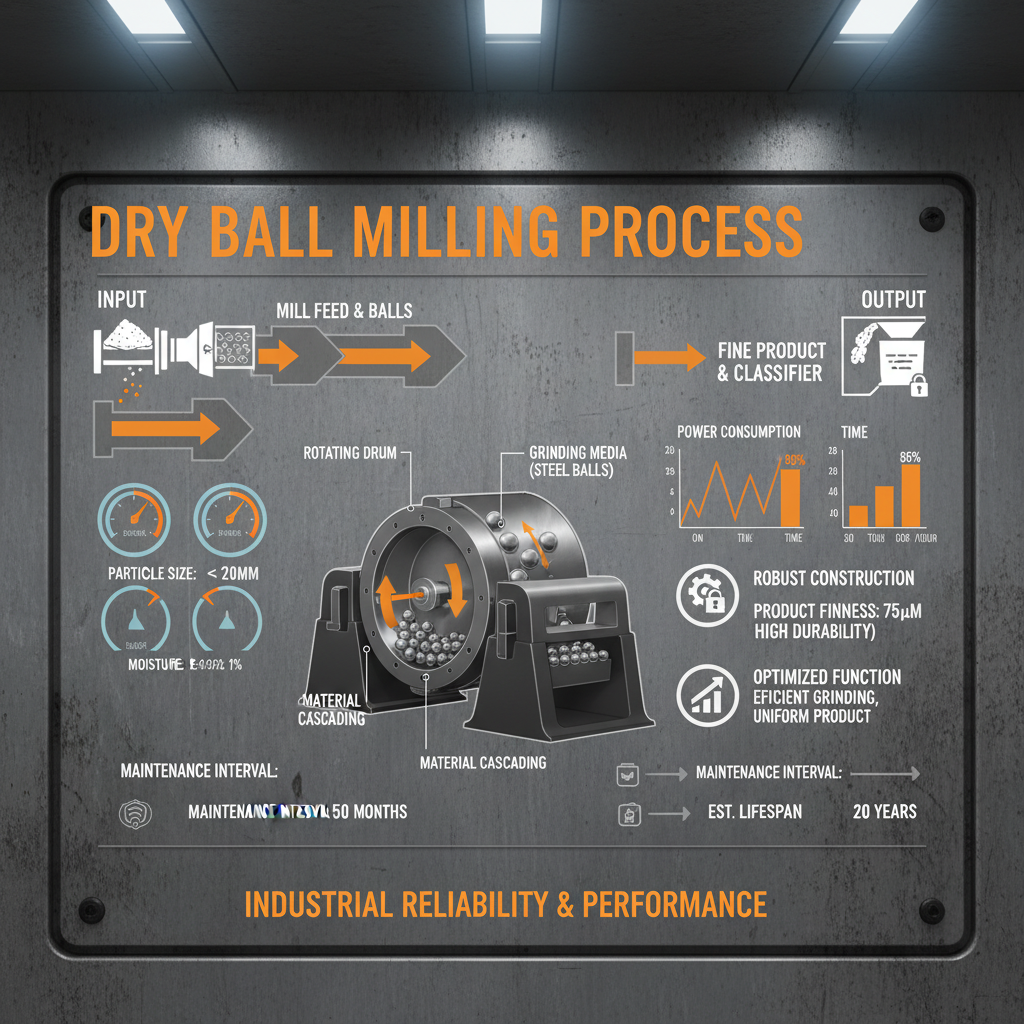
The effectiveness of dry ball milling relies on the cascade of grinding media – typically balls made of steel, ceramic, or other hard materials – within a rotating cylindrical shell. The impact and attrition generated by this cascading action gradually break down larger particles into finer ones, resulting in a desired particle size distribution for the final product.
Defining Dry Ball Milling
Dry ball milling is a mechanical process used to grind, blend, and pulverize materials using a rotating cylindrical container filled with grinding media. These media, commonly steel, ceramic, or glass balls, create impact and shear forces as they cascade within the mill, reducing the particle size of the input material. The process is inherently dry, meaning no liquids are introduced to aid in size reduction.
This technique is vital in various modern industries. In the pharmaceutical industry, dry ball milling is used to produce active pharmaceutical ingredients (APIs) with specific particle sizes for optimized drug delivery. In cement production, it is critical for achieving the required fineness of clinker for efficient hydration and strength development. Furthermore, it plays a role in preparing raw materials for advanced ceramics and metallurgy.
Ultimately, dry ball milling contributes to humanitarian needs by facilitating the efficient production of essential materials for infrastructure development and healthcare in resource-limited settings. Its relative simplicity and adaptability make it valuable in diverse environments.
Core Components of Dry Ball Milling
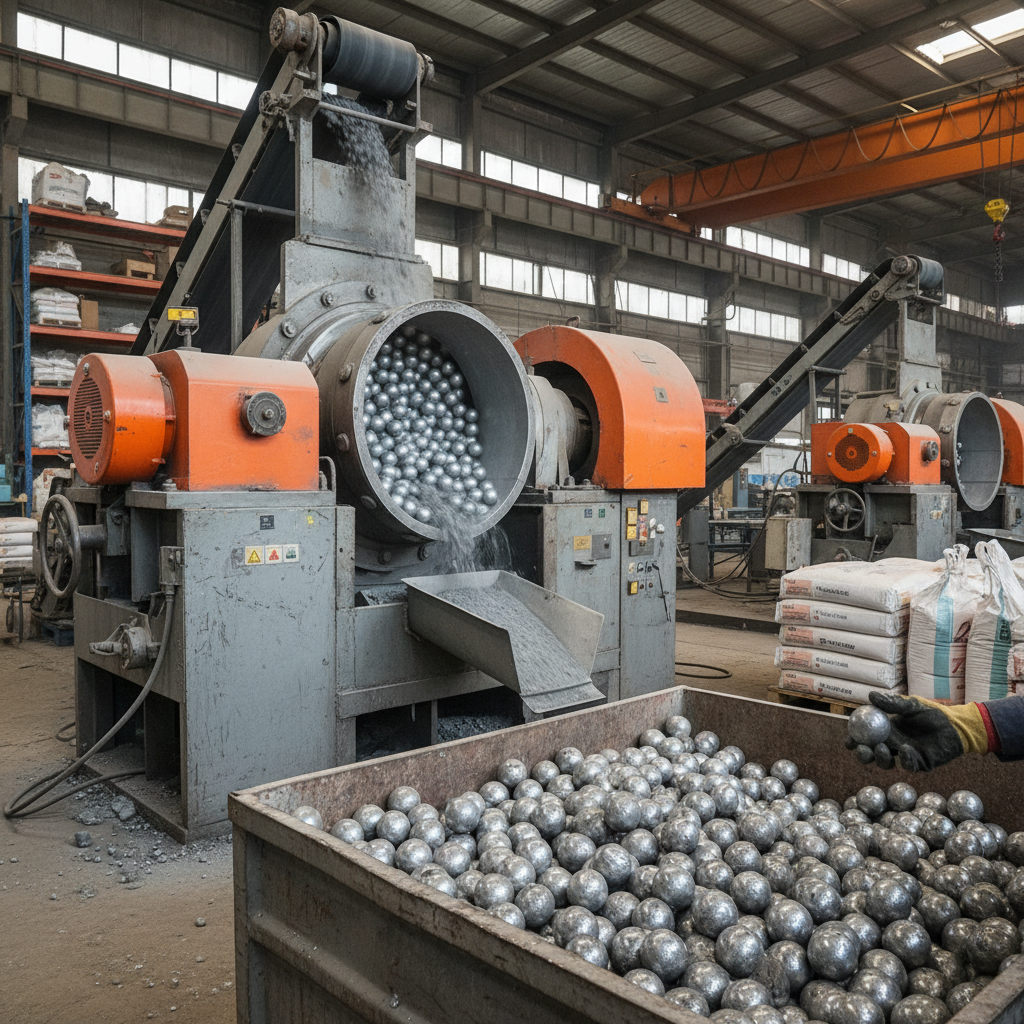
Several key components are integral to the successful operation of a dry ball milling system. These include the mill itself (typically a horizontal rotating cylinder), the grinding media (balls of varying sizes and materials), a loading and unloading system, and often a classification system to separate particles based on size. The material of the mill lining, usually steel or rubber, also plays a significant role in preventing contamination and controlling noise levels.
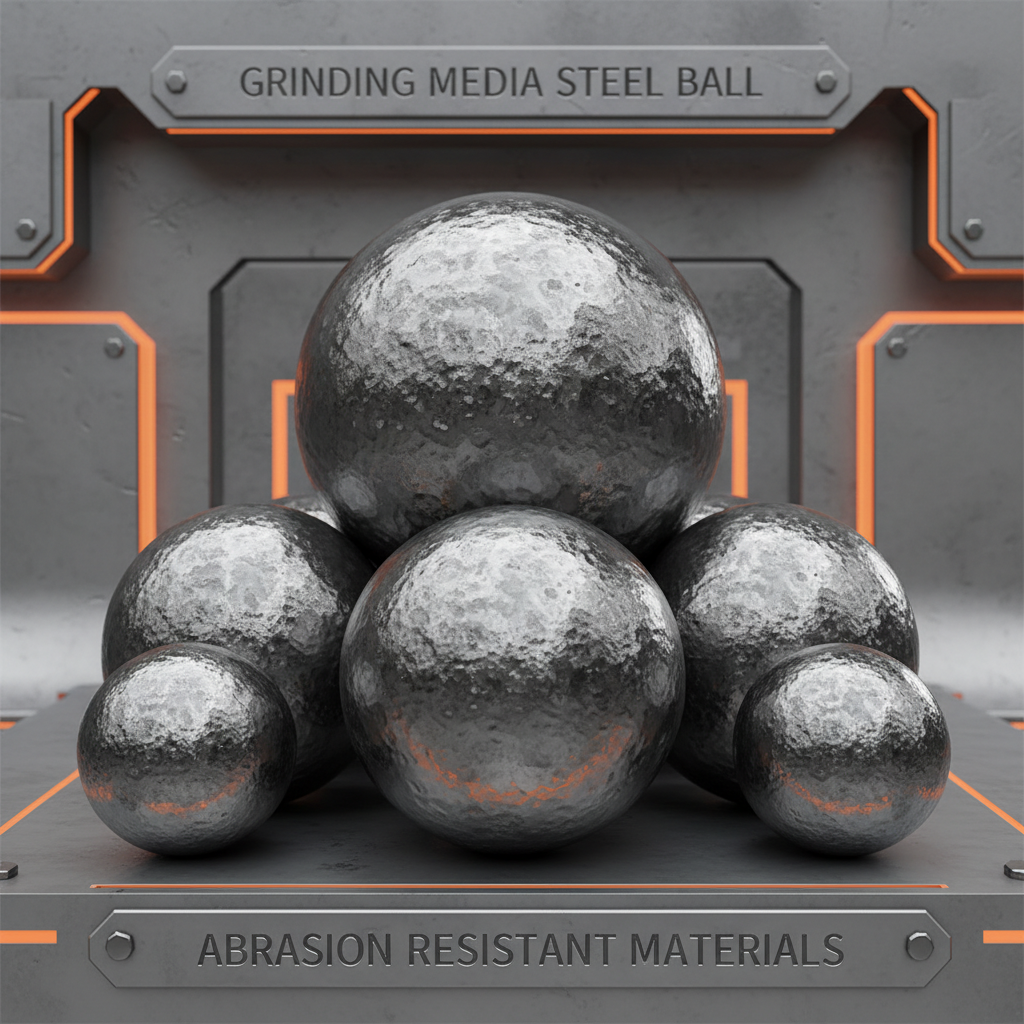
The grinding media is arguably the most crucial element. The choice of material – steel for robustness, ceramic for purity, or glass for specialized applications – depends on the material being milled and the desired outcome. Ball size distribution also impacts efficiency; a mixture of large and small balls optimizes both impact and attrition. Proper media selection impacts the final product's characteristics.
Finally, efficient loading and unloading mechanisms are critical for maintaining continuous operation and minimizing downtime. Automated systems and quick-release couplings are frequently employed in industrial settings to streamline these processes. The addition of a classifier allows for the continuous removal of appropriately sized particles, enhancing milling efficiency and product consistency.
Key Factors Influencing Dry Ball Milling Performance
The efficiency of dry ball milling is influenced by a multitude of interconnected factors. Mill speed, for example, plays a critical role. Too slow, and the grinding media won't achieve sufficient impact energy; too fast, and the media may simply spin rather than cascade effectively. The ball-to-material ratio is also paramount, impacting the intensity of grinding and overall throughput.
Material properties themselves significantly affect performance. Harder materials require longer milling times and potentially larger or more durable grinding media. Particle shape and initial size distribution also play a role, with irregularly shaped particles often requiring more energy to reduce in size.
Dry Ball Milling Performance Factors
Global Applications of Dry Ball Milling
Dry ball milling finds application across a remarkably broad spectrum of industries globally. In the mining and mineral processing sector, it is essential for preparing ore concentrates for further refining. In the ceramic industry, it ensures the homogeneity and fineness of powders used in creating everything from tiles to high-performance structural ceramics.
The paint and coatings industry relies on dry ball milling for dispersing pigments and fillers, achieving desired color, opacity, and durability. In the agricultural sector, it is used to create micronized fertilizers and pesticides, enhancing their bioavailability and effectiveness. In post-disaster relief operations, portable dry ball milling units can be deployed to process locally sourced materials for construction and reconstruction efforts.
Advantages and Long-Term Value of Dry Ball Milling
The advantages of dry ball milling are numerous. Compared to wet milling, it eliminates the need for liquid separation and drying, leading to lower energy consumption and reduced waste. The lack of liquid also avoids potential contamination issues, crucial for sensitive applications like pharmaceutical production. The process is also generally more cost-effective, especially when considering solvent recovery costs.
The long-term value lies in its scalability, robustness, and adaptability. Dry ball milling systems can be customized to handle a wide range of materials and production volumes. Its reliability and relatively simple maintenance contribute to reduced downtime and increased operational efficiency, fostering trust and innovation in the industries it serves.
Future Trends in Dry Ball Milling
Several exciting trends are shaping the future of dry ball milling. The integration of advanced control systems and sensors is enabling real-time monitoring and optimization of milling parameters, leading to improved product consistency and reduced energy consumption. Developments in grinding media materials, such as self-replicating media, promise increased efficiency and reduced wear.
Furthermore, advancements in automation and robotics are streamlining loading, unloading, and maintenance processes. There is a growing focus on sustainable milling practices, including the use of renewable energy sources and closed-loop systems to minimize environmental impact. Digital twin technologies will allow for virtual optimization of milling processes before physical implementation.
These innovations will position dry ball milling as an even more vital component of sustainable and efficient manufacturing processes, driving further advancements in materials science and engineering.
Summary of Common Dry Ball Milling Challenges and Potential Solutions
| Challenge |
Impact on Dry Ball Milling |
Potential Solution |
Implementation Complexity (1-5) |
| Media Wear |
Contamination, reduced milling efficiency. |
Utilizing wear-resistant media materials (e.g., high-chromium steel). |
3 |
| Dust Generation |
Health and safety concerns, environmental impact. |
Implementing effective dust collection systems and enclosure designs. |
4 |
| Energy Consumption |
High operational costs, environmental footprint. |
Optimizing mill speed and ball-to-material ratio, utilizing variable frequency drives. |
2 |
| Particle Agglomeration |
Reduced milling efficiency, inconsistent particle size distribution. |
Adding anti-agglomeration agents or adjusting milling parameters. |
3 |
| Maintenance Downtime |
Loss of production capacity, increased costs. |
Implementing preventative maintenance schedules and using durable components. |
2 |
| Material Loading/Unloading |
Inefficiency, potential contamination. |
Automated loading/unloading systems, quick-release couplings. |
4 |
FAQS
The key difference lies in the presence of a liquid medium. Wet ball milling uses liquids to facilitate grinding and prevent agglomeration, leading to finer particle sizes but requiring downstream separation. Dry ball milling, conversely, avoids this complexity, making it ideal for moisture-sensitive materials. It often exhibits lower energy consumption when liquid recovery isn’t required. Choosing the right method hinges on material properties and process requirements.
Steel balls are the most common due to their cost-effectiveness and durability. However, ceramic materials (alumina, zirconia) are often preferred when contamination must be strictly avoided, such as in pharmaceutical applications. Glass balls are used in specific applications where a very low level of iron contamination is crucial. The choice depends on the material being milled, its hardness, and the desired purity of the final product.
Mill speed is a critical parameter. Too slow, and the grinding media won’t achieve sufficient impact energy to effectively reduce particle size. Too fast, and the media may simply spin instead of cascading, reducing grinding effectiveness. An optimal speed exists for each material and mill configuration, balancing impact and attrition for maximum efficiency. This sweet spot can be determined through experimentation and process modeling.
Dry ball milling can achieve a broad range of particle sizes, typically from several millimeters down to a few micrometers. The final particle size distribution depends on factors like milling time, ball size, mill speed, and the material being milled. For sub-micron particles, other techniques like jet milling may be more appropriate. Careful control of process parameters is essential for achieving the desired particle size.
Dust control is a major concern in dry ball milling. Implementing effective dust collection systems, such as cyclones or bag filters, is crucial. Enclosing the mill and using sealed loading/unloading systems also help minimize dust emissions. Additionally, selecting appropriate grinding media materials and optimizing milling parameters can reduce dust generation by minimizing material abrasion.
Safety is paramount. Always ensure the mill is properly grounded and locked during operation. Wear appropriate personal protective equipment (PPE), including dust masks, eye protection, and hearing protection. Implement lockout/tagout procedures during maintenance. Regular inspections should be performed to identify and address any potential hazards, such as worn components or loose connections.
Conclusion
Dry ball milling stands as a foundational technology in numerous industries, offering a versatile and cost-effective solution for particle size reduction. Its ability to process a diverse range of materials, coupled with its adaptability to varying production scales, makes it indispensable for applications ranging from mineral processing to pharmaceutical manufacturing. Understanding the core principles and influencing factors of dry ball milling is crucial for optimizing performance and achieving desired product characteristics.
As industries increasingly prioritize sustainability and efficiency, advancements in dry ball milling technology—such as automation, optimized media materials, and real-time process control—will continue to drive innovation and unlock new possibilities. To explore customized dry ball milling solutions tailored to your specific needs, visit our website at www.cdchengda.com.