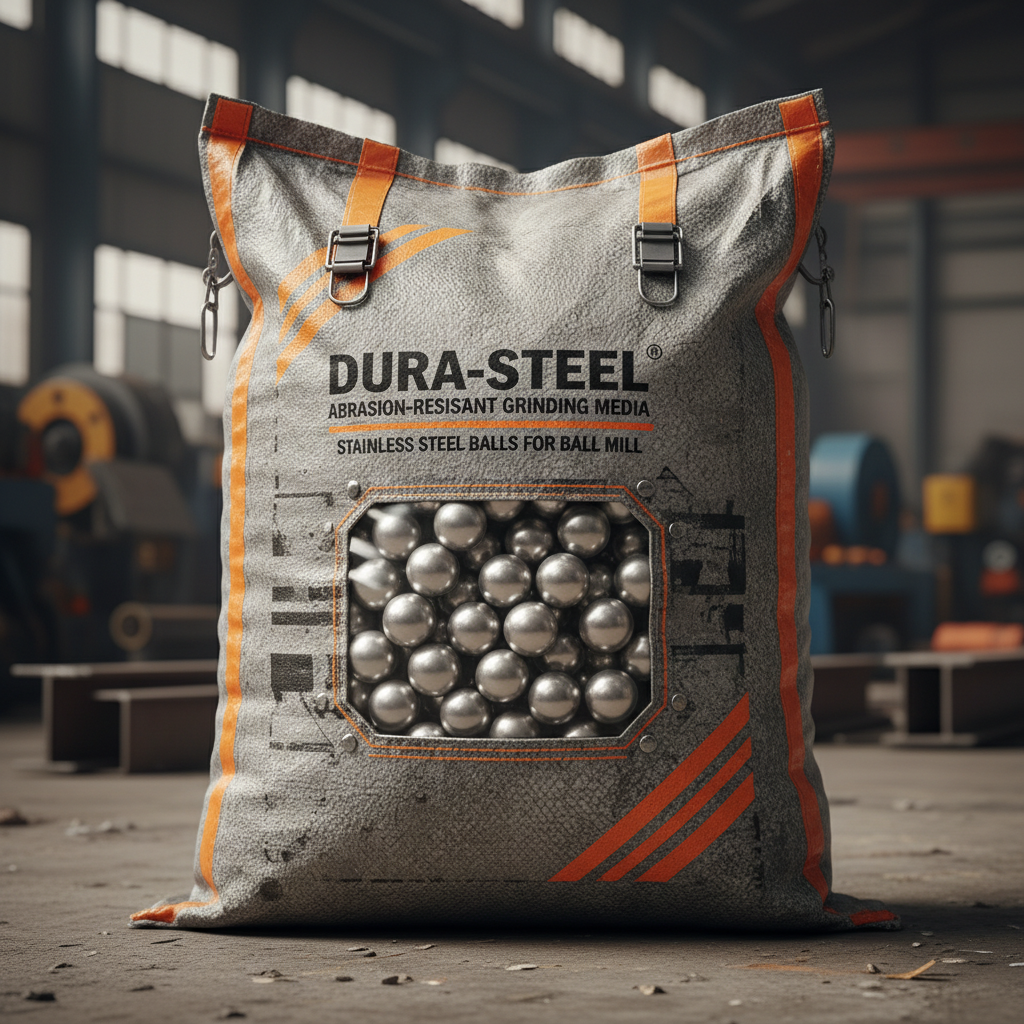
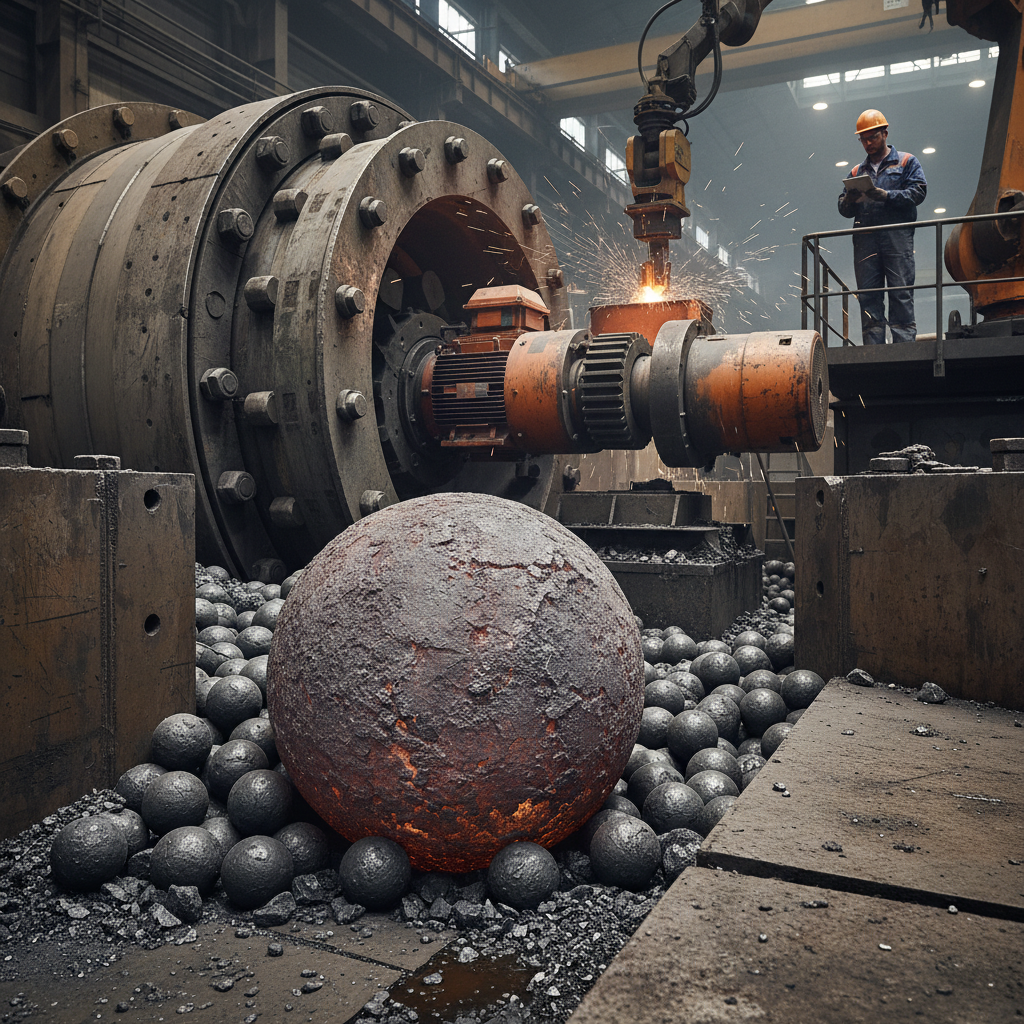
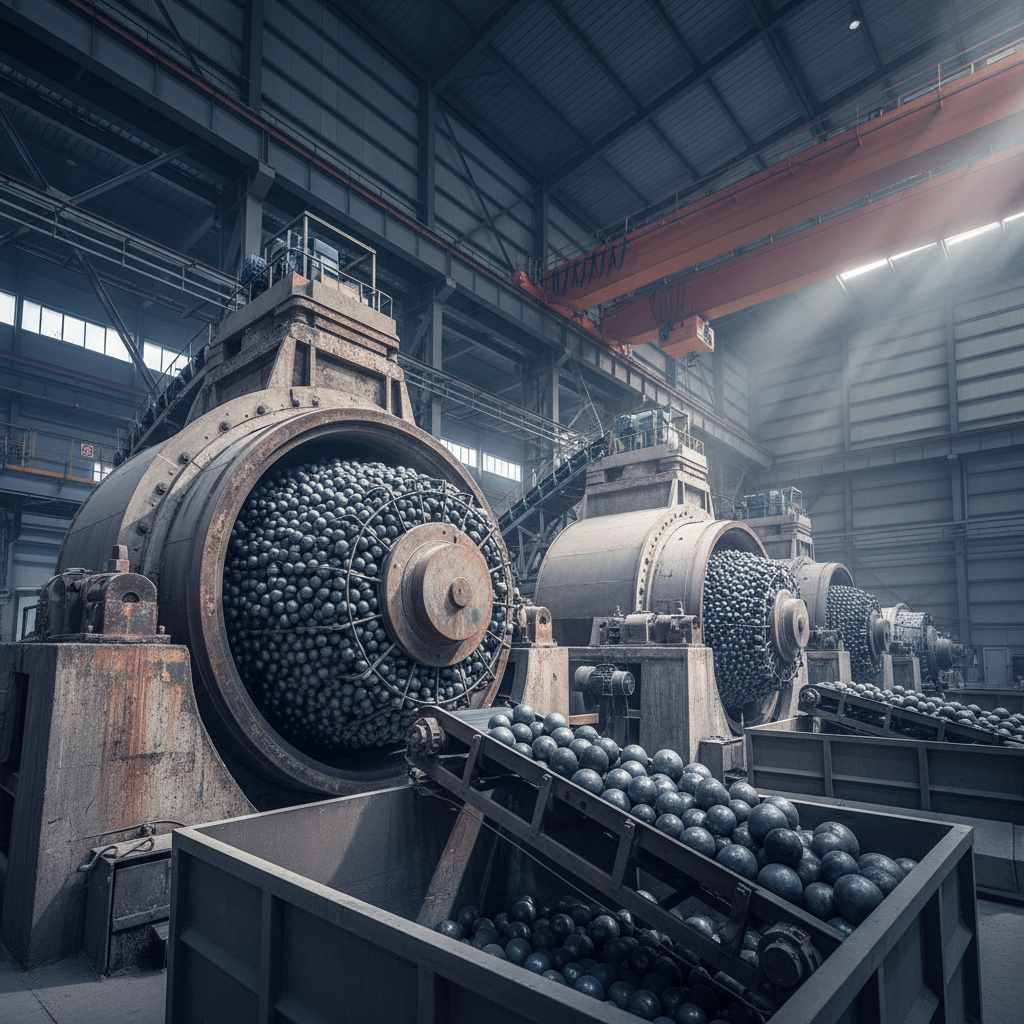
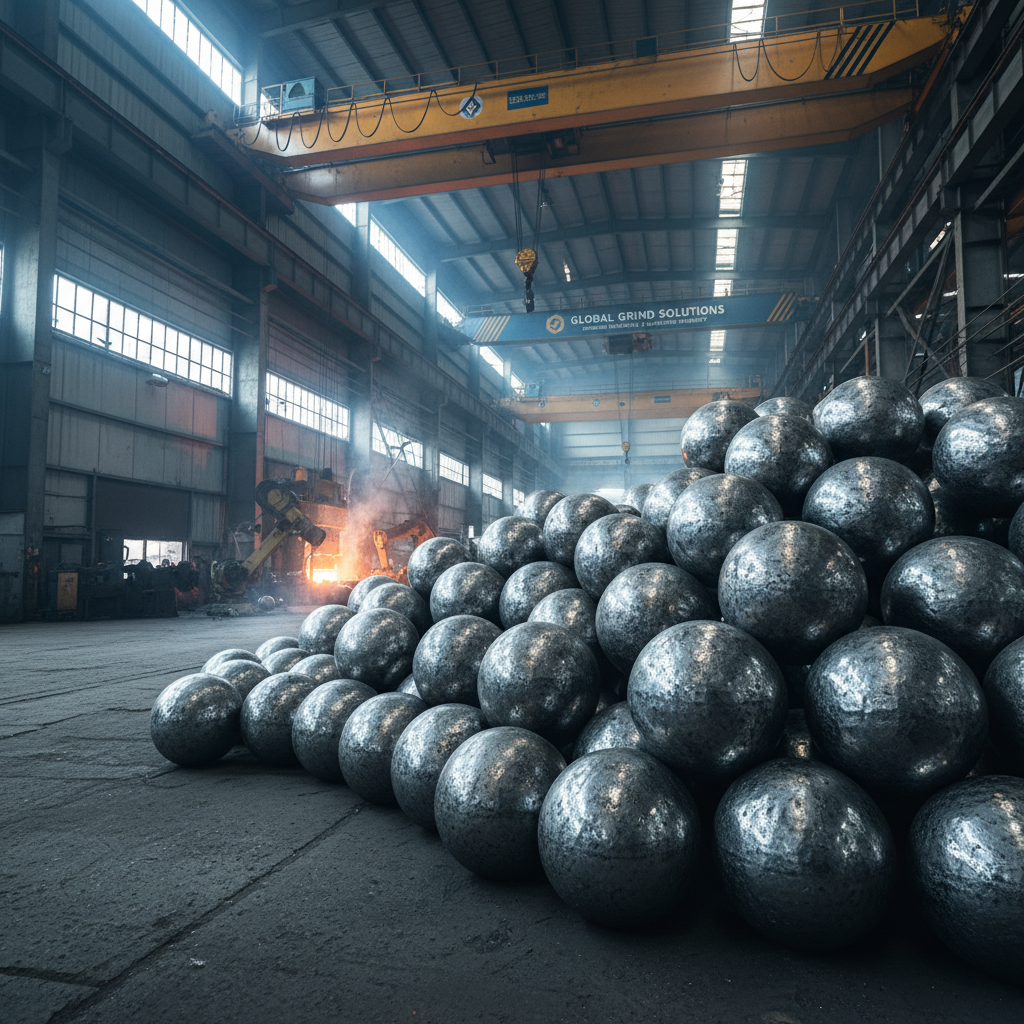
Stainless steel balls for ball mill are critical components in a vast array of industrial processes, primarily utilized for size reduction, fine grinding, and dispersion of materials. Their widespread application stems from their exceptional hardness, wear resistance, and corrosion resistance – properties essential for maintaining efficiency and product quality across diverse sectors. The demand for these balls is consistently high, driven by the continuous expansion of industries such as mining, cement production, power generation, and chemical processing.
Globally, the market for grinding media, including stainless steel balls for ball mill, is experiencing steady growth, projected to reach significant values in the coming years. This growth is fueled by factors like increasing infrastructure development in emerging economies and the rising demand for high-quality mineral processing. Manufacturers are continually innovating to enhance the performance and longevity of these balls, focusing on advanced alloy compositions and optimized heat treatment processes.
Understanding the nuances of stainless steel balls for ball mill - from material selection to optimal sizing - is paramount for maximizing operational efficiency, minimizing downtime, and achieving desired product specifications. This understanding is vital for engineers, plant managers, and procurement professionals seeking to optimize their grinding processes.
The Role of Stainless Steel Balls for Ball Mill in Industrial Processes
Stainless steel balls for ball mill are the workhorses of many comminution processes, responsible for breaking down materials into smaller, more manageable sizes. Their consistent shape and high density ensure efficient energy transfer during impact and attrition, leading to a uniform particle size distribution. This is vital in industries like ceramics, where precise particle size control is crucial for product performance.
The selection of appropriate stainless steel balls for ball mill significantly impacts processing costs and final product quality. Factors such as ball diameter, material composition, and hardness must be carefully considered based on the specific application and the characteristics of the material being ground. Selecting the right stainless steel balls minimizes wear, reduces contamination, and optimizes grinding efficiency.
Defining Stainless Steel Balls for Ball Mill
Stainless steel balls for ball mill are spherical media crafted from various grades of stainless steel, designed to be used within ball mills for grinding, blending, or dispersing materials. Unlike traditional steel balls, stainless steel offers superior corrosion resistance, preventing contamination of the processed material – a critical requirement in pharmaceutical, food processing, and chemical applications.
The manufacturing process involves cold forging, heat treatment, and precise finishing to achieve the desired hardness, roundness, and surface finish. Different alloy compositions are used depending on the intended application, with varying levels of chromium, nickel, and molybdenum to enhance specific properties like corrosion resistance and wear resistance. stainless steel balls for ball mill are available in a wide range of sizes, from a few millimeters to over 100 millimeters, to accommodate different mill sizes and material characteristics.
In essence, stainless steel balls for ball mill are more than just grinding media; they are essential tools for achieving precise particle size control, material homogenization, and contamination-free processing across a multitude of industries.
Key Properties and Material Composition
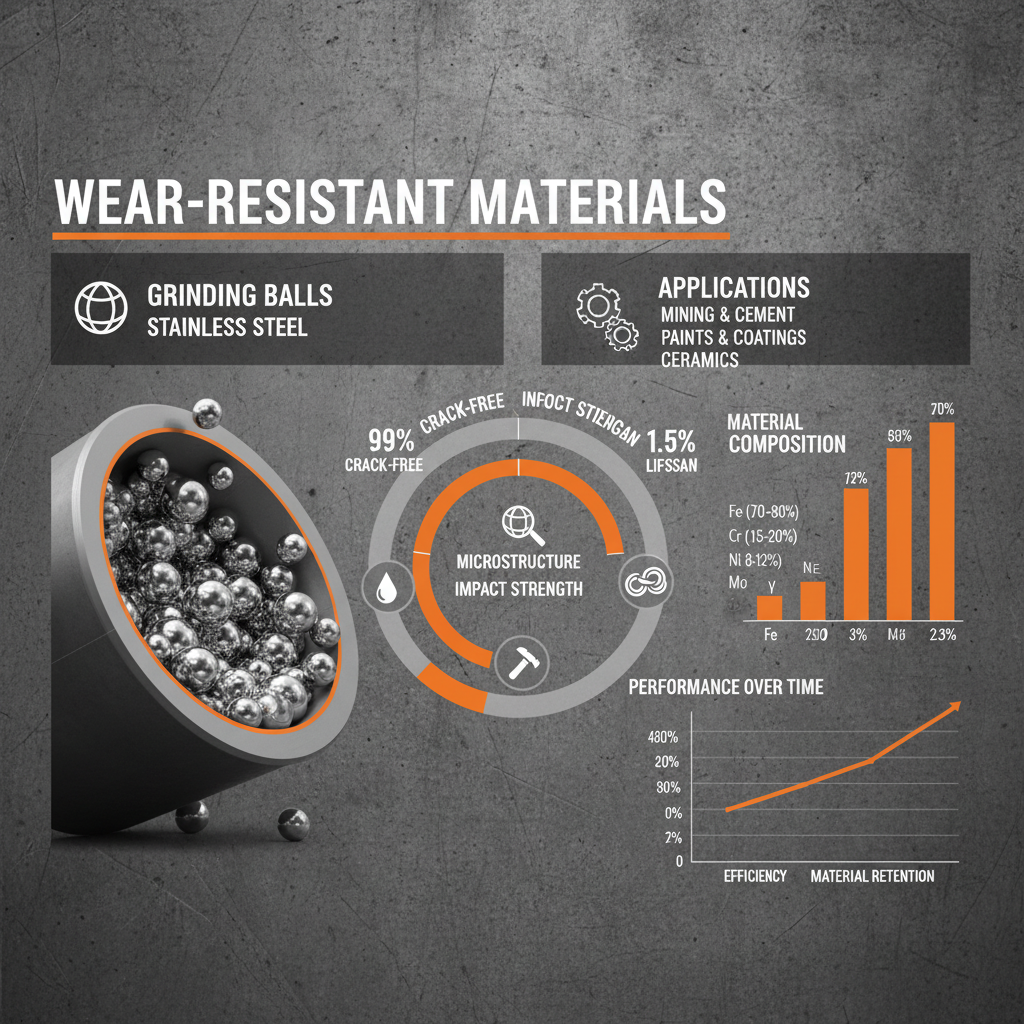
The performance of stainless steel balls for ball mill is directly tied to their material composition and inherent properties. Common stainless steel grades utilized include 304, 316, 316L, and 440C, each offering a unique balance of properties. 304 stainless steel is widely used for its good corrosion resistance and affordability, while 316 and 316L offer enhanced resistance to chlorides and other corrosive environments.
Key properties influencing performance include hardness (measured by Rockwell C scale), impact toughness, and wear resistance. Hardness determines the ball's ability to withstand deformation during grinding, while impact toughness resists fracture under repeated stress. Wear resistance dictates the ball's lifespan and the amount of metallic contamination generated during the grinding process. The specific alloy composition and heat treatment process are meticulously controlled to optimize these properties for the intended application.
Chromium content is crucial for corrosion resistance, forming a passive layer on the surface of the steel. Nickel enhances ductility and toughness, while molybdenum improves resistance to pitting corrosion. The precise proportions of these elements are carefully adjusted based on the specific grinding application and the properties of the material being processed. stainless steel balls for ball mill come in varying compositions to optimize for different conditions.
Factors Influencing the Performance of Stainless Steel Balls for Ball Mill
Several factors beyond material composition affect the performance of stainless steel balls for ball mill. Ball size and size distribution are critical; a proper balance optimizes grinding efficiency and prevents excessive wear. Larger balls provide greater impact force, while smaller balls fill the void spaces and enhance the overall grinding surface area.
Mill speed and charge volume also play significant roles. Optimal mill speed ensures sufficient kinetic energy transfer to the grinding media, while appropriate charge volume maximizes ball-to-material contact. Furthermore, the presence of water or other grinding aids can influence the grinding process and affect the lifespan of the balls.
Impact of Ball Mill Parameters on Grinding Efficiency
Global Applications and Industry Sectors Utilizing Stainless Steel Balls for Ball Mill
Stainless steel balls for ball mill find application across a remarkably diverse range of industries worldwide. The mining industry utilizes them extensively for ore grinding and mineral processing, enabling the extraction of valuable metals and resources. In the cement industry, they play a crucial role in grinding clinker into fine cement powder.
The pharmaceutical and chemical industries rely heavily on these balls for producing consistent particle sizes in active pharmaceutical ingredients (APIs), pigments, and other critical compounds. Furthermore, the ceramics industry uses them for milling raw materials and glazes, ensuring uniform texture and consistent firing results. stainless steel balls for ball mill also have a presence in the cosmetic industry for pigment dispersion.
Advantages and Long-Term Value Proposition
The use of stainless steel balls for ball mill offers numerous advantages over traditional grinding media like carbon steel. Superior corrosion resistance eliminates the risk of material contamination, ensuring product purity and integrity. Their extended lifespan reduces the frequency of media replacement, lowering operating costs and minimizing downtime.
Furthermore, the precise size and shape consistency of stainless steel balls contribute to more efficient grinding and a narrower particle size distribution. This translates to improved product quality, reduced waste, and increased process efficiency. The long-term value proposition extends beyond cost savings to encompass enhanced product performance, reduced environmental impact, and improved operational reliability.
Future Trends and Innovations in Stainless Steel Ball Technology
The future of stainless steel ball technology is focused on enhancing performance, extending lifespan, and reducing environmental impact. Ongoing research is exploring new alloy compositions with improved hardness, toughness, and corrosion resistance. Surface treatments, such as coatings and polishing, are being developed to minimize wear and reduce friction.
The integration of sensor technology into the balls themselves is also being investigated, allowing for real-time monitoring of grinding conditions and predictive maintenance. Digitalization and automation are expected to play an increasingly important role, optimizing ball mill operation and maximizing efficiency. Innovations in manufacturing processes, such as additive manufacturing, promise to create more complex ball geometries tailored to specific grinding applications.
Challenges & Solutions
One of the primary challenges associated with stainless steel balls for ball mill is the potential for work hardening, which can lead to premature cracking and failure. To mitigate this, manufacturers employ specialized heat treatment processes and carefully control the alloy composition. Another challenge is the cost of stainless steel compared to carbon steel, but the longer lifespan and reduced contamination risks often outweigh the initial investment.
Wear is always a concern, particularly with abrasive materials. Solution include selecting the appropriate stainless steel grade for the application, optimizing mill operating parameters, and implementing regular ball replenishment schedules. Additionally, advancements in surface engineering, such as applying wear-resistant coatings, are helping to extend the lifespan of the balls and reduce overall costs. stainless steel balls for ball mill are constantly being improved with new tech.
Comparative Analysis of Stainless Steel Ball Grades for Ball Mill Applications
| Stainless Steel Grade |
Corrosion Resistance (1-10) |
Wear Resistance (1-10) |
Cost (Relative) |
| 304 |
7 |
6 |
1.0 |
| 316 |
8 |
7 |
1.2 |
| 316L |
9 |
7.5 |
1.3 |
| 440C |
6 |
9 |
1.5 |
| Duplex Stainless Steel |
9.5 |
8 |
1.6 |
| Super Duplex Stainless Steel |
10 |
8.5 |
1.8 |
FAQS
The lifespan of stainless steel balls for ball mill varies significantly depending on the application, material being ground, mill operating conditions, and ball hardness. Generally, well-maintained balls can last from 6 months to 2 years or more. Regular monitoring and timely replacement are crucial for maintaining optimal grinding efficiency and preventing contamination.
Selecting the appropriate ball size depends on several factors, including the mill size, material properties, and desired particle size distribution. A common approach is to use a combination of ball sizes, typically ranging from 25% to 50% of the mill diameter. Larger balls provide greater impact force, while smaller balls fill the void spaces for more efficient grinding.
Stainless steel balls offer superior corrosion resistance, preventing contamination of the ground material – a critical requirement in industries like pharmaceuticals and food processing. They also have a longer lifespan than carbon steel balls, reducing the frequency of replacements and lowering overall operating costs. While more expensive initially, the long-term benefits often outweigh the upfront investment.
Preventing premature wear involves optimizing mill operating parameters, ensuring proper ball charge volume, and selecting the appropriate stainless steel grade for the application. Regular inspection for cracks or signs of wear is also crucial. Proper lubrication and cooling can also help to reduce friction and extend ball lifespan.
Yes, stainless steel balls are highly recyclable. Stainless steel is a valuable material and can be repeatedly recycled without losing its properties. Recycling reduces the environmental impact associated with raw material extraction and manufacturing, promoting a more sustainable approach to grinding operations. Many suppliers offer buy-back programs for used balls.
For abrasive materials, 440C stainless steel is often the best choice due to its high hardness and wear resistance. However, other high-alloy stainless steels, like duplex or super duplex stainless steel, can also offer excellent performance, particularly in corrosive environments. The specific grade will depend on the severity of the abrasion and the chemical composition of the material being ground.
Conclusion
In conclusion, stainless steel balls for ball mill are indispensable components in a wide spectrum of industrial processes, offering unparalleled durability, corrosion resistance, and efficiency. Their ability to consistently deliver optimal grinding performance, coupled with their long lifespan and recyclability, makes them a sustainable and cost-effective solution for materials processing. Understanding the nuances of material selection, operational parameters, and emerging technologies is key to maximizing the benefits of these essential grinding media.
Looking ahead, continued innovation in alloy compositions, surface treatments, and sensor integration will further enhance the performance and lifespan of stainless steel balls. Embracing these advancements will be crucial for industries seeking to optimize their grinding processes, reduce operating costs, and achieve sustainable manufacturing practices. To explore the right stainless steel ball solutions for your specific needs, visit our website: www.cdchengda.com.