The stainless steel ball mill is a cornerstone of numerous industrial processes, facilitating size reduction and material refinement across a wide spectrum of applications. Its enduring relevance stems from its versatility, efficiency, and ability to handle diverse materials, from minerals and ores to ceramics and chemicals. Understanding its principles and applications is crucial for optimizing production, enhancing material properties, and driving innovation in manufacturing sectors globally.
The demand for high-quality milled products is constantly increasing, driven by advancements in materials science and the need for precise particle size control. This underscores the importance of efficient and reliable grinding solutions, and the stainless steel ball mill remains a prominent choice due to its robust design and adaptability to varying operational demands. Its contribution extends beyond simply reducing particle size; it influences downstream processes, impacting product quality and overall process efficiency.
The selection of a suitable stainless steel ball mill is paramount for achieving desired outcomes, with factors like mill size, media composition, and rotational speed playing critical roles. Optimizing these parameters allows for tailored solutions addressing specific material properties and production targets.
The Core Principles of Stainless Steel Ball Mill Operation
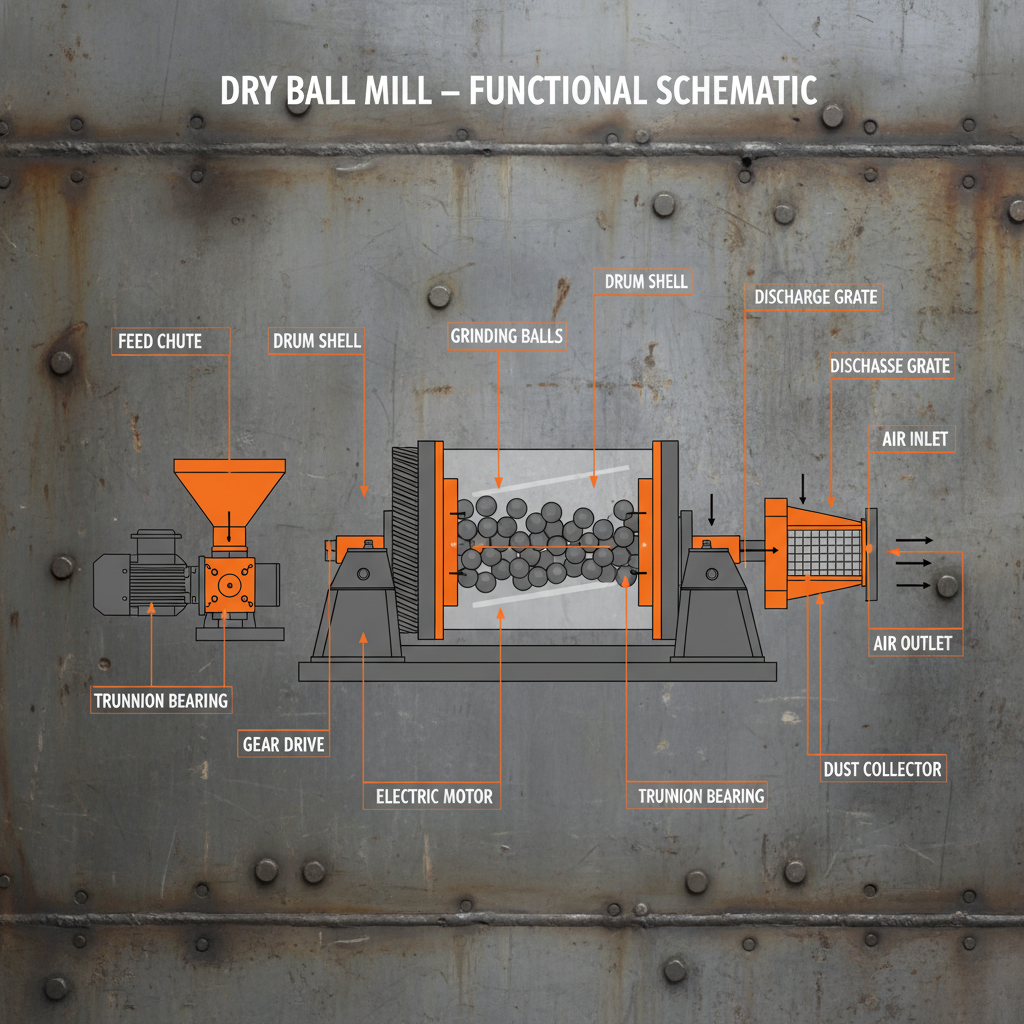
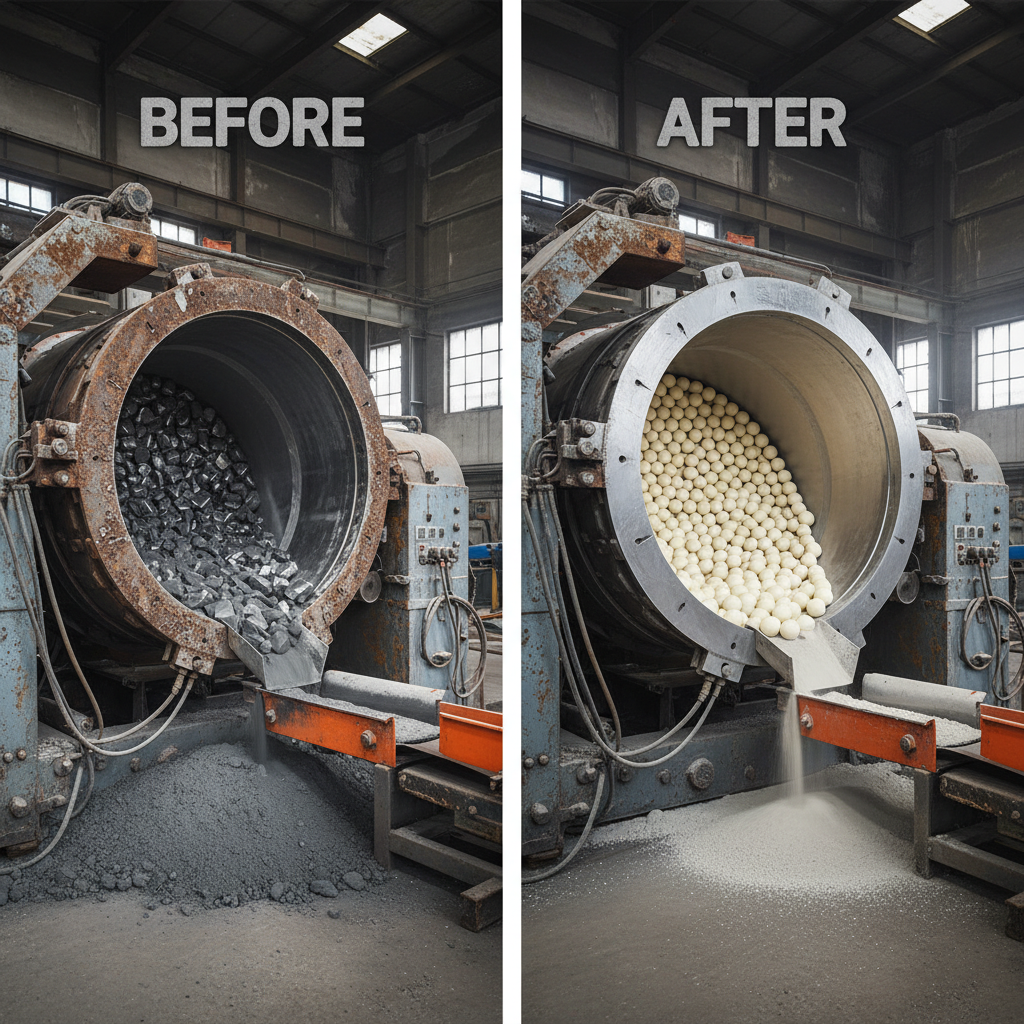
At its core, the stainless steel ball mill operates on the principle of impact and attrition. As the mill rotates, the stainless steel balls within are lifted and cascaded down, impacting and grinding the material contained within the drum. This repeated impact and shearing action progressively reduces the particle size of the material.
The efficiency of this process is highly dependent on several factors, including the ball-to-material ratio, the mill’s rotational speed, and the properties of both the grinding media and the material being processed. Proper optimization of these parameters is vital for achieving the desired particle size distribution and maximizing throughput.
The Global Impact and Applications of Stainless Steel Ball Mills
Stainless steel ball mills are integral to a diverse range of global industries, playing a crucial role in mineral processing, cement production, chemical manufacturing, and even the pharmaceutical sector. The widespread adoption of this technology is a testament to its reliability and effectiveness in handling a broad spectrum of materials.
According to industry reports, the global grinding media market, which includes stainless steel balls, is projected to reach significant growth in the coming years, driven by increasing demand from mining and construction industries, particularly in emerging economies. This underscores the continued importance of ball mills in supporting global infrastructure development.
In regions with extensive mineral resources, such as South America and Africa, stainless steel ball mills are essential for processing ores and extracting valuable metals. Similarly, in rapidly industrializing nations in Asia, they are critical for supporting cement production and infrastructure projects.
Defining a Stainless Steel Ball Mill: Function and Components
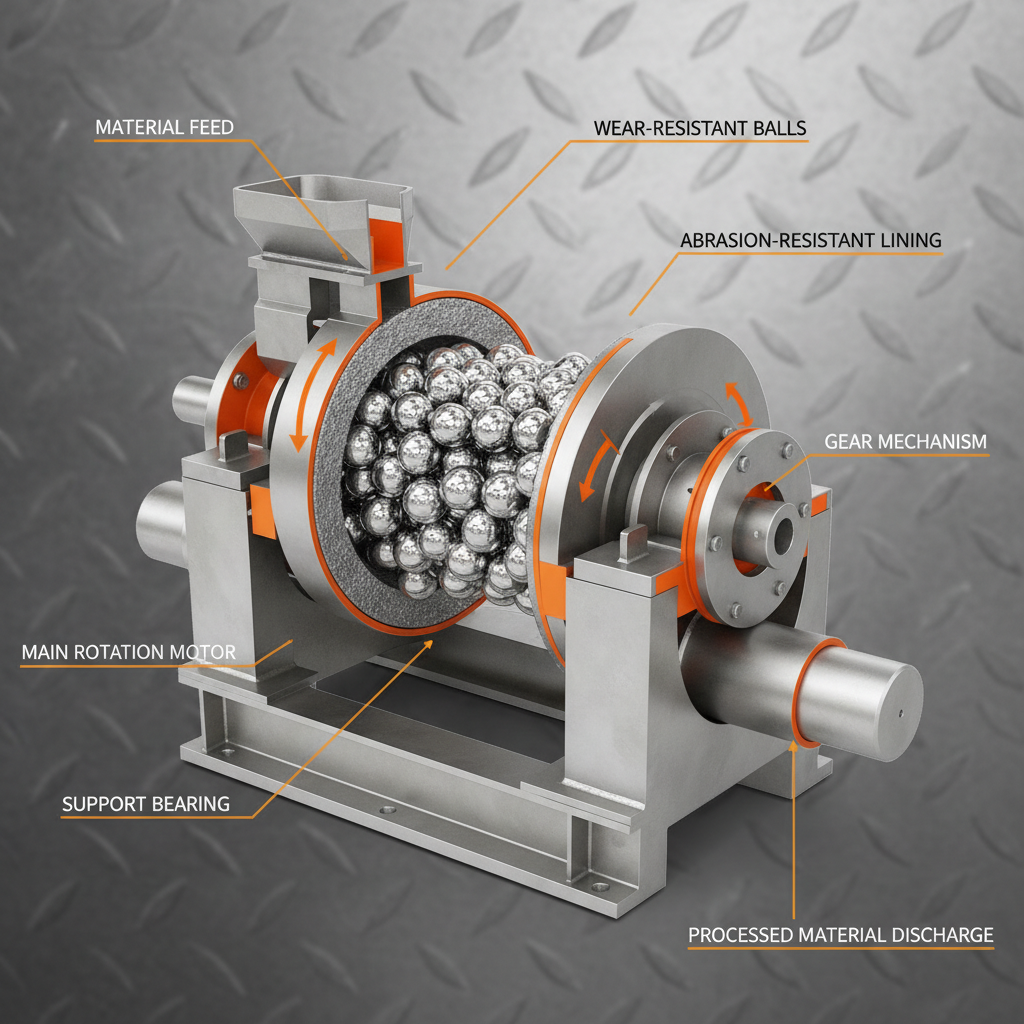
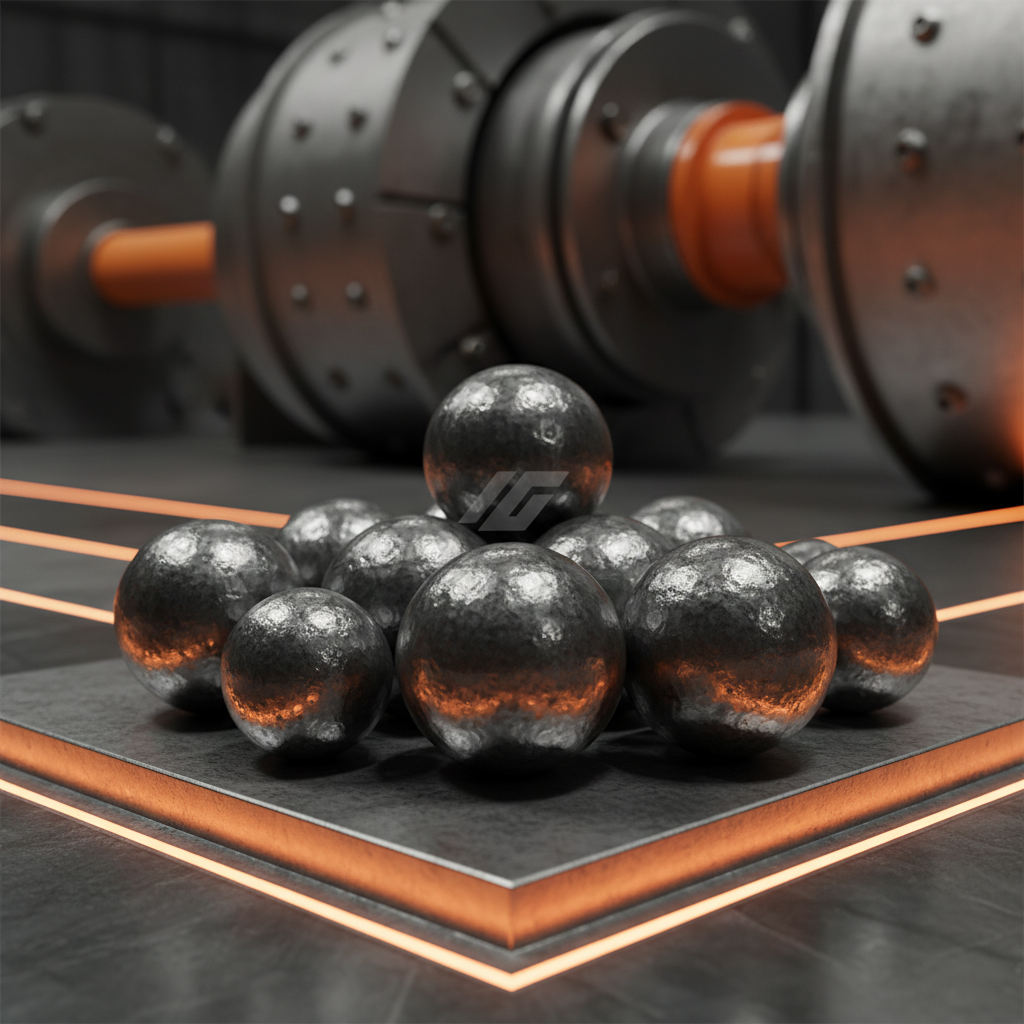
A stainless steel ball mill is a mechanical device used to grind or blend materials into a fine powder or slurry. It consists of a cylindrical or conical drum partially filled with stainless steel grinding media (the "balls"). The drum is rotated, causing the balls to tumble and impact the material, reducing its particle size.
The key components of a stainless steel ball mill include the mill shell, the grinding media, a liner (to protect the shell), a rotating mechanism (typically a motor and gear system), and an inlet/outlet system for feeding material and discharging the milled product. The quality of the stainless steel used in both the balls and the mill shell significantly impacts its durability and resistance to corrosion.
The selection of stainless steel grade, such as 304 or 316, depends on the specific material being processed and the operating environment. Choosing the correct grade ensures optimal performance, longevity, and prevents contamination of the final product.
Key Factors Influencing Stainless Steel Ball Mill Performance
The efficiency and effectiveness of a stainless steel ball mill are influenced by a complex interplay of factors. These include the media charge (the proportion of balls to material), the mill speed, the type and size distribution of the grinding media, and the properties of the material being milled.
Optimizing the media charge is critical: too few balls result in inefficient grinding, while too many can lead to reduced throughput and increased energy consumption. Similarly, mill speed impacts grinding efficiency, with optimal speeds varying depending on the material characteristics and mill design.
Stainless Steel Ball Mill Performance Factors
Real-World Applications: Industries Utilizing Stainless Steel Ball Mills
Stainless steel ball mills are essential in the mining industry for the comminution of ores to liberate valuable minerals. This process is fundamental to the extraction of metals such as gold, copper, and iron. The durability of stainless steel balls ensures consistent performance even in harsh mining environments.
The cement industry utilizes stainless steel ball mills to grind clinker, a key component of cement, into a fine powder. This process determines the fineness and reactivity of the cement, directly impacting its strength and performance in construction applications.
Advantages and Long-Term Value Proposition of Stainless Steel Ball Mills
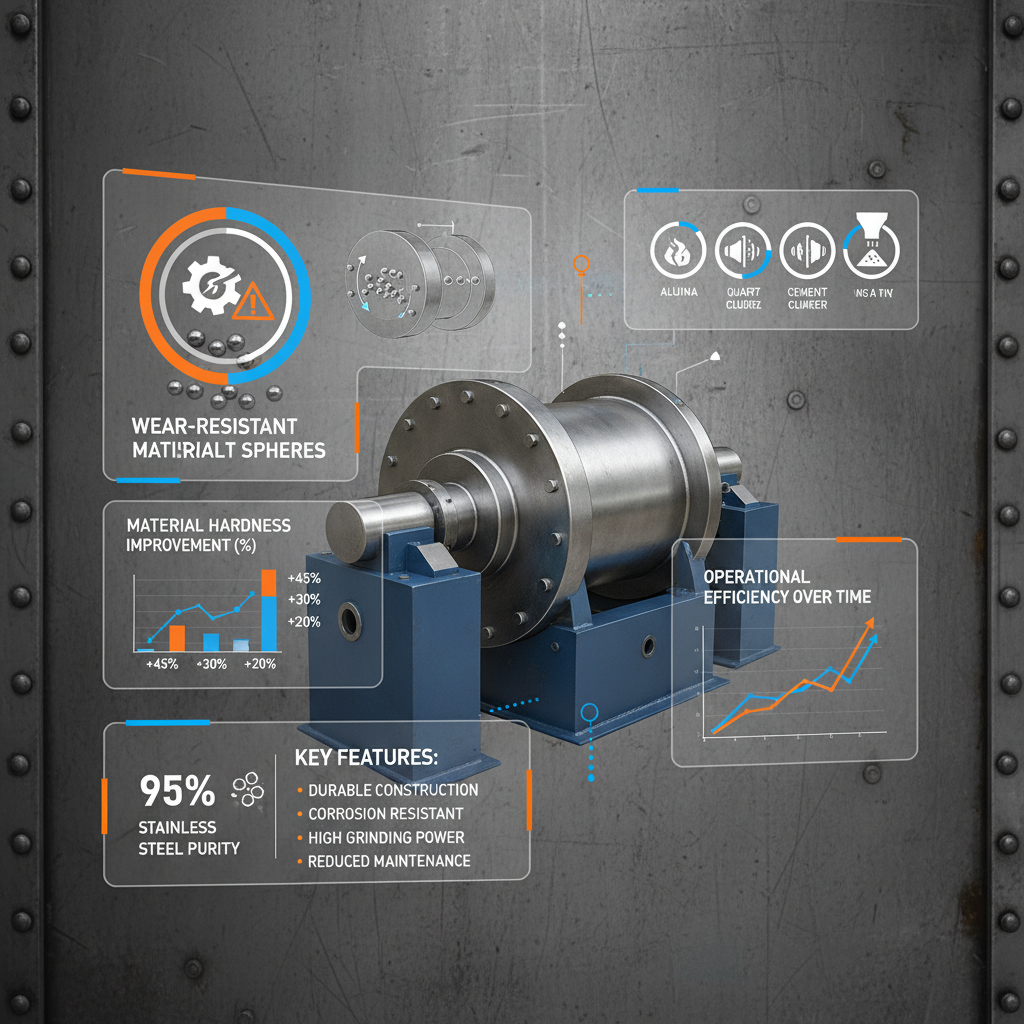
The primary advantage of employing stainless steel ball mills lies in their exceptional durability and corrosion resistance. This translates to reduced maintenance costs, prolonged operational life, and minimal risk of contamination compared to mills utilizing carbon steel media.
Furthermore, stainless steel’s inherent hygienic properties make it ideal for applications in the pharmaceutical and food processing industries, where maintaining product purity is paramount. The long-term value proposition extends beyond cost savings, encompassing enhanced product quality, improved process reliability, and reduced environmental impact.
Future Trends and Challenges in Stainless Steel Ball Mill Technology
Emerging trends in stainless steel ball mill technology focus on optimizing energy efficiency, enhancing grinding performance, and incorporating automation for improved process control. Innovations such as variable frequency drives (VFDs) and advanced control algorithms are being implemented to minimize energy consumption and maximize throughput.
A key challenge lies in reducing noise levels generated during operation. Researchers are exploring innovative liner designs and soundproofing techniques to mitigate noise pollution and improve working conditions. Furthermore, the development of more wear-resistant stainless steel alloys remains a priority to extend the lifespan of grinding media.
The integration of digital technologies, such as predictive maintenance and remote monitoring, is also gaining traction, allowing for proactive identification of potential issues and minimizing downtime.
Summary of Key Challenges and Solutions for Stainless Steel Ball Mills
| Challenge |
Impact on Operation |
Potential Solution |
Implementation Cost (1-10) |
| Wear and Tear of Balls |
Reduced grinding efficiency, frequent ball replacement |
Utilize high-chromium stainless steel alloys |
7 |
| Noise Pollution |
Worker discomfort, potential regulatory issues |
Implement soundproofing materials and liners |
5 |
| Energy Consumption |
High operational costs, environmental impact |
Employ variable frequency drives (VFDs) |
6 |
| Material Segregation |
Uneven grinding, inconsistent particle size |
Optimize ball size distribution and mill speed |
4 |
| Maintenance Downtime |
Lost production time, increased costs |
Implement predictive maintenance systems |
8 |
| Corrosion |
Reduced lifespan, contamination risk |
Choose appropriate stainless steel grade (e.g., 316) |
6 |
FAQS
The lifespan of stainless steel balls varies depending on the material being ground, the mill’s operating conditions, and the alloy used. Generally, high-chromium stainless steel balls can last from several months to over a year with proper maintenance. Regular inspection and replacement of worn balls are crucial for maintaining optimal grinding efficiency. Factors like impact energy and abrasive properties of the feed material significantly influence wear rates.
Determining the optimal ball-to-material ratio requires considering the material’s hardness, desired particle size, and mill characteristics. A typical ratio ranges from 5:1 to 20:1 (balls:material by weight), but experimentation is often necessary. A lower ratio is suitable for coarser grinding, while a higher ratio is better for finer grinding. Pilot testing can help establish the ideal ratio for your specific needs.
Stainless steel balls offer several advantages over other grinding media like carbon steel or ceramic. They provide superior corrosion resistance, preventing contamination of the ground material, which is vital in pharmaceutical and food processing industries. They are also more durable and have a longer lifespan, reducing maintenance costs. While ceramic media is also corrosion-resistant, stainless steel often offers a better balance of durability and cost.
Noise reduction can be achieved through several methods. Installing soundproofing materials around the mill enclosure, using rubber liners, and implementing vibration damping systems can significantly reduce noise levels. Regular maintenance to ensure smooth operation and minimize impact forces also contributes to noise control. Choosing a mill with a robust enclosure designed for noise reduction is also a proactive step.
Regular maintenance includes inspecting the mill lining for wear, checking the condition of the grinding balls, lubricating bearings, and monitoring the motor for proper operation. Periodic cleaning to remove accumulated material buildup is also essential. Scheduled ball replacement, based on wear rate, is critical for maintaining grinding efficiency. Regular inspections can prevent costly breakdowns and extend the mill's lifespan.
Yes, stainless steel ball mills can effectively grind abrasive materials, but selecting the appropriate stainless steel alloy is crucial. High-chromium stainless steels (e.g., 20Cr13) offer excellent wear resistance for abrasive applications. The use of wear-resistant liners also helps prolong the mill’s lifespan when processing abrasive materials. Monitoring ball wear and replacing them promptly is essential for maintaining grinding performance.
Conclusion
In conclusion, the stainless steel ball mill remains a vital component in numerous industries, offering a reliable and versatile solution for size reduction and material refinement. Its durability, corrosion resistance, and adaptability to various materials make it a cornerstone of efficient processing across the globe. Understanding the core principles of operation, key performance factors, and emerging trends is crucial for optimizing mill performance and maximizing long-term value.
As technology evolves, innovations in materials science and automation will further enhance the capabilities of stainless steel ball mills. Investing in predictive maintenance, utilizing advanced control systems, and exploring new alloy compositions will unlock even greater efficiency and sustainability. For optimized milling solutions, visit our website at stainless steel ball mill.