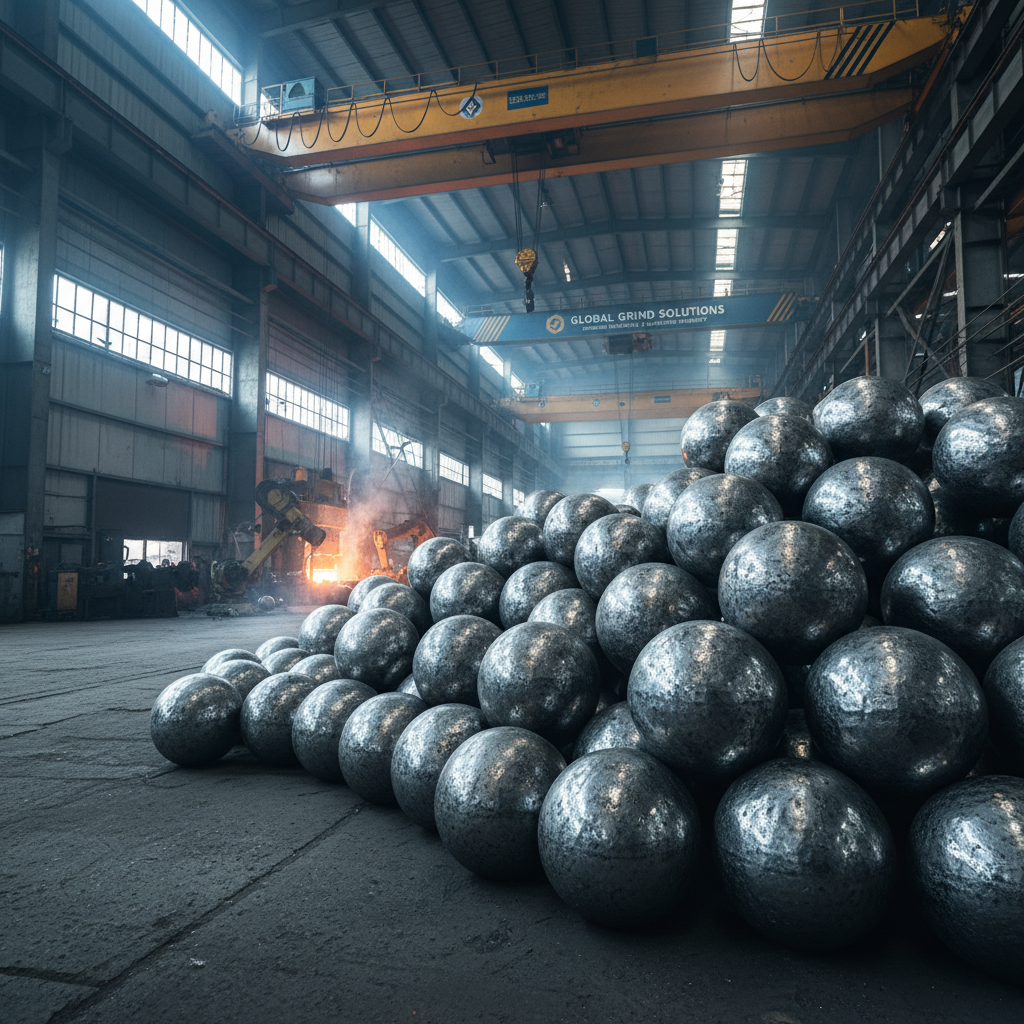
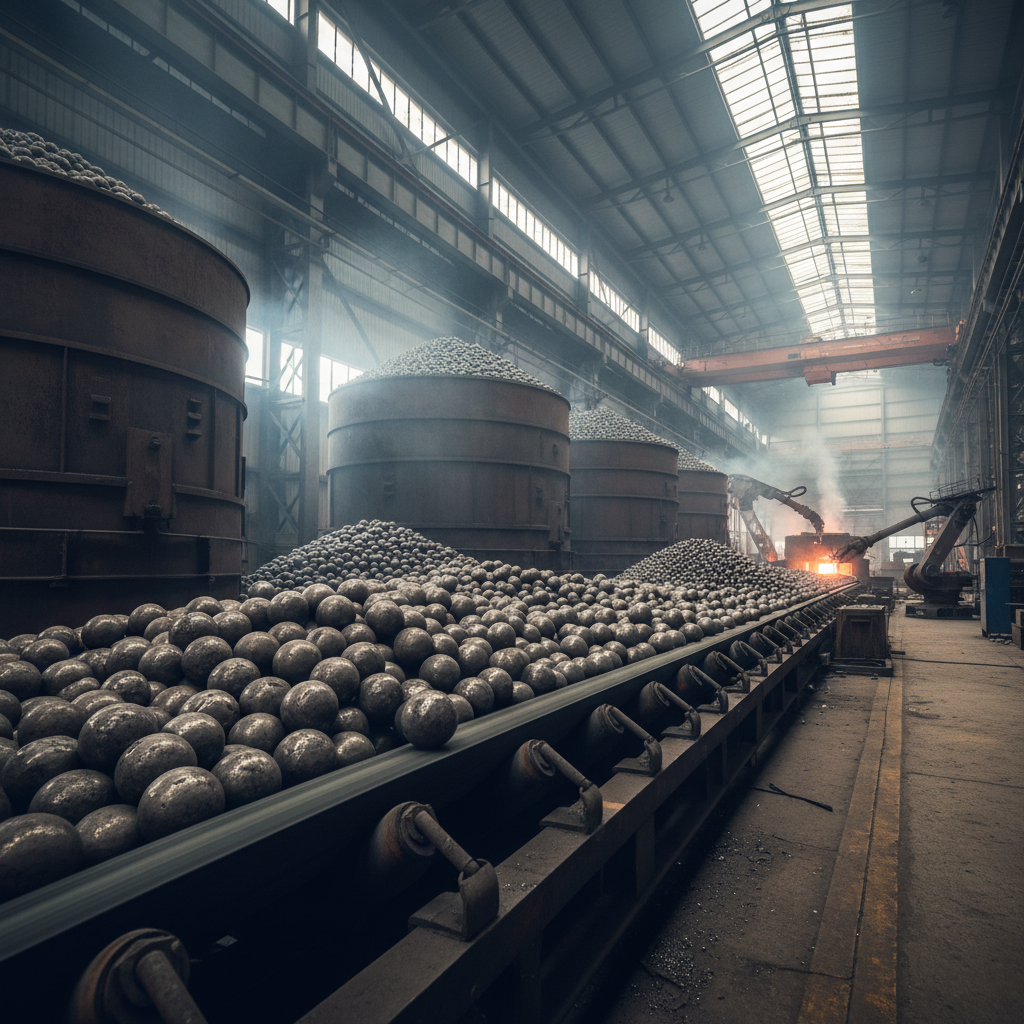
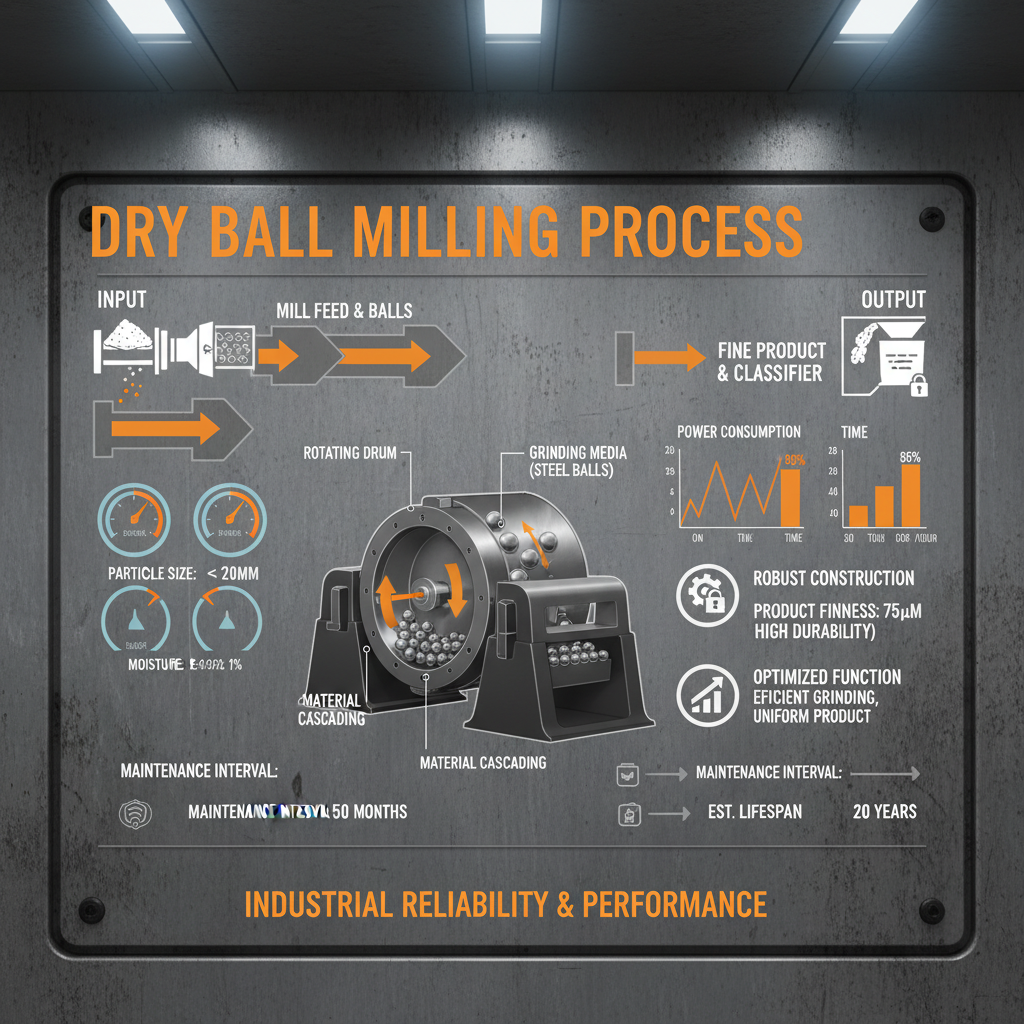
Cast grinding balls are essential components in a vast array of industrial processes, notably in mining, cement production, and power generation. These robust spheres, typically made of high-carbon steel or alloy steel, are used within grinding mills to pulverize raw materials into finer particles. The global demand for these balls is steadily increasing, driven by infrastructure development in emerging economies and the expanding need for efficient material processing. Understanding their composition, applications, and future trends is critical for optimizing operational efficiency and minimizing costs.
The significance of cast grinding balls extends beyond mere material processing; they play a vital role in resource utilization and sustainable industrial practices. Efficient grinding directly impacts energy consumption and material waste, making the choice of grinding media a crucial factor in environmental responsibility. The quality and durability of these balls directly affect the efficiency of entire production lines, impacting profitability and overall industrial output.
Ultimately, advancements in cast grinding ball technology translate to increased productivity, reduced environmental impact, and enhanced economic viability for numerous industries worldwide. Investing in high-quality cast grinding balls isn't simply an expense; it's a strategic investment in long-term operational success.
The Importance of Cast Grinding Balls
Cast grinding balls are indispensable in comminution processes, the reduction of material size. Their impact extends far beyond simply breaking down materials; they directly affect the efficiency, cost-effectiveness, and overall sustainability of numerous industrial operations. Without these seemingly simple components, many vital manufacturing and processing steps would be significantly hampered.
The selection of appropriate cast grinding balls is based on factors like material hardness, density, and chemical composition. These parameters are tuned to the specific application to optimize grinding performance and minimize wear, ultimately contributing to lower operational costs and increased production capacity.
Global Context and Industry Relevance
The global market for cast grinding balls is substantial and growing, mirroring the expansion of mining, cement, and power generation industries worldwide. According to recent industry reports, the market size is projected to reach billions of dollars in the coming years, with Asia-Pacific representing the largest consumer due to rapid infrastructure development. This growth is further fueled by the increasing demand for mineral resources essential for renewable energy technologies.
A key challenge facing the industry is the need to balance performance with cost. While high-quality balls offer superior durability and grinding efficiency, they often come at a premium price. Therefore, manufacturers and operators are constantly seeking innovative solutions to optimize material selection and extend the lifespan of grinding media.
Furthermore, concerns surrounding environmental sustainability are driving demand for more eco-friendly manufacturing processes and materials in the production of cast grinding balls, including the exploration of recycled materials and reduced energy consumption during manufacturing.
Defining Cast Grinding Balls
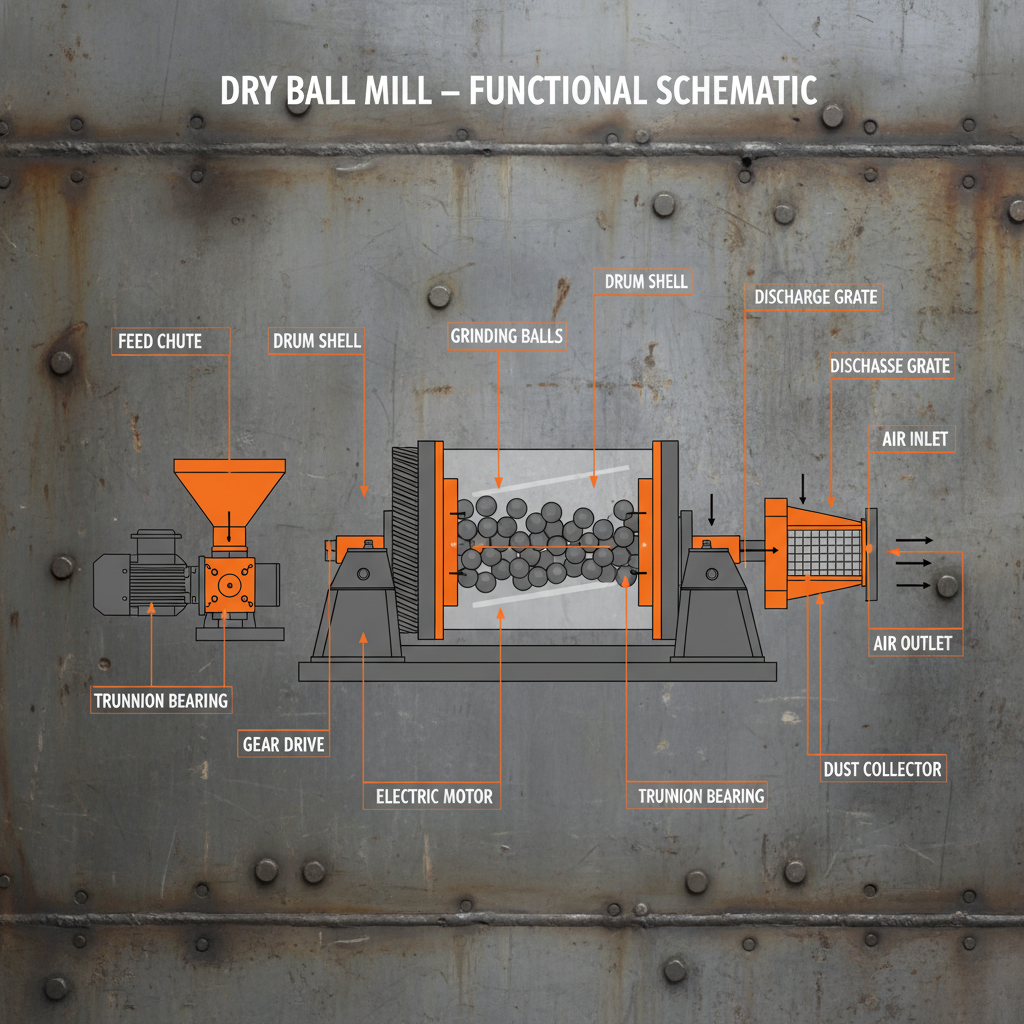
Cast grinding balls are spherical media crafted from various metallic alloys, primarily high-carbon steel, alloy steel, and sometimes cast iron. They are used in grinding mills—large rotating cylinders—along with the material to be processed, typically ores, cement clinker, or coal. The balls cascade within the mill, impacting and crushing the material through a combination of impact and attrition.
Their connection to modern industry is profound. Without efficient comminution, numerous manufacturing processes would be impossible. From producing the cement used in building construction to extracting valuable minerals from ore bodies, cast grinding balls are a foundational element. They are also crucial in the preparation of raw materials for power generation, impacting energy production and infrastructure.
The effectiveness of these balls lies in their ability to withstand repeated impact and abrasion while maintaining their shape and structural integrity. Careful control of the casting process, alloy composition, and heat treatment is essential to achieve the desired hardness, toughness, and wear resistance.
Key Factors Influencing Performance
Several key factors dictate the performance and longevity of cast grinding balls. These elements are carefully considered by manufacturers and operators to ensure optimal grinding efficiency and cost-effectiveness.
These factors include material composition, hardness, diameter, and the specific grinding mill conditions.
Cast Grinding Ball Performance Metrics
Applications Across Industries
The versatility of cast grinding balls is reflected in their widespread use across diverse industries. The mining sector utilizes them extensively for crushing and grinding ores containing valuable metals like gold, copper, and iron. In the cement industry, they are crucial for pulverizing clinker, the primary component of cement.
Power plants rely on grinding balls for preparing coal for combustion, ensuring efficient energy generation. Furthermore, they find applications in the production of pigments, ceramics, and other industrial materials where fine particle size is essential. In remote industrial zones, reliable grinding ball supply is essential for continuous operations.
Advantages and Long-Term Value
Investing in high-quality cast grinding balls yields significant long-term benefits. These advantages extend beyond simple cost savings to include increased productivity, improved product quality, and reduced environmental impact. The durability of premium balls translates to fewer replacements, minimizing downtime and maintenance costs.
From a sustainability perspective, the reduced material consumption and energy expenditure associated with efficient grinding contribute to a smaller environmental footprint. The reliability of these components also enhances operational safety, reducing the risk of equipment failures and potential hazards.
Future Trends and Innovations
The future of cast grinding ball technology is poised for significant innovation. Research and development efforts are focused on exploring new materials with enhanced wear resistance and toughness, such as advanced alloy steels and ceramic composites. Digitalization and automation are also playing an increasing role, with sensors and data analytics being used to monitor ball wear and optimize grinding mill operations.
The integration of green energy technologies into the manufacturing process is another emerging trend, aiming to reduce the carbon footprint associated with grinding ball production. Furthermore, advancements in predictive maintenance techniques are enabling operators to proactively address potential issues, maximizing the lifespan of grinding media and minimizing unexpected downtime.
The shift towards more sustainable and efficient industrial practices will continue to drive innovation in the field of cast grinding balls, leading to improved performance, reduced costs, and a smaller environmental impact.
Analysis of Factors Influencing Cast Grinding Ball Lifespan
| Material Composition |
Mill Operating Conditions |
Ball Loading Rate |
Wear Rate Index (1-10) |
| High-Carbon Steel |
Moderate Speed, Wet Grinding |
25% |
6 |
| Alloy Steel (Cr-Mo) |
High Speed, Dry Grinding |
30% |
4 |
| Cast Iron |
Low Speed, Wet Grinding |
20% |
8 |
| High-Manganese Steel |
Moderate Speed, Dry Grinding |
28% |
5 |
| Chromium White Iron |
Low Speed, Wet Grinding |
22% |
7 |
| Nickel-Chrome Alloy Steel |
High Speed, Wet Grinding |
32% |
3 |
FAQS
Cast grinding balls are most commonly manufactured from high-carbon steel (typically 1.0% to 1.4% carbon) due to its excellent hardness and wear resistance. Alloy steels containing chromium, molybdenum, and nickel are also widely used to enhance toughness and resistance to corrosion. Sometimes, cast iron is used for less abrasive applications, but it wears more quickly.
Determining the optimal size depends on your mill’s diameter, material being ground, and desired particle size. Larger balls provide more impact energy for coarser grinding, while smaller balls are better suited for fine grinding. Generally, ball diameters range from 25mm to 150mm, and a mix of sizes is often used for optimal performance. Consulting with a grinding media specialist is recommended.
The lifespan varies greatly based on factors like material composition, grinding conditions, and the material being processed. It can range from a few weeks to several months. Regular inspection for wear and timely replacement are crucial to maintain grinding efficiency. Implementing a monitoring system and using high-quality cast grinding balls will maximize their lifespan.
Higher material hardness generally translates to better wear resistance, meaning the balls will last longer. However, excessive hardness can lead to brittleness and increased risk of fracture under impact. Striking a balance between hardness and toughness is key. Different alloys are chosen based on the abrasive properties of the material being ground.
Yes, manufacturers are increasingly exploring the use of recycled materials in the production of grinding balls. Additionally, optimized alloy compositions and manufacturing processes can reduce energy consumption during production. Selecting balls from manufacturers committed to sustainable practices is a good way to reduce your environmental impact.
Ball charge volume – the percentage of the mill volume occupied by balls – significantly affects grinding efficiency. Too low a charge reduces grinding action, while too high a charge can hinder ball movement and increase power consumption. The optimal charge volume typically ranges between 25% and 40%, depending on the specific application and mill design.
Conclusion
In conclusion, cast grinding balls are critical components underpinning a vast range of industrial processes. Their performance directly impacts efficiency, cost-effectiveness, and sustainability across sectors like mining, cement production, and power generation. Selecting the right material, size, and charge volume, alongside regular monitoring and maintenance, are paramount to maximizing their lifespan and minimizing operational costs.
Looking ahead, innovation in materials science and manufacturing techniques promises to deliver even more durable, efficient, and eco-friendly grinding ball solutions. Investing in high-quality cast grinding balls isn’t merely an expense—it’s a strategic investment in long-term operational success and sustainable industrial practices.