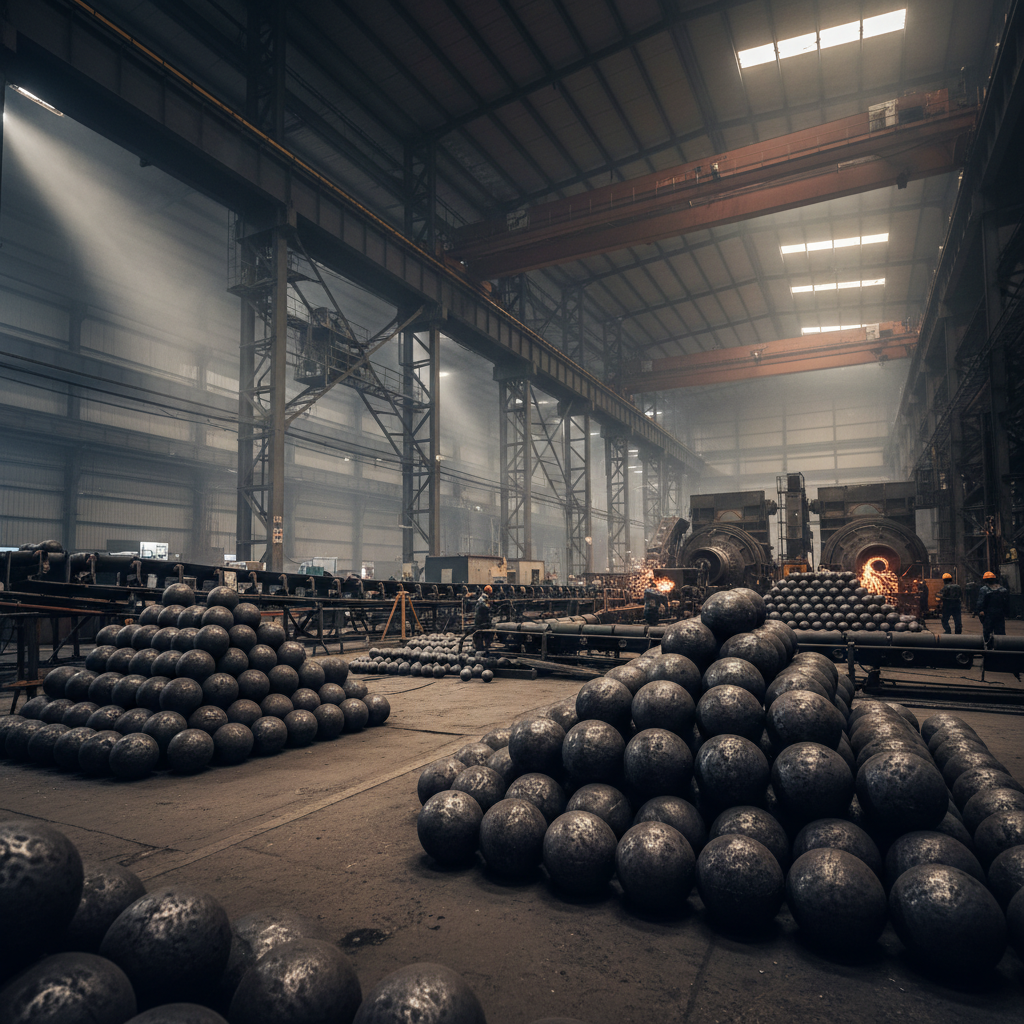
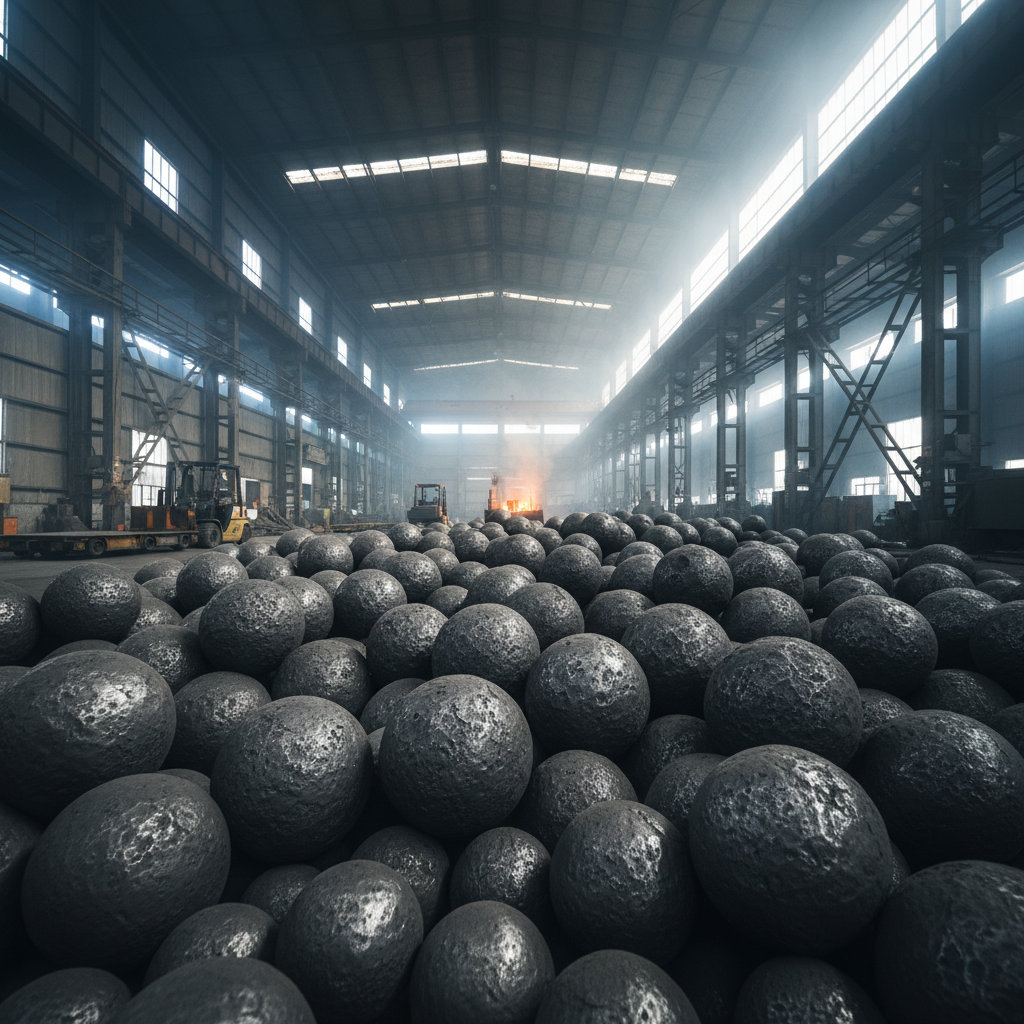
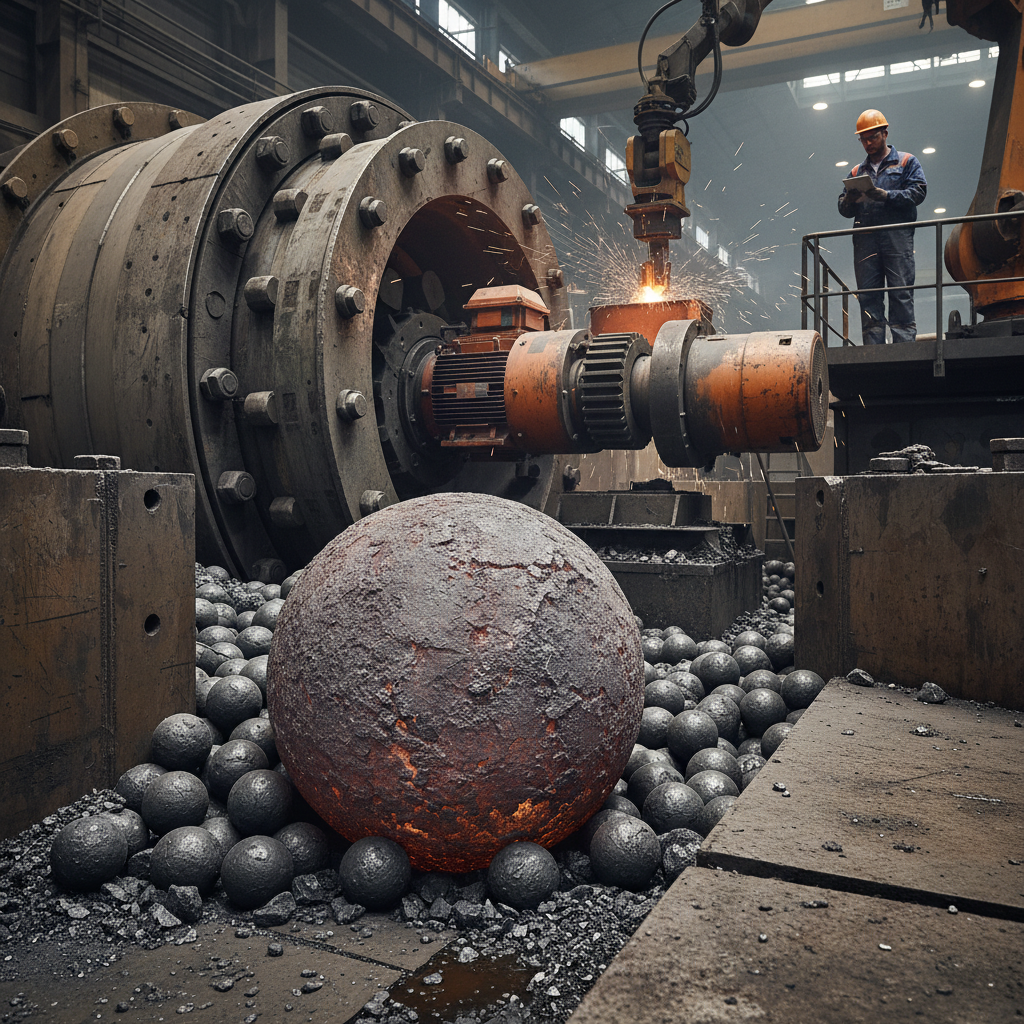
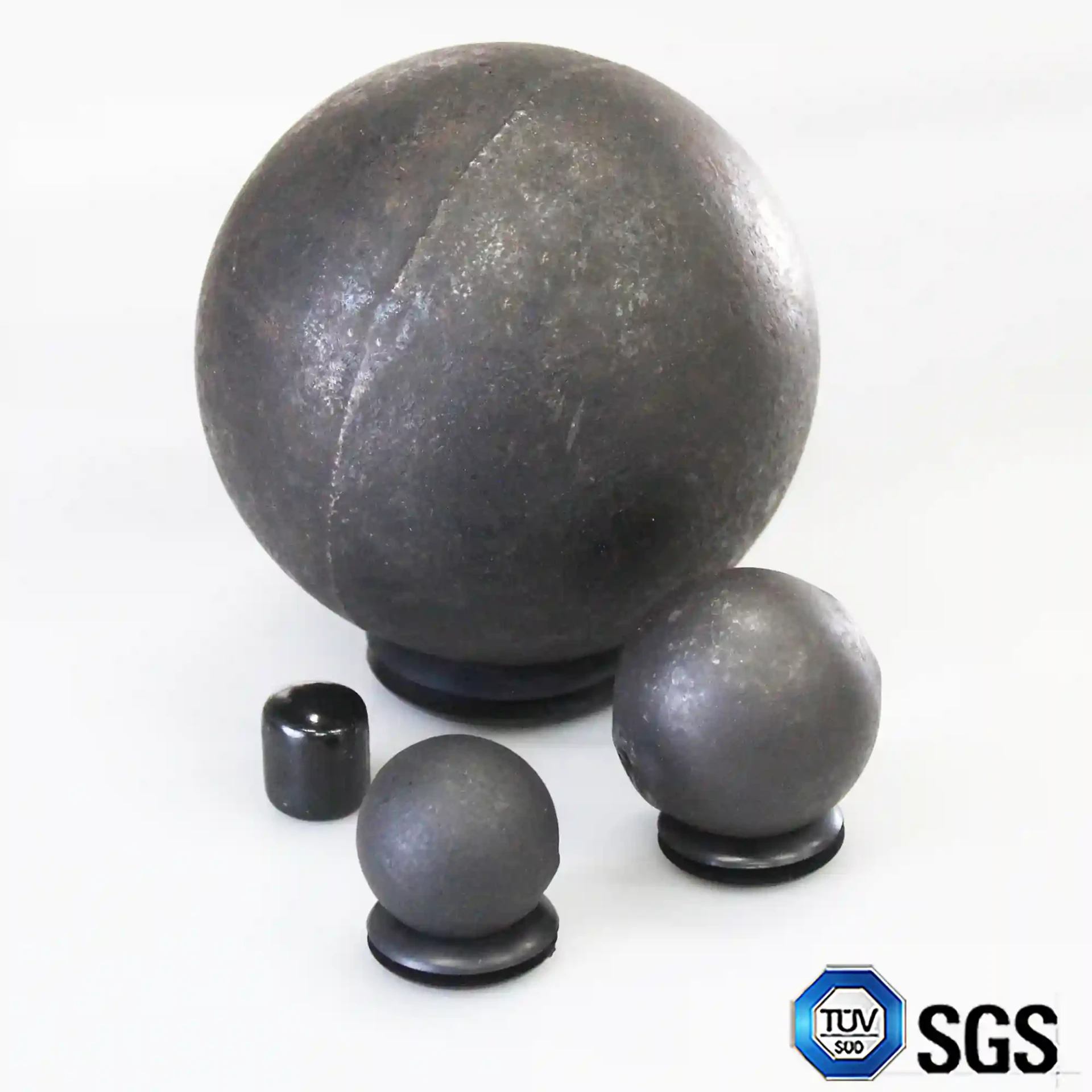
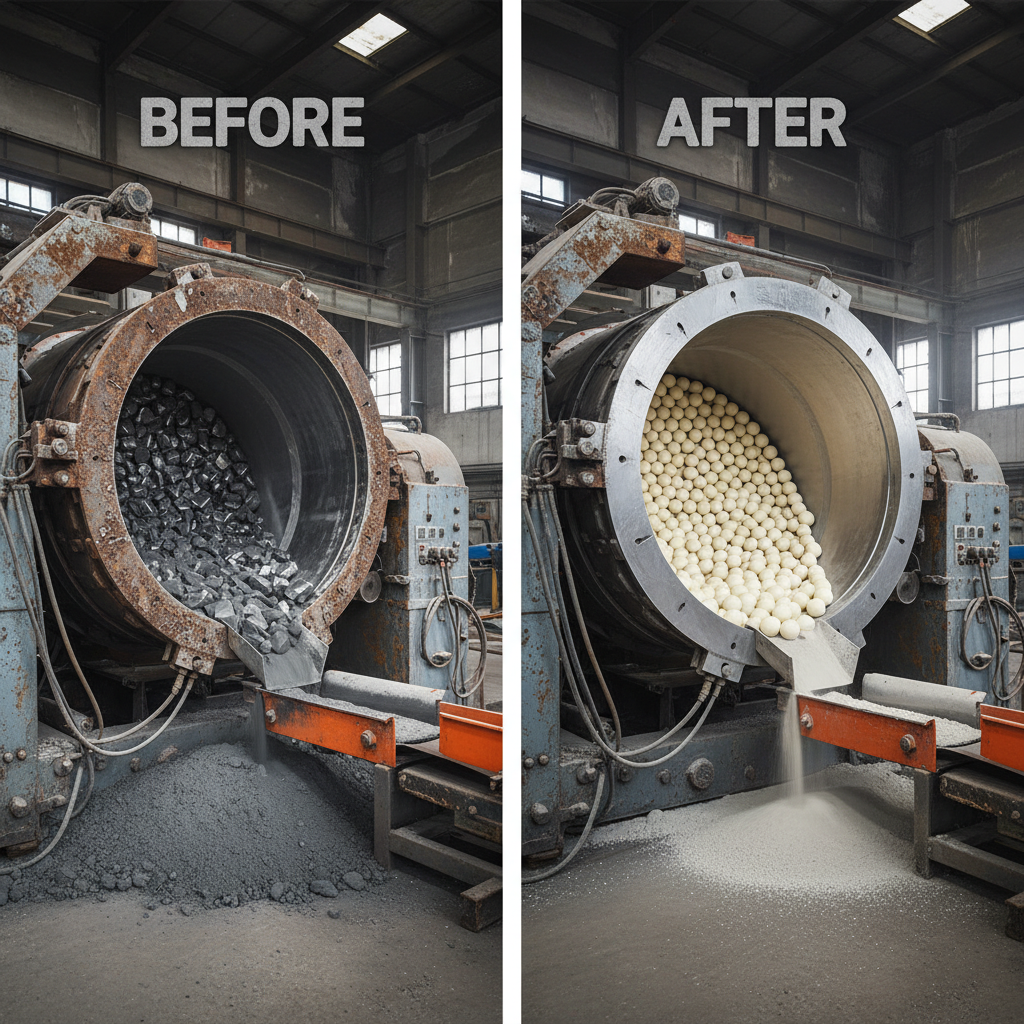
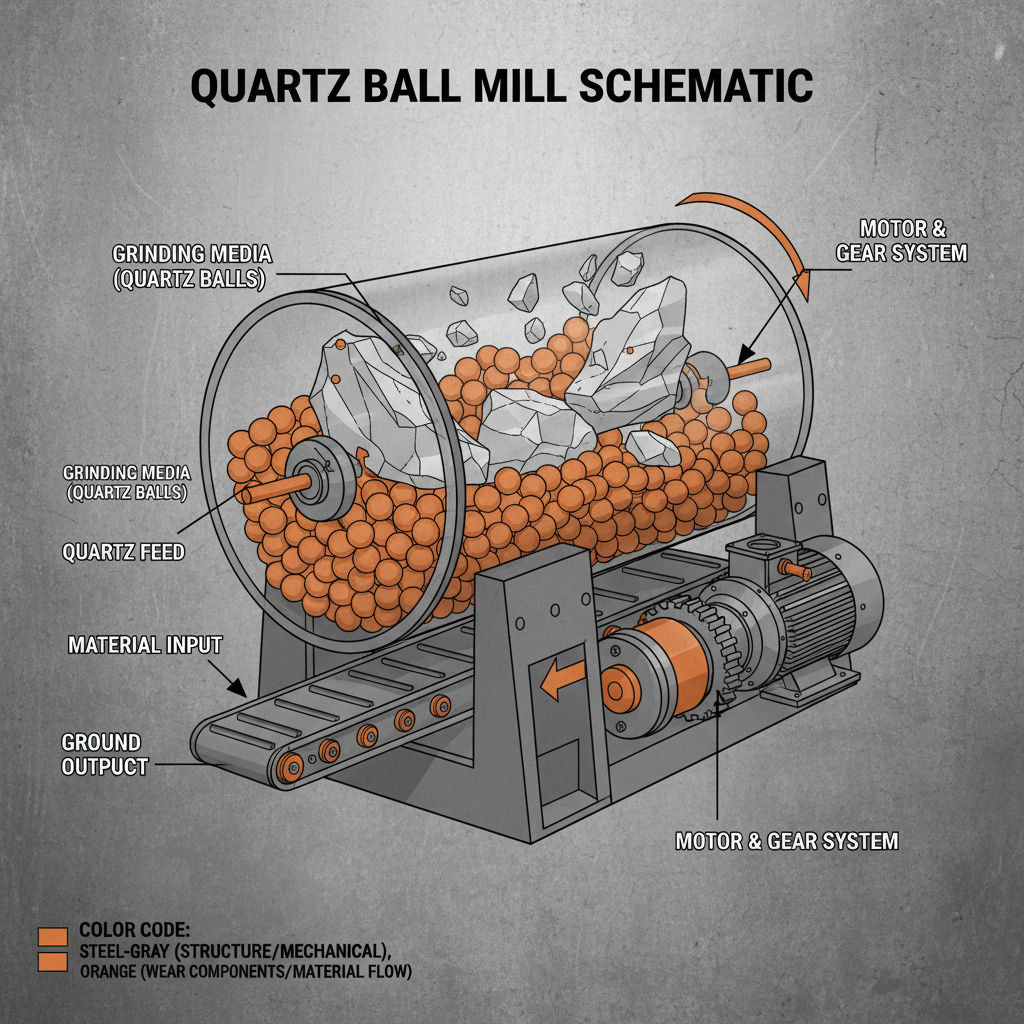
Cast iron grinding balls are essential components in a vast array of industrial processes, playing a critical role in achieving precise material size reduction and homogenization. From mineral processing and cement manufacturing to ceramic production and even pyrotechnics, these seemingly simple spheres are integral to countless applications worldwide. Understanding their properties, manufacturing processes, and optimal usage is paramount for maximizing efficiency and product quality across diverse industries.
The global demand for cast iron grinding balls is substantial, driven by continued growth in mining, construction, and manufacturing sectors, particularly in emerging economies. Reports from the World Bank and UNIDO highlight consistent increases in raw material processing activity, fueling the need for effective grinding media. However, challenges exist in maintaining consistent quality, optimizing material composition for specific applications, and reducing the environmental impact of production.
Essentially, cast iron grinding balls are spherical media used in grinding mills to crush, grind, and blend materials. They act as the workhorses within these mills, impacting and shearing materials to achieve the desired particle size distribution. Their durability and relatively low cost make them a widely preferred choice over alternative grinding media, despite ongoing research into more advanced materials.
Introduction to cast iron grinding balls
The foundational aspect of utilizing cast iron grinding balls lies in their robust construction and ability to withstand the intense stresses generated within a grinding mill. They are manufactured through a carefully controlled casting process, often using specific alloy compositions to optimize hardness, toughness, and wear resistance. cast iron grinding balls are a cost-effective solution for a wide range of grinding applications.
Furthermore, the selection of the appropriate size and composition of cast iron grinding balls is critical for achieving optimal grinding efficiency. Factors such as the material being ground, the mill type, and the desired particle size distribution all influence this selection process. Incorrect ball sizing or composition can lead to reduced grinding performance, increased wear, and ultimately, higher operating costs.
The Global Relevance of cast iron grinding balls
The demand for cast iron grinding balls is intricately linked to the health of global industries like mining, cement production, and power generation. Rapid industrialization in developing nations like China, India, and Brazil has significantly increased the demand for these balls. According to a 2023 market report, the global grinding media market (which includes cast iron grinding balls) is projected to reach $4.5 billion by 2028, exhibiting a CAGR of 3.8% from 2023 to 2028.
This growth isn't merely quantitative; it’s also qualitative. There’s an increasing demand for higher-quality, more durable grinding balls that can withstand the rigors of modern grinding processes and contribute to more sustainable operations. The mining sector, in particular, is under pressure to improve its environmental footprint, driving the need for more efficient grinding processes that reduce energy consumption and waste generation.
The availability and cost-effectiveness of cast iron grinding balls make them a cornerstone of many resource-intensive industries. Disruptions in supply chains, geopolitical instability, and fluctuations in raw material prices can all have a significant impact on these industries, highlighting the strategic importance of a reliable supply of high-quality grinding media.
Defining cast iron grinding balls
Cast iron grinding balls are essentially spherical components crafted from various grades of cast iron, designed to be used as the grinding media within ball mills, rod mills, and other similar grinding equipment. They function by cascading and colliding with the material being processed, progressively reducing its particle size through impact and attrition.
The composition of the cast iron used to manufacture these balls varies depending on the intended application. Common alloying elements include carbon, silicon, manganese, sulfur, and phosphorus. High-carbon cast iron is typically used for its hardness and wear resistance, while other alloys may be added to improve toughness or corrosion resistance. cast iron grinding balls are integral to modern industry.
Their connection to modern industry and humanitarian needs stems from their role in preparing raw materials for countless products and processes. From extracting valuable minerals from ore to producing the cement used in infrastructure development, cast iron grinding balls contribute to the fundamental building blocks of modern society.
Key Properties of cast iron grinding balls
Durability is paramount when considering cast iron grinding balls. They must withstand continuous impact and friction within the mill without fracturing or excessive wear. This durability is directly related to the chemical composition of the cast iron, the casting process used, and any subsequent heat treatment applied.
Hardness is another critical property, as it determines the ball’s ability to effectively fracture and shear the material being ground. Higher hardness generally equates to faster grinding rates, but it can also lead to increased brittleness. Finding the optimal balance between hardness and toughness is crucial.
Comparative Analysis of cast iron grinding balls Properties
Global Applications and Use Cases
Cast iron grinding balls find extensive use in the mining industry for processing ores like iron ore, copper ore, and gold ore. They are crucial in liberating valuable minerals from their surrounding rock matrix, enabling efficient extraction and refining. In cement manufacturing, they are utilized to grind clinker, the primary component of cement, into a fine powder.
The ceramic industry also relies heavily on cast iron grinding balls for milling raw materials and glaze components to achieve the desired consistency and particle size. Furthermore, they are employed in the production of paints, pigments, and other chemical products. Even in niche applications like the production of pyrotechnics, these balls play a role in grinding and mixing the necessary chemical compounds.
Advantages and Long-Term Value
The primary advantage of cast iron grinding balls is their cost-effectiveness. Compared to alternative grinding media like ceramic or hardened steel balls, cast iron provides a significant economic benefit, particularly for large-scale operations. This lower cost translates to reduced operational expenses and increased profitability.
Beyond cost, cast iron grinding balls offer a balance of durability and performance that makes them well-suited for a wide range of applications. Their relatively simple manufacturing process also contributes to their consistent availability and reliable supply. Utilizing cast iron grinding balls offers a sustainable long-term solution.
Future Trends and Innovations
Ongoing research focuses on developing new cast iron alloys with enhanced properties, such as increased hardness, improved toughness, and enhanced corrosion resistance. These advancements aim to extend the lifespan of the balls, reduce wear rates, and improve grinding efficiency.
Another trend is the integration of digital technologies into the grinding process, including sensors and data analytics to monitor ball wear, optimize mill operation, and predict maintenance needs. The incorporation of automation and artificial intelligence (AI) is expected to further enhance the efficiency and reliability of grinding operations in the future.
Challenges and Solutions
A significant challenge with cast iron grinding balls is their susceptibility to wear, which can lead to reduced grinding efficiency and the generation of fines (small particles). This wear is exacerbated by abrasive materials and high-impact grinding conditions.
Solutions include employing specialized coatings to enhance wear resistance, optimizing mill operating parameters to minimize impact forces, and implementing regular ball screening and replacement programs. Advanced material science research is also exploring the development of new cast iron alloys with superior wear characteristics and longer service lives.
Another challenge is the environmental impact of cast iron production. Implementing sustainable manufacturing practices, such as utilizing recycled materials and reducing energy consumption, is crucial for minimizing the carbon footprint associated with cast iron grinding ball production.
Summary of Challenges and Solutions for cast iron grinding balls
| Challenge |
Impact on Operations |
Proposed Solution |
Implementation Difficulty (1-10) |
| High Wear Rate |
Reduced Grinding Efficiency, Increased Fines |
Wear-Resistant Coatings & Alloy Optimization |
6 |
| Material Fracturing |
Contamination of Ground Product |
Improved Casting Process Control & Heat Treatment |
7 |
| Corrosion in Wet Grinding |
Reduced Ball Lifespan & Metal Contamination |
Corrosion-Inhibiting Alloy Additives |
5 |
| Inconsistent Ball Size |
Uneven Grinding Performance |
Precision Casting Techniques & Quality Control |
4 |
| Environmental Impact of Production |
Carbon Footprint & Resource Depletion |
Recycled Materials & Energy-Efficient Processes |
8 |
| Supply Chain Disruptions |
Production Delays & Increased Costs |
Diversified Sourcing & Local Production |
9 |
FAQS
The lifespan of cast iron grinding balls in a cement mill is highly variable, typically ranging from 3 to 12 months, depending on factors like mill load, material abrasiveness, ball size, and alloy composition. Regular monitoring of ball charge levels and wear rates is essential for optimizing replacement schedules and minimizing downtime. Frequent ball analysis helps determine if adjustments to the alloy or operating parameters are needed to improve longevity.
Selecting the appropriate ball size is crucial for efficient grinding. Generally, a mix of ball sizes is used to maximize grinding surface area and optimize particle size reduction. Larger balls provide more impact force, while smaller balls fill the voids between larger ones and contribute to finer grinding. The specific ratio of ball sizes depends on the material being ground, the mill type, and the desired product particle size. Consult with a grinding media specialist for tailored recommendations.
While cast iron is recyclable, the production process can have environmental impacts. Choosing suppliers committed to sustainable manufacturing practices, such as using recycled materials and minimizing energy consumption, is crucial. Additionally, proper handling and disposal of spent grinding balls are essential to prevent environmental contamination. Exploring alternative, more sustainable grinding media options is also an ongoing effort.
Premature wear can be caused by several factors, including abrasive materials, excessive mill speed, improper ball charge levels, and inadequate lubrication. Contamination of the grinding charge with foreign objects can also accelerate wear. Regular mill inspections and maintenance, along with careful monitoring of operating parameters, are essential for identifying and addressing these issues.
The alloy composition significantly impacts the ball’s hardness, toughness, and wear resistance. High-carbon cast iron offers excellent hardness but can be brittle. Adding alloying elements like manganese, chromium, and nickel can improve toughness and corrosion resistance. Selecting the appropriate alloy composition depends on the specific application and the characteristics of the material being ground.
Heat treatment is a critical step in the manufacturing process, influencing the microstructure and mechanical properties of the cast iron. Processes like quenching and tempering can enhance hardness, toughness, and wear resistance. Proper heat treatment ensures the balls can withstand the stresses and impacts encountered within the grinding mill, prolonging their service life and improving grinding efficiency.
Conclusion
In conclusion, cast iron grinding balls remain a fundamental component in countless industrial processes, offering a cost-effective and reliable solution for material size reduction. Their enduring relevance stems from their robust construction, adaptability to diverse applications, and ongoing advancements in material science and manufacturing techniques. Understanding their properties, optimizing their usage, and embracing sustainable production practices are crucial for maximizing their value and minimizing their environmental impact.
Looking ahead, continued innovation in alloy development, process control, and digital monitoring will further enhance the performance and longevity of cast iron grinding balls. Investing in research and development, coupled with a commitment to sustainable manufacturing, will ensure that these essential components continue to play a vital role in shaping a more efficient and sustainable industrial future.