
Mar . 26, 2026 02:15 Back to list
Exploring Carbon Manganese Alloys Properties Applications and Global Trade
Carbon Manganese: Properties, Applications, and Global Trade
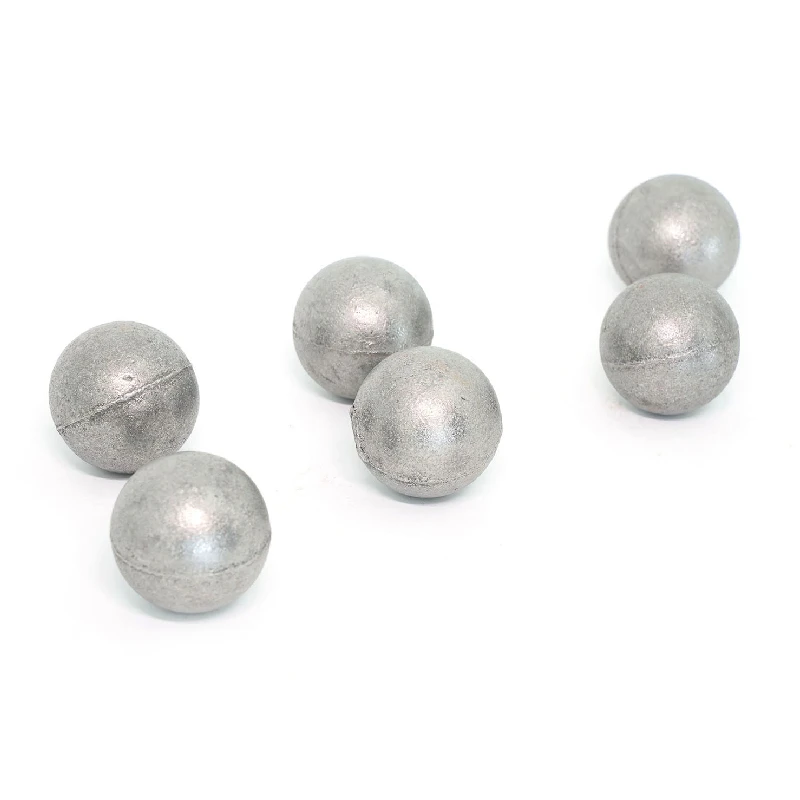
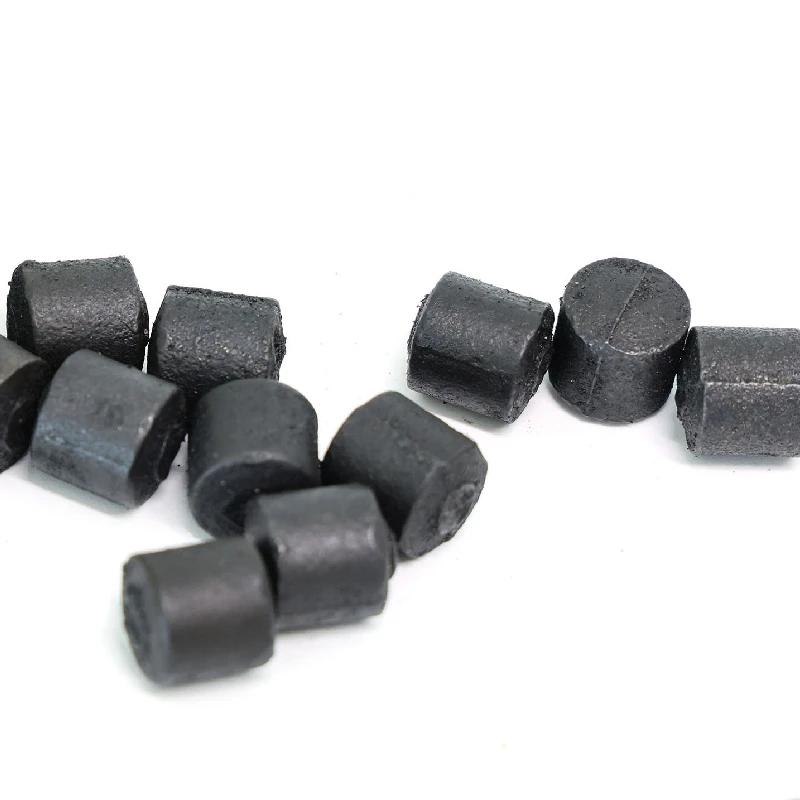
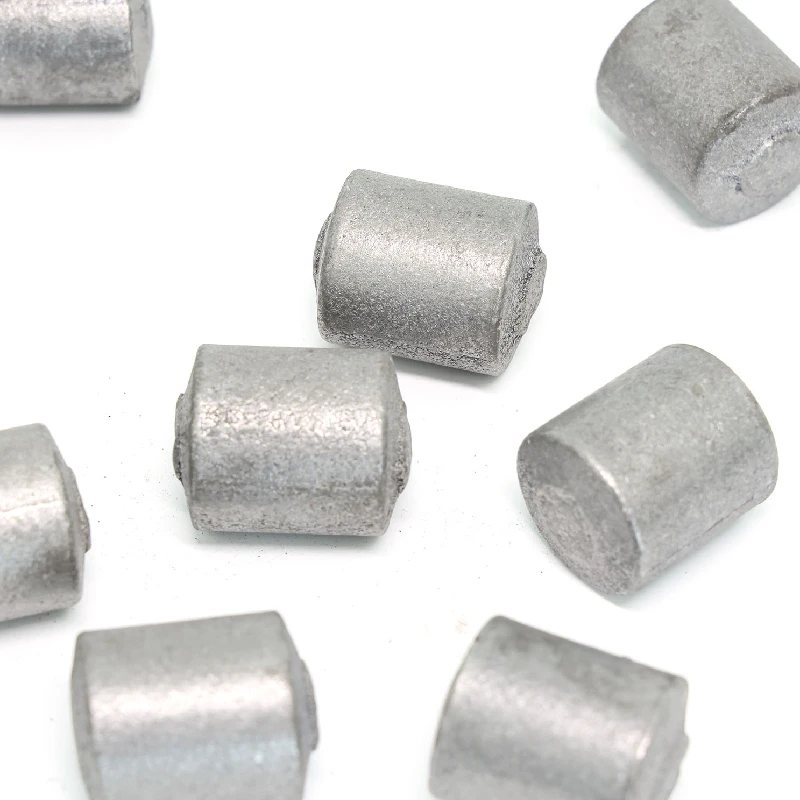
Carbon manganese alloys represent a crucial segment within the metallurgical industry, renowned for their enhanced strength, hardness, and wear resistance compared to pure carbon steel. These alloys find extensive application across diverse sectors, including automotive, construction, and manufacturing. Understanding the properties, production methods, and global trade dynamics of carbon manganese is essential for businesses involved in sourcing or utilizing these materials. Chengda specializes in providing high-quality carbon manganese products tailored to meet specific industrial requirements.
The Fundamentals of Carbon Manganese Alloys
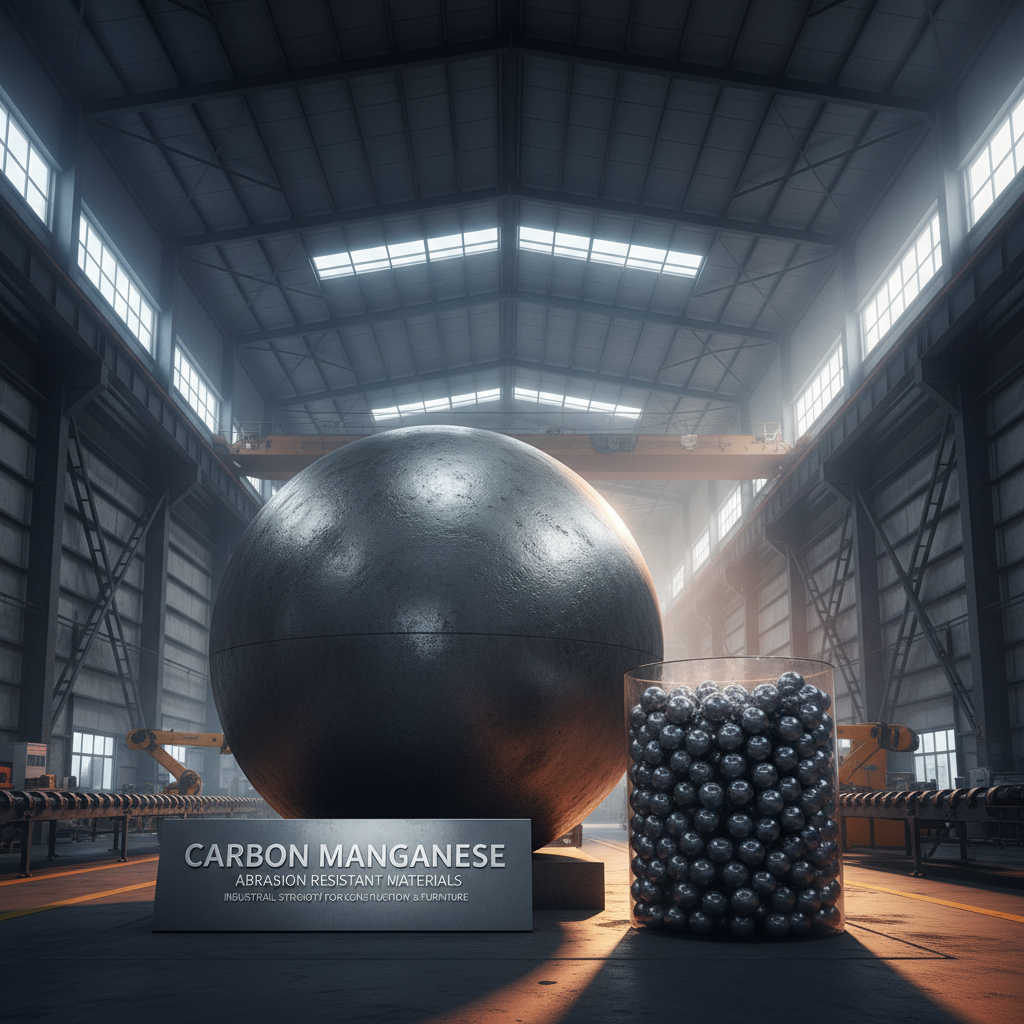
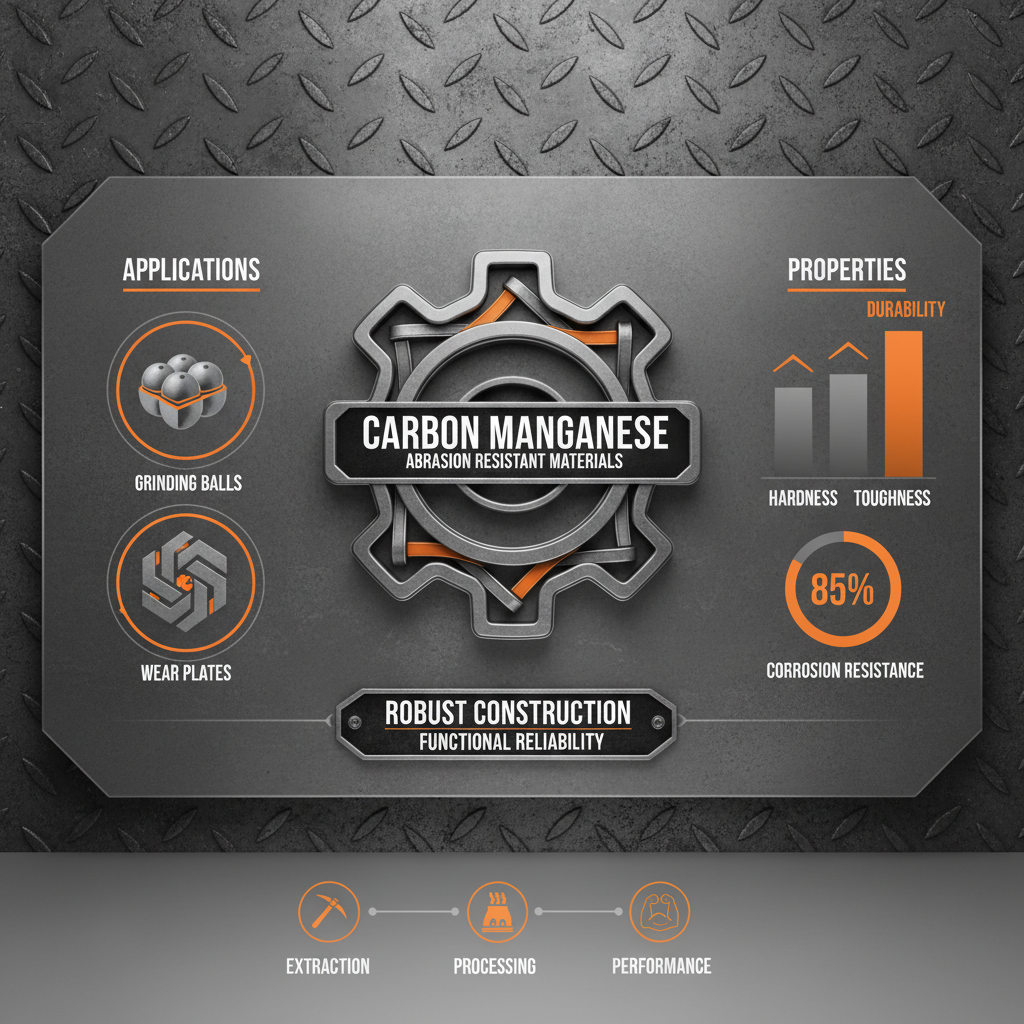
Carbon manganese alloys are primarily composed of iron, carbon, and manganese. The addition of manganese significantly enhances the steel’s hardenability, strength, and toughness. The specific percentage of manganese dictates the alloy’s properties. Generally, manganese content ranges from 0.7% to 14%, leading to a spectrum of alloys with varying characteristics. Manganese acts as a deoxidizer during steelmaking, neutralizing the detrimental effects of oxygen and sulfur, thereby improving the quality and structural integrity of the final product. This makes carbon manganese alloys preferable in applications requiring high durability and resistance to cracking.
Key Highlights: Manganese enhances hardenability, strength, and toughness. Acts as a deoxidizer, improving steel quality.
Different Grades of Carbon Manganese Alloys
Various grades of carbon manganese alloys are available, each tailored to specific applications. These are categorized by their manganese content and resulting mechanical properties. High-manganese steel, containing 12-14% manganese, boasts exceptional wear resistance, making it ideal for applications like rock crushers, railway frogs, and earthmoving equipment. Medium-manganese steel (5-9% manganese) is commonly utilized in structural components requiring increased strength and toughness. Low-manganese steel (less than 5% manganese) is often used in general engineering applications. Choosing the appropriate grade depends on the required balance of strength, hardness, ductility, and cost-effectiveness.
Manganese Content & Properties:
• High Manganese (12-14%): Exceptional wear resistance.
• Medium Manganese (5-9%): Increased strength & toughness.
• Low Manganese (Less than 5%): General engineering applications.
Applications of Carbon Manganese in Key Industries
The versatility of carbon manganese alloys has cemented their importance across several industries. In the automotive sector, these alloys are used in the production of engine components, chassis parts, and wear-resistant gears. The construction industry leverages their strength and durability in reinforcing bars, structural steel, and heavy machinery. Manufacturing benefits from their high wear resistance in tools, dies, and molds. Railway infrastructure employs high-manganese steel for railway tracks, frogs, and crossings, capitalizing on its ability to withstand heavy loads and repeated impact.
Global Trade Dynamics and Key Suppliers
The global trade of carbon manganese alloys is dominated by countries with robust steelmaking capabilities, including China, India, Russia, and Japan. These nations not only consume significant volumes domestically but also export to meet the demands of industries worldwide. The demand for these alloys is closely linked to global economic growth, particularly in developing economies where infrastructure development and manufacturing are expanding rapidly. China remains the largest producer and exporter, influencing global pricing and supply chains. Sourcing from reputable suppliers like Chengda ensures quality, reliability, and competitive pricing.
Product Specifications and Quality Control
Ensuring the quality of carbon manganese alloys is paramount. Chengda implements rigorous quality control procedures throughout the production process, from raw material selection to final product inspection. This includes chemical composition analysis, mechanical property testing (tensile strength, yield strength, elongation), and microstructural examination. Adherence to international standards, such as ASTM and EN, is strictly maintained. Below is a representative example of a product specification table:
Conclusion: Partnering for Quality Carbon Manganese Solutions
Choosing a reliable supplier of carbon manganese alloys is crucial for optimizing performance and ensuring product integrity. Chengda provides a comprehensive range of high-quality alloys, backed by stringent quality control and dedicated customer support. We are committed to delivering solutions that meet your specific needs and contribute to your success.
Frequently Asked Questions (FAQs)
What are the primary benefits of using carbon manganese alloys?
Carbon manganese alloys offer a significant upgrade over standard carbon steel due to their increased strength, hardness, and wear resistance. The addition of manganese improves hardenability, making them ideal for applications subjected to high stress and abrasion. They also exhibit enhanced toughness, reducing the risk of fracture. Furthermore, manganese acts as a deoxidizer, improving the steel's overall quality and weldability. Selecting these alloys can extend the lifespan of components, reduce maintenance costs, and improve overall operational efficiency.
How does manganese content affect the alloy’s properties?
The amount of manganese directly influences the alloy’s characteristics. Higher manganese content (12-14%) leads to exceptional wear resistance and is beneficial for applications involving heavy impact. Medium manganese content (5-9%) strikes a balance between strength and toughness, making it suitable for structural components. Lower manganese content (less than 5%) improves machinability and is often used in general engineering applications. Careful selection of the manganese percentage is crucial for achieving the desired mechanical properties.
What industries commonly use carbon manganese alloys?
A wide range of industries utilize carbon manganese alloys. These include automotive (engine components, chassis), construction (reinforcing bars, structural steel), manufacturing (tools, dies), railway (tracks, frogs), mining (crushers, wear plates), and oil & gas (pipelines, drilling equipment). Any application requiring high strength, wear resistance, and durability can benefit from using these alloys.
Where can I source high-quality carbon manganese alloys?
Chengda is a leading supplier of high-quality carbon manganese alloys. We offer a comprehensive range of grades and sizes, with stringent quality control measures to ensure consistent performance. Our team provides expert advice and support to help you select the right alloy for your specific application.
-
Industrial Guide to Ferro Manganese Medium Carbon for Steel Production
NewsApr.16,2026
-
Professional Guide and Best Practices for drilling manganese steel
NewsApr.09,2026
-
Comprehensive Guide to DIN 1.3401 Stainless Steel Properties and Applications
NewsApr.07,2026
-
Optimizing Crusher Performance with Durable Manganese Alloys and Steel
NewsApr.04,2026
-
Comprehensive Guide to Chrome Manganese Steel Properties and Industrial Applications
NewsMar.31,2026
-
Understanding the Properties and Applications of Cast Manganese Steel
NewsMar.28,2026