Apr . 04, 2026 02:25 Back to list
Optimizing Crusher Performance with Durable Manganese Alloys and Steel
Crusher Manganese: A Comprehensive Guide
Manganese is a crucial alloying element in the production of steel used for crusher components. Its addition significantly enhances the hardness, toughness, and wear resistance of these parts, especially those directly involved in material reduction. This article provides an in-depth look at the role of manganese in crusher applications, its different forms, benefits, and considerations for optimal performance. Understanding the impact of manganese on crusher efficiency and longevity is vital for maximizing operational effectiveness and minimizing downtime.
The Role of Manganese in Crusher Steel
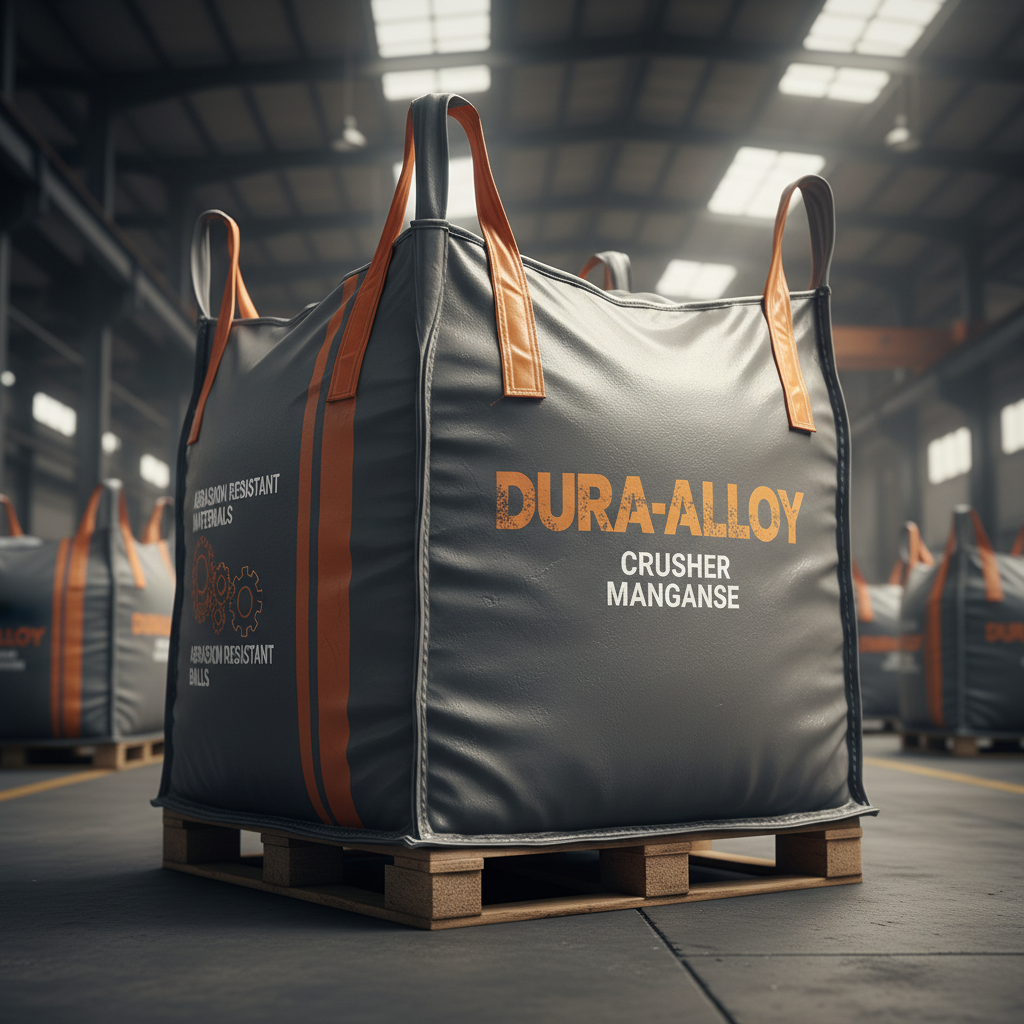
Manganese acts as a deoxidizer and desulfurizer during the steelmaking process, improving its overall quality and reducing the presence of harmful impurities. More importantly, it forms manganese carbides, which are incredibly hard and contribute to wear resistance in crusher components like jaw plates, cone liners, and impactor hammers. Different percentages of manganese result in different steel properties, catering to diverse crushing applications. The right manganese content is paramount for ensuring prolonged crusher life and consistent performance.
Key Highlights: Manganese carbides contribute significantly to the hardness and wear resistance of crusher components, extending their operational lifespan and minimizing maintenance costs.
Types of Manganese Alloys Used in Crushers
Several manganese alloys are commonly used in crusher manufacture, each offering specific properties. High-manganese steel (Hadfield steel) containing 12-14% manganese is particularly prevalent. This steel exhibits the work-hardening property – it becomes harder and more wear-resistant with use. Other forms include manganese alloys with additions of chromium, nickel, and molybdenum to further enhance specific characteristics like toughness and corrosion resistance. Selecting the appropriate alloy depends on the specific crushing task and the materials being processed.
Manganese Alloy Benefits:
• Increased Hardness and Wear Resistance
• Enhanced Toughness and Impact Strength
• Improved Work-Hardening Properties
• Enhanced Corrosion Resistance (with alloy additions)
Crusher Manganese Content vs. Performance
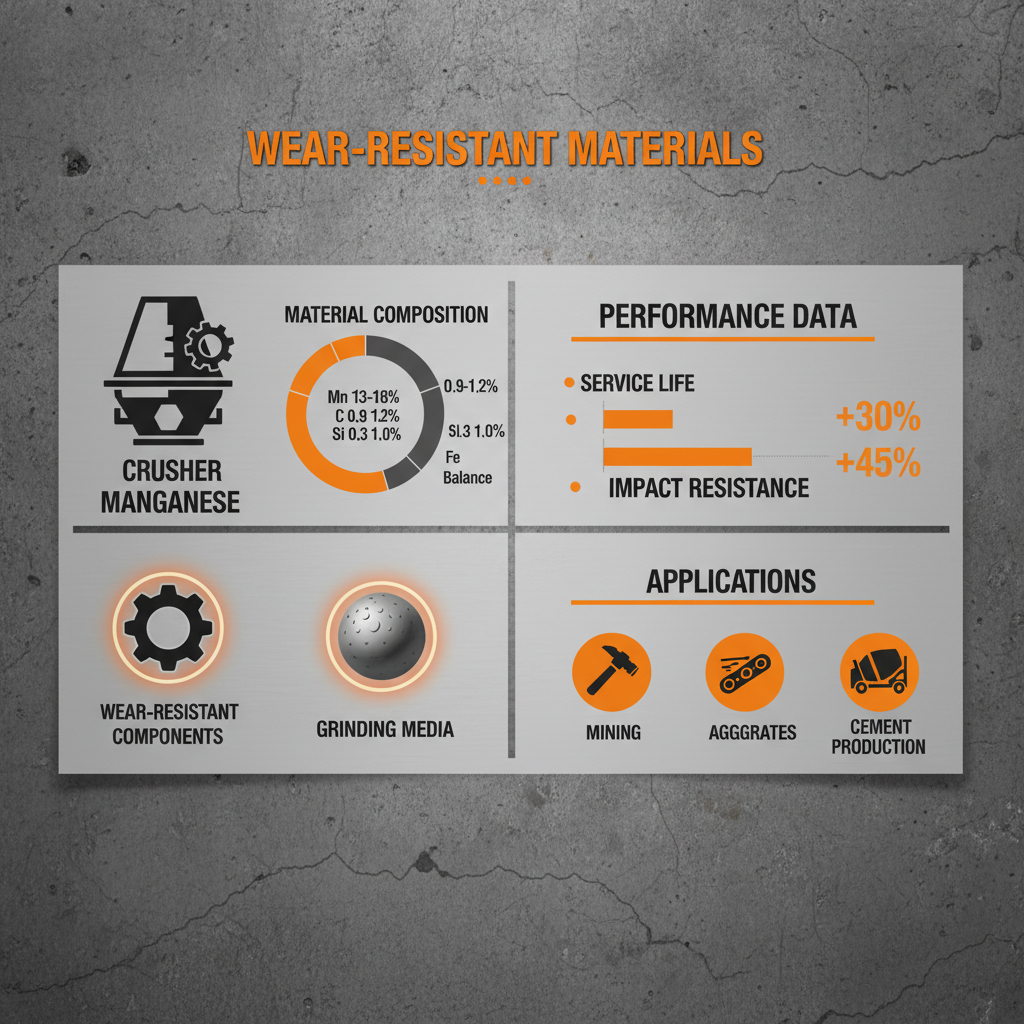
The percentage of manganese in the crusher steel directly correlates with its performance characteristics. Lower manganese content (around 3-5%) offers good weldability and toughness, suitable for less abrasive applications. Medium manganese content (8-12%) provides a balance of strength, toughness, and wear resistance, commonly used in general-purpose crushers. High manganese content (12-14%+) delivers exceptional wear resistance, ideal for processing highly abrasive materials like granite and basalt. This is where Hadfield steel excels.
Selecting the Right Crusher Manganese for Your Operation
Choosing the correct manganese content for your crusher components requires careful consideration of the material being processed, the application, and your budget. Chengda offers a comprehensive range of crusher parts manufactured with various manganese alloys to suit diverse needs. Our experienced engineers can assist you in selecting the optimal alloy for your specific requirements, maximizing crusher performance and minimizing operational costs. It's important to analyze the abrasion index of your feed material and consult with a materials specialist to ensure the best possible outcome.
Conclusion: Optimizing Crusher Performance with Manganese
Manganese is an indispensable element in crusher steel, providing the necessary hardness, toughness, and wear resistance to withstand the rigors of material reduction. By understanding the different types of manganese alloys and their respective properties, operators can optimize crusher performance, extend component life, and reduce overall operating costs. Investing in high-quality crusher parts from a reputable manufacturer like Chengda ensures you receive the right solution for your specific needs.
Frequently Asked Questions (FAQs)
What is Hadfield steel, and why is it used in crushers?
Hadfield steel is a high-manganese steel alloy (typically 12-14% manganese) renowned for its work-hardening properties. This means the steel becomes harder and more wear-resistant as it's subjected to impact and abrasion. It’s incredibly well-suited for crusher components due to its ability to withstand the intense stresses of crushing operations. This self-strengthening capability significantly extends the lifespan of parts like jaw plates and cone liners, reducing downtime and maintenance costs. It’s a preferred material in situations where highly abrasive materials are being processed.
How does manganese content affect the weldability of crusher parts?
Higher manganese content generally reduces weldability. The higher the manganese percentage, the more challenging it becomes to achieve a strong and durable weld. This is because manganese influences the steel's microstructure and can lead to cracking during the welding process. Therefore, selecting the appropriate welding techniques and filler materials is crucial when repairing or fabricating crusher components made from high-manganese steel. Lower manganese steels offer better weldability, but at the cost of reduced wear resistance.
What should I consider when choosing a manganese alloy for my crusher?
Several factors should be considered, including the type of material being crushed (abrasiveness, hardness), the crushing application (primary, secondary, tertiary), the desired lifespan of the components, and your budget. Highly abrasive materials require higher manganese alloys like Hadfield steel. If weldability is a concern, a lower manganese alloy might be more appropriate. Consulting with a materials expert at Chengda can help you determine the optimal alloy for your specific operation.
How can I prolong the lifespan of my crusher manganese components?
Regular inspection for wear and damage is critical. Promptly replace worn or damaged components to prevent further damage to other parts. Proper lubrication and maintenance are also essential. Avoid overloading the crusher, as this can accelerate wear. Consider using liners and wear plates to protect critical areas. Finally, selecting the correct manganese alloy for your application and ensuring proper installation will significantly extend component life.
-
Industrial Guide to Ferro Manganese Medium Carbon for Steel Production
NewsApr.16,2026
-
Professional Guide and Best Practices for drilling manganese steel
NewsApr.09,2026
-
Comprehensive Guide to DIN 1.3401 Stainless Steel Properties and Applications
NewsApr.07,2026
-
Comprehensive Guide to Chrome Manganese Steel Properties and Industrial Applications
NewsMar.31,2026
-
Understanding the Properties and Applications of Cast Manganese Steel
NewsMar.28,2026