


Tin tức
-
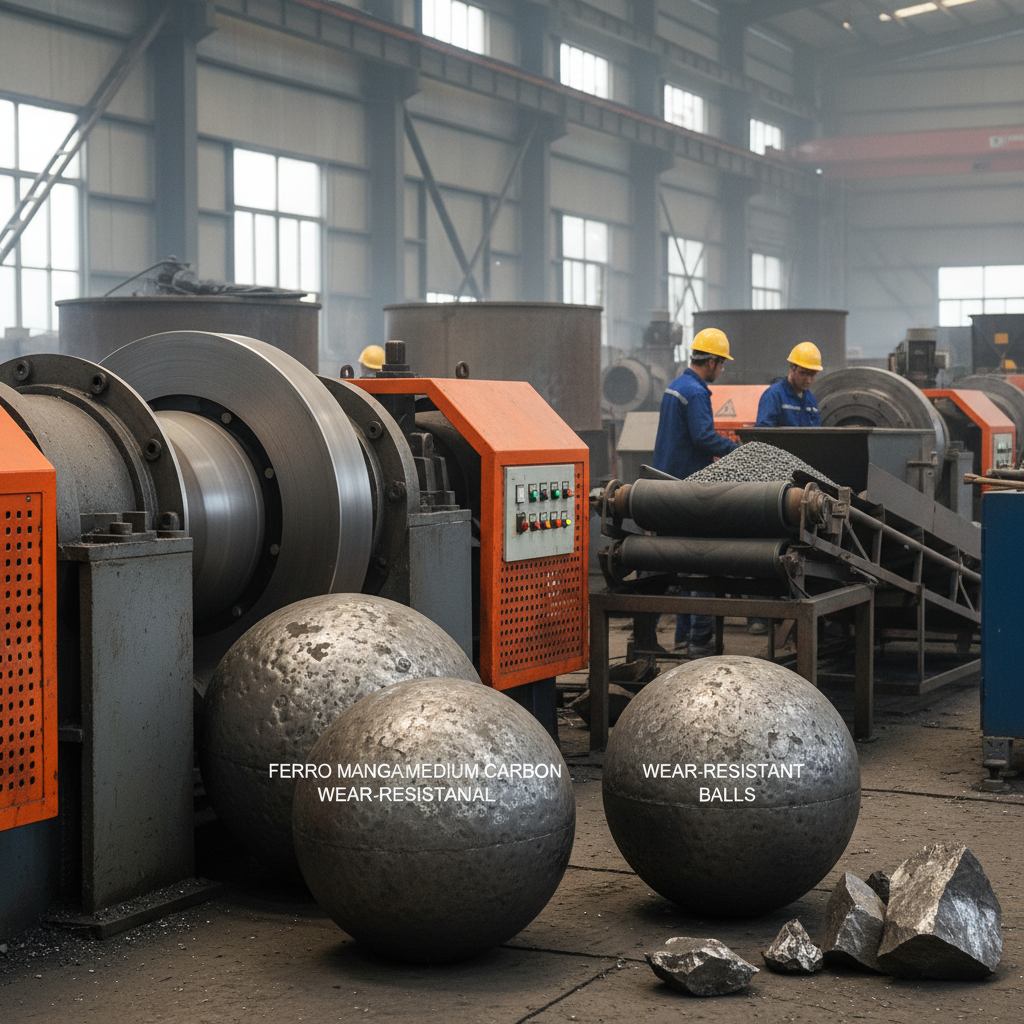
Industrial Guide to Ferro Manganese Medium Carbon for Steel Production
In the complex world of metallurgy and steel production, the choice of alloys determines the final strength and durability of the product. ferro manganese medium carbon serves as a critical additive used to enhance the structural integrity of steel. By balancing manganese and carbon content, manufacturers can achieve the precise hardness and toughness required for industrial applications. Whether you are in automotive manufacturing or heavy machinery production, understanding the nuances of this alloy is essential for optimizing material performance and reducing production costs. In this comprehensive guide, we will explore its chemical properties, industrial advantages, and technical specifications.Đọc thêm -
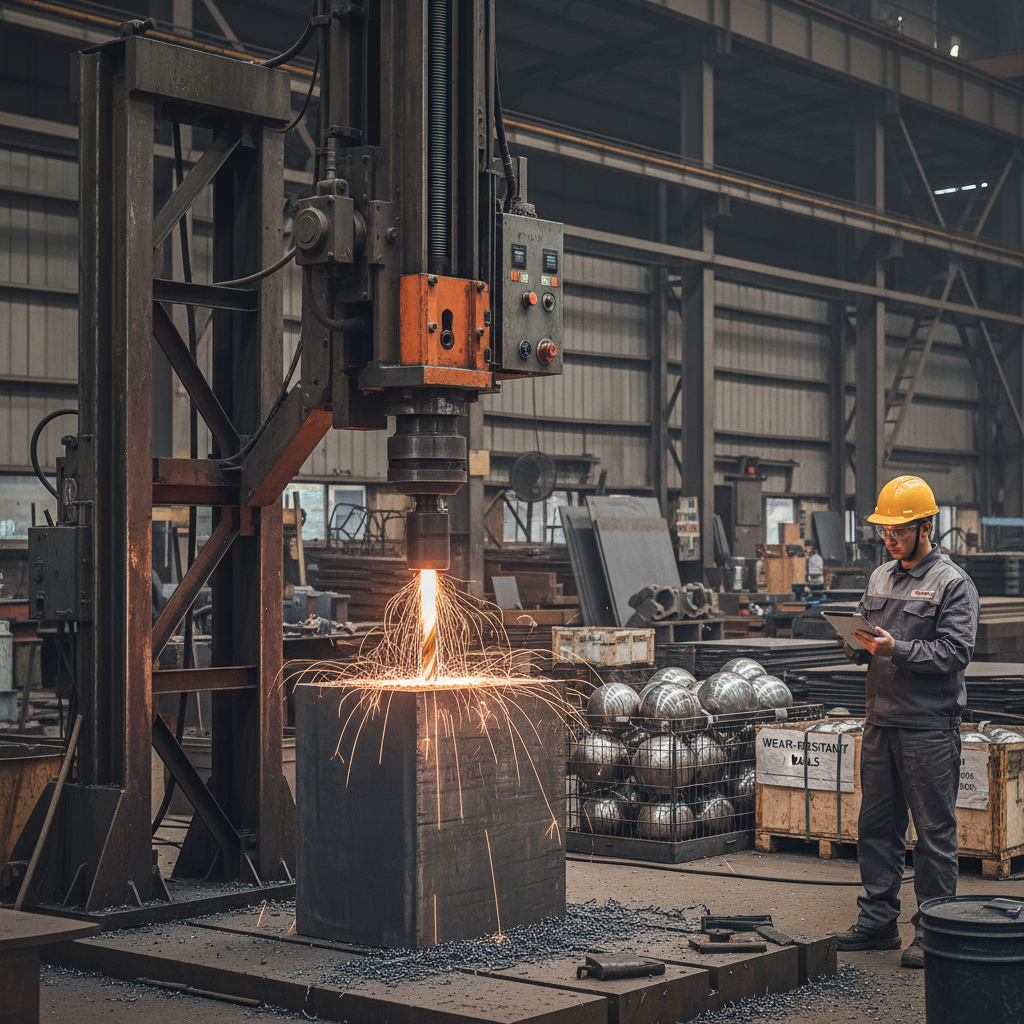
Professional Guide and Best Practices for drilling manganese steel
Working with Hadfield steel or manganese-based alloys presents a unique challenge for any machinist. Because of its exceptional work-hardening properties, drilling manganese steel requires a strategic approach to prevent tool failure and ensure dimensional accuracy. Whether you are repairing heavy-duty mining equipment or fabricating industrial wear plates, understanding the metallurgy of this material is the first step toward success. In this guide, we will explore the best practices, tool selections, and technical parameters to optimize your drilling process and extend the life of your cutting tools.Đọc thêm -
Comprehensive Guide to DIN 1.3401 Stainless Steel Properties and Applications
DIN 1.3401 is a widely used austenitic stainless steel known for its excellent corrosion resistance, weldability, and formability. Commonly referred to as 304 stainless steel (though not entirely identical), it's a versatile material employed across numerous industries. This article provides a comprehensive overview of DIN 1.3401, covering its chemical composition, mechanical properties, applications, and benefits. Choosing the right stainless steel is vital for project successĐọc thêm -
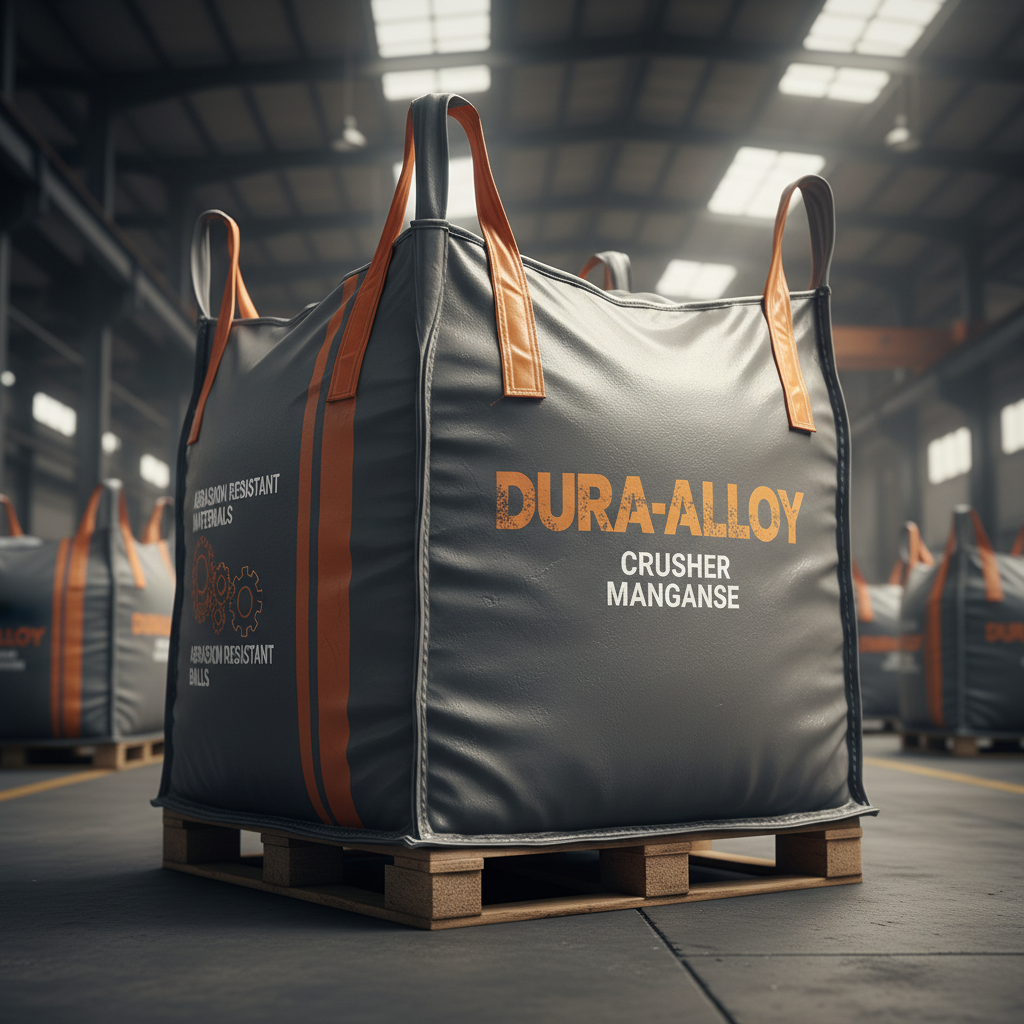
Optimizing Crusher Performance with Durable Manganese Alloys and Steel
Manganese is a crucial alloying element in the production of steel used for crusher components. Its addition significantly enhances the hardness, toughness, and wear resistance of these parts, especially those directly involved in material reduction. This article provides an in-depth look at the role of manganese in crusher applications, its different forms, benefits, and considerations for optimal performance.Đọc thêm -
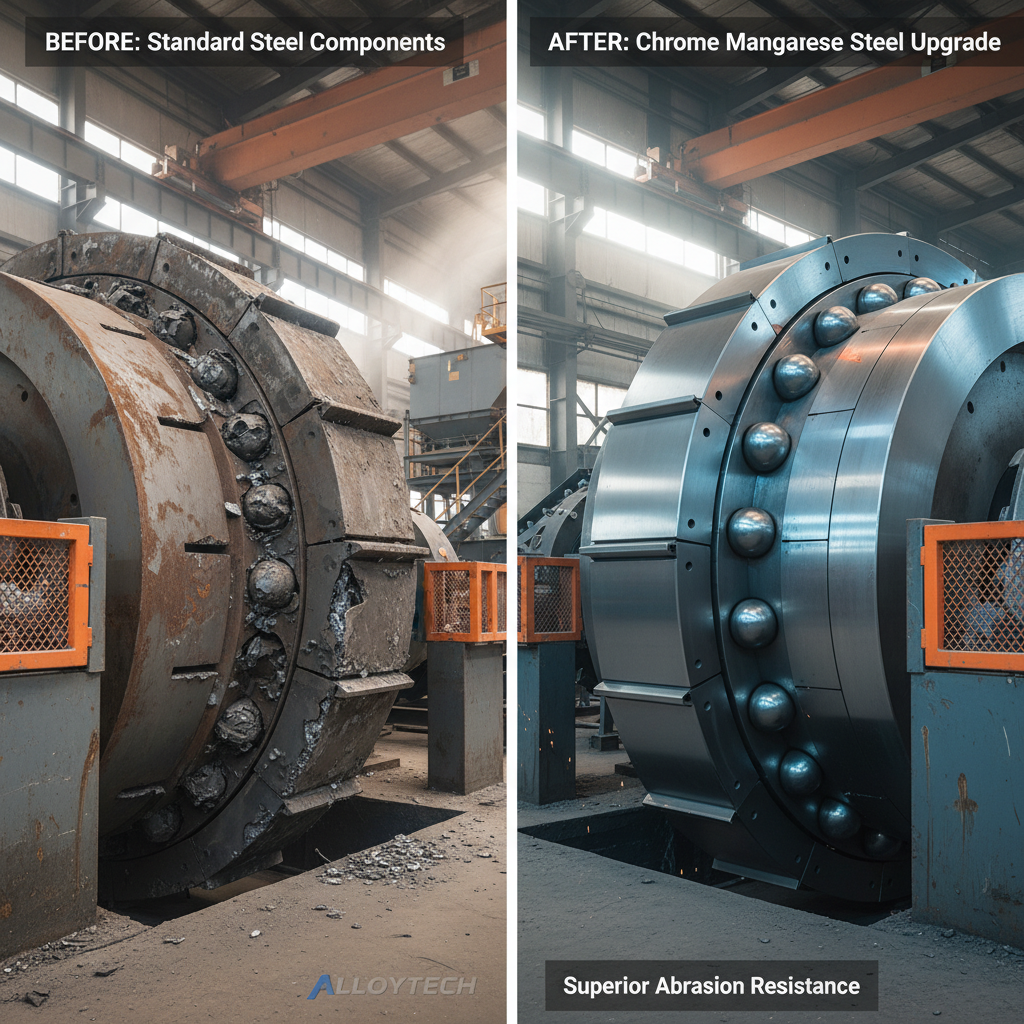
Comprehensive Guide to Chrome Manganese Steel Properties and Industrial Applications
Chrome manganese steel is a high-strength alloy steel renowned for its exceptional toughness, wear resistance, and ability to absorb impact. This versatile material finds widespread use in industries demanding durability and reliability, such as mining, construction, and railroad applications. This article will explore the composition, properties, manufacturing processes, and diverse applications of chrome manganese steel, offering valuable insights for engineers, procurement professionals, and anyone seeking a robust material solution.Đọc thêm -
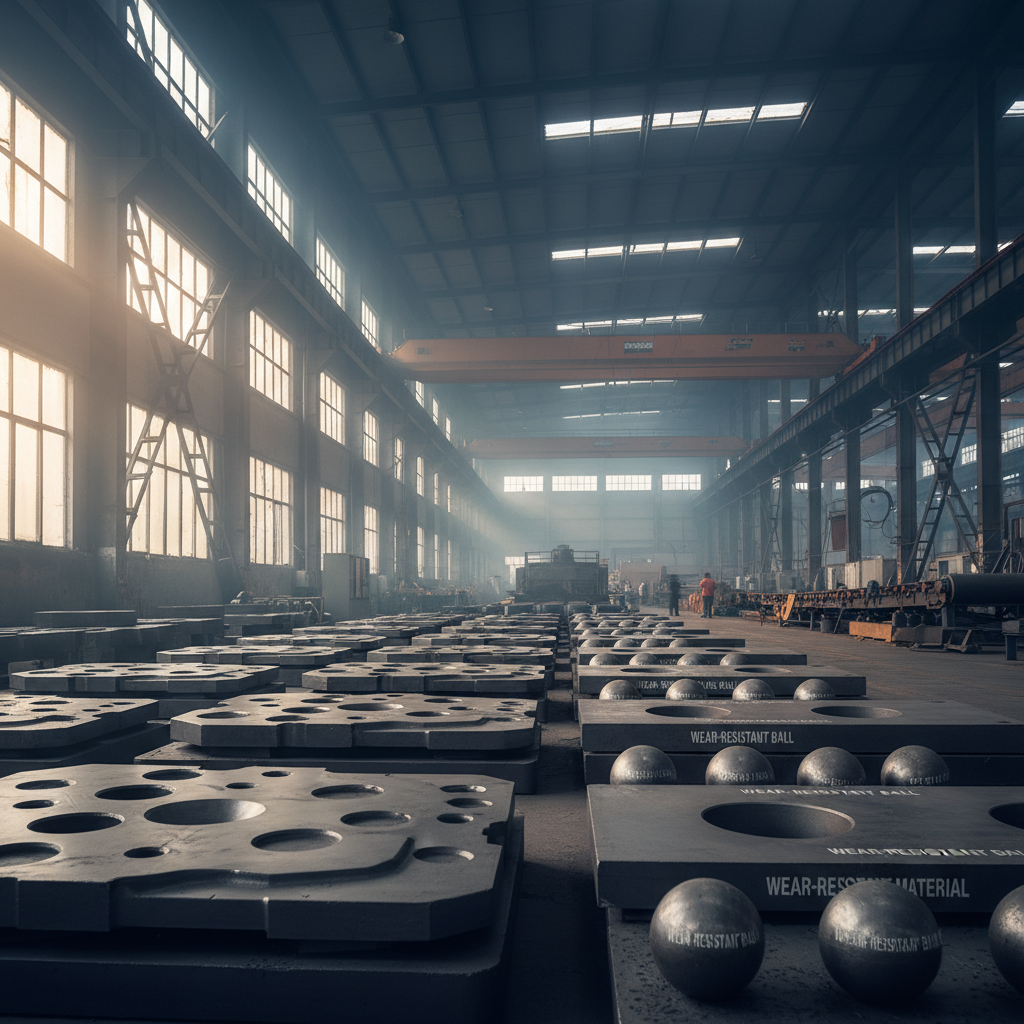
Understanding the Properties and Applications of Cast Manganese Steel
Cast manganese steel, also known as Hadfield steel, is a highly specialized alloy renowned for its exceptional toughness, wear resistance, and work-hardening properties. This makes it ideal for applications demanding extreme durability in high-impact and abrasive environments. This article explores the characteristics of cast manganese steel, its diverse applications across various industries, and how Chengda Steel provides high-quality cast manganese steel products.Đọc thêm -
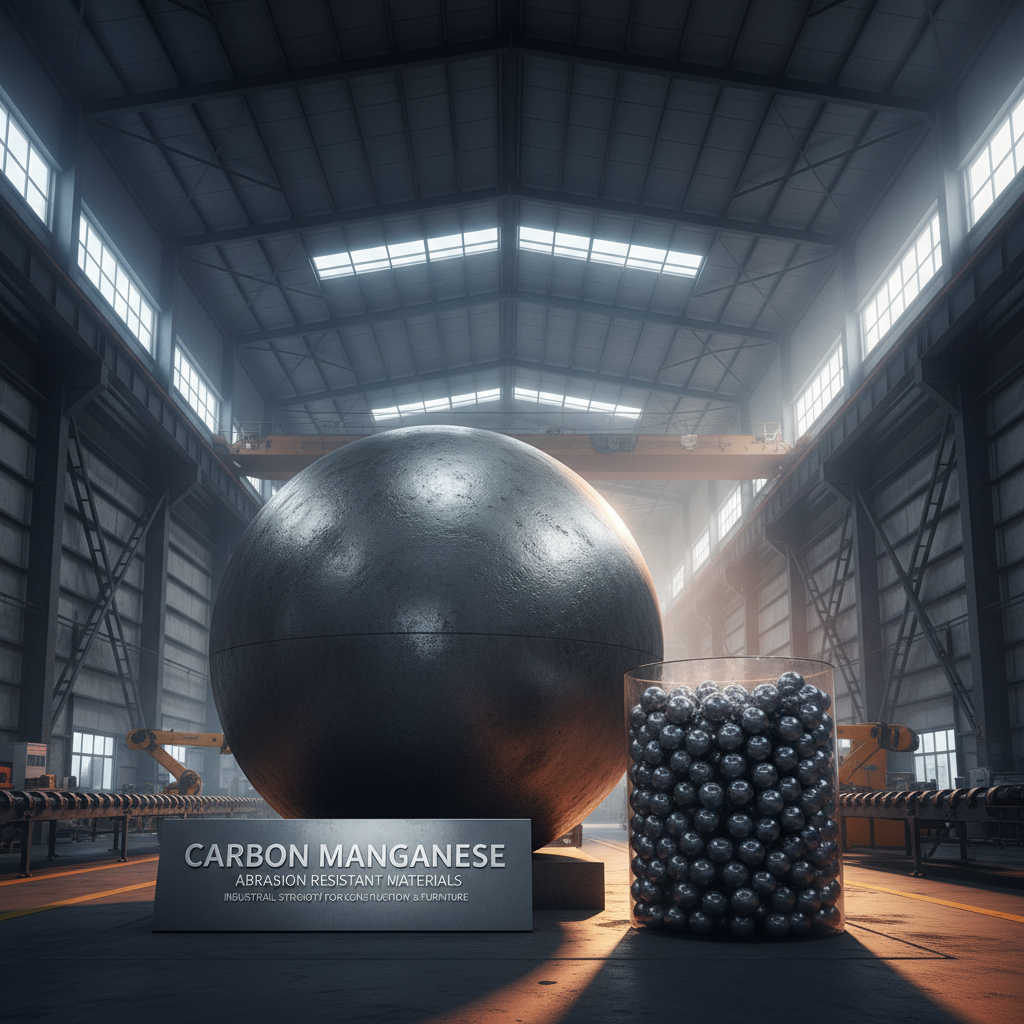
Exploring Carbon Manganese Alloys Properties Applications and Global Trade
Carbon manganese alloys represent a crucial segment within the metallurgical industry, renowned for their enhanced strength, hardness, and wear resistance compared to pure carbon steel. These alloys find extensive application across diverse sectors, including automotive, construction, and manufacturing. Understanding the properties, production methods, and global trade dynamics of carbon manganese is essential for businesses involved in sourcing or utilizing these materials. Chengda specializes in providing high-quality carbon manganese products tailored to meet specific industrial requirements. Carbon manganese alloys are primarily composed of iron, carbon, and manganese. The addition of manganese significantly enhances the steel’s hardenability, strength, and toughness. The specific percentage of manganese dictates the alloy’s properties. Generally, manganese content ranges from 0.7% to 14%, leading to a spectrum of alloys with varying characteristics.Đọc thêm -
Exploring the Properties and Diverse Applications of Austenitic Manganese Steel
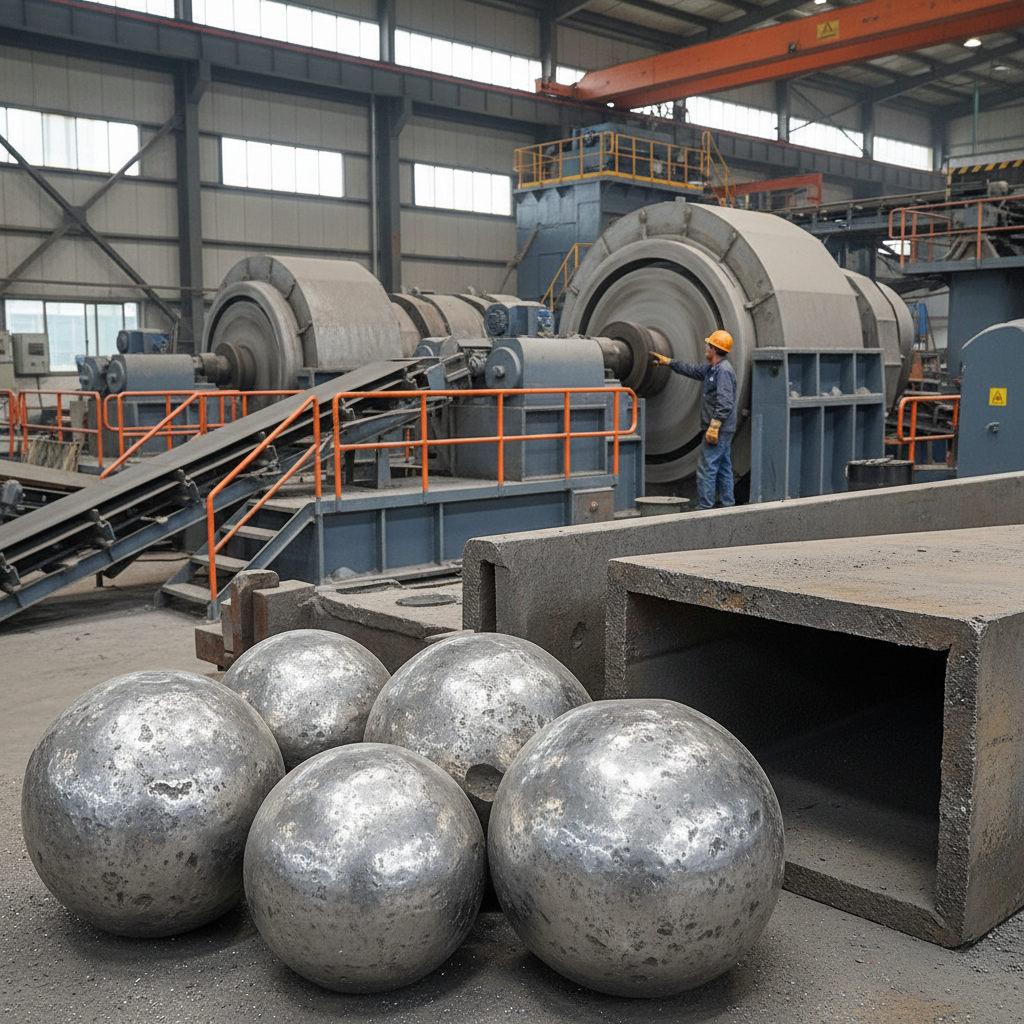
Austenitic manganese steel, also known as Hadfield steel, is a unique alloy renowned for its exceptional toughness and wear resistance. Its distinct properties make it ideal for a wide range of demanding applications, particularly in industries facing high impact and abrasive conditions. This article will delve into the composition, characteristics, benefits, and diverse applications of austenitic manganese steel, offering a comprehensive overview for engineers, materials scientists, and industry professionals. Explore how Chengda Steel provides high-quality austenitic manganese steel products to meet diverse industrial needs. Austenitic manganese steel typically contains around 12-14% manganese, 1.0-1.2% carbon, and smaller amounts of silicon, sulfur, and phosphorus. The high manganese content stabilizes the austenitic phase, resulting in a non-magnetic structure. A key characteristic is its work-hardening property: the more it is impacted, the harder and stronger it becomes. This makes it exceptionally durable in high-stress environments.Đọc thêm -
Exploring Austenitic Manganese Steel Properties Applications and Sourcing
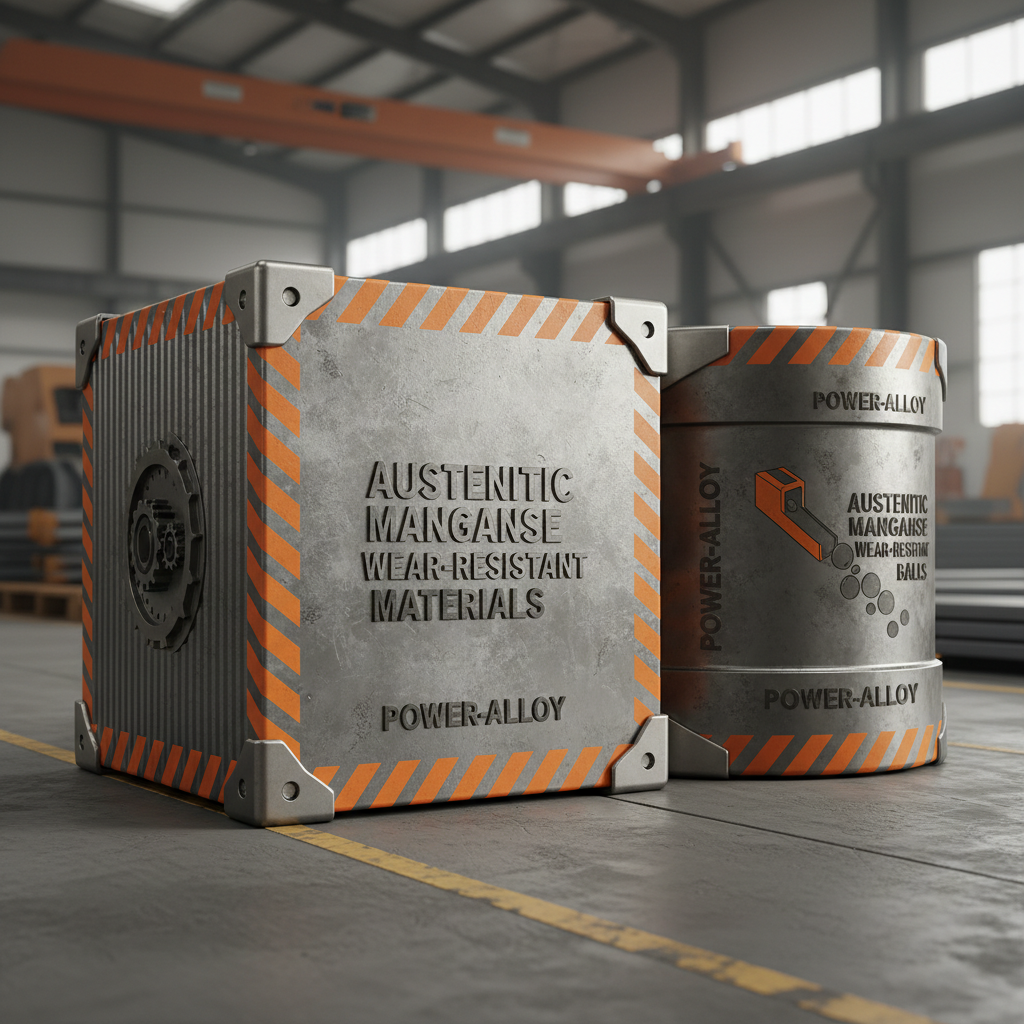
Austenitic manganese, often referred to as Hadfield steel, is a fascinating alloy known for its exceptional toughness, wear resistance, and work-hardening capabilities. This unique material finds application in diverse industries, from mining and construction to railroad and even specialized manufacturing. This article delves into the core properties of austenitic manganese, explores its key applications, and provides insight into sourcing reliable suppliers like Chengda Metal. Understanding these aspects is crucial for engineers, purchasers, and anyone involved in selecting materials for demanding environments. The defining characteristic of austenitic manganese steel is its unique crystalline structure. Containing around 12-14% manganese, 1.0-1.2% carbon, and smaller amounts of other elements like silicon and chromium, it boasts a non-magnetic austenitic phase at room temperature. This structure imparts several critical properties. Notably, its exceptional toughness arises from the ability of the austenitic phase to transform to martensite under impact, absorbing enormous amounts of energy.Đọc thêm -
Comprehensive Guide to ASTM A128 GR C Steel Properties and Applications
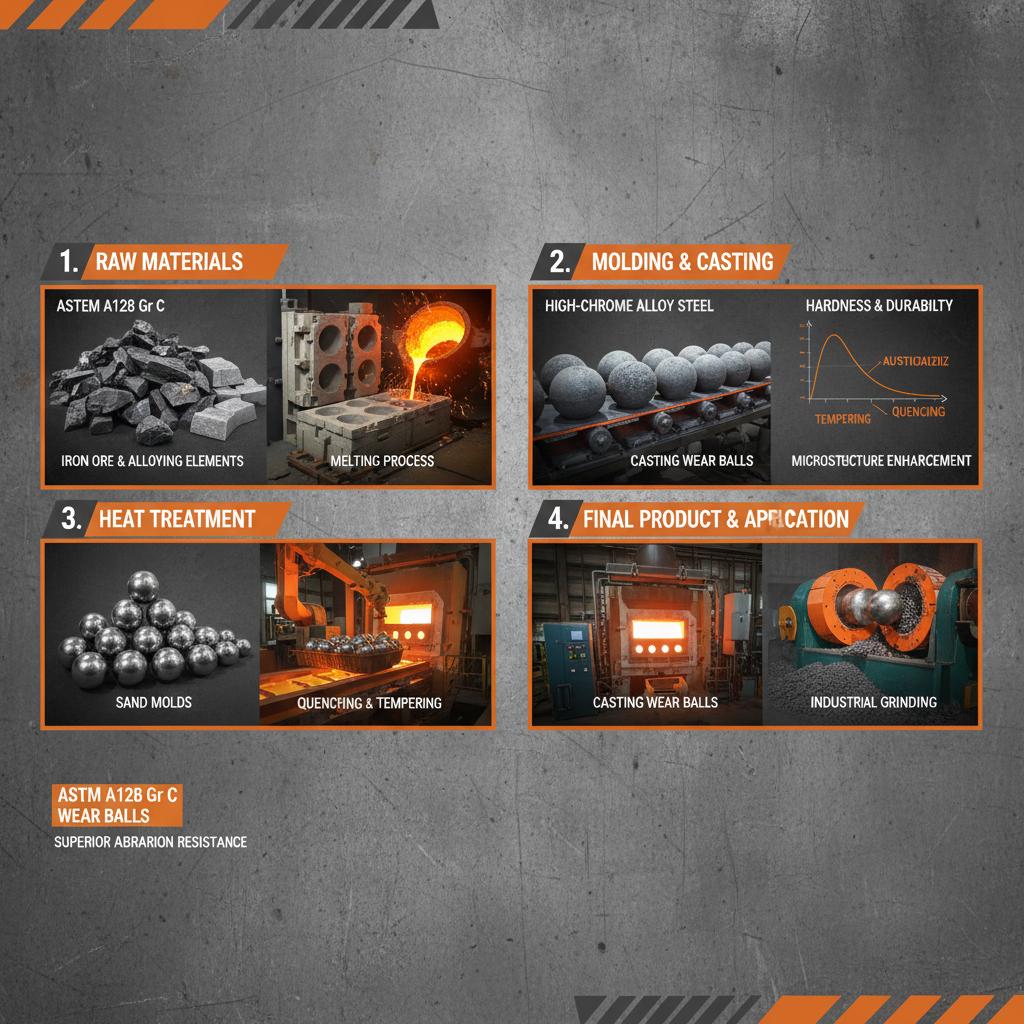
ASTM A128 GR C steel is a crucial material across numerous industries, known for its specific chemical composition and mechanical properties. This guide will delve into the specifics of this steel grade, covering its composition, applications, benefits, and how it compares to other materials. We’ll explore why Chengda Steel is a trusted supplier of high-quality ASTM A128 GR C steel. Understanding the characteristics of this steel is vital for engineers, purchasers, and anyone involved in material selection for demanding applications. ASTM A128 GR C is a carbon steel commonly used in structural applications. Its key characteristic lies in its chemical composition, carefully controlled to achieve specific properties. Here’s a breakdown of the typical composition (percentages are approximate by weight): Carbon (C) - 0.25-0.32%, Manganese (Mn) - 0.70-1.00%, Phosphorus (P) - max 0.040%, Sulfur (S) - max 0.030%, Silicon (Si) – 0.15-0.35%, and Iron (Fe) - Balance. This composition provides a good balance between strength, weldability, and machinability. Chengda Steel meticulously controls the chemical composition during the manufacturing process to meet and exceed ASTM A128 standards.Đọc thêm -
Comprehensive Guide to ASTM A128 Equivalent Steel Grades and Material Selection
In the realm of metal materials, particularly within the steel industry, understanding material equivalencies is crucial for sourcing, manufacturing, and ensuring project specifications are met. ASTM A128 is a widely recognized standard for steel plates used in shipbuilding and other heavy-duty applications. However, sourcing can sometimes lead to the need for equivalent materials. This article will comprehensively explore what constitutes an ASTM A128 equivalent steel, detailing its properties, common alternatives, and considerations for making informed material selections. We will delve into the specific requirements of ASTM A128 and how other steel grades can meet or exceed those standards. ASTM A128 covers carbon and carbon-manganese structural steel plates for shipbuilding and other marine applications. The standard specifies requirements for chemical composition, mechanical properties (yield strength, tensile strength, elongation, and notch toughness), and welding characteristics. The steel grades covered typically include those with a minimum yield strength of 36 ksi (250 MPa) up to 65 ksi (450 MPa). Commonly, A128 steel is used in the construction of ship hulls, decks, and internal structures where strength and weldability are paramount.Đọc thêm -
Exploring the Properties and Applications of High Performance 3T Manganese Steel
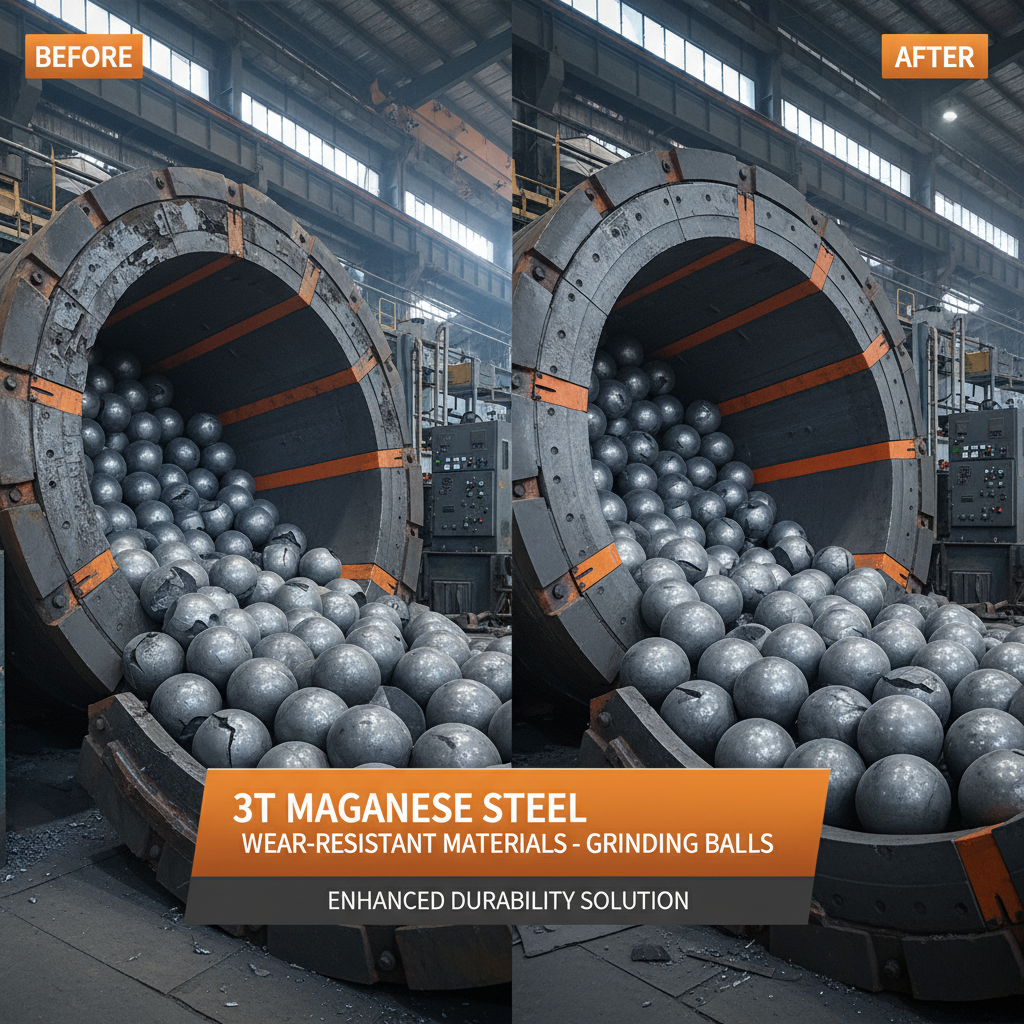
3T manganese steel, also known as Hadfield steel, is a highly specialized alloy renowned for its exceptional toughness, wear resistance, and ability to work-harden. It’s a crucial material in industries facing high-impact and abrasion challenges. This article will delve into the characteristics of 3T manganese steel, its diverse applications, key manufacturing processes, and how Chengda Steel provides high-quality solutions for your specific needs. We’ll explore why selecting the right supplier is paramount when working with this critical material. 3T manganese steel is an iron-manganese alloy containing approximately 12-14% manganese, along with small amounts of carbon and silicon. Its unique properties stem from the formation of a hard, austenitic microstructure. Unlike many steels that become brittle when hardened, 3T manganese steel increases in strength and toughness with impact. This phenomenon, known as work hardening, makes it ideal for applications involving crushing, grinding, or high-stress impact. The “3T” designation is commonly used within the industry to identify this specific grade. Chengda Steel specializes in producing 3T manganese steel meeting rigorous industry standards.Đọc thêm


